
The Overview
Michael Fulton
Melbourne-based skier and snowboarder with 50+ resorts across 5 continents. Specialises in Australian resorts and international resort comparisons.
Mont Tremblant's summit reaches 875 metres, dropping 645 vertical metres to a base at 230 metres across 102 runs spread over roughly 305 hectares in the Laurentians, Quebec. Terrain splits 37 per cent advanced, 30 per cent intermediate, 19 per cent beginner and 14 per cent expert, with average annual snowfall of roughly 3.5 metres. The resort carries Ikon Pass affiliation. Fourteen lifts, including seven quad chairs and three gondolas, serve the mountain alongside one triple chair and three surface lifts.
Mont Tremblant holds a distinguished place as Eastern Canada's leading ski resort, built around a purpose-designed pedestrian village widely regarded as one of the most successful mountain-village developments in North America. Its considerable scale for the Laurentians, combined with a genuinely varied terrain mix, has built Tremblant's reputation as Quebec's premier four-season destination.
Jo Ryan opened Mont Tremblant Lodge in February 1939, developing a resort that included a summer beach and tennis club alongside 16,500 acres of mountain terrain leased from the Quebec provincial government. Mary Ryan continued operating the resort until selling it to a group of Montreal businessmen in 1966, and ownership changed hands several times over the following fifteen years.
Intrawest acquired Mont Tremblant for an estimated 22 million Canadian dollars in 1991, its first resort purchase after Blackcomb, and invested 48 million Canadian dollars between 1991 and 1995, lifting daily capacity from 8,500 to 14,500 skiers. The company's purpose-built pedestrian village, designed by Eldon Beck, the same architect behind Vail and the original Whistler Village, remains central to the resort's identity. Adult daily tickets run from 149 to 179 Canadian dollars.
645m
Vertical
102
Runs
753 acres
Skiable
4m
Annual snow
Ikon
Pass
The Terrain
102 runs across 753 acres skiable
Mont Tremblant is the largest area in this batch, with 102 runs over roughly 305 hectares and a vertical of 645 metres, from 230 to 875 metres. Grading is 19% beginner, 30% intermediate, 37% advanced and 14% expert, so more than half the terrain is steep. Seven quad chairs, a triple, three gondolas and three surface lifts connect four distinct sides of the mountain: the South Side, North Side, Soleil and the Edge. It is a lower-vertical mountain by global standards, yet the scale and variety stand out in eastern Canada, and it carries the Ikon Pass.
The Edge and upper North Side hold the harder lines, with Dynamite often described as the steepest run on the hill and Expo a firm test when the moguls build up. The Edge also offers natural terrain and glades for skiers who want something less groomed. Soleil has sunnier, flowing blues with wooded surrounds, and the South Side is the quick option from the pedestrian village. Cold snaps can leave the surface hard and fast, so keep your edges tuned. Tremblant suits strong intermediates and advanced skiers wanting variety, plus families who want the village on the doorstep.
Terrain split
102
runs
102 runs across 4 grades
Beginner19 runs · 19%
Intermediate31 runs · 30%
Advanced38 runs · 37%
Expert14 runs · 14%
Time it right
When to visit Mont Tremblant
The 2025-26 season at Mont Tremblant ran from 27 November 2025 to 12 April 2026, a roughly nineteen-week season supported by average annual snowfall of around 3.5 metres. Season dates can shift depending on early and late-season weather in the Laurentians.
Midwinter, from December through February, typically brings the most consistent conditions to Tremblant's varied, advanced-weighted terrain. As an Ikon Pass resort, Tremblant draws substantial visitation from pass holders alongside destination travellers seeking the resort's genuinely developed pedestrian village.
Tremblant's purpose-built village continues to draw considerable visitation for its dining, shopping and nightlife alongside the skiing itself. School holiday periods bring substantial family visitation given the resort's varied terrain and considerable four-season amenities.
Specific event programming beyond standard operations is not confirmed in available resort information. Since Intrawest's 1991 acquisition, Tremblant has continued building on more than eight decades of history since Jo Ryan's 1939 founding. The resort's status as Eastern Canada's leading ski destination remains central to its enduring reputation.
Season 2026 - 2027
27 Nov 2026
Opens
18 Apr 2027
Closes
142
Days open
4 m
Annual snow
Getting there
Getting to Mont Tremblant, and where to stay
Mont Tremblant sits in the Laurentians, Quebec, with a base elevation of 230 metres and a summit at 875 metres across a 645-metre vertical drop over roughly 305 hectares. This setting places the resort within a comparatively short drive of Montreal, among the more accessible major resorts in Eastern Canada.
The purpose-built pedestrian village at Tremblant's base offers extensive lodging, dining, shopping and nightlife directly at the mountain, while the nearby town of Saint-Jovite provides additional services.
Route 117 and Autoroute 15 provide direct access to the resort from Montreal. Winter driving conditions on these routes can include snow and ice, though the well-travelled roads are regularly maintained given the resort's status as a major Quebec destination.
Montreal-Trudeau International Airport, roughly a two-hour drive away, is the primary gateway for visitors flying into the region, with Tremblant's considerable international profile supporting substantial visitation from across Canada, the United States and further afield.
Where to stay
Search all stays →Hotels and lodges near Mont Tremblant, powered by Stay22.
Latest News
From the SnowStash desk
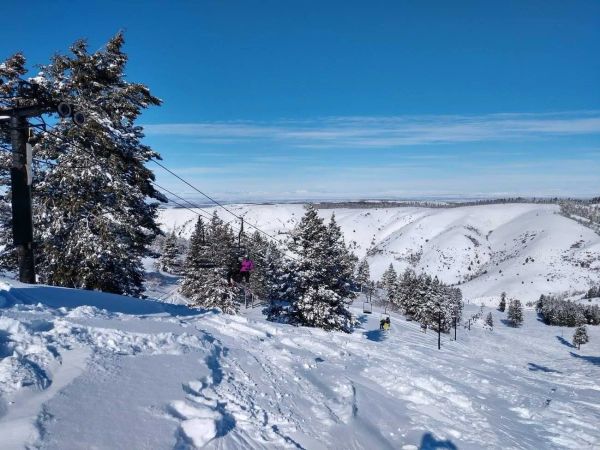
Kelly Canyon, Idaho, Adds Snowmaking, a Bigger Terrain Park and More Parking for 2026-27
Kelly Canyon had a rough 2025-26, and the Idaho resort has spent the summer making sure it doesn’t repeat. Snowmaking now reaches the top of Goldrush, the terrain park is doubling in size with a stereo system, lights and a snack shack, and the car park is getting bigger. Grooming is stepping up too. Target opening is December 4, conditions permitting.
9 Oct 2026
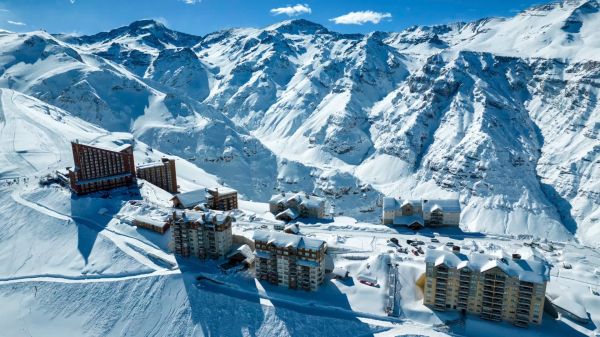
Valle Nevado Extends Season to November 8 After 108 cm in 48 Hours
Winter was meant to be winding down in Chile. Then Valle Nevado took 108 cm in 48 hours in early October, and the resort has pushed its closing date out to November 8 - its latest in 38 years of operation. That makes 143 days of skiing since opening day on June 19, with 690 cm banked for the season. Only part of the mountain is running while the storm settles, so check the mountain report before you plan a trip.
9 Oct 2026
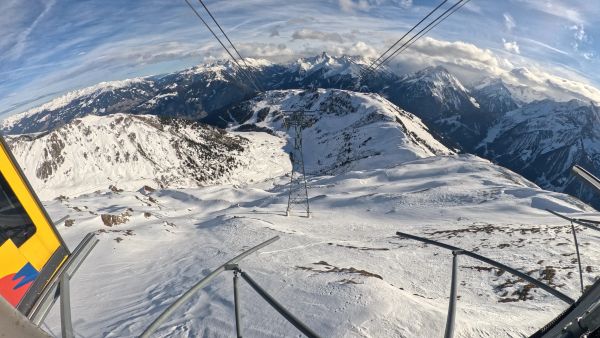
Alps Snow Forecast: Cold Front Brings Thursday Snow to the High Alps
The Alps look a lot more like winter today, for a day or so. A cold front is moving west to east, dropping up to 35 cm on high glaciers and peaks, with snow levels falling to around 1,500-1,800 m at times. Don’t plan a trip around it: mid-elevation snow will be thin and wet, every area is closed bar a limited Sölden glacier opening tomorrow, and warmer weather returns by Monday.
8 Oct 2026
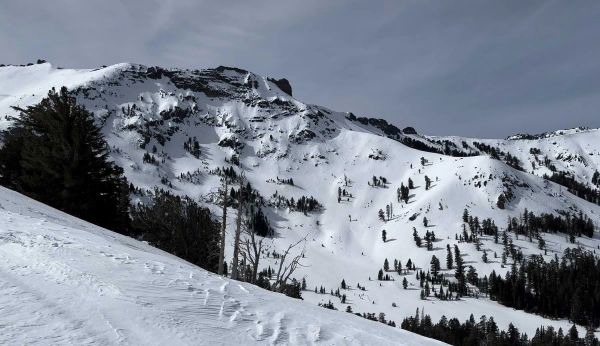
California Ski Resort Opening Dates 2026-27: Mammoth Leads, Tahoe Follows
Mammoth Mountain is first up in California, targeting Friday 13 November after a dusting of September snow. Heavenly and Northstar follow on 20 November, Palisades Tahoe on Wednesday 25 November and Sugar Bowl on 27 November, with Kirkwood on 4 December and June Mountain on 19 December. Plenty of smaller areas have no date yet. A super El Niño favours the Sierra, but a warmer storm track is the catch.
7 Oct 2026
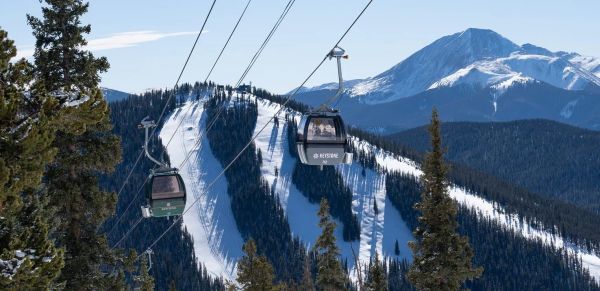
Colorado Ski Resort Opening Dates 2026-27: A-Basin and Keystone Race to Be First
Arapahoe Basin, Keystone and Winter Park are all chasing an October start, though none has a firm date yet. The first dated openers are Breckenridge and Copper on Friday 6 November, then Vail on 13 November, with most of the rest bunched around US Thanksgiving. Hesperus did not open at all last season. A super El Niño offers hope but no guarantee, and forecasters say the southern mountains have the better odds.
5 Oct 2026
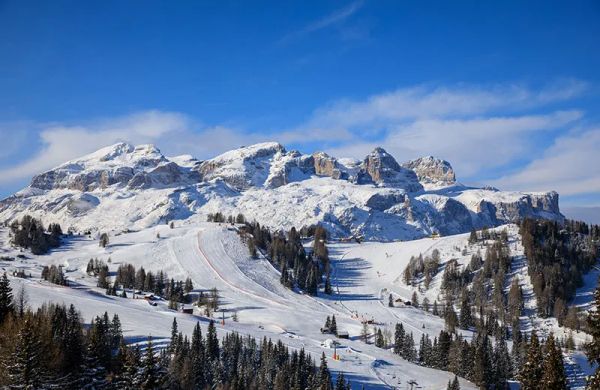
Dolomiti Superski 2026-27: Four New Gondolas, New Reservoirs and an €89 Peak Day Pass
Dolomiti Superski is spending around €100 million across its 12 areas before winter. Kronplatz gets a new 10-passenger gondola with a middle station, 3 Zinnen gets Helmissimo, and Val di Fassa swaps a chairlift for a gondola above Col Valvacin. New water-storage basins and upgraded snowmaking follow, and construction has started on the San Martino to Passo Rolle link. A peak adult day pass is €89.
4 Oct 2026
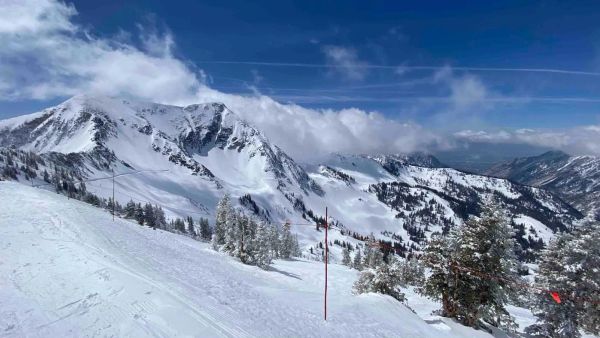
Utah Ski Resort Opening Dates 2026-27: Brian Head First, Eagle Point Out
Brian Head is targeting 6 November, though last year it aimed for 7 November and did not open until the 25th. Park City, Alta and Solitude are pencilled in for 20 November, Snowbird and Snowbasin for 27 November, and Deer Valley for 5 December. Eagle Point will stay closed after the Cottonwood Fire. A super El Niño is forecast, but the big snow is not expected until January.
4 Oct 2026
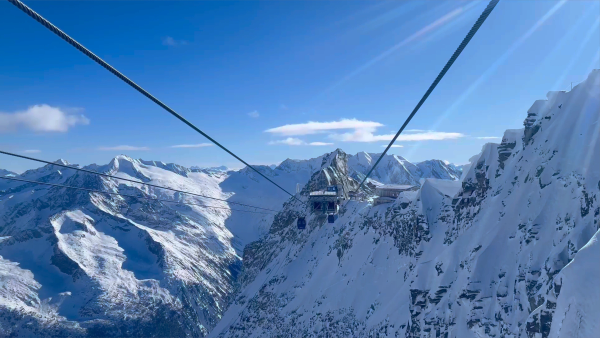
Hintertux Glacier Opens for 2026-27 With 12 Kilometres of Piste
Hintertux became Austria's second glacier to open for 2026-27 on Friday 2 October, after the Pitztal Glacier. Twelve kilometres of piste are running around the Olperer and Gefrorene Wand, served by one gondola and two drag lifts, with the Betterpark also open. Lifts officially run 8:15 am to 4:30 pm, but skiing stops at 2 pm for now.
4 Oct 2026
Mont Tremblant Snow Report
Snow Report
Updated 8 Oct 2026
875m
summit
+0cm
new snow · last 24 hours
Partly Cloudy-1°C / 4°C · NW 23km/h
Snowfall
24 hours
0cm
48 hours
0cm
7 days
0cm
Base depth
0cm
Season total
0cm
Total lifts14
Live open status isn’t available right now.
27 Nov 2026 - 18 Apr 2027
Hour by Hour
Next 45 hours· Updated Oct 9, 2026 at 6:02 AM
Scroll for the full outlook · Open-Meteo
7-Day Outlook
875 mUpdated Oct 9, 2026 at 6:02 AMOpen-Meteo
Days 1–7
0.0cm
Days 8–14
0.0cm
Fri, Oct 9
Overcast
Temp4° / -1°°C
Snow0.0cm(15%)
Wind23 km/h NW
Live snow from the resort feed; forecast from Open-Meteo, via Supabase.
Understanding the Mont Tremblant snow report
See what's happening on the mountain at Mont Tremblant right now — snowfall, snow depth, and weather data to help you plan your day in Quebec.
Snow measurements
Snow depth at Mont Tremblant is tracked at both the base and summit, since the two elevations often see different totals — roughly a 645m difference here. We report fresh snowfall over the last 24 hours and 7 days alongside the running season total, in both metric and imperial units.
Weather conditions
Wind and temperature swings matter as much as fresh snowfall. Cold, calm conditions hold snow quality well, while wind-loading or a warm-up can change things quickly — especially given the elevation spread between Mont Tremblant's base and summit.
Data sources
We pull Mont Tremblant's conditions from on-the-ground mountain reporting, then layer in forecast data so you get a fuller picture than either source alone. The mountain is served by 14 lifts, including 7 quad chairlifts and 3 gondolas.
When to check
The biggest swings usually happen right after a storm. Check Mont Tremblant's report in the morning for the freshest numbers, and again in the afternoon as conditions evolve.