Kitzsteinhorn Resort
61km of pistes, 2,261m vertical drop, October-May season. Austria's first glacier ski area in Kaprun, Salzburg.

Current Conditions→
Season 2026 - 2027
Opens
2 Oct 2026
Closes
17 May 2027
Days open
227
Annual snow
8.5m
The Overview
Michael Fulton
Melbourne-based skier and snowboarder with 50+ resorts across 5 continents. Specialises in Australian resorts and international resort comparisons.
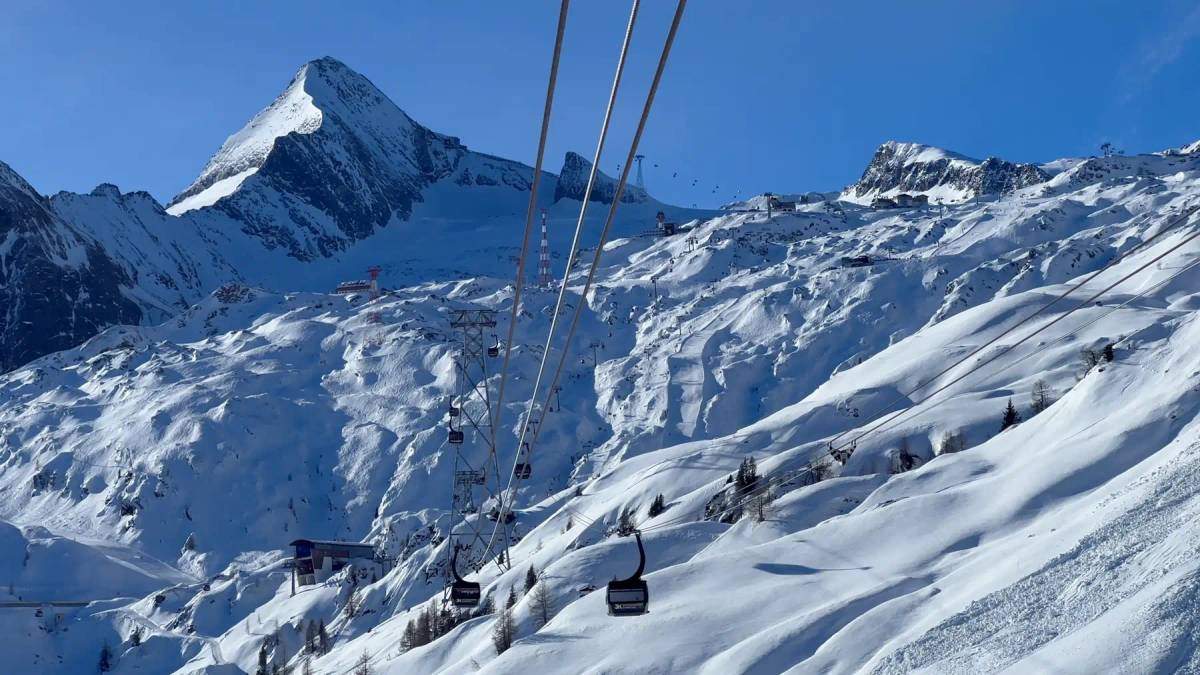
Austria's first glacier ski area opened in 1965 and spans 61 kilometres of marked pistes across terrain ranging from 768 metres at Maiskogel to 3,029 metres at the TOP OF SALZBURG summit platform. The resort delivers 2,261 metres of vertical - the greatest elevation change accessible by continuous gondola in the Eastern Alps. Twenty-four lifts serve 68 runs across three distinct zones: the high-alpine glacier above 2,600 metres, the intermediate Langwied sector, and the family-oriented Maiskogel below the treeline.
Terrain splits favour progression-focused skiers: 47% beginner, 37% intermediate, 10% advanced, and 6% expert. The glacier plateau hosts wide, open runs ideal for carving, whilst the Black Mamba delivers a 63% gradient challenge dropping 290 vertical metres from the Kristall lift base. Five marked freeride routes sit close to lifts in the Langwied area, with the X1 route accessible via a gated entry near the summit funicular. Red runs dominate the glacier proper, making up roughly two-thirds of that sector's terrain.
The ICE CAMP presented by Audi occupies a plateau at 2,600 metres from mid-January through mid-April - three igloos constructed from 60 tonnes of ice and 2,500 cubic metres of snow housing an ice bar and sun deck. The TOP OF SALZBURG attraction at the summit includes Austria's highest cinema (Cinema 3000) and a 360-metre tunnel called the National Park Gallery cutting through the mountain. On clear days, views extend to the Grossglockner, Austria's highest peak at 3,798 metres.
The Ski ALPIN CARD connects Kitzsteinhorn with Schmittenhöhe in Zell am See and Skicircus Saalbach Hinterglemm Leogang Fieberbrunn - 408 kilometres of combined terrain accessible on a single pass. Free ski buses operate between resorts throughout winter. The extended October-to-May season suits skiers seeking guaranteed snow outside typical Alps operating dates, whilst the four terrain parks and Austria's largest superpipe - shaped by Olympic shaper Alli Zehetner with walls up to 6.5 metres - attract freestyle riders.
2262m
Vertical
68
Runs
61 km
Piste
8.5m
Annual snow
Ski Alpin
Pass
Watch
See Kitzsteinhorn Resort in motion
The Terrain
68 runs across 61 km of piste
Kitzsteinhorn offers 2,262 metres of vertical from the Maiskogel base at 766 metres to the 3,028-metre summit, spread over 68 runs and 61 kilometres of piste. The split is unusually beginner-friendly for a glacier, with 47% beginner, 37% intermediate, 10% advanced and 6% expert terrain, because the gentle lower slopes of Maiskogel sit near Kaprun and the wide glacier plateau suits carving. Three zones stack on top of each other: Maiskogel below the treeline, the Langwied sector at mid-height, and the high alpine glacier above it.
The sharpest piste on the mountain is the Black Mamba, a 63% gradient that falls 290 vertical metres from the Kristall lift base, which makes it the obvious run for strong skiers to warm up on. Freeriders have five marked routes close to the lifts around Langwied, with the X1 route reached through a gated entry near the summit funicular. Because the glacier is where the open, high-altitude terrain is, the best skiing for most visitors is the long, wide red runs between the glacier and Langwied.
Terrain split
68
runs
68 runs across 4 grades
Beginner32 runs · 47%
Intermediate25 runs · 37%
Advanced7 runs · 10%
Expert4 runs · 6%
Time it right
When to visit Kitzsteinhorn Resort
The 2025/26 season runs from 11 October 2025 to 25 May 2026, delivering over seven months of operations - among the longest in the Alps. Kitzsteinhorn typically opens first in Salzburgerland each autumn and closes last, making it the regional choice for pre-season training and late-spring skiing. Lift operations run daily from 8:15 to 16:15, with hours adjusted based on conditions and daylight.
The glacier receives between 7 and 10 metres of natural snowfall annually, with the high-altitude terrain above 2,600 metres maintaining reliable coverage throughout the season. Snowmaking covers 29 kilometres of runs using 200 snow cannons, concentrating on the Maiskogel slopes and key glacier connections. Base depths regularly exceed 2 metres mid-winter; the resort reported 135 centimetres in mid-May 2026 with a season total surpassing 534 centimetres.
Early-season visitors (October-December) find fewer crowds and racing teams using the glacier for training - arrive after 8:45 to avoid the first-lift rush. Freeride conditions peak from mid-January onwards once rocks and gullies fill in completely. Spring skiing (March-May) brings warmer temperatures, corn snow, and the ICE CAMP Sounds DJ sessions every Saturday at 2,600 metres - the sun deck draws skiers for afternoon lounging.
The Glacier Spring Festival on 2 May 2026 closes the season with live music, culinary highlights, and free ski testing on spring snow. Weekly programming includes Tuesday Kitzsteinhorn Explorer Tours with National Park rangers, Wednesday snowshoe hikes to the ICE CAMP, and Thursday guided ski touring to the 2,762-metre Tristkogel. The SnowTime opening weekend in November combines the Freeride Film Festival, expert talks, and equipment testing.
Season 2026 - 2027
2 Oct 2026
Opens
17 May 2027
Closes
227
Days open
8.5 m
Annual snow
The record
Historical snowfall at Kitzsteinhorn Resort
Daily snow reports at Kitzsteinhorn Resort go back to 2017, 10 winters on the books. Open the record to compare winters, lifts and piste.
170 cm
Snowiest day
14 Jan 2018
95 cm
This winter · 2026-27
so far
846 cm
Typical winter
average of complete seasons
Winter totals
cm
Past wintersThis winter
Getting there
Getting to Kitzsteinhorn Resort, and where to stay
Kitzsteinhorn rises within the Glockner Group of the High Tauern range in Austria's Salzburg province, positioned at the northern boundary of Hohe Tauern National Park - the largest protected alpine area in Europe. The mountain itself reaches 3,203 metres, though skiable terrain tops out at the 3,029-metre summit platform. The base village of Kaprun sits at 786 metres in the Pinzgau region, a former mining settlement of 3,000 residents now centred on tourism and the nearby hydroelectric power stations.
Zell am See lies 8 kilometres east along Lake Zell, offering additional accommodation, dining, and the Schmittenhöhe ski area connected via the ALPIN CARD. The city of Salzburg sits 100 kilometres north, reachable in approximately 80 minutes by car through the Salzach valley. The Grossglockner High Alpine Road - Austria's most famous mountain pass - begins south of Kaprun during summer months.
Drivers from Salzburg follow the A10 motorway south toward the Tauern tunnel, exiting before Bischofshofen and continuing through St Johann im Pongau and Bruck to Kaprun. From Innsbruck (150 kilometres), the route follows the motorway to Wörgl, then crosses Pass Thurn via Kitzbühel. Munich travellers (220 kilometres) head south through Rosenheim and cross at Kufstein. Free parking is available at both the Kaprun Center and the Gletscherjet valley station.
Salzburg Airport (SZG) provides the primary access point at 80-100 kilometres distance, with transfer times around 80 minutes. Innsbruck Airport sits 154 kilometres away; Munich Airport 223 kilometres. Zell am See railway station connects to Salzburg and Innsbruck, with Postbus line 660 running directly to Kaprun and the lift stations. From December 2025, WESTbahn operates three daily direct services from Vienna, and the ICE Großglockner runs weekend services from Hamburg and Munich through April 2026.
Where to stay
Search all stays →Stays map loads when you scroll here
Hotels and lodges near Kitzsteinhorn Resort, powered by Stay22.
Latest News
From the SnowStash desk
Purgatory Reveals Seven New Trails and a Colorado Couloir Chairlift Opening in December
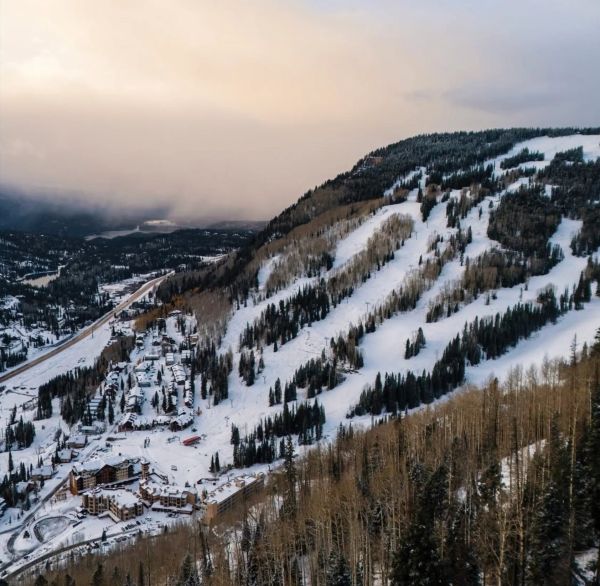
Purgatory’s new trail map reads like a warning label. Seven new trails named after Dante’s Divine Comedy arrive with the Colorado Couloir chairlift in December, adding around 40 acres (16 ha) of steep pitches and gladed tree skiing. Five of them are black or double black. The resort opens for the season this Friday, 20 November.
19 Nov 2026
Brian Head Becomes First Utah Resort to Open for 2026-27, With Six Trails and a New Snowmaking Pipeline
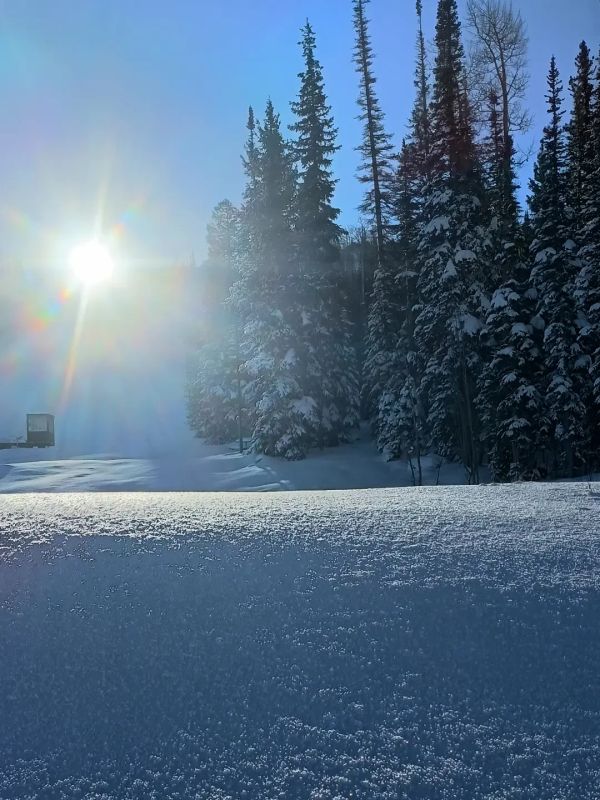
Utah’s ski season has started, and it began in the south. Brian Head opened on Tuesday, 17 November, with six trails on the Navajo Express after 14 inches (36 cm) of storm snow and another half foot on opening day. It is the second year running the resort has beaten the rest of the state to first chair, and it has put nearly $1 million into a new snowmaking pipeline that can run 24 guns at once.
19 Nov 2026
Heavenly and Northstar Open Friday as Lake Tahoe Snow Stacks Up, With Kirkwood Eyeing an Early Start
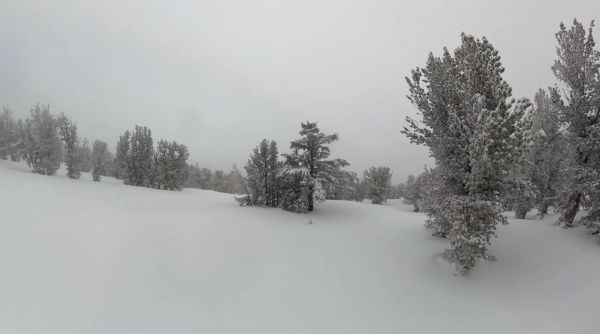
Tahoe has gone from dry to deep in a week. Heavenly and Northstar open this Friday, 20 November, with up to 24 inches (61 cm) already down at Kirkwood and 50+ inches (127 cm) in the 10-day forecast. Kirkwood normally waits until December, but this snow might change that. Heavenly is even talking about opening Stagecoach in Nevada early, which almost never happens this soon.
18 Nov 2026
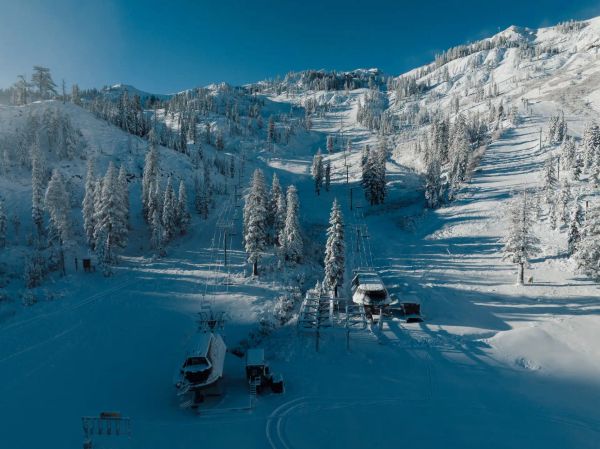
Palisades Tahoe Opens Saturday, Four Days Early, After 26 Inches of New Snow
Palisades Tahoe has pulled its opening forward by four days. Lifts spin this Saturday, 21 November, after 26 inches (66 cm) of new snow, with up to 50 more in the forecast. Opening terrain includes Treeline Cirque at Alpine and Gold Coast and Sunkid 1 at Palisades, though the resort says the weather could change the plan. Tickets are $99 through Tuesday.
18 Nov 2026
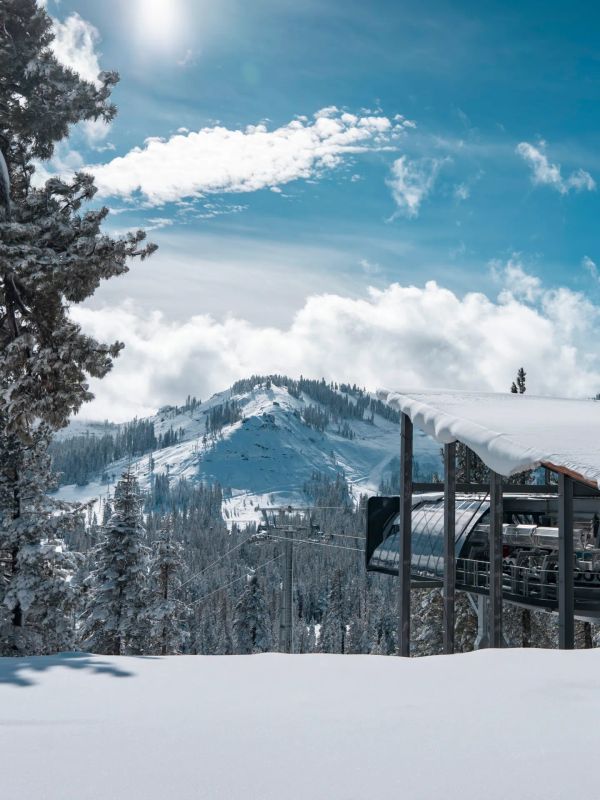
Sugar Bowl Gondola Slips to January 2027 as Opening Day Holds
Sugar Bowl still opens on 27 November, just without its new gondola. The eight-passenger Village Gondola is now targeting January 2027, with all eight towers up, the haul rope on and the first cabin hanging. Until it runs, everyone gets in through the Main Lodge, with curbside drop-off and parking lot shuttles. It replaces the first gondola in the western US, which dates from 1953.
16 Nov 2026
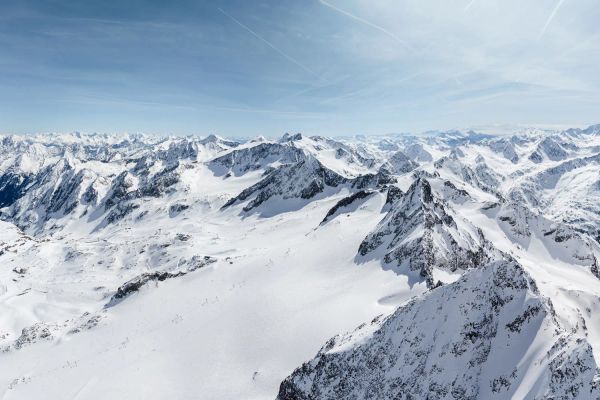
Stubai Glacier Avalanche Ends in Austria’s First Death of the Season
A 72-year-old American skier has died on Stubai Glacier after a small slab avalanche carried him over rocky ground and into a 20-metre crevasse. It is Austria’s first avalanche death of the 2026-27 season, and forecasters had flagged this exact setup two days earlier. Here is what happened near the Daunscharte, and what the snowpack was already telling anyone who was reading it.
15 Nov 2026
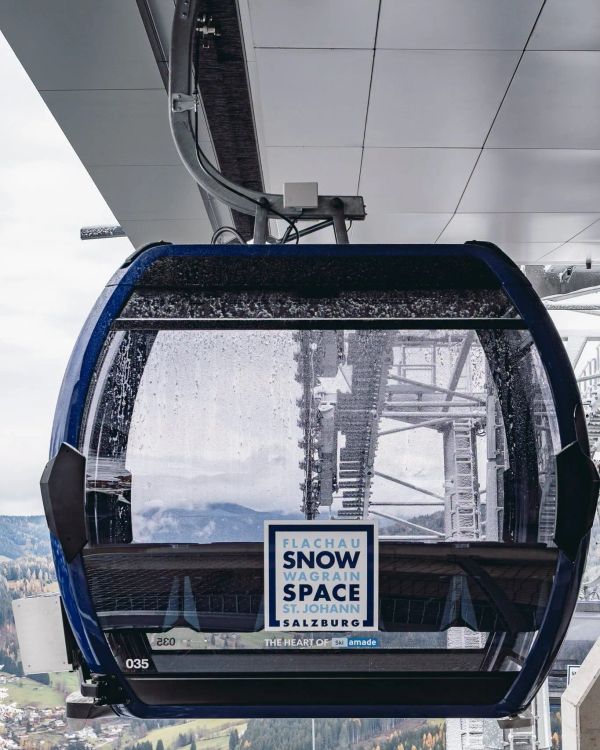
Wagrain’s New Grafenbergbahn Gondola Appears in First Photos
Wagrain’s new Grafenbergbahn is nearly here, and Snow Space Salzburg stamped “no AI” on the first photos, which says plenty about 2026. One 10-person gondola takes over from three old lifts, with 120 cabins moving up to 3,400 people an hour and a mid-station link into the G-Link. Dark blue cabins, fresh snow, no opening date yet.
14 Nov 2026
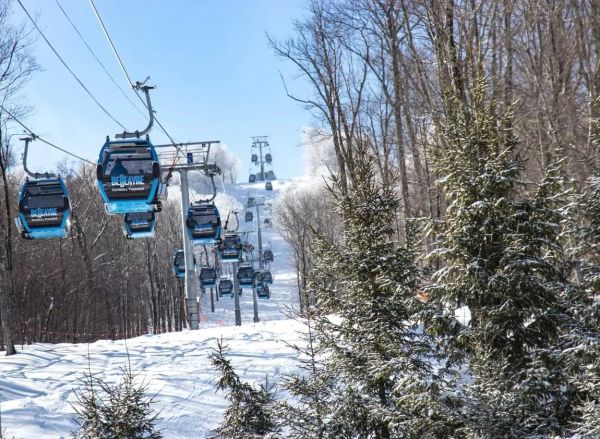
Indy Pass Adds 10 Alpine and 5 Nordic Partners for 2026-27
Indy Pass just got bigger. On 12 November it announced 10 new alpine resorts and 5 Nordic centres for 2026-27, including four in Norway and one in Austria. Three New York State mountains - Whiteface, Gore and Belleayre - also signed on to its Allied Program, with discounted tickets rather than included days. Waitlisted customers are being offered passes, and Learn to Turn news is due this week. Full list inside.
13 Nov 2026
Kitzsteinhorn Resort Lift System
The lift system comprises 24 installations: six gondolas, seven chairlifts (including one aerial tram), one funicular serving the summit, and nine surface lifts scattered across the glacier plateau. The MK Maiskogelbahn, a 10-person gondola built by Leitner, transports 2,800 passengers per hour from Kaprun Center to Maiskogel summit in 12 minutes. The Gletscherjet series (stages 1 through 4) provides the traditional glacier access route from the valley station 6 kilometres outside town.
The 3K K-onnection opened in November 2019 as Salzburg's first tri-cable gondola and the centrepiece of a major infrastructure investment. The 4.3-kilometre lift carries 32 passengers per cabin in ATRIA-designed cars manufactured by Doppelmayr's CWA subsidiary - their world debut deployment. Capacity reaches 2,700 passengers per hour with a maximum speed of 6 metres per second, covering the Maiskogel-to-Langwied connection in nine minutes.
The complete K-onnection system links six consecutive gondolas over 12 kilometres from Kaprun town centre (768 metres) to the TOP OF SALZBURG at 3,029 metres - creating ski-in/ski-out capability for the first time in the resort's history. From Langwied, skiers transfer to Gletscherjet 2, then continue via Gletscherjet 3 and 4 to reach the glacier plateau. The Gletscher Shuttle funicular descends from the Gipfelwelt summit building to the skiing terrain.
A combined installation featuring 8-person chairs and 10-person gondolas with heated seats serves the Langwied area following upgrades in 2016/17. The Kaprun Center multifunction building at the valley station houses ticket offices, a 2,000-locker ski depot, and Bründl Sports rental facilities. Two access routes now operate: the new K-onnection from town or the established Gletscherjet from the dedicated valley station along Kesselfallstraße.
24lifts across 8 types
1
Train
1
Aerial Tram
6
Gondolas
2
8-Person Chairs
3
6-Person Chairs
1
Quad Chair
1
Double Chair
9
T-Bars
Kitzsteinhorn Resort lift system
Kitzsteinhorn Resort is served by 24 lifts, listed here by type. Check which lifts are turning against the live conditions before you plan your first laps - early lifts and high-speed chairs get you to the best snow fastest.
More Kitzsteinhorn Resort intelligence: trail map, snow report, webcams, resort overview.