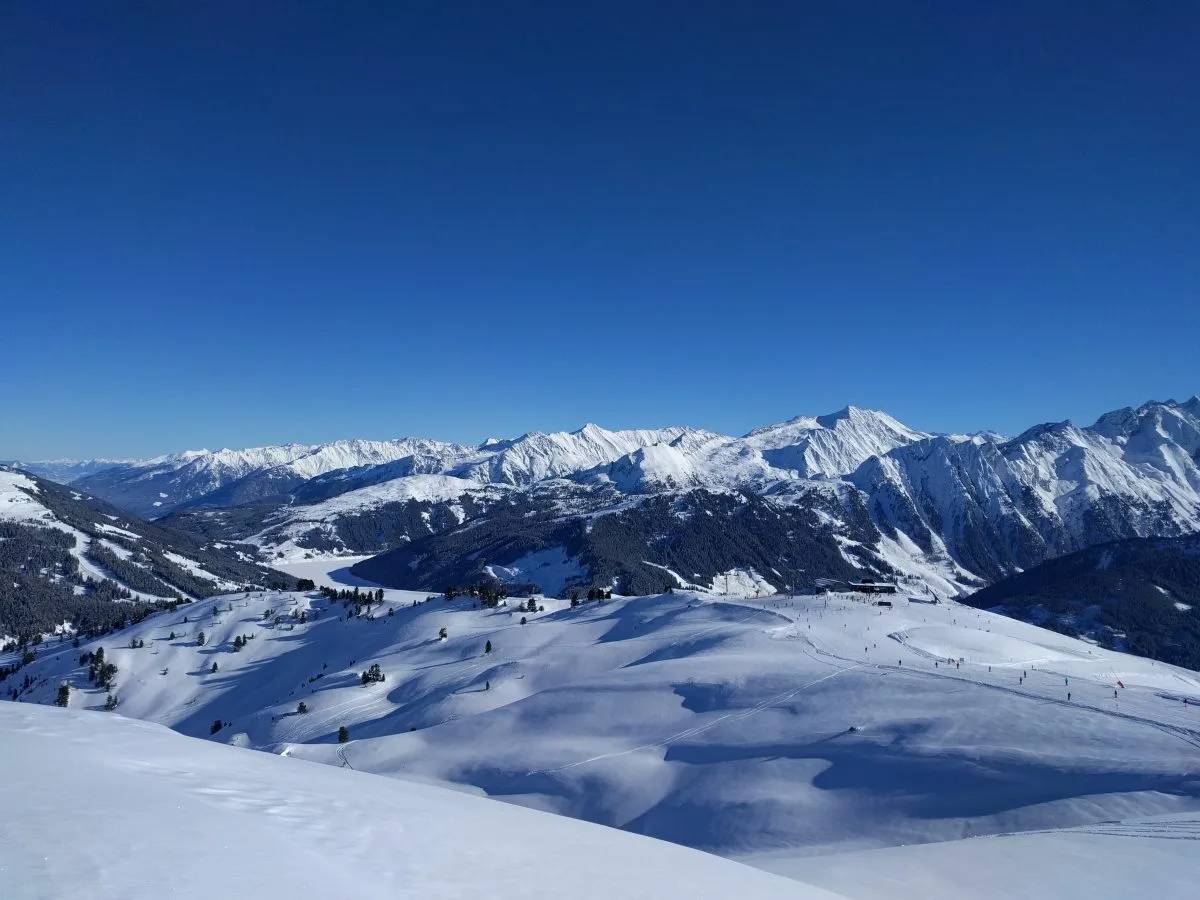
Zillertal Arena
Discover Zillertal Arena's vast network of varied terrain. Experience multiple valleys, modern infrastructure, and authentic Tyrolean atmosphere.

Current Conditions→
Season 2026 - 2027
Opens
4 Dec 2026
Closes
11 Apr 2027
Days open
128
Annual snow
2.7m
Expert review
Michael Fulton
Melbourne-based skier and snowboarder with 50+ resorts across 5 continents. Specialises in Australian resorts and international resort comparisons.
Zillertal Arena: Complete Resort Guide for Beginners and Intermediates
As I stood at the summit of Übergangsjoch gazing across four Austrian villages connected by 150 kilometers of slopes, one thought kept recurring: Zillertal Arena remains surprisingly overlooked by international visitors despite its substantial offerings. After skiing 50+ kilometers across this massive resort in a single day, I understand why locals kept insisting I couldn't miss it during my week exploring the Zillertal Valley.
Having ridden over 45 resorts across five continents, I can confidently say Zillertal Arena offers a distinctive experience. The terrain effectively balances accessibility for newer riders with challenging progression opportunities for intermediates. Unlike other Austrian resorts that seem designed primarily for experts, Zillertal Arena dedicates nearly 90% of its terrain to beginner and intermediate skiers and snowboarders – exactly where the majority of snow sports participants fall.
What makes this resort particularly valuable is how it delivers authentic Austrian character without the international crowds or premium pricing of more famous destinations. Let me share what I discovered during my comprehensive circuit across this surprisingly modern resort with its impressive 1,920-meter vertical drop.
1920m
Vertical
84
Runs
150 km
Piste
2.7m
Annual snow
Zillertal Superskipass
Pass
Watch
See Zillertal Arena in motion
The Terrain
84 runs across 150 km of piste, read by zone
Beginner Terrain Analysis
Zillertal Arena stands out immediately for how it treats beginners with respect rather than relegating them to limited areas near parking lots. The learning experience here centres around two exceptional zones designed specifically for newer riders.
The Arena Center above Gerlos provides the ideal starting environment for first-time skiers and snowboarders. Located mid-mountain with proper snow conditions and spectacular alpine views, this zone features multiple magic carpets and two express six-pack lifts serving exclusively beginner terrain. This central location is where most ski schools operate, giving new riders immediate access to quality instruction and appropriate terrain.
What impressed me most was the intelligent design of the blue runs, which comprise 30% of the resort's terrain. These aren't short, uninspiring patches but proper descents that allow genuine skill development. Beginner snowboarders particularly benefit from the consistent pitch of runs like trail #18 above Zell am Ziller, which avoids the dreaded flat sections that can frustrate those learning to ride.
Key Zillertal Arena Beginner Areas:
- Arena Center (Gerlos) – Mid-mountain learning zone with multiple magic carpets
- Hochkrimml Sector – Concentration of blue trails with express lifts and T-bars
- Run #18 (Zell am Ziller) – Consistent pitch ideal for beginner snowboarders
- Runs #34-32 (Gerlos) – 800 vertical metres of accessible descent
- Runs #53-55 (Königsleiten) – Progressive blues for building confidence
Safety considerations are evident throughout the beginner areas, with clearly marked slow zones and natural terrain separation that keeps faster skiers and snowboarders away from learning zones. The wide design of most blue trails allows nervous beginners ample space to practice turns without feeling crowded or pressured by more experienced riders passing nearby.
The progression potential for beginners is substantial. I observed multiple families with children working methodically from gentler slopes to slightly more challenging blue runs as their confidence grew throughout the day. This natural skill advancement path makes Zillertal Arena particularly valuable for multi-day visits, as newer riders can experience tangible improvement rather than feeling stuck on the same few slopes.
Intermediate Terrain Deep Dive
If there's one rider profile that Zillertal Arena seems designed for, it's the confident intermediate. With a remarkable 59% of terrain designated as red runs, this resort delivers exactly what the majority of skiers and snowboarders actually want – long, well-pitched descents that enable proper technique development without venturing into intimidating expert territory.
Terrain split
84
runs
84 runs across 4 grades
Beginner28 runs · 33%
Intermediate50 runs · 59%
Advanced5 runs · 6%
Expert2 runs · 2%
How it compares
Where Zillertal Arena sits in the landscape
Expert Comparison & Analysis
Positioning Zillertal Arena within the context of other Austrian and international resorts reveals its distinctive value proposition for developing riders. Having experienced dozens of resorts worldwide, I can offer perspective on where this mountain truly stands out.
Zillertal Arena Competitive Advantages:
- Terrain Distribution – 89% beginner/intermediate vs 60-70% at many competitors
- Modern Infrastructure – €160 million investment apparent in lift quality
- Value Proposition – €60 daily pass accesses more terrain than similarly priced alternatives
- Logical Layout – Easier navigation than many larger interconnected resorts
- Snowboard Friendly – Fewer flat traverses and T-bars than typical Austrian resorts
Compared to nearby competitors like Mayrhofen, Zillertal Arena offers a significantly higher percentage of beginner and intermediate terrain. While Mayrhofen attracts attention for its extreme Harakiri slope (Austria's steepest) and vibrant après scene, Zillertal Arena delivers a more comprehensive learning environment with better progression pathways for developing riders.
From an international perspective, Zillertal Arena's approach to beginner and intermediate terrain rivals North American resorts that typically excel in this area. Unlike many European destinations that prioritise advanced terrain, Zillertal Arena's focus on wide, well-groomed runs with consistent pitch creates an environment where skills can develop naturally without intimidation or technical barriers.
Zillertal Arena's most distinctive characteristic is its size-to-accessibility ratio. The 150 kilometres of pistes and 1,920-metre vertical drop provide the scale of a major destination resort, yet the logical layout and modern lift system make it navigable even for less experienced riders. This contrasts with some larger European interconnected areas where simply getting from one sector to another can overwhelm beginners.
For snowboarders specifically, Zillertal Arena offers advantages over many traditional Austrian resorts. The minimal flat sections on major routes, abundance of wide red runs for carving practice, and modern lift system (with fewer drag lifts than many Alpine resorts) create a snowboard-friendly environment that doesn't favour skiers as heavily as some classic destinations.
The honest limitation for expert riders seeking extreme terrain is real but impacts a small percentage of visitors. Those prioritising double-black challenges, extensive off-piste options, or competition-level terrain parks would find more suitable options elsewhere in Austria. However, for the vast majority of snow sports participants – particularly those in progression stages – this limitation is largely irrelevant.
The Verdict
“After experiencing Zillertal Arena's full circuit – from Zell am Ziller through Gerlos to Königsleiten and back – my verdict is clear: this resort delivers substantial value for beginner and intermediate riders while providing sufficient challenges for natural skill progression.”
Michael Fulton
Who Will Thrive At Zillertal Arena:
- First-Time Skiers/Snowboarders – Mid-mountain learning zones with proper snow
- Advancing Beginners – Clear progression paths to more challenging terrain
- Confident Intermediates – Endless red runs with consistent pitch and minimal crowds
- Mixed-Ability Groups – Easy to accommodate different skill levels simultaneously
- Value-Conscious Travellers – Quality experience without premium resort pricing
What struck me most was the authenticity of the experience. Unlike some international destinations that feel sanitised or overly commercialised, Zillertal Arena maintains genuine Austrian character while providing thoroughly modern infrastructure. The combination of traditional mountain huts serving food from centuries-old recipes alongside high-speed heated chairlifts creates an effective blend of heritage and convenience.
For families with developing riders, Zillertal Arena should rank high on any Austrian shortlist. The extensive beginner zones at Arena Center and Hochkrimml provide proper learning environments with dedicated lifts and appropriate terrain. Meanwhile, parents or more advanced family members have ample intermediate options without needing to abandon newer riders to a small learning area.
Mixed-ability groups particularly benefit from the resort layout. With 89% of terrain rated for beginners and intermediates, virtually everyone finds suitable challenges while maintaining the ability to meet for lunch or shared runs on accessible terrain. This solves the common problem of advanced riders being bored while waiting for beginners or beginners feeling pressured to attempt inappropriate terrain.
Snowboarders specifically should note Zillertal Arena's rider-friendly design compared to many traditional European resorts. The minimal flat sections on major routes, prevalence of high-speed chairs and gondolas (versus T-bars), and abundance of wide, well-groomed runs create an environment where board skills can develop naturally without the common frustrations found at some Alpine destinations.
For those planning an Austrian snow sports trip focused on genuine skill development rather than extreme terrain or prestigious resort names, Zillertal Arena merits serious consideration. The combination of extensive terrain, modern infrastructure, authentic atmosphere, and progression-focused design creates an environment where beginner and intermediate riders can experience tangible improvement while enjoying a proper Alpine adventure.
Time it right
When to visit Zillertal Arena
The Zillertal Arena typically operates from early December through mid-April, with the 2025-2026 season scheduled to run from December 6, 2025, to April 19, 2026. This relatively lengthy season is made possible by the resort's elevation range (580m to 2,500m) and extensive snowmaking capabilities, which cover approximately 90km of trails. Early season conditions generally focus on mid-mountain terrain, with upper sections at Übergangsjoch and Königsleiten often providing the most reliable snow coverage during December. By mid-January, the entire 150km network is typically operational, conditions permitting.
Peak season at Zillertal Arena falls into two distinct periods that visitors should note when planning their trips. The Christmas/New Year holiday period (December 20 to January 5) represents the first major peak, with higher prices and increased visitor numbers throughout the resort villages. The second and more sustained peak occurs during February, coinciding with school holidays across much of Europe. During these periods, accommodation prices reach their premium levels, and morning lift queues become more noticeable, particularly at the main access gondolas from Zell am Ziller and Gerlos. For those with flexibility, mid-January and March offer an excellent compromise of reliable snow conditions, typically sunnier weather, and noticeably lower crowd levels, with March often delivering some of winter's best conditions as the snowpack reaches its maximum depth while days grow longer and warmer.
Season 2026 - 2027
4 Dec 2026
Opens
11 Apr 2027
Closes
128
Days open
2.7 m
Annual snow
The record
Historical snowfall at Zillertal Arena
Daily snow reports at Zillertal Arena go back to 2017, 10 winters on the books. Open the record to compare winters, lifts and piste.
80 cm
Snowiest day
7 Jan 2019
74 cm
This winter · 2026-27
so far
274 cm
Typical winter
average of complete seasons
Winter totals
cm
Past wintersThis winter
Plan your trip
Getting to Zillertal Arena, and where to stay
1
Strategic Planning for Developing Riders
Planning strategically at Zillertal Arena can significantly enhance your experience, particularly if you're looking to progress your skills efficiently. Having completed the full resort circuit, I can share some practical insights to optimise your visit.
Daily Planning Tips:
- Morning – Head to Arena Center above Gerlos for ideal learning conditions
- Midday – Explore Teufeltal or runs between Gerlos and Königsleiten
- Afternoon – Save Zell am Ziller for later when other areas get busy
- Cloudy Days – Stick to mid-mountain areas when upper peaks are in clouds
- Base Location – Consider Gerlos as the most centrally located village
For developing riders, timing is crucial. The beginner and learning zones at Arena Center above Gerlos receive morning sun and typically offer optimal conditions earlier in the day. This coincides well with ski school schedules and provides the best visibility for building confidence. Save the Zell am Ziller slopes for afternoon when possible, as they hold better snow later in the day during warmer periods.
Weather considerations significantly impact the beginner and intermediate experience. High elevations around Übergangsjoch (2,500 metres) frequently sit in clouds while mid-mountain areas remain clear – a common pattern according to locals. This makes areas like Arena Center and the mid-mountain red runs more reliable options during mixed weather conditions. The extensive gondola network provides weather protection during stormy periods, allowing learning to continue when chair lifts might close.
2
Accommodation & Value Options:
- Budget-Friendly – Stay in Stumm (15 minutes from lifts) for significant savings
- Maximum Convenience – Gerlos offers central access to all areas
- Family Friendly – Hochkrimml provides quiet, beginner-focused accommodation
- Authentic Experience – Family-run guesthouses with half-board options
- Lift Passes – Consider the Zillertal Super Ski Pass for multi-resort access
The resort's lift infrastructure deserves special attention when planning your day. The impressive €160 million investment in modern lifts is evident throughout the mountain, with many high-speed chairs and gondolas featuring heated seats and weather covers. While constantly removing and reattaching equipment for gondolas can be mildly frustrating, the weather protection and quick mountain access more than compensate for this inconvenience.
For families and mixed-ability groups, the Gerlos base area provides the most convenient access to terrain suitable for all levels. Beginners have direct access to Arena Center via gondola, intermediates can explore extensive red runs in multiple directions, and more advanced riders can venture toward Königsleiten for greater challenges – all while having a central meeting point for lunch or breaks.
Value optimisation is straightforward at Zillertal Arena compared to many international resorts. Daily lift tickets range from €54-64, with multi-day passes offering better value at around €300 for six days. The standout option is the Zillertal Super Ski Pass, which for a minimal premium grants access to all four major ski areas in the valley – Zillertal Arena, Mayrhofen, Hochzillertal-Hochfügen, and Hintertux Glacier – providing tremendous flexibility for longer stays.
Season 2026 - 2027
4 Dec 2026
Opens
11 Apr 2027
Closes
Where to stay
Search all stays →Stays map loads when you scroll here
Hotels and lodges near Zillertal Arena, powered by Stay22.
Latest News
From the SnowStash desk
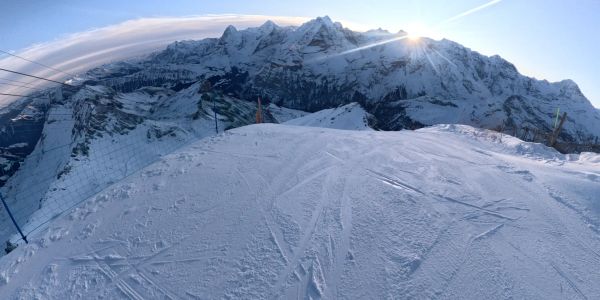
Swiss Avalanche Danger Hits Level 4 From Valais to Glarus
Level 4 of 5 avalanche danger is forecast for Monday 23 November from the Valais Alps to the Glarus Alps, and the SLF says to skip ski touring for now. Engelberg, Leukerbad and the Wildhorn are all on the list, while snow on the Bernina pass sent cars sliding off the road and shut it for two hours on Sunday. Early-season snow is welcome, but it is also what is loading the slopes. Here is where the danger sits and what to do about it.
23 Nov 2026
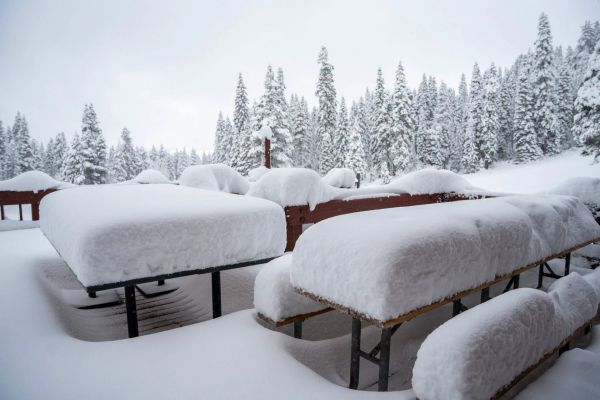
California Storm Cycle Delivers 86 Inches at Sugar Bowl and Pulls Openings Forward
A run of storms, including an atmospheric river, has buried the Sierra Nevada, with Sugar Bowl recording 86 inches (218 cm) between 14 and 20 November. Resorts across California and Nevada have pulled opening days forward after a dismal last winter. Here is what fell, who is open this weekend and what the forecast brings before Thanksgiving.
22 Nov 2026
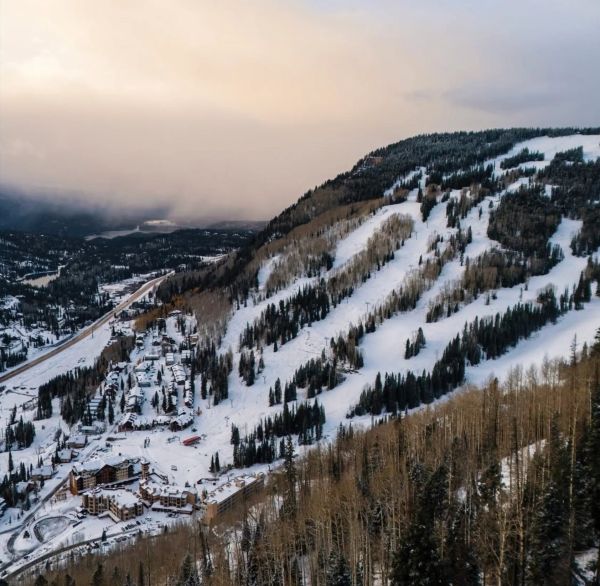
Purgatory Reveals Seven New Trails and a Colorado Couloir Chairlift Opening in December
Purgatory’s new trail map reads like a warning label. Seven new trails named after Dante’s Divine Comedy arrive with the Colorado Couloir chairlift in December, adding around 40 acres (16 ha) of steep pitches and gladed tree skiing. Five of them are black or double black. The resort opens for the season this Friday, 20 November.
19 Nov 2026
Brian Head Becomes First Utah Resort to Open for 2026-27, With Six Trails and a New Snowmaking Pipeline
Utah’s ski season has started, and it began in the south. Brian Head opened on Tuesday, 17 November, with six trails on the Navajo Express after 14 inches (36 cm) of storm snow and another half foot on opening day. It is the second year running the resort has beaten the rest of the state to first chair, and it has put nearly $1 million into a new snowmaking pipeline that can run 24 guns at once.
19 Nov 2026
Heavenly and Northstar Open Friday as Lake Tahoe Snow Stacks Up, With Kirkwood Eyeing an Early Start
Tahoe has gone from dry to deep in a week. Heavenly and Northstar open this Friday, 20 November, with up to 24 inches (61 cm) already down at Kirkwood and 50+ inches (127 cm) in the 10-day forecast. Kirkwood normally waits until December, but this snow might change that. Heavenly is even talking about opening Stagecoach in Nevada early, which almost never happens this soon.
18 Nov 2026
Palisades Tahoe Opens Saturday, Four Days Early, After 26 Inches of New Snow
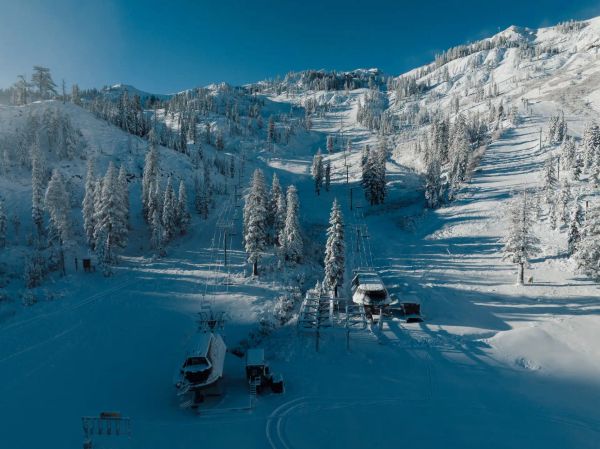
Palisades Tahoe has pulled its opening forward by four days. Lifts spin this Saturday, 21 November, after 26 inches (66 cm) of new snow, with up to 50 more in the forecast. Opening terrain includes Treeline Cirque at Alpine and Gold Coast and Sunkid 1 at Palisades, though the resort says the weather could change the plan. Tickets are $99 through Tuesday.
18 Nov 2026
Sugar Bowl Gondola Slips to January 2027 as Opening Day Holds
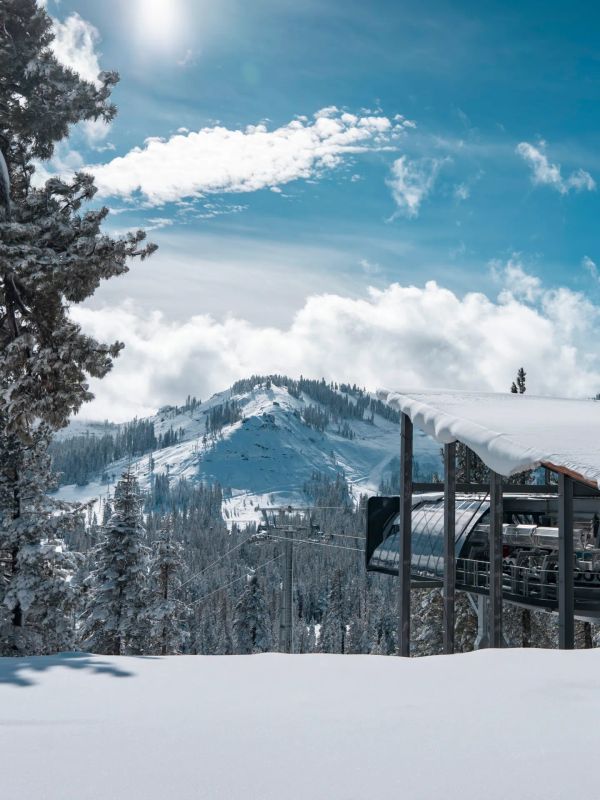
Sugar Bowl still opens on 27 November, just without its new gondola. The eight-passenger Village Gondola is now targeting January 2027, with all eight towers up, the haul rope on and the first cabin hanging. Until it runs, everyone gets in through the Main Lodge, with curbside drop-off and parking lot shuttles. It replaces the first gondola in the western US, which dates from 1953.
16 Nov 2026
Stubai Glacier Avalanche Ends in Austria’s First Death of the Season
A 72-year-old American skier has died on Stubai Glacier after a small slab avalanche carried him over rocky ground and into a 20-metre crevasse. It is Austria’s first avalanche death of the 2026-27 season, and forecasters had flagged this exact setup two days earlier. Here is what happened near the Daunscharte, and what the snowpack was already telling anyone who was reading it.
15 Nov 2026
Zillertal Arena Lift System
Zillertal Arena's impressive lift system showcases Austria's commitment to cutting-edge mountain transport technology, with the resort investing over €160 million in infrastructure improvements over recent years. The network consists of 52 modern lifts capable of transporting 78,000 skiers per hour across the resort's four interconnected villages.
Recent Lift Innovations At Zillertal Arena:
- Teufeltal 8-Seater Chairlift (New for 2024/25) – This state-of-the-art chairlift replaced a previous 4-seater and represents the latest in comfort technology with heated leather seats and weather protection hoods. With a capacity of 2,750 passengers per hour, it significantly improves the connection between Zell am Ziller and Gerlos while reducing wait times.
- Kapuans Express 8-Seater Chairlift – Opened in 2022/23 at a cost of €12 million, this high-speed detachable chairlift moves at 6 metres per second and connects riders directly to Übergangsjoch, the highest point in the Zillertal Arena at 2,502 metres. The lift features heated leather seats and weather protection hoods.
- Wilde Krimml 10-Person Gondola – This modern gondola introduced for the 2023/24 season further improved connections between the resort villages. Designed to operate reliably even in high winds, it features heated seats and spacious cabins for comfortable transportation regardless of weather conditions.
- Duxer X-Press 6-Seater Chairlift (New for 2024/25) – Another recent addition that enhances the resort's lift network with weather protection covers and heated seats, improving access to several key intermediate runs.
The resort continues its modernisation strategy with more upgrades planned, including the Rosenalmbahn renovation scheduled for completion by the 2025/26 winter season, which will feature new 8-person cabins and improved boarding systems.
What particularly stands out about Zillertal Arena's lift network is the high proportion of weather-protected transportation options. The numerous gondolas and bubble-covered chairs with heated seats make the resort exceptionally comfortable even during inclement weather, allowing skiing to continue when other resorts might close lifts due to conditions.
For first-time visitors, it's worth noting that while gondolas provide excellent weather protection, they do require removing and reattaching equipment throughout the day. However, the trade-off in comfort and reliability—especially when accessing higher-altitude areas like Übergangsjoch where conditions can change rapidly—more than compensates for this minor inconvenience.
49lifts across 8 types
1
Aerial Tram
14
Gondolas
3
8-Person Chairs
13
6-Person Chairs
1
Quad Chair
2
Double Chairs
13
T-Bars
2
Surface Lifts
Zillertal Arena lift system
Zillertal Arena is served by 49 lifts, listed here by type. Check which lifts are turning against the live conditions before you plan your first laps - early lifts and high-speed chairs get you to the best snow fastest.
More Zillertal Arena intelligence: trail map, snow report, webcams, resort overview.