
Zillertal Arena
Discover Zillertal Arena's vast network of varied terrain. Experience multiple valleys, modern infrastructure, and authentic Tyrolean atmosphere.
Season 2026 - 2027
Opens
4 Dec 2026
Closes
11 Apr 2027
Days open
128
Annual snow
3m
The Overview
Michael Fulton
Melbourne-based skier and snowboarder with 50+ resorts across 5 continents. Specialises in Australian resorts and international resort comparisons.
Zillertal Arena: Complete Resort Guide for Beginners and Intermediates
As I stood at the summit of Übergangsjoch gazing across four Austrian villages connected by 150 kilometers of slopes, one thought kept recurring: Zillertal Arena remains surprisingly overlooked by international visitors despite its substantial offerings. After skiing 50+ kilometers across this massive resort in a single day, I understand why locals kept insisting I couldn't miss it during my week exploring the Zillertal Valley.
Having ridden over 45 resorts across five continents, I can confidently say Zillertal Arena offers a distinctive experience. The terrain effectively balances accessibility for newer riders with challenging progression opportunities for intermediates. Unlike other Austrian resorts that seem designed primarily for experts, Zillertal Arena dedicates nearly 90% of its terrain to beginner and intermediate skiers and snowboarders – exactly where the majority of snow sports participants fall.
What makes this resort particularly valuable is how it delivers authentic Austrian character without the international crowds or premium pricing of more famous destinations. Let me share what I discovered during my comprehensive circuit across this surprisingly modern resort with its impressive 1,920-meter vertical drop.
1920m
Vertical
84
Runs
150 km
Piste
3m
Annual snow
Zillertal Superskipass
Pass
Watch
See Zillertal Arena in motion
The Terrain
84 runs across 150 km of piste
Beginner Terrain Analysis
Zillertal Arena stands out immediately for how it treats beginners with respect rather than relegating them to limited areas near parking lots. The learning experience here centres around two exceptional zones designed specifically for newer riders.
The Arena Center above Gerlos provides the ideal starting environment for first-time skiers and snowboarders. Located mid-mountain with proper snow conditions and spectacular alpine views, this zone features multiple magic carpets and two express six-pack lifts serving exclusively beginner terrain. This central location is where most ski schools operate, giving new riders immediate access to quality instruction and appropriate terrain.
What impressed me most was the intelligent design of the blue runs, which comprise 30% of the resort's terrain. These aren't short, uninspiring patches but proper descents that allow genuine skill development. Beginner snowboarders particularly benefit from the consistent pitch of runs like trail #18 above Zell am Ziller, which avoids the dreaded flat sections that can frustrate those learning to ride.
Key Zillertal Arena Beginner Areas:
- Arena Center (Gerlos) – Mid-mountain learning zone with multiple magic carpets
- Hochkrimml Sector – Concentration of blue trails with express lifts and T-bars
- Run #18 (Zell am Ziller) – Consistent pitch ideal for beginner snowboarders
- Runs #34-32 (Gerlos) – 800 vertical metres of accessible descent
- Runs #53-55 (Königsleiten) – Progressive blues for building confidence
Safety considerations are evident throughout the beginner areas, with clearly marked slow zones and natural terrain separation that keeps faster skiers and snowboarders away from learning zones. The wide design of most blue trails allows nervous beginners ample space to practice turns without feeling crowded or pressured by more experienced riders passing nearby.
The progression potential for beginners is substantial. I observed multiple families with children working methodically from gentler slopes to slightly more challenging blue runs as their confidence grew throughout the day. This natural skill advancement path makes Zillertal Arena particularly valuable for multi-day visits, as newer riders can experience tangible improvement rather than feeling stuck on the same few slopes.
Intermediate Terrain Deep Dive
If there's one rider profile that Zillertal Arena seems designed for, it's the confident intermediate. With a remarkable 59% of terrain designated as red runs, this resort delivers exactly what the majority of skiers and snowboarders actually want – long, well-pitched descents that enable proper technique development without venturing into intimidating expert territory.
Top Zillertal Arena Intermediate Zones:
- Teufeltal (Devil's Valley) – Newly developed area with peaceful, isolated runs
- Zell am Ziller Front Side – 16 individual red runs with multiple express lifts
- Königsleiten to Gerlos Connection – Runs #39-40a-38 offering 900m vertical
- Brand New Teufeltal 8-seater – Heated leather seats and access to prime carving terrain
- Arena Center Surroundings – Progressive red runs branching from beginner zones
The Teufeltal area behind Kreuzjoch peak exemplifies what makes intermediate riding here distinctive. Despite being just one lift ride from busier central areas, this newly developed sector feels remarkably isolated and peaceful. The brand-new Teufeltal 8-seater lift (complete with heated leather bucket seats) provides access to multiple red runs with consistent pitch perfect for carving practice.
For intermediate snowboarders seeking to develop edge control, run #39 connecting to #40a and #38 between Königsleiten and Gerlos offers an ideal learning environment. The 900-metre vertical descent maintains suitable pitch for building and maintaining speed without becoming intimidatingly steep. The consistent fall line allows riders to focus on technique refinement rather than constantly adjusting to changing terrain.
The Zell am Ziller sector functions as an intermediate haven with 16 individual red runs serviced by multiple express lifts. This concentration of similar difficulty terrain allows riders to focus on specific skills – whether practising carving, speed management, or simply building endurance – across multiple variations without significant technical challenges.
What separates Zillertal Arena's intermediate terrain from many other resorts is the length and quality of these red runs. Rather than short connectors between other difficulty zones, these are substantial descents that reward good technique and provide enough vertical to achieve that satisfying muscle burn that indicates a proper day's riding.
For snowboarders specifically, the resort's layout minimises the flat traverses that can plague riders at other mountains. Most red runs maintain enough pitch for continuous momentum, allowing boarders to focus on edge control rather than constantly unstrapping on flat sections. The wide design of most runs also provides ample space for practising wider carving turns that developing riders need.
Advanced Options
While Zillertal Arena isn't primarily marketed to expert riders, the 11% of terrain designated as black runs provides sufficient challenge for those seeking to push their boundaries. These advanced sections focus more on endurance and commitment than extreme steepness or technical features.
Notable Zillertal Arena Advanced Runs:
- Piste #10 (Wiesenalm to Zell am Ziller) – 2.9km descent with 1,000m vertical drop
- Black #33a (Gerlos Section) – Sudden steepness requiring quick technique adjustments
- Run #36 – Challenging slope dropping into the valley
- Terrain Parks – Modest freestyle features focused on progression
- Off-Piste Areas – Limited but accessible after fresh snowfall
The most notable advanced run is piste #10 from Wiesenalm down to Zell am Ziller – a 2.9-kilometre descent with 1,000 metres of vertical drop. Visible from the valley road as a thin white ribbon slicing down the mountainside, this run develops significant moguls by afternoon and presents genuine challenges even for confident riders. The combination of pitch, length, and evolving snow conditions makes it a proper test rather than a marketing designation.
For snowboarders advancing to black terrain, the resort's grooming practices make a significant difference. While moguls develop on some runs by afternoon (particularly #10), others receive consistent grooming that allows riders to focus on edge control on steeper terrain rather than navigating bumps.
The terrain parks are modest compared to dedicated freestyle resorts but provide sufficient features for developing riders to experiment with jumps, rails, and boxes. The progression-focused design emphasises smaller features that build confidence rather than intimidating pro-level obstacles that remain unused by the majority of visitors.
While experts seeking extreme terrain might find more suitable options elsewhere in Austria, the advanced runs at Zillertal Arena properly fulfill their role in the progression ecosystem. They provide appropriate challenges for developing riders pushing their boundaries without sacrificing the resort's core focus on the beginner and intermediate experience.
Terrain split
84
runs
84 runs across 4 grades
Beginner28 runs · 33%
Intermediate50 runs · 59%
Advanced5 runs · 6%
Expert2 runs · 2%
How it compares
Expert Comparison & Analysis
Positioning Zillertal Arena within the context of other Austrian and international resorts reveals its distinctive value proposition for developing riders. Having experienced dozens of resorts worldwide, I can offer perspective on where this mountain truly stands out.
Zillertal Arena Competitive Advantages:
- Terrain Distribution – 89% beginner/intermediate vs 60-70% at many competitors
- Modern Infrastructure – €160 million investment apparent in lift quality
- Value Proposition – €60 daily pass accesses more terrain than similarly priced alternatives
- Logical Layout – Easier navigation than many larger interconnected resorts
- Snowboard Friendly – Fewer flat traverses and T-bars than typical Austrian resorts
Compared to nearby competitors like Mayrhofen, Zillertal Arena offers a significantly higher percentage of beginner and intermediate terrain. While Mayrhofen attracts attention for its extreme Harakiri slope (Austria's steepest) and vibrant après scene, Zillertal Arena delivers a more comprehensive learning environment with better progression pathways for developing riders.
From an international perspective, Zillertal Arena's approach to beginner and intermediate terrain rivals North American resorts that typically excel in this area. Unlike many European destinations that prioritise advanced terrain, Zillertal Arena's focus on wide, well-groomed runs with consistent pitch creates an environment where skills can develop naturally without intimidation or technical barriers.
Zillertal Arena's most distinctive characteristic is its size-to-accessibility ratio. The 150 kilometres of pistes and 1,920-metre vertical drop provide the scale of a major destination resort, yet the logical layout and modern lift system make it navigable even for less experienced riders. This contrasts with some larger European interconnected areas where simply getting from one sector to another can overwhelm beginners.
For snowboarders specifically, Zillertal Arena offers advantages over many traditional Austrian resorts. The minimal flat sections on major routes, abundance of wide red runs for carving practice, and modern lift system (with fewer drag lifts than many Alpine resorts) create a snowboard-friendly environment that doesn't favour skiers as heavily as some classic destinations.
The honest limitation for expert riders seeking extreme terrain is real but impacts a small percentage of visitors. Those prioritising double-black challenges, extensive off-piste options, or competition-level terrain parks would find more suitable options elsewhere in Austria. However, for the vast majority of snow sports participants – particularly those in progression stages – this limitation is largely irrelevant.
The Verdict
Michael Fulton
Bottom Line Expert Verdict
After experiencing Zillertal Arena's full circuit – from Zell am Ziller through Gerlos to Königsleiten and back – my verdict is clear: this resort delivers substantial value for beginner and intermediate riders while providing sufficient challenges for natural skill progression.
Who Will Thrive At Zillertal Arena:
- First-Time Skiers/Snowboarders – Mid-mountain learning zones with proper snow
- Advancing Beginners – Clear progression paths to more challenging terrain
- Confident Intermediates – Endless red runs with consistent pitch and minimal crowds
- Mixed-Ability Groups – Easy to accommodate different skill levels simultaneously
- Value-Conscious Travellers – Quality experience without premium resort pricing
What struck me most was the authenticity of the experience. Unlike some international destinations that feel sanitised or overly commercialised, Zillertal Arena maintains genuine Austrian character while providing thoroughly modern infrastructure. The combination of traditional mountain huts serving food from centuries-old recipes alongside high-speed heated chairlifts creates an effective blend of heritage and convenience.
For families with developing riders, Zillertal Arena should rank high on any Austrian shortlist. The extensive beginner zones at Arena Center and Hochkrimml provide proper learning environments with dedicated lifts and appropriate terrain. Meanwhile, parents or more advanced family members have ample intermediate options without needing to abandon newer riders to a small learning area.
Mixed-ability groups particularly benefit from the resort layout. With 89% of terrain rated for beginners and intermediates, virtually everyone finds suitable challenges while maintaining the ability to meet for lunch or shared runs on accessible terrain. This solves the common problem of advanced riders being bored while waiting for beginners or beginners feeling pressured to attempt inappropriate terrain.
Snowboarders specifically should note Zillertal Arena's rider-friendly design compared to many traditional European resorts. The minimal flat sections on major routes, prevalence of high-speed chairs and gondolas (versus T-bars), and abundance of wide, well-groomed runs create an environment where board skills can develop naturally without the common frustrations found at some Alpine destinations.
For those planning an Austrian snow sports trip focused on genuine skill development rather than extreme terrain or prestigious resort names, Zillertal Arena merits serious consideration. The combination of extensive terrain, modern infrastructure, authentic atmosphere, and progression-focused design creates an environment where beginner and intermediate riders can experience tangible improvement while enjoying a proper Alpine adventure.
Time it right
When to visit Zillertal Arena
The Zillertal Arena typically operates from early December through mid-April, with the 2025-2026 season scheduled to run from December 6, 2025, to April 19, 2026. This relatively lengthy season is made possible by the resort's elevation range (580m to 2,500m) and extensive snowmaking capabilities, which cover approximately 90km of trails. Early season conditions generally focus on mid-mountain terrain, with upper sections at Übergangsjoch and Königsleiten often providing the most reliable snow coverage during December. By mid-January, the entire 150km network is typically operational, conditions permitting.
Peak season at Zillertal Arena falls into two distinct periods that visitors should note when planning their trips. The Christmas/New Year holiday period (December 20 to January 5) represents the first major peak, with higher prices and increased visitor numbers throughout the resort villages. The second and more sustained peak occurs during February, coinciding with school holidays across much of Europe. During these periods, accommodation prices reach their premium levels, and morning lift queues become more noticeable, particularly at the main access gondolas from Zell am Ziller and Gerlos. For those with flexibility, mid-January and March offer an excellent compromise of reliable snow conditions, typically sunnier weather, and noticeably lower crowd levels, with March often delivering some of winter's best conditions as the snowpack reaches its maximum depth while days grow longer and warmer.
Season 2026 - 2027
4 Dec 2026
Opens
11 Apr 2027
Closes
128
Days open
3 m
Annual snow
Getting there
Getting to Zillertal Arena, and where to stay
Strategic Planning for Developing Riders
Planning strategically at Zillertal Arena can significantly enhance your experience, particularly if you're looking to progress your skills efficiently. Having completed the full resort circuit, I can share some practical insights to optimise your visit.
Daily Planning Tips:
- Morning – Head to Arena Center above Gerlos for ideal learning conditions
- Midday – Explore Teufeltal or runs between Gerlos and Königsleiten
- Afternoon – Save Zell am Ziller for later when other areas get busy
- Cloudy Days – Stick to mid-mountain areas when upper peaks are in clouds
- Base Location – Consider Gerlos as the most centrally located village
For developing riders, timing is crucial. The beginner and learning zones at Arena Center above Gerlos receive morning sun and typically offer optimal conditions earlier in the day. This coincides well with ski school schedules and provides the best visibility for building confidence. Save the Zell am Ziller slopes for afternoon when possible, as they hold better snow later in the day during warmer periods.
Weather considerations significantly impact the beginner and intermediate experience. High elevations around Übergangsjoch (2,500 metres) frequently sit in clouds while mid-mountain areas remain clear – a common pattern according to locals. This makes areas like Arena Center and the mid-mountain red runs more reliable options during mixed weather conditions. The extensive gondola network provides weather protection during stormy periods, allowing learning to continue when chair lifts might close.
Accommodation & Value Options:
- Budget-Friendly – Stay in Stumm (15 minutes from lifts) for significant savings
- Maximum Convenience – Gerlos offers central access to all areas
- Family Friendly – Hochkrimml provides quiet, beginner-focused accommodation
- Authentic Experience – Family-run guesthouses with half-board options
- Lift Passes – Consider the Zillertal Super Ski Pass for multi-resort access
The resort's lift infrastructure deserves special attention when planning your day. The impressive €160 million investment in modern lifts is evident throughout the mountain, with many high-speed chairs and gondolas featuring heated seats and weather covers. While constantly removing and reattaching equipment for gondolas can be mildly frustrating, the weather protection and quick mountain access more than compensate for this inconvenience.
For families and mixed-ability groups, the Gerlos base area provides the most convenient access to terrain suitable for all levels. Beginners have direct access to Arena Center via gondola, intermediates can explore extensive red runs in multiple directions, and more advanced riders can venture toward Königsleiten for greater challenges – all while having a central meeting point for lunch or breaks.
Value optimisation is straightforward at Zillertal Arena compared to many international resorts. Daily lift tickets range from €54-64, with multi-day passes offering better value at around €300 for six days. The standout option is the Zillertal Super Ski Pass, which for a minimal premium grants access to all four major ski areas in the valley – Zillertal Arena, Mayrhofen, Hochzillertal-Hochfügen, and Hintertux Glacier – providing tremendous flexibility for longer stays.
Where to stay
Search all stays →Hotels and lodges near Zillertal Arena, powered by Stay22.
Latest News
From the SnowStash desk
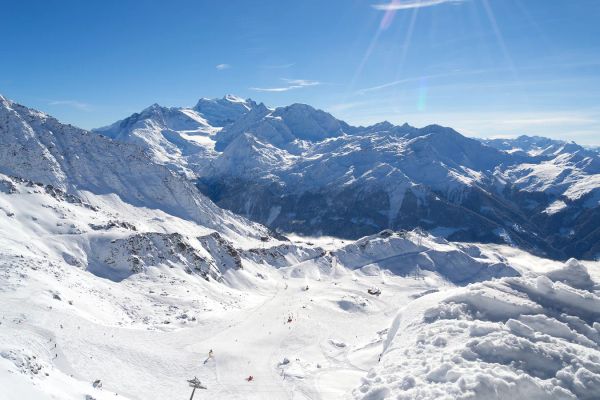
Alps Snow Forecast: Up to 64 cm Headed for the High Glaciers as the Snow Line Drops
The Alps are about to swap mild, sunny October weather for something far more wintry. A cold front arrives Tuesday, and SnowStash forecasts have Monterosa Ski out in front with 64 cm over 14 days, ahead of Blatten Belalp (55 cm) and Verbier (43 cm). The snow line should fall below 2000 metres by Wednesday night, and glaciers across Switzerland, Italy and Austria are in line for the best of it. The wind will have a say too.
20 Oct 2026
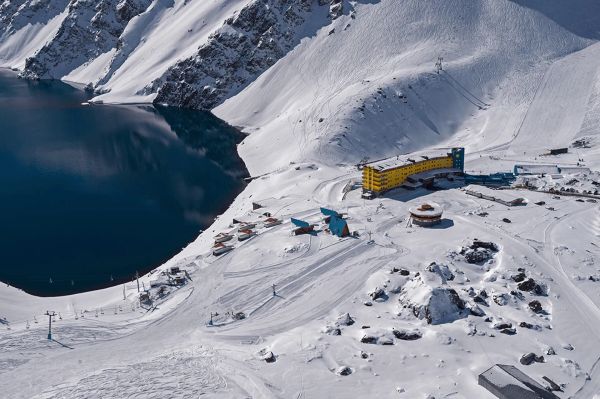
Four Dead After Avalanche Near Ski Portillo in Chile
A large avalanche struck near Laguna del Inca adjacent to Ski Portillo on Saturday afternoon, killing four people and injuring four others. The group were day visitors mountaineering in the backcountry after reportedly being warned about elevated avalanche risk by resort staff.
18 Oct 2026
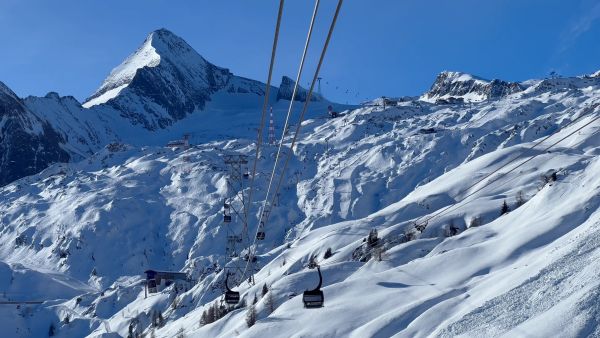
Europe Ski Resorts Open Now: What Is Skiable in Mid-October 2026
Europe’s ski season is open, technically. After a record-warm summer, glaciers in Austria, Switzerland and Italy are running a few pistes apiece, Sölden, Stubai and Kitzsteinhorn started late, Titlis has pushed back to 24 October, and Zermatt reopens a few lifts on 14 October after more than two months shut. Finland’s Levi and Ruka are skiing on stored snow. Here is what is open, and what you actually get at each.
14 Oct 2026
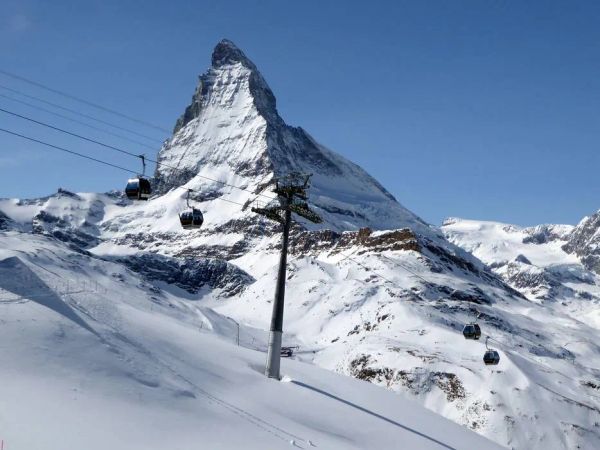
Zermatt Plans World Cup Downhill Return on the Gornergrat for 2028
Zermatt is having another crack at a World Cup downhill, and this time nobody has to cross a border. Around 13 million Swiss francs is going into rebuilding the Gornergrat piste, including a jump fed by a roughly 300-metre in-run across the roof of the Gornergrat Railway gallery, with the Matterhorn lined up behind it for the TV cameras. First men’s race is pencilled in for March 2028, pending FIS homologation.
14 Oct 2026
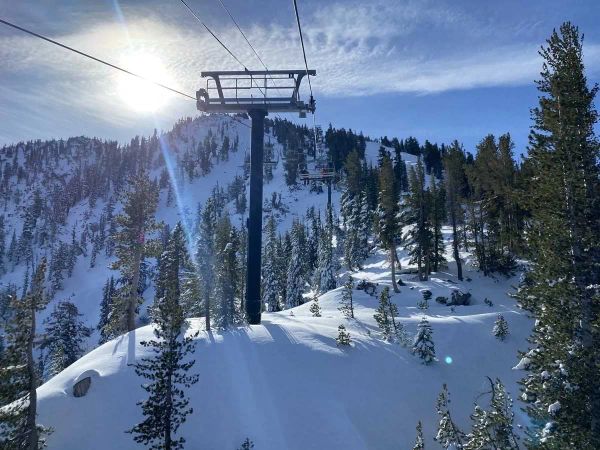
Mt. Rose Begins Snowmaking for the 2026-27 Season at Lake Tahoe
Lake Tahoe’s highest base elevation is paying off early: Mt. Rose has started making snow for 2026-27 after the first flurries and a cold snap. The Nevada resort is backing it with nearly US$2 million in upgrades, including a replacement snowmaking main line, a new PistenBully groomer and restraint bars on every lift. Opening day is yet to be confirmed, though Heavenly and Northstar are already eyeing 20 November.
13 Oct 2026
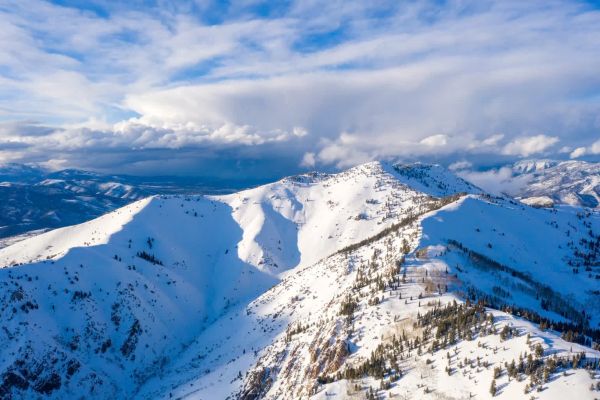
Utah Ski Resorts 2026-27: What’s New at Alta, Deer Valley, Powder Mountain and More
Utah is still building flat out. For 2026-27, Powder Mountain opens a steep new Skytrac chair into more than 1,000 acres of advanced terrain, Deer Valley adds 200 acres on Hail Peak, Sundance gets a new quad and Park City adds a gondola from its new parking structure. Snowmaking is expanding almost everywhere, Eagle Point stays closed after the Cottonwood Fire, and the 2034 Games are setting the pace. Here’s what’s new, resort by resort.
13 Oct 2026
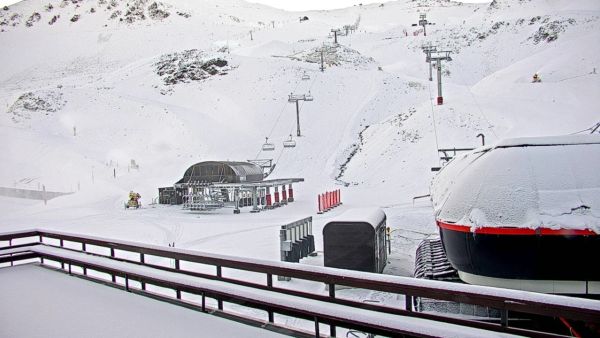
Mt Hutt Invests NZ$12 Million in Base Area, Tripling Its Sun Deck
Mt Hutt is getting busier, and its base lodge is about to catch up. NZ$12 million goes into a heated sun deck roughly three times the current size (430 m² to 1,300 m²), plus a new toilet block, heated steps down to snow level, extra storage and a new food and beverage outlet. Building starts after the 2026 season, with everything due for winter 2027.
11 Oct 2026
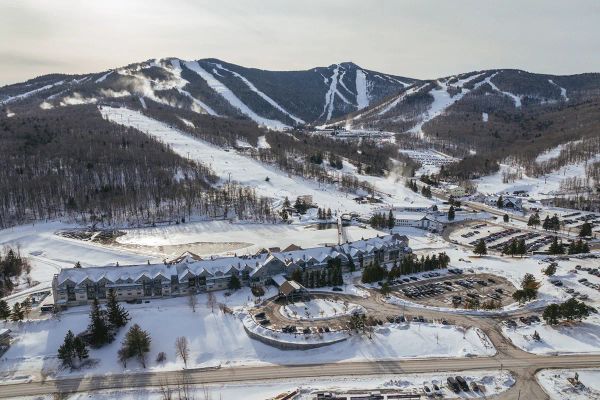
Vermont Ski Resort Opening Dates 2026-27: Few Dates Set, Killington Waits on the Cold
Vermont's season is slow to take shape. Stratton is tentatively targeting 18 November and Sugarbush 21 November, while Pico has Friday 11 December on the calendar. Killington never sets a date and opens when the snowmaking allows, and Vail Resorts has yet to name days for Stowe, Okemo and Mount Snow. The forecasts disagree about snow, and the main El Niño worry for the Green Mountains is warmth.
9 Oct 2026
Zillertal Arena Snow Report
Snow Report
Updated 22 Oct 2026
2500m
summit
+0cm
new snow · last 24 hours
Clear6°C / 11°C · E 9km/h
Snowfall
24 hours
0cm
48 hours
0cm
7 days
0cm
Base depth
0cm
Season total
49cm
Total lifts49
Live open status isn’t available right now.
4 Dec 2026 - 11 Apr 2027
Hour by Hour
Next 43 hours· Updated Oct 22, 2026 at 6:02 PM
Scroll for the full outlook · Open-Meteo
7-Day Outlook
2,500 mUpdated Oct 22, 2026 at 6:02 PMOpen-Meteo
Days 1–7
0.0cm
Days 8–14
0.0cm
Thu, Oct 22
Slight Rain
Temp11° / 6°°C
Snow0.0cm(100%)
Wind9 km/h E
Live snow from the resort feed; forecast from Open-Meteo, via Supabase.
Understanding the Zillertal Arena snow report
Track current conditions at Zillertal Arena in Austria. This report covers snowfall totals, base and summit depth, and the forecast across 84 runs.
Snow measurements
Snow depth at Zillertal Arena is tracked at both the base and summit, since the two elevations often see different totals — roughly a 1920m difference here. We report fresh snowfall over the last 24 hours and 7 days alongside the running season total, in both metric and imperial units.
Weather conditions
Snow quality tracks closely with temperature and wind. We surface both alongside the snowfall data so you can judge whether conditions at Zillertal Arena are holding up or starting to soften.
Data sources
Snowfall and depth figures for Zillertal Arena come from official mountain sources; weather and outlook data comes from independent forecasting services. The mountain is served by 49 lifts, including an aerial tram and 3 8-person chairlifts.
When to check
The biggest swings usually happen right after a storm. Check Zillertal Arena's report in the morning for the freshest numbers, and again in the afternoon as conditions evolve.