
The Overview
Spitzingsee-Tegernsee delivers one of Bavaria's most accessible and diverse skiing experiences, with 35km of varied terrain surrounding a beautiful Alpine lake. This historic resort combines excellent family-friendly slopes with challenging steeps, all set against spectacular mountain backdrops. Despite being just 60km from Munich, Spitzingsee maintains authentic Alpine character and reliable snow conditions throughout winter, making it perfect for everything from quick day trips to extended mountain holidays.
600m
Vertical
9
Runs
14.2 km
Piste
3m
Annual snow
The Terrain
9 runs across 14.2 km of piste
Spitzingsee-Tegernsee is a small but steeper-than-average Bavarian ski area south of Munich, with nine runs over 14.2 kilometres from 980 to 1,580 metres, a vertical of 600 metres. The grading leans firmly towards harder terrain than most German hills: 12% beginner, 58% intermediate and 30% advanced. Two quad chairs, a double chair and five T-bars connect the slopes, and the area can be entered from either side of the ridge, from Spitzingsee or from Rottach-Egern above Lake Tegernsee, which gives it two quite different starting points for a day on the snow.
Stümpfling is the main slope for relaxed cruising, and the lower Firstalm area has a funslope with small kickers and boxes. For harder skiing, the Roßkopf double chair leads to the short, steep Roßkopf descent and the long black Grünsee run, the two pistes that give the area its edge. With only nine runs, repeat laps are part of the deal, so it works best as a day out for confident intermediates and advanced skiers wanting steeper groomers close to Munich. Beginners are better served on the gentler slopes nearby.
Terrain split
9
runs
9 runs across 4 grades
Beginner1 run · 12%
Intermediate5 runs · 58%
Advanced3 runs · 30%
Expert0 runs · 0%
Time it right
When to visit Spitzingsee-Tegernsee
The ski season at Spitzingsee typically extends from December through March, with the most reliable conditions in January and February. The resort benefits from its position in one of Bavaria's snowiest regions, receiving substantial natural snowfall supplemented by extensive snowmaking coverage. The predominantly north-facing slopes maintain excellent snow quality throughout the season, often delivering good skiing conditions when lower regions struggle. The microclimate created by Spitzingsee lake frequently enhances snowfall patterns during winter storms.
Season 2026 - 2027
5 Dec 2026
Opens
31 Mar 2027
Closes
116
Days open
3 m
Annual snow
Getting there
Getting to Spitzingsee-Tegernsee, and where to stay
Situated in Upper Bavaria approximately 60km south of Munich, Spitzingsee-Tegernsee offers exceptional accessibility while maintaining an authentic Alpine atmosphere. The resort surrounds the picturesque Spitzingsee lake at 1,084m, with stunning mountain scenery creating a dramatic backdrop. This convenient location makes it extremely popular for day trips and weekend escapes from Munich. The beautiful Tegernsee valley below provides additional accommodation options in historic lakeside towns known for their traditional Bavarian architecture and excellent dining options.
Where to stay
Search all stays →Hotels and lodges near Spitzingsee-Tegernsee, powered by Stay22.
Latest News
From the SnowStash desk
California Ski Resort Opening Dates 2026-27: Mammoth Leads, Tahoe Follows
Mammoth Mountain is first up in California, targeting Friday 13 November after a dusting of September snow. Heavenly and Northstar follow on 20 November, Palisades Tahoe on Wednesday 25 November and Sugar Bowl on 27 November, with Kirkwood on 4 December and June Mountain on 19 December. Plenty of smaller areas have no date yet. A super El Niño favours the Sierra, but a warmer storm track is the catch.
7 Oct 2026
Colorado Ski Resort Opening Dates 2026-27: A-Basin and Keystone Race to Be First
Arapahoe Basin, Keystone and Winter Park are all chasing an October start, though none has a firm date yet. The first dated openers are Breckenridge and Copper on Friday 6 November, then Vail on 13 November, with most of the rest bunched around US Thanksgiving. Hesperus did not open at all last season. A super El Niño offers hope but no guarantee, and forecasters say the southern mountains have the better odds.
5 Oct 2026
Dolomiti Superski 2026-27: Four New Gondolas, New Reservoirs and an €89 Peak Day Pass
Dolomiti Superski is spending around €100 million across its 12 areas before winter. Kronplatz gets a new 10-passenger gondola with a middle station, 3 Zinnen gets Helmissimo, and Val di Fassa swaps a chairlift for a gondola above Col Valvacin. New water-storage basins and upgraded snowmaking follow, and construction has started on the San Martino to Passo Rolle link. A peak adult day pass is €89.
4 Oct 2026
Utah Ski Resort Opening Dates 2026-27: Brian Head First, Eagle Point Out
Brian Head is targeting 6 November, though last year it aimed for 7 November and did not open until the 25th. Park City, Alta and Solitude are pencilled in for 20 November, Snowbird and Snowbasin for 27 November, and Deer Valley for 5 December. Eagle Point will stay closed after the Cottonwood Fire. A super El Niño is forecast, but the big snow is not expected until January.
4 Oct 2026
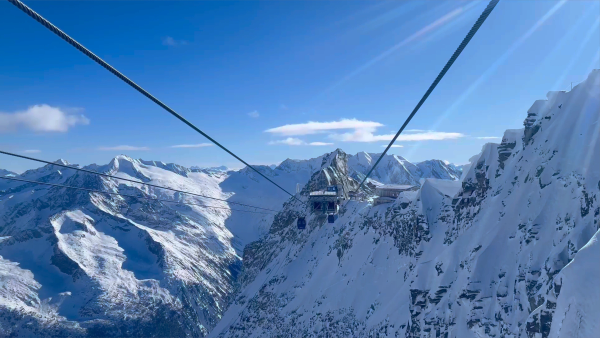
Hintertux Glacier Opens for 2026-27 With 12 Kilometres of Piste
Hintertux became Austria's second glacier to open for 2026-27 on Friday 2 October, after the Pitztal Glacier. Twelve kilometres of piste are running around the Olperer and Gefrorene Wand, served by one gondola and two drag lifts, with the Betterpark also open. Lifts officially run 8:15 am to 4:30 pm, but skiing stops at 2 pm for now.
4 Oct 2026
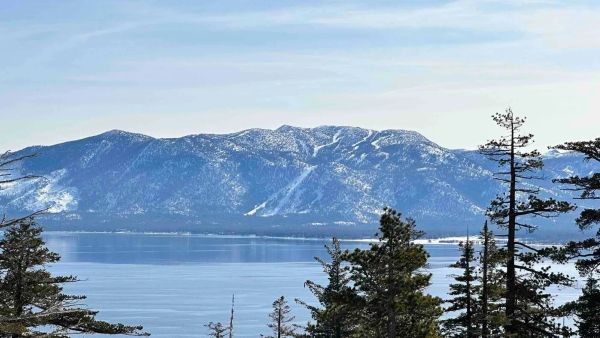
Vail Resorts Counts the Cost of a Thin Winter as Pass Sales Slide Further
A historically poor western winter cut Vail Resorts' annual net income from $280 million to $147.5 million and skier visits by 13.4 per cent. Now 2026-27 pass units are down 12 per cent as of 18 September, worse than the 10 per cent flagged in spring. Vail blames the weather and thinks some buyers are simply waiting, and it forecasts a rebound if the snow behaves.
3 Oct 2026
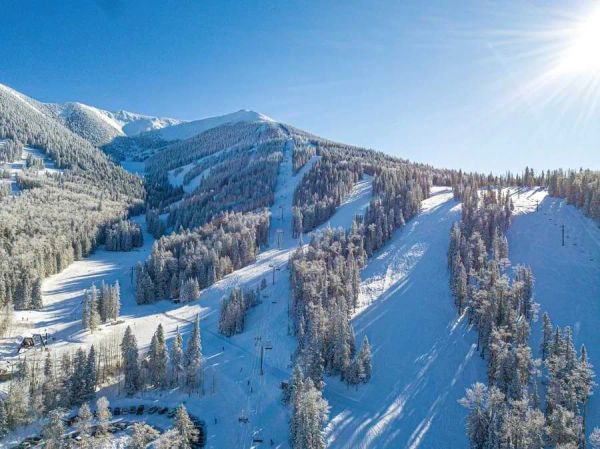
Arizona Snowbowl's $1 Lift Tickets Are Hard to Find, but $9 Days Are Not
Arizona Snowbowl advertised eight $1 lift ticket days this winter. Go looking and only three are showing - 10 March, 1 April and 10 April - so the rest may already have gone. The consolation is a calendar full of $9 days, including all but one day in April. Opening day is 20 November, weather permitting, and opening weekend is $19.
2 Oct 2026
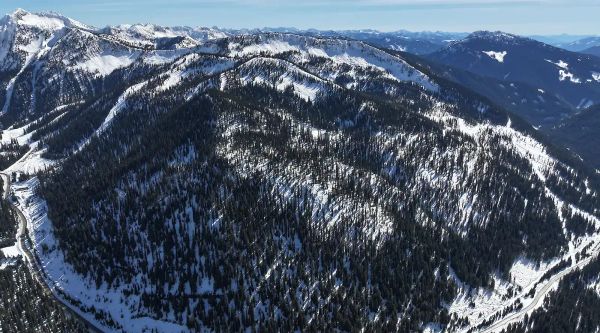
Whitewater Brings Its Short Side Inbounds, With Six New Runs for 2026-27
For years, Whitewater's Short Side was where you ducked a rope and hoped for the best: unmapped, ungroomed and unpatrolled. This winter it's inbounds. Six new runs of glades and fall-line skiing add 190 acres (about 77 hectares), taking the resort past 1,400 acres in total. F2 Logging spent a month in the trees to make it happen, and opening day is pencilled in for 4 December. Bonanza now needs less snow to groom, too.
1 Oct 2026
Spitzingsee-Tegernsee Snow Report
Snow Report
Updated 8 Oct 2026
1580m
summit
+0cm
new snow · last 24 hours
Slight Rain Showers3°C / 9°C · W 12km/h
Snowfall
24 hours
0cm
48 hours
0cm
7 days
0cm
Base depth
0cm
Season total
0cm
Total lifts8
Live open status isn’t available right now.
5 Dec 2026 - 31 Mar 2027
Hour by Hour
Next 38 hours· Updated Oct 8, 2026 at 6:02 PM
Scroll for the full outlook · Open-Meteo
7-Day Outlook
1,580 mUpdated Oct 8, 2026 at 6:02 PMOpen-Meteo
Days 1–7
0.0cm
Days 8–14
29cm
Fri, Oct 9
Rain
Temp9° / 3°°C
Snow0.0cm(100%)
Wind12 km/h W
Live snow from the resort feed; forecast from Open-Meteo, via Supabase.
Understanding the Spitzingsee-Tegernsee snow report
Track current conditions at Spitzingsee-Tegernsee in Germany. This report covers snowfall totals, base and summit depth, and the forecast across 9 runs.
Snow measurements
Base depth, summit depth, and recent snowfall are the core numbers to watch. At Spitzingsee-Tegernsee, summit conditions (1580m) can differ noticeably from the base, so we break both out separately rather than showing a single average.
Weather conditions
Wind and temperature swings matter as much as fresh snowfall. Cold, calm conditions hold snow quality well, while wind-loading or a warm-up can change things quickly — especially given the elevation spread between Spitzingsee-Tegernsee's base and summit.
Data sources
Spitzingsee-Tegernsee snow data is collected through a combination of on-mountain reports and weather forecasting services, giving you both official resort updates and independent forecast data in one place. The mountain is served by 8 lifts, including 2 quad chairlifts.
When to check
The biggest swings usually happen right after a storm. Check Spitzingsee-Tegernsee's report in the morning for the freshest numbers, and again in the afternoon as conditions evolve.