Season 2026 - 2027
Opens
19 Dec 2026
Closes
21 Mar 2027
Days open
92
Annual snow
0.6m
The Overview
400m
Vertical
12
Runs
12.7 km
Piste
0.6m
Annual snow
The Terrain
12 runs across 12.7 km of piste
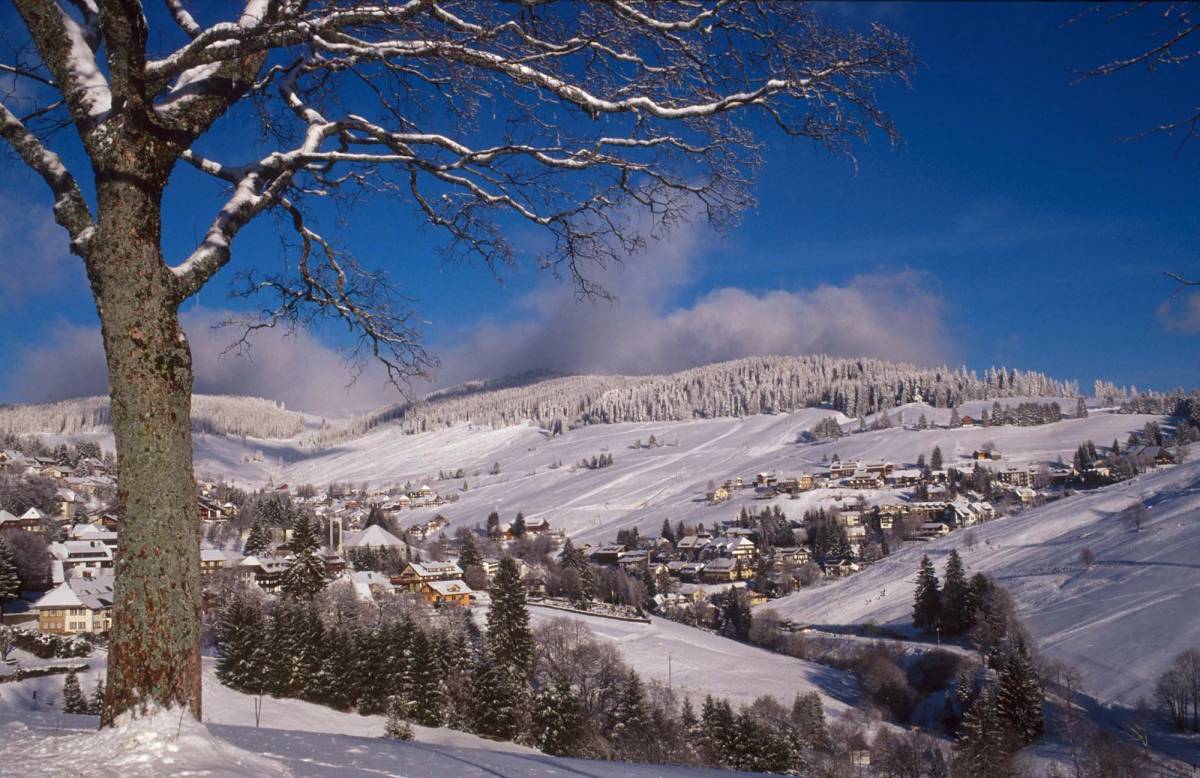
Todtnauberg is a modest Black Forest ski area on the southern side of the Feldberg, with 12 runs over 12.7 kilometres from 1,000 to 1,400 metres, a vertical of 400 metres. The Sanity grading is 27% beginner and 73% intermediate, and there are no advanced or expert pistes, so the character is steady rather than steep. Five lifts, four T-bars and one other surface lift, carry skiers up, and none of them is a chair. That makes for a traditional, no-frills Schwarzwald experience where the pace is deliberately unhurried.
Red runs line the mountain and the Stübenwasen lift is the longest tow on the hill. Kapellenlift is floodlit on certain evenings, which makes Todtnauberg a good option for after-work skiing from Freiburg and Basel. Beginners will find easier ground, but the most natural fit is the intermediate who wants sunny, well-groomed terrain without crowds. Advanced skiers should look at larger areas, since there is nothing here designed to test them. Treat it as a friendly local hill with a tidy mix of cruisers and a relaxed feel.
Terrain split
12
runs
12 runs across 4 grades
Beginner3 runs · 27%
Intermediate9 runs · 73%
Advanced0 runs · 0%
Expert0 runs · 0%
Time it right
When to visit Todtnauberg
Todtnauberg's season typically runs 19 Dec 2026 to 21 Mar 2027, roughly 92 days on snow. Check the live conditions before locking in your dates.
Season 2026 - 2027
19 Dec 2026
Opens
21 Mar 2027
Closes
92
Days open
0.6 m
Annual snow
The record
Historical snowfall at Todtnauberg
Daily snow reports at Todtnauberg go back to 2017, 10 winters on the books. Open the record to compare winters, lifts and piste.
60 cm
Snowiest day
29 Dec 2017
12 cm
This winter · 2026-27
so far
54 cm
Typical winter
average of complete seasons
Winter totals
cm
Past wintersThis winter
Getting there
Getting to Todtnauberg, and where to stay
Located in Baden-Württemberg approximately 160km south of Stuttgart and 40km from Freiburg, Todtnauberg offers an accessible mountain escape in Germany's beautiful Black Forest. The resort sits adjacent to the charming village of Todtnauberg, surrounded by pristine woodland and traditional farmhouses. This convenient location makes it easily reachable for day trips and weekend visits from major cities. The surrounding region offers excellent cross-country skiing, winter hiking trails, and access to the spectacular Feldberg mountain, creating diverse winter activities beyond downhill skiing.
Where to stay
Search all stays →Hotels and lodges near Todtnauberg, powered by Stay22.
Good to know
Frequently asked
When is Todtnauberg's ski season?
Todtnauberg's 2026 - 2027 season typically runs from December 19 through March 21. That window is roughly 92 calendar days, though daily operations depend on snow cover, weather, and lift maintenance.
Resorts in Germany, Europe often announce firm dates closer to winter; check the live snow report before you travel if you are planning around opening weekend or spring closure.
How much skiable terrain does Todtnauberg have?
Todtnauberg lists about 12.7 km of piste of marked terrain spread across 12 named runs. That footprint is what most riders experience on a lift-served day. Side-country or hike-to terrain may sit outside these published numbers.
Use the trail map to see how the mountain is laid out and where the longest fall-line runs connect back to base.
What is the terrain like at Todtnauberg?
Trail grading at Todtnauberg breaks down roughly as 27% beginner, 73% intermediate. The mix is balanced enough for mixed-ability groups, so learners can stay on marked green/blue (Blue/Red) terrain while stronger skiers peel off to steeper pitches.
Percentages describe the resort's published piste mix, not vertical metres. A mountain with modest "expert" stats can still feel demanding if the steep terrain is long or exposed. Read the trail map alongside these numbers when planning your route.
How many lifts does Todtnauberg have?
Todtnauberg operates 5 lifts across 2 lift types. The fleet includes 4 t-bars and 1 surface lift.
Lift mix affects how quickly you can lap your favourite zones. Gondolas and trams move big crowds to mid-mountain, while shorter chairs and surface lifts often serve learning areas or local pods. Check the live snow report on ski days for real-time open/closed status.
What is the elevation and vertical drop at Todtnauberg?
Base elevation at Todtnauberg is about 1,000 m (3,281 ft), with the summit around 1,400 m (4,593 ft), giving roughly 400 m (1,312 ft) of vertical from base to top.
Higher start heights usually mean colder, drier snow holding longer into spring, but also thinner air and faster weather changes. Pack layers if you are riding from village level to summit lifts in one day.
How much snow does Todtnauberg get each season?
Todtnauberg averages about 61 cm (24 inches) of natural snowfall per season. That is a long-term climate figure. Any single winter can run well above or below it depending on storm track and temperature.
For trip planning, pair this baseline with the live snow report and webcams: fresh cycles show up in overnight totals and summit cameras long before season averages tell you much about today's surface.
Where can I buy Todtnauberg lift tickets and how much do they cost?
Published single-day adult pricing on SnowStash currently spans €13 to €37, depending on date band and whether you are buying peak or regular windows. Contact the resort ticket office or check our lift tickets page for the latest purchase options.
Buying ahead of peak holidays and weekends generally saves money and guarantees access on sold-out days. Before you commit, scan the snow report and webcams so you are paying for conditions that match your expectations.
How can I check snow and mountain conditions at Todtnauberg before I go?
SnowStash pulls together 2 live mountain webcams, a downloadable piste map, and the daily snow report for Todtnauberg so you can plan from home. Webcams refresh on a short interval and are the fastest way to judge visibility, wind exposure, and whether storm snow is still falling.
The snow report adds structured totals, base depth where available, and lift/trail status when the resort publishes it. Use both together: cameras show what it looks like right now, and the report summarises numbers your group can compare day to day.
Does Todtnauberg have a trail map?
Yes. The downloadable PDF/image map is better for offline planning, marking meeting points, and understanding the full mountain layout at a glance.
Both versions are on the trail map page for Todtnauberg. If you are navigating with kids or meeting friends across separate lifts, screenshot or print the static map and keep the live map open on your phone for operational updates.
Where is Todtnauberg located?
Todtnauberg sits in Germany, Europe. That regional context matters for travel planning: airport transfers, snow tyres, and typical storm patterns all follow geography as much as resort marketing.
Browse nearby accommodation from the resort page if you are comparing village-base vs valley-base stays; where you sleep changes your first lift of the day more than most trail stats do.
Latest News
From the SnowStash desk
Pinheiro Braathen Wins Sölden Giant Slalom Opener by 0.48 Seconds
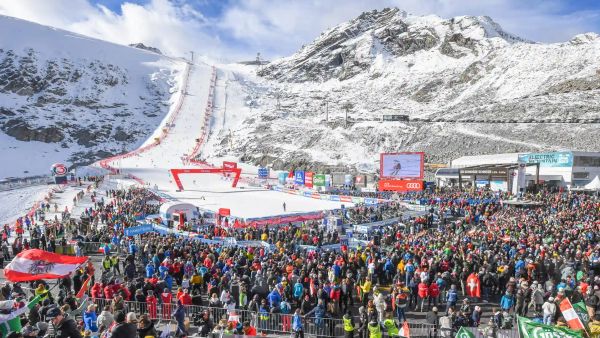
Two days at Sölden, two races decided by a hundredth somewhere on the podium, and one very quick Brazilian. Lucas Pinheiro Braathen led from the first run to win the men’s World Cup opener by 0.48 seconds, with Loïc Meillard second and Marco Odermatt third. River Radamus charged from 15th to fourth on a rutted course, and Britain’s Freddy Carrick-Smith banked his first World Cup points. Braathen still hasn’t lost a giant slalom since Olympic gold.
25 Oct 2026
Alps Snow Forecast: Up to 64 cm Headed for the High Glaciers as the Snow Line Drops
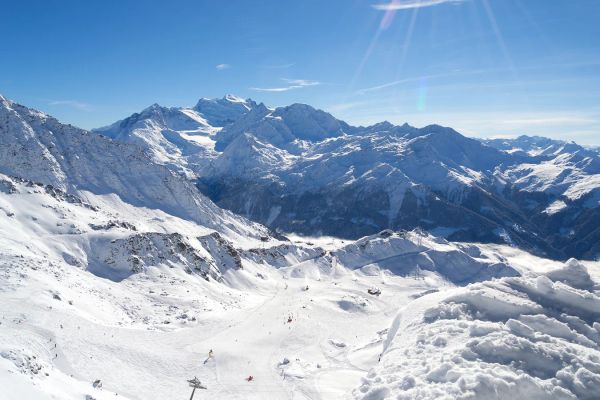
The Alps are about to swap mild, sunny October weather for something far more wintry. A cold front arrives Tuesday, and SnowStash forecasts have Monterosa Ski out in front with 64 cm over 14 days, ahead of Blatten Belalp (55 cm) and Verbier (43 cm). The snow line should fall below 2000 metres by Wednesday night, and glaciers across Switzerland, Italy and Austria are in line for the best of it. The wind will have a say too.
20 Oct 2026
Four Dead After Avalanche Near Ski Portillo in Chile
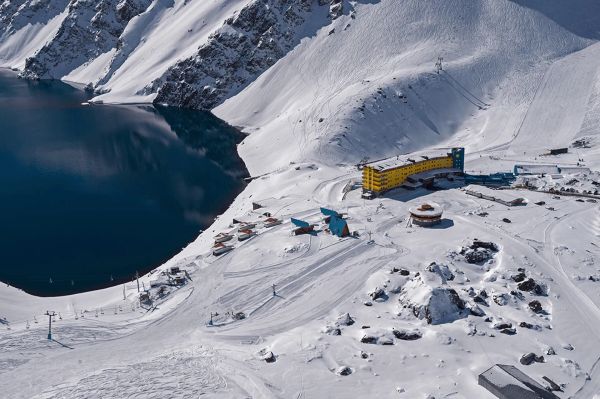
A large avalanche struck near Laguna del Inca adjacent to Ski Portillo on Saturday afternoon, killing four people and injuring four others. The group were day visitors mountaineering in the backcountry after reportedly being warned about elevated avalanche risk by resort staff.
18 Oct 2026
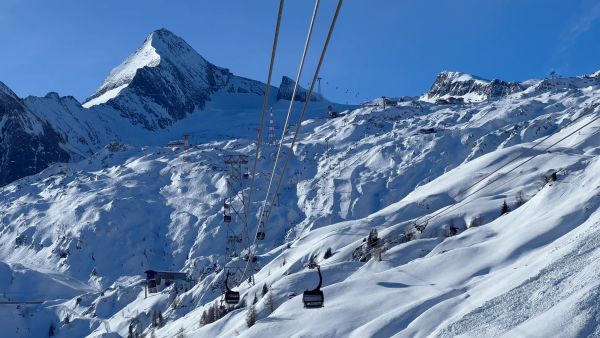
Europe Ski Resorts Open Now: What Is Skiable in Mid-October 2026
Europe’s ski season is open, technically. After a record-warm summer, glaciers in Austria, Switzerland and Italy are running a few pistes apiece, Sölden, Stubai and Kitzsteinhorn started late, Titlis has pushed back to 24 October, and Zermatt reopens a few lifts on 14 October after more than two months shut. Finland’s Levi and Ruka are skiing on stored snow. Here is what is open, and what you actually get at each.
14 Oct 2026
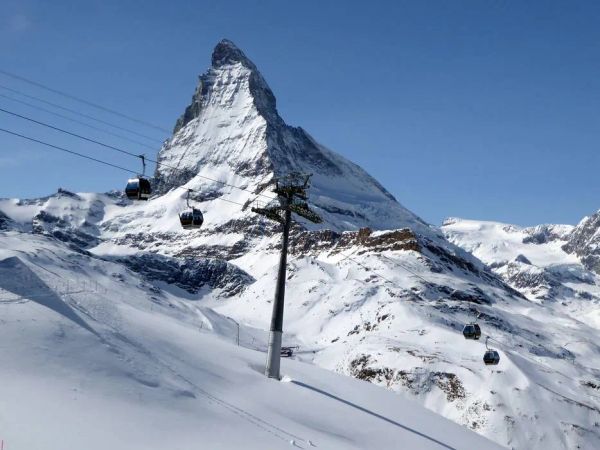
Zermatt Plans World Cup Downhill Return on the Gornergrat for 2028
Zermatt is having another crack at a World Cup downhill, and this time nobody has to cross a border. Around 13 million Swiss francs is going into rebuilding the Gornergrat piste, including a jump fed by a roughly 300-metre in-run across the roof of the Gornergrat Railway gallery, with the Matterhorn lined up behind it for the TV cameras. First men’s race is pencilled in for March 2028, pending FIS homologation.
14 Oct 2026
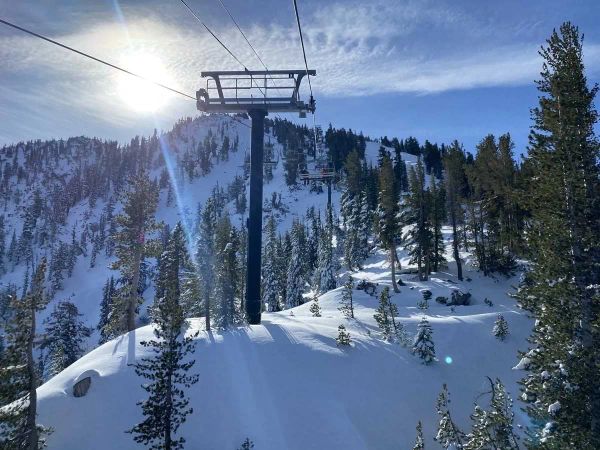
Mt. Rose Begins Snowmaking for the 2026-27 Season at Lake Tahoe
Lake Tahoe’s highest base elevation is paying off early: Mt. Rose has started making snow for 2026-27 after the first flurries and a cold snap. The Nevada resort is backing it with nearly US$2 million in upgrades, including a replacement snowmaking main line, a new PistenBully groomer and restraint bars on every lift. Opening day is yet to be confirmed, though Heavenly and Northstar are already eyeing 20 November.
13 Oct 2026
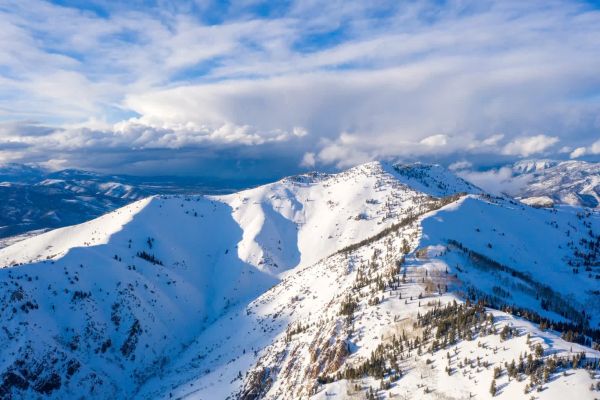
Utah Ski Resorts 2026-27: What’s New at Alta, Deer Valley, Powder Mountain and More
Utah is still building flat out. For 2026-27, Powder Mountain opens a steep new Skytrac chair into more than 1,000 acres of advanced terrain, Deer Valley adds 200 acres on Hail Peak, Sundance gets a new quad and Park City adds a gondola from its new parking structure. Snowmaking is expanding almost everywhere, Eagle Point stays closed after the Cottonwood Fire, and the 2034 Games are setting the pace. Here’s what’s new, resort by resort.
13 Oct 2026
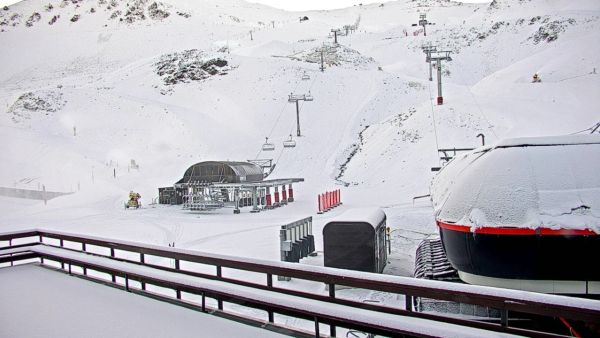
Mt Hutt Invests NZ$12 Million in Base Area, Tripling Its Sun Deck
Mt Hutt is getting busier, and its base lodge is about to catch up. NZ$12 million goes into a heated sun deck roughly three times the current size (430 m² to 1,300 m²), plus a new toilet block, heated steps down to snow level, extra storage and a new food and beverage outlet. Building starts after the 2026 season, with everything due for winter 2027.
11 Oct 2026