
3 Zinnen Dolomites
3 Zinnen Dolomites: 115km slopes, 31 lifts, Italy's steepest piste. Award-winning South Tyrol resort in UNESCO Dolomites. Five mountains, one pass.
Season 2026 - 2027
Opens
27 Nov 2026
Closes
11 Apr 2027
Days open
135
Annual snow
4m
The Overview
Michael Fulton
Melbourne-based skier and snowboarder with 50+ resorts across 5 continents. Specialises in Australian resorts and international resort comparisons.
Rising dramatically in South Tyrol's eastern Dolomites, 3 Zinnen Dolomites offers 115 kilometres of perfectly groomed pistes across five interconnected ski areas within a UNESCO World Heritage landscape. Named after the iconic Tre Cime di Lavaredo peaks visible throughout the resort, this award-winning destination combines Italian hospitality with Austrian alpine precision in a trilingual region where Italian, German, and Ladin cultures converge.
The terrain spans Monte Elmo, Stiergarten, Croda Rossa, Monte Baranci, and Passo Monte Croce, with elevations reaching 2,225 metres ensuring reliable conditions across predominantly intermediate slopes. Notable features include the Holzriese run with its 71% gradient—Italy's steepest groomed piste—and the legendary 34-kilometre Giro delle Cime ski circuit traversing all five mountains on a single lift pass.
1070m
Vertical
82
Runs
86.4 km
Piste
4m
Annual snow
The Terrain
82 runs across 86.4 km of piste
3 Zinnen Dolomites strings together several South Tyrolean ski areas above the Hochpustertal, with a 1,070-metre drop from the 2,200-metre summit to the 1,130-metre base. Sanity lists 82 runs over 86.4 kilometres, and the grading is gentle: 47% beginner, 44% intermediate and 9% advanced, with nothing rated expert. Expect long, easy cruising rather than sustained steeps. The lift fleet leans heavily on gondolas and eight-seat and six-seat chairs, which keeps queues short and lets families and developing skiers cover plenty of ground in a day without feeling rushed.
The one piste that bites is the Holzriese on Croda Rossa, billed as Italy's steepest daily groomed run at a 71% gradient. Most visitors start with the Helmjet gondola from Sesto up to Monte Elmo, then follow the link towards Stiergarten and Croda Rossa. Confident skiers can chain the sectors together on the Giro delle Cime, a full-day circuit. Freeriders will find little here, because the draw is well-groomed terrain with Dolomite scenery. It suits intermediates, families and cautious advanced skiers who like covering distance, and it is a poor pick for anyone chasing steep, ungroomed lines.
Terrain split
82
runs
82 runs across 4 grades
Beginner39 runs · 47%
Intermediate36 runs · 44%
Advanced7 runs · 9%
Expert0 runs · 0%
Time it right
When to visit 3 Zinnen Dolomites
The 2025/26 season operates from 28 November 2025 through 12 April 2026, with optimal snow conditions from January through March when full terrain access typically extends across all five mountains. The resort's northern Dolomite position captures snowfall from both Dolomite storms and overflow from Alpine weather systems, delivering above-average precipitation compared to southern Dolomite resorts.
Comprehensive snowmaking covers 100% of marked runs, ensuring consistent grooming quality throughout winter despite the relatively modest 1,130-metre base elevation. Monte Baranci offers floodlit night skiing every Tuesday and Friday from 7pm to 10pm, whilst spring brings extended sunshine hours with morning freeze-thaw cycles maintaining excellent conditions on higher north-facing slopes through early April.
Season 2026 - 2027
27 Nov 2026
Opens
11 Apr 2027
Closes
135
Days open
4 m
Annual snow
Getting there
Getting to 3 Zinnen Dolomites, and where to stay
Set in South Tyrol's Hochpustertal Valley near the Austrian border, 3 Zinnen Dolomites stretches across five distinctive villages including San Candido, Sesto, Dobbiaco, Villabassa, and Braies, each offering authentic alpine character with medieval architecture and boutique accommodation. The resort sits approximately 100 kilometres from Bolzano Airport, 130 kilometres from Innsbruck, 170 kilometres from Treviso, and 190 kilometres from Venice, with multiple access options via the A22 Brenner motorway.
The Ski Pustertal Express railway provides direct connections to lift stations at Versciaco, whilst regular bus services link all villages eliminating the need for personal vehicles. As part of the Dolomiti Superski network, the local pass grants access to 1,200 kilometres of terrain across 12 interconnected ski regions throughout the Dolomites.
Where to stay
Search all stays →Hotels and lodges near 3 Zinnen Dolomites, powered by Stay22.
Latest News
From the SnowStash desk
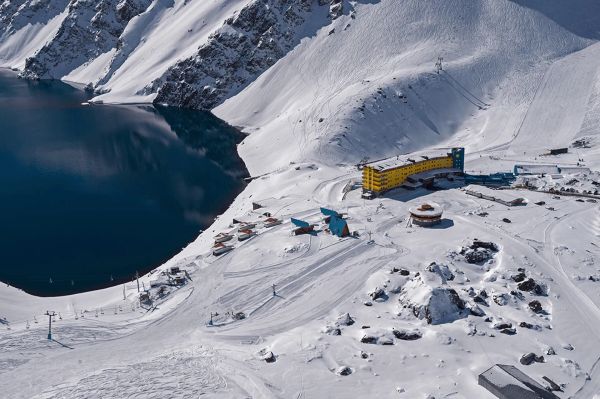
Four Dead After Avalanche Near Ski Portillo in Chile
A large avalanche struck near Laguna del Inca adjacent to Ski Portillo on Saturday afternoon, killing four people and injuring four others. The group were day visitors mountaineering in the backcountry after reportedly being warned about elevated avalanche risk by resort staff.
18 Oct 2026
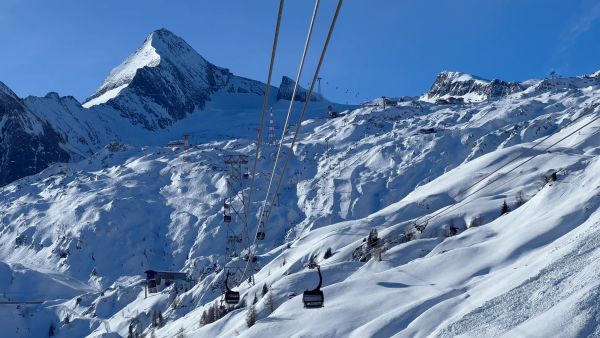
Europe Ski Resorts Open Now: What Is Skiable in Mid-October 2026
Europe’s ski season is open, technically. After a record-warm summer, glaciers in Austria, Switzerland and Italy are running a few pistes apiece, Sölden, Stubai and Kitzsteinhorn started late, Titlis has pushed back to 24 October, and Zermatt reopens a few lifts on 14 October after more than two months shut. Finland’s Levi and Ruka are skiing on stored snow. Here is what is open, and what you actually get at each.
14 Oct 2026
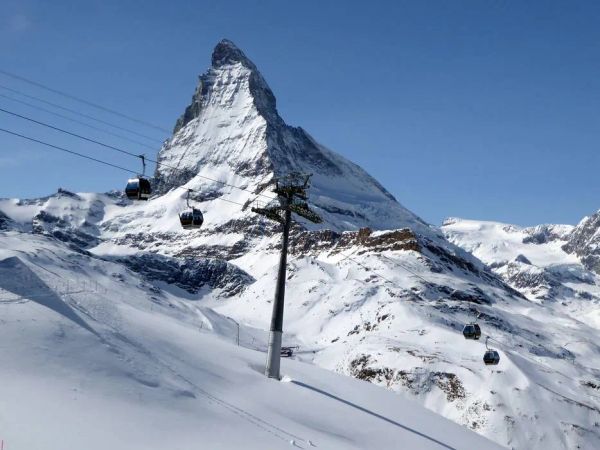
Zermatt Plans World Cup Downhill Return on the Gornergrat for 2028
Zermatt is having another crack at a World Cup downhill, and this time nobody has to cross a border. Around 13 million Swiss francs is going into rebuilding the Gornergrat piste, including a jump fed by a roughly 300-metre in-run across the roof of the Gornergrat Railway gallery, with the Matterhorn lined up behind it for the TV cameras. First men’s race is pencilled in for March 2028, pending FIS homologation.
14 Oct 2026
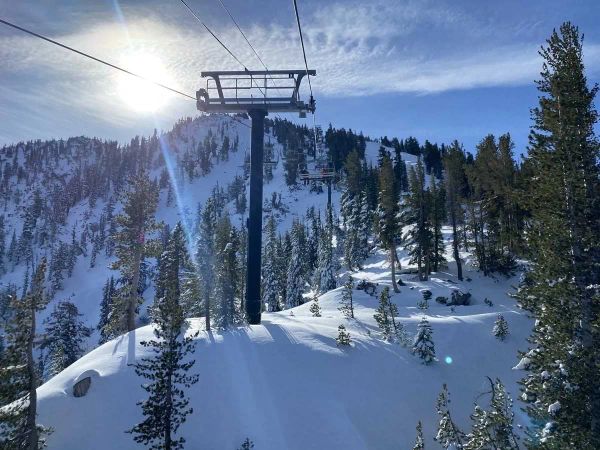
Mt. Rose Begins Snowmaking for the 2026-27 Season at Lake Tahoe
Lake Tahoe’s highest base elevation is paying off early: Mt. Rose has started making snow for 2026-27 after the first flurries and a cold snap. The Nevada resort is backing it with nearly US$2 million in upgrades, including a replacement snowmaking main line, a new PistenBully groomer and restraint bars on every lift. Opening day is yet to be confirmed, though Heavenly and Northstar are already eyeing 20 November.
13 Oct 2026
Utah Ski Resorts 2026-27: What’s New at Alta, Deer Valley, Powder Mountain and More
Utah is still building flat out. For 2026-27, Powder Mountain opens a steep new Skytrac chair into more than 1,000 acres of advanced terrain, Deer Valley adds 200 acres on Hail Peak, Sundance gets a new quad and Park City adds a gondola from its new parking structure. Snowmaking is expanding almost everywhere, Eagle Point stays closed after the Cottonwood Fire, and the 2034 Games are setting the pace. Here’s what’s new, resort by resort.
13 Oct 2026
Mt Hutt Invests NZ$12 Million in Base Area, Tripling Its Sun Deck
Mt Hutt is getting busier, and its base lodge is about to catch up. NZ$12 million goes into a heated sun deck roughly three times the current size (430 m² to 1,300 m²), plus a new toilet block, heated steps down to snow level, extra storage and a new food and beverage outlet. Building starts after the 2026 season, with everything due for winter 2027.
11 Oct 2026
Vermont Ski Resort Opening Dates 2026-27: Few Dates Set, Killington Waits on the Cold
Vermont's season is slow to take shape. Stratton is tentatively targeting 18 November and Sugarbush 21 November, while Pico has Friday 11 December on the calendar. Killington never sets a date and opens when the snowmaking allows, and Vail Resorts has yet to name days for Stowe, Okemo and Mount Snow. The forecasts disagree about snow, and the main El Niño worry for the Green Mountains is warmth.
9 Oct 2026
Crans-Montana 2027 World Championships President Resigns Ahead of Fraud Hearing
Less than four months out from the Crans-Montana 2027 World Championships, the man running the organising committee has stepped down. Claude-Alain Schmidhalter resigned as Swiss-Ski vice president and OC president after being indicted over a business dispute unrelated to skiing. He denies the allegations and faces court on October 27. Interim leaders are in place for the February 1-14 event.
9 Oct 2026