Alta Badia
Alta Badia: 130km slopes across six Ladin villages. Gran Risa World Cup slope, Sellaronda circuit access. UNESCO Dolomites, 53 lifts.

Season 2026 - 2027
Opens
4 Dec 2026
Closes
4 Apr 2027
Days open
121
Annual snow
3.8m
The Overview
Michael Fulton
Melbourne-based skier and snowboarder with 50+ resorts across 5 continents. Specialises in Australian resorts and international resort comparisons.
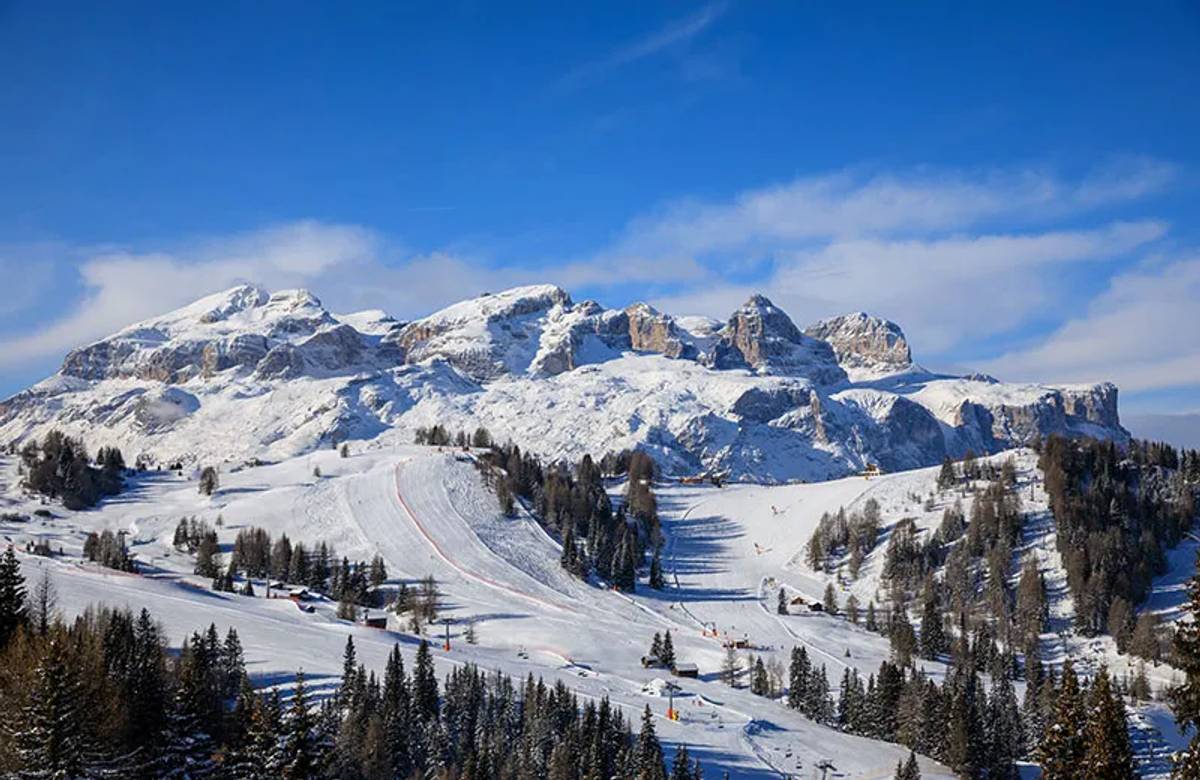
Alta Badia delivers 130 kilometres of meticulously groomed slopes across a spectacular section of the Dolomites, where dramatic limestone peaks tower above six authentic Ladin villages. With elevations spanning 1,324 to 2,778 metres, the resort combines reliable snow conditions with exceptional intermediate terrain featuring long, flowing descents across sun-drenched plateaus. The area forms a crucial section of the famous Sellaronda circuit whilst serving as a regular World Cup venue, hosting the challenging Gran Risa giant slalom course each December.
Approximately 90% of the local population still speaks Ladin as their first language, creating an authentic cultural atmosphere rarely found in such highly developed ski destinations. The UNESCO-protected Dolomite landscape provides a breathtaking backdrop to world-class ski infrastructure serving all ability levels.
1454m
Vertical
114
Runs
130 km
Piste
3.8m
Annual snow
Watch
See Alta Badia in motion
The Terrain
114 runs across 130 km of piste
Alta Badia is one of the larger areas in the Dolomiti Superski network, with 130 kilometres across 114 runs and a vertical of 1,454 metres, from the 1,324-metre base to the 2,778-metre summit. The grading is relaxed: 57% beginner, 36% intermediate and 7% advanced, with no expert pistes. That tilts it firmly towards groomed cruising, with wide, well-prepared slopes that suit a long week of progression. A very big fleet of gondolas and eight-seat, six-seat and quad chairs spreads skiers across the valley, and the area forms a key stretch of the Sellaronda circuit.
The Gran Risa, above La Villa, is the standout run, a steep World Cup giant slalom slope that tests solid intermediates and advanced skiers each December. The Vallon-Boè black, which drops from the top of the Boè, is rated among the toughest in the Dolomites, and the Piz La Ila cable car serves some of the best intermediate cruising. Freeriding is limited, so this is a piste skier's valley. It suits families, progressing skiers and groups of mixed ability, along with strong skiers who want a few sharp descents between easy laps.
Terrain split
114
runs
114 runs across 4 grades
Beginner65 runs · 57%
Intermediate41 runs · 36%
Advanced8 runs · 7%
Expert0 runs · 0%
Time it right
When to visit Alta Badia
The winter season in Alta Badia typically operates from early December through mid-April, with optimal conditions prevailing from late December through March. The resort receives approximately 3.5 metres of natural snowfall annually, complemented by an extensive snowmaking system covering nearly 100% of marked runs.
The predominantly high-altitude terrain above 1,800 metres ensures cold temperatures throughout winter, maintaining excellent snow quality even when lower resorts struggle. Most slopes benefit from quality sunshine exposure whilst the north-facing Gran Risa preserves icy race conditions throughout the season. December brings the annual World Cup races attracting thousands of spectators, whilst March offers classic spring skiing with extended daylight hours and consistently reliable coverage on upper elevation sectors.
Season 2026 - 2027
4 Dec 2026
Opens
4 Apr 2027
Closes
121
Days open
3.8 m
Annual snow
The record
Historical snowfall at Alta Badia
Daily snow reports at Alta Badia go back to 1996, 31 winters on the books. Open the record to compare winters, lifts and piste.
70 cm
Snowiest day
5 Dec 2020
16 cm
This winter · 2026-27
so far
376 cm
Typical winter
average of complete seasons
Winter totals
cm
Past wintersThis winter
Getting there
Getting to Alta Badia, and where to stay
Situated in South Tyrol's Val Badia, Alta Badia spans approximately 16 kilometres across six villages—Corvara, Colfosco, La Villa, San Cassiano, Badia, and La Val—each retaining distinctive Ladin heritage through architecture, cuisine, and daily life. The valley sits 75 kilometres east of Bolzano and 200 kilometres north of Venice, occupying a sheltered position that protects against harsh weather systems whilst maintaining exceptional snow preservation.
International access is convenient via airports in Innsbruck (135 kilometres, 2 hours), Venice (175 kilometres, 2.5 hours), and Verona (250 kilometres, 3 hours), with efficient shuttle services and generous parking facilities for self-drive visitors. The area's position within the Dolomiti Superski network provides seamless connections to neighbouring valleys, whilst bus services link all villages efficiently throughout winter.
Where to stay
Search all stays →Stays map loads when you scroll here
Hotels and lodges near Alta Badia, powered by Stay22.
Latest News
From the SnowStash desk

Mt Rose Aims to Open First in Tahoe on November 6
Mt Rose is going for the first-in-Tahoe title, with the Lakeview Express due to spin at 9 a.m. on Friday, November 6. One main lift, three runs and plenty of snowmaking, sitting on the highest base elevation in the region at 8,260 ft. Here is what is open, what is not (sorry, tubing fans), and how the early North American openings are stacking up.
4 Nov 2026

Europe Snow Forecast: Serre Chevalier Leads With 82 cm Over the Next 10 Days
Europe has had a quiet start to November, but our 10-day forecast has Serre Chevalier on 82 cm and Les 2 Alpes on 71 cm. Two pushes are lined up: a western Alps top-up from Friday, then a bigger, wider system on Thursday, November 12 and Friday, November 13 that reaches Italy and Switzerland. Full leaderboard inside.
4 Nov 2026

Mammoth Mountain Opens Early on November 5 With Up to 33 Inches of Snow in the Forecast
Mammoth just moved opening day forward to Thursday, November 5, eight days ahead of schedule. A snowy weekend and cold snowmaking nights did the work, and our forecast shows up to 33 inches more landing on November 13 and 14. Here is what opens, what the weather looks like and where Mammoth sits among the early Ikon Pass openers.
3 Nov 2026

Utah Snow Storm Builds Early-Season Base Ahead of November Openings
Rain down low, snow up high, and a snow report full of zeros that mostly means ‘not updated yet’. Utah’s first proper storm of 2026-27 is rolling through the Wasatch, Snowbird’s snow stake is closing in on 10 inches, and Brian Head is five days from opening day. Early November snow rarely looks like much, but it is the layer every November opening date is built on. Here is where it stands.
1 Nov 2026
Sierra Nevada Halloween Storm: Dodge Ridge Forecast to Lead With 19 Inches
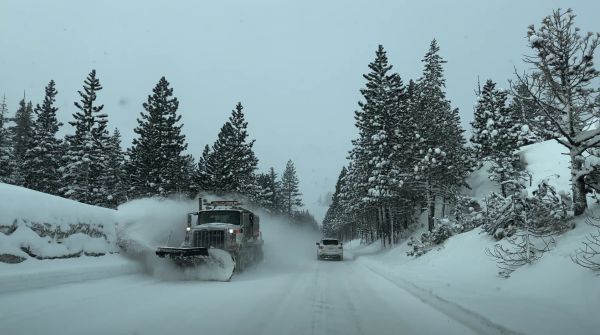
Halloween weekend brings a wet, windy storm to the Sierra Nevada. Our five-day forecast has Dodge Ridge on top with 19 in, followed by Bear Valley at 15 in and Mammoth Mountain at 12 in, with most of it landing on Saturday. A winter weather advisory covers the Tahoe Basin and Mono County until 7 AM Sunday, gusts could reach 47 mph and the freezing level swings between 4,900 and 8,700 ft, so some bases will see rain. A dry spell follows from Monday.
31 Oct 2026
Lake Louise Opens Early on 1 November With Juniper Express and Easy Street
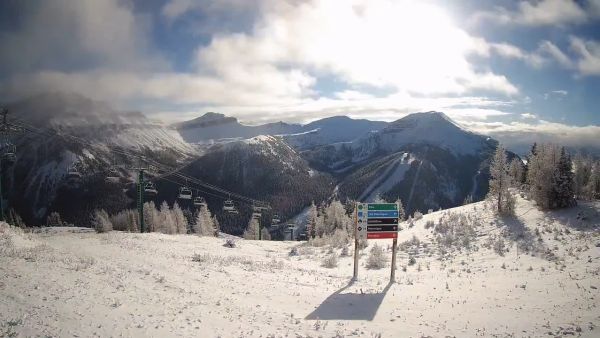
The Rockies get their first lift-served turns of the season early. Lake Louise opens Sunday 1 November, five days ahead of schedule, after a cold October and round-the-clock work from the snowmaking and mountain crews. Terrain is limited to Juniper Express Chair and Easy Street, with two small terrain parks and the beginner area for lessons. Opening-day tickets are over 60% off, with prices rising as more lifts open. First chair is at 9:30 am under the resort’s new lift hours.
31 Oct 2026
Kitzbüheler Horn Summit Cable Car to Be Replaced After 70 Years
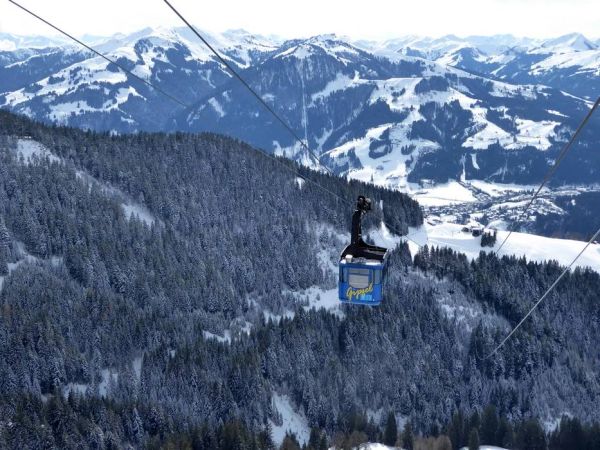
A Tyrolean summit lift that has been carrying guests up the Kitzbüheler Horn since 1955 is on borrowed time. Its licence runs to 2045, but a new inspection rule has made refurbishment uneconomic, so Bergbahn AG Kitzbühel will spend around €15 million on a replacement on the same line. It should hold roughly 100 people and keep running in winds that would stop today’s lift. Building starts in autumn 2027, which makes this winter and next summer the last chances to ride the old one.
30 Oct 2026
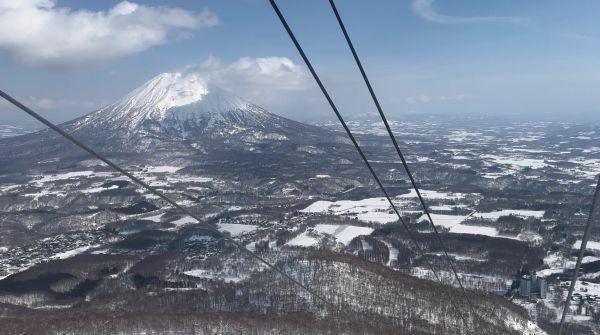
What’s New in Japan Skiing This Winter: Niseko Gondola, a Private Resort and a Bigger Ikon Pass
Niseko Village is replacing a lift from the early 1980s with an eight-person gondola, Tsugaike gets a six-person chairlift, Madarao joins the Ikon Pass and Togari opens Asia’s first private ski resort. Here’s what is actually new in Japan skiing for 2026/27, plus what is still a year or two away.
30 Oct 2026
Alta Badia Lift System
Alta Badia's sophisticated lift network comprises 53 modern installations efficiently connecting all sectors and villages across the resort's varied terrain. The system features predominantly high-speed detachable chairlifts and gondolas, with approximately 80% of lifts being chairs or gondolas rather than surface lifts. Key installations include the Piz Boè gondola delivering skiers from Corvara to 2,368 metres, whilst the Piz La Ila cable car provides access to the legendary Gran Risa slope.
Recent infrastructure improvements have introduced RFID ticketing technology, heated seats on select chairlifts, and enhanced capacity management systems effectively eliminating queues even during peak Christmas and February periods. The network seamlessly integrates with the broader Dolomiti Superski area, providing direct access to the Sellaronda circuit and neighbouring valleys including Val Gardena and Arabba.
61lifts across 8 types
1
Aerial Tram
10
Gondolas
10
8-Person Chairs
11
6-Person Chairs
14
Quad Chairs
4
Double Chairs
10
T-Bars
1
Surface Lift
Alta Badia lift system
Alta Badia is served by 61 lifts, listed here by type. Check which lifts are turning against the live conditions before you plan your first laps - early lifts and high-speed chairs get you to the best snow fastest.
More Alta Badia intelligence: trail map, snow report, webcams, resort overview.