
Alta Badia
Alta Badia: 130km slopes across six Ladin villages. Gran Risa World Cup slope, Sellaronda circuit access. UNESCO Dolomites, 53 lifts.
Season 2026 - 2027
Opens
4 Dec 2026
Closes
4 Apr 2027
Days open
121
Annual snow
4m
The Overview
Michael Fulton
Melbourne-based skier and snowboarder with 50+ resorts across 5 continents. Specialises in Australian resorts and international resort comparisons.
Alta Badia delivers 130 kilometres of meticulously groomed slopes across a spectacular section of the Dolomites, where dramatic limestone peaks tower above six authentic Ladin villages. With elevations spanning 1,324 to 2,778 metres, the resort combines reliable snow conditions with exceptional intermediate terrain featuring long, flowing descents across sun-drenched plateaus. The area forms a crucial section of the famous Sellaronda circuit whilst serving as a regular World Cup venue, hosting the challenging Gran Risa giant slalom course each December.
Approximately 90% of the local population still speaks Ladin as their first language, creating an authentic cultural atmosphere rarely found in such highly developed ski destinations. The UNESCO-protected Dolomite landscape provides a breathtaking backdrop to world-class ski infrastructure serving all ability levels.
1454m
Vertical
114
Runs
130 km
Piste
4m
Annual snow
Watch
See Alta Badia in motion
The Terrain
114 runs across 130 km of piste
Alta Badia is one of the larger areas in the Dolomiti Superski network, with 130 kilometres across 114 runs and a vertical of 1,454 metres, from the 1,324-metre base to the 2,778-metre summit. The grading is relaxed: 57% beginner, 36% intermediate and 7% advanced, with no expert pistes. That tilts it firmly towards groomed cruising, with wide, well-prepared slopes that suit a long week of progression. A very big fleet of gondolas and eight-seat, six-seat and quad chairs spreads skiers across the valley, and the area forms a key stretch of the Sellaronda circuit.
The Gran Risa, above La Villa, is the standout run, a steep World Cup giant slalom slope that tests solid intermediates and advanced skiers each December. The Vallon-Boè black, which drops from the top of the Boè, is rated among the toughest in the Dolomites, and the Piz La Ila cable car serves some of the best intermediate cruising. Freeriding is limited, so this is a piste skier's valley. It suits families, progressing skiers and groups of mixed ability, along with strong skiers who want a few sharp descents between easy laps.
Terrain split
114
runs
114 runs across 4 grades
Beginner65 runs · 57%
Intermediate41 runs · 36%
Advanced8 runs · 7%
Expert0 runs · 0%
Time it right
When to visit Alta Badia
The winter season in Alta Badia typically operates from early December through mid-April, with optimal conditions prevailing from late December through March. The resort receives approximately 3.5 metres of natural snowfall annually, complemented by an extensive snowmaking system covering nearly 100% of marked runs.
The predominantly high-altitude terrain above 1,800 metres ensures cold temperatures throughout winter, maintaining excellent snow quality even when lower resorts struggle. Most slopes benefit from quality sunshine exposure whilst the north-facing Gran Risa preserves icy race conditions throughout the season. December brings the annual World Cup races attracting thousands of spectators, whilst March offers classic spring skiing with extended daylight hours and consistently reliable coverage on upper elevation sectors.
Season 2026 - 2027
4 Dec 2026
Opens
4 Apr 2027
Closes
121
Days open
4 m
Annual snow
Getting there
Getting to Alta Badia, and where to stay
Situated in South Tyrol's Val Badia, Alta Badia spans approximately 16 kilometres across six villages—Corvara, Colfosco, La Villa, San Cassiano, Badia, and La Val—each retaining distinctive Ladin heritage through architecture, cuisine, and daily life. The valley sits 75 kilometres east of Bolzano and 200 kilometres north of Venice, occupying a sheltered position that protects against harsh weather systems whilst maintaining exceptional snow preservation.
International access is convenient via airports in Innsbruck (135 kilometres, 2 hours), Venice (175 kilometres, 2.5 hours), and Verona (250 kilometres, 3 hours), with efficient shuttle services and generous parking facilities for self-drive visitors. The area's position within the Dolomiti Superski network provides seamless connections to neighbouring valleys, whilst bus services link all villages efficiently throughout winter.
Where to stay
Search all stays →Hotels and lodges near Alta Badia, powered by Stay22.
Latest News
From the SnowStash desk
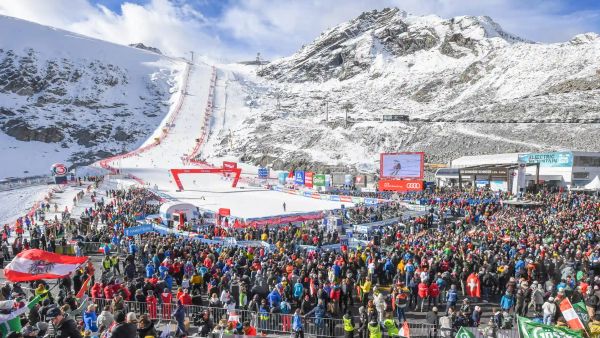
Pinheiro Braathen Wins Sölden Giant Slalom Opener by 0.48 Seconds
Two days at Sölden, two races decided by a hundredth somewhere on the podium, and one very quick Brazilian. Lucas Pinheiro Braathen led from the first run to win the men’s World Cup opener by 0.48 seconds, with Loïc Meillard second and Marco Odermatt third. River Radamus charged from 15th to fourth on a rutted course, and Britain’s Freddy Carrick-Smith banked his first World Cup points. Braathen still hasn’t lost a giant slalom since Olympic gold.
25 Oct 2026
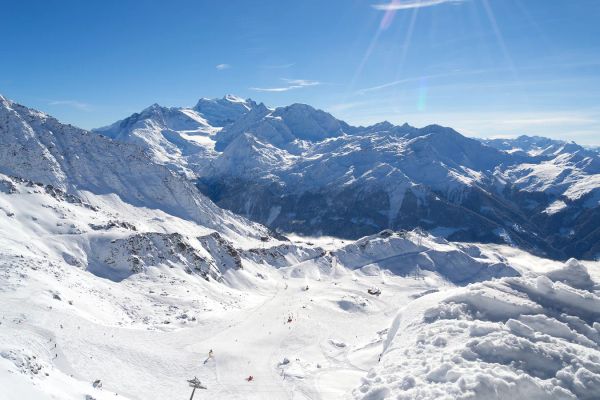
Alps Snow Forecast: Up to 64 cm Headed for the High Glaciers as the Snow Line Drops
The Alps are about to swap mild, sunny October weather for something far more wintry. A cold front arrives Tuesday, and SnowStash forecasts have Monterosa Ski out in front with 64 cm over 14 days, ahead of Blatten Belalp (55 cm) and Verbier (43 cm). The snow line should fall below 2000 metres by Wednesday night, and glaciers across Switzerland, Italy and Austria are in line for the best of it. The wind will have a say too.
20 Oct 2026

Four Dead After Avalanche Near Ski Portillo in Chile
A large avalanche struck near Laguna del Inca adjacent to Ski Portillo on Saturday afternoon, killing four people and injuring four others. The group were day visitors mountaineering in the backcountry after reportedly being warned about elevated avalanche risk by resort staff.
18 Oct 2026

Europe Ski Resorts Open Now: What Is Skiable in Mid-October 2026
Europe’s ski season is open, technically. After a record-warm summer, glaciers in Austria, Switzerland and Italy are running a few pistes apiece, Sölden, Stubai and Kitzsteinhorn started late, Titlis has pushed back to 24 October, and Zermatt reopens a few lifts on 14 October after more than two months shut. Finland’s Levi and Ruka are skiing on stored snow. Here is what is open, and what you actually get at each.
14 Oct 2026

Zermatt Plans World Cup Downhill Return on the Gornergrat for 2028
Zermatt is having another crack at a World Cup downhill, and this time nobody has to cross a border. Around 13 million Swiss francs is going into rebuilding the Gornergrat piste, including a jump fed by a roughly 300-metre in-run across the roof of the Gornergrat Railway gallery, with the Matterhorn lined up behind it for the TV cameras. First men’s race is pencilled in for March 2028, pending FIS homologation.
14 Oct 2026

Mt. Rose Begins Snowmaking for the 2026-27 Season at Lake Tahoe
Lake Tahoe’s highest base elevation is paying off early: Mt. Rose has started making snow for 2026-27 after the first flurries and a cold snap. The Nevada resort is backing it with nearly US$2 million in upgrades, including a replacement snowmaking main line, a new PistenBully groomer and restraint bars on every lift. Opening day is yet to be confirmed, though Heavenly and Northstar are already eyeing 20 November.
13 Oct 2026

Utah Ski Resorts 2026-27: What’s New at Alta, Deer Valley, Powder Mountain and More
Utah is still building flat out. For 2026-27, Powder Mountain opens a steep new Skytrac chair into more than 1,000 acres of advanced terrain, Deer Valley adds 200 acres on Hail Peak, Sundance gets a new quad and Park City adds a gondola from its new parking structure. Snowmaking is expanding almost everywhere, Eagle Point stays closed after the Cottonwood Fire, and the 2034 Games are setting the pace. Here’s what’s new, resort by resort.
13 Oct 2026

Mt Hutt Invests NZ$12 Million in Base Area, Tripling Its Sun Deck
Mt Hutt is getting busier, and its base lodge is about to catch up. NZ$12 million goes into a heated sun deck roughly three times the current size (430 m² to 1,300 m²), plus a new toilet block, heated steps down to snow level, extra storage and a new food and beverage outlet. Building starts after the 2026 season, with everything due for winter 2027.
11 Oct 2026
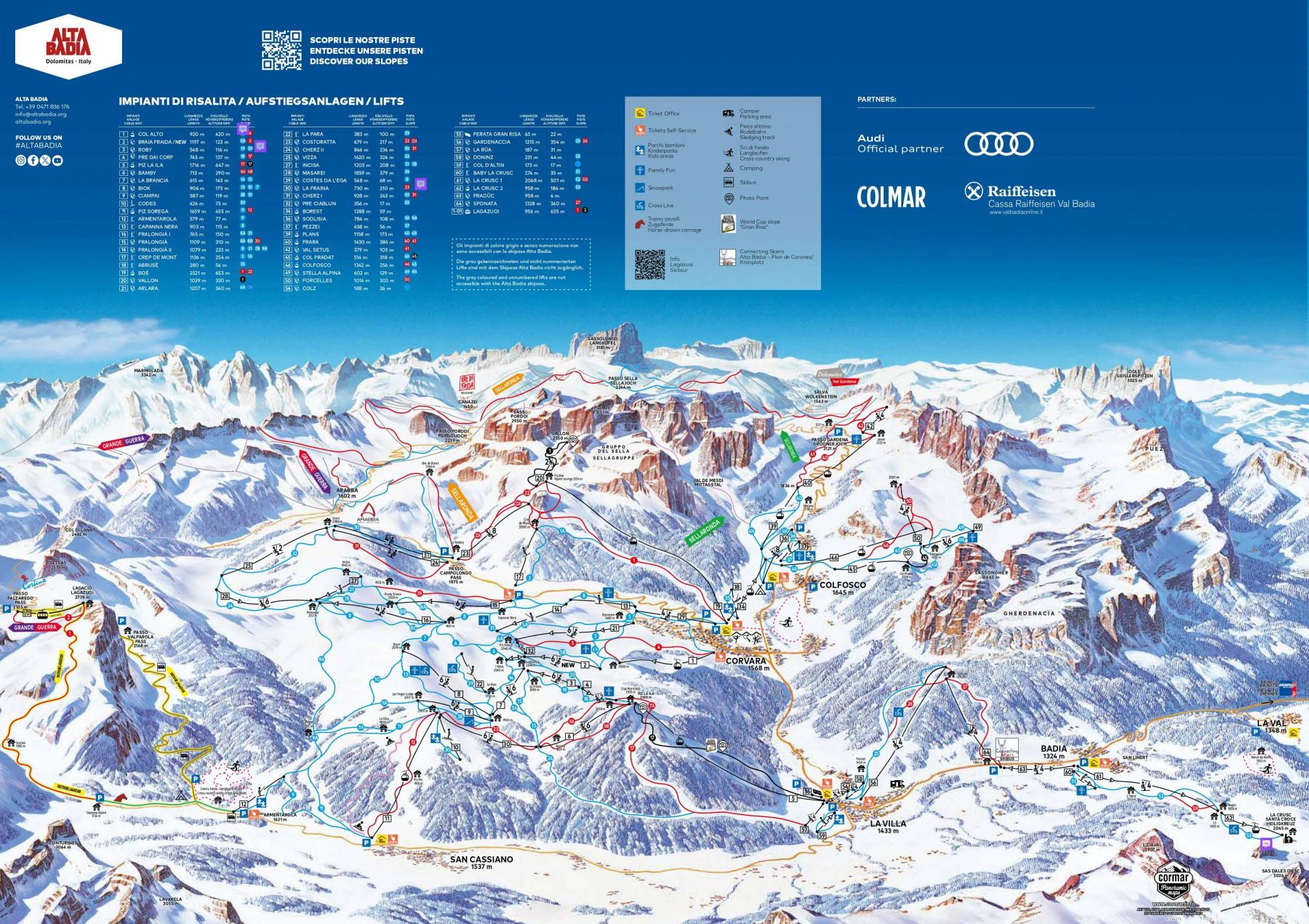
Alta Badia Trail Map
Downloadable Alta Badia trail map
Terrain split
114
runs
Beginner57%
Intermediate36%
Advanced7%
Expert0%
130 km of piste
Resort Stats
Elevation
Base1324m
Summit2778m
Annual snowfall
4m
Season
2026 - 2027
4 Dec 2026 - 4 Apr 2027
Trail coverage
114 runs
130 km
About Alta Badia's trail map
Explore Alta Badia's full trail map with 114 runs across the mountain, colour-coded by difficulty and shown alongside the terrain split. Use it to plan a day that matches your ability, find lift-served pockets of your favourite grade, and see how the resort links together. Download the piste map (PDF) ↗
More Alta Badia intelligence: snow report, lift system, webcams, resort overview.