
The Overview
Michael Fulton
Melbourne-based skier and snowboarder with 50+ resorts across 5 continents. Specialises in Australian resorts and international resort comparisons.
Aprica delivers 50 kilometres of varied skiing across a natural balcony overlooking Valtellina, with terrain spanning from 1,200 to 2,270 metres elevation. The resort combines a family-friendly atmosphere with excellent learning facilities and challenging expert runs, including the famous Pista Stelvio with its sustained 45-degree pitch over 3 kilometres.
Modern snowmaking infrastructure covers 90% of all marked runs, ensuring reliable conditions throughout winter. Aprica's wide, open slopes above the tree line contrast with beautiful forest descents, creating diverse skiing experiences across four distinct sectors: Palabione, Magnolta, Baradello, and Campetti.
1108m
Vertical
20
Runs
50 km
Piste
4m
Annual snow
The Terrain
20 runs across 50 km of piste
Aprica is a compact Valtellina resort on a mountain pass, with 20 runs spread over 50 kilometres and a vertical of 1,108 metres, from 1,162 metres to 2,270 metres. Grading is split 54% beginner, 31% intermediate and 15% advanced, with no expert terrain. The beginner share is the largest, but the 15% advanced is a meaningful slice for a resort this size, so it is not only a learner's area. Four sectors, Palabione, Magnolta, Baradello and Campetti, are linked on snow, and a handful of gondolas and quad chairs carry skiers up from the village.
Palabione is the largest sector, mixing wide intermediate runs with technical descents such as Benedetti, one of the better-known blacks. On Magnolta, the Pistone della Magnolta is a steep black of about 2 kilometres, hardest in its lower section, and the Pista Stelvio is a sustained, steep run that tests advanced skiers. Open slopes up high give way to forest runs lower down. There is no major freeride zone. It suits families and learners, plus advanced skiers from Milan looking for a few steep pistes close to the city.
Terrain split
20
runs
20 runs across 4 grades
Beginner11 runs · 54%
Intermediate6 runs · 31%
Advanced3 runs · 15%
Expert0 runs · 0%
Time it right
When to visit Aprica
Aprica's winter season typically runs from early December through mid-April, with optimal snow conditions from January through March. The resort's favourable microclimate, created by its protected valley position, contributes to consistent conditions and approximately 4 metres of natural snowfall annually.
Comprehensive snowmaking systems ensure reliable coverage from opening day, with operations beginning on Palabione's north-facing slopes before expanding across all sectors by Christmas week. March delivers excellent spring skiing with firm morning conditions and comfortable temperatures, while special night skiing operations on Wednesdays and Saturdays extend the skiing day throughout the season.
Season 2026 - 2027
28 Nov 2026
Opens
11 Apr 2027
Closes
134
Days open
4 m
Annual snow
Getting there
Getting to Aprica, and where to stay
Positioned 175 kilometres northeast of Milan at the strategic Valtellina and Val Camonica junction, Aprica occupies a natural mountain pass at 1,181 metres elevation. The compact resort village features traditional Alpine architecture with hotels and apartments predominantly offering ski-in/ski-out convenience. Unlike purpose-built resorts, Aprica evolved organically from an historic mountain community, maintaining authentic charm while developing modern visitor facilities.
The surrounding region boasts remarkable biodiversity with extensive protected forests, accessible via winter hiking trails and snowshoe routes that complement the skiing experience. Convenient road connections via the SS39 and proximity to Tirano's railway station make Aprica easily accessible despite its mountain setting.
Where to stay
Search all stays →Hotels and lodges near Aprica, powered by Stay22.
Latest News
From the SnowStash desk
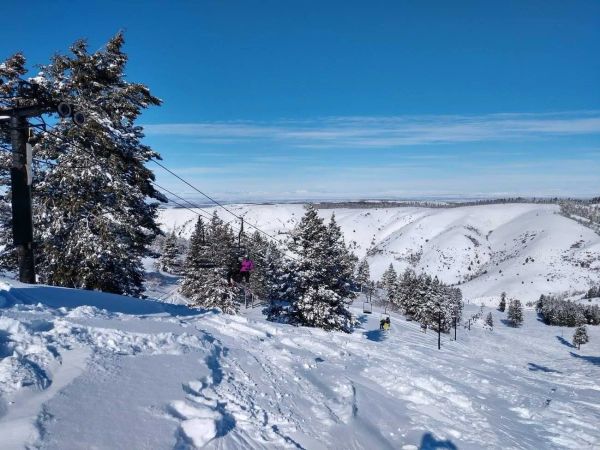
Kelly Canyon, Idaho, Adds Snowmaking, a Bigger Terrain Park and More Parking for 2026-27
Kelly Canyon had a rough 2025-26, and the Idaho resort has spent the summer making sure it doesn’t repeat. Snowmaking now reaches the top of Goldrush, the terrain park is doubling in size with a stereo system, lights and a snack shack, and the car park is getting bigger. Grooming is stepping up too. Target opening is December 4, conditions permitting.
9 Oct 2026
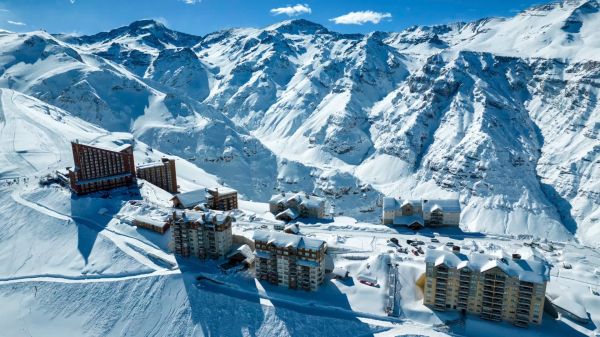
Valle Nevado Extends Season to November 8 After 108 cm in 48 Hours
Winter was meant to be winding down in Chile. Then Valle Nevado took 108 cm in 48 hours in early October, and the resort has pushed its closing date out to November 8 - its latest in 38 years of operation. That makes 143 days of skiing since opening day on June 19, with 690 cm banked for the season. Only part of the mountain is running while the storm settles, so check the mountain report before you plan a trip.
9 Oct 2026
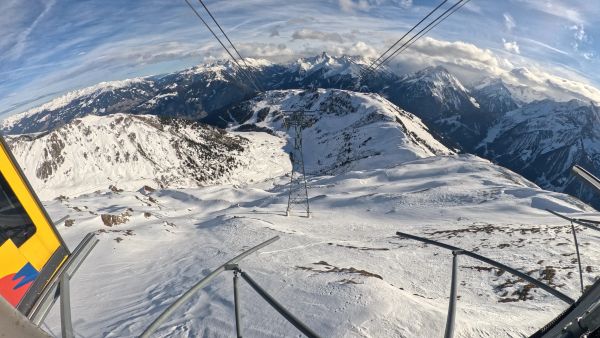
Alps Snow Forecast: Cold Front Brings Thursday Snow to the High Alps
The Alps look a lot more like winter today, for a day or so. A cold front is moving west to east, dropping up to 35 cm on high glaciers and peaks, with snow levels falling to around 1,500-1,800 m at times. Don’t plan a trip around it: mid-elevation snow will be thin and wet, every area is closed bar a limited Sölden glacier opening tomorrow, and warmer weather returns by Monday.
8 Oct 2026
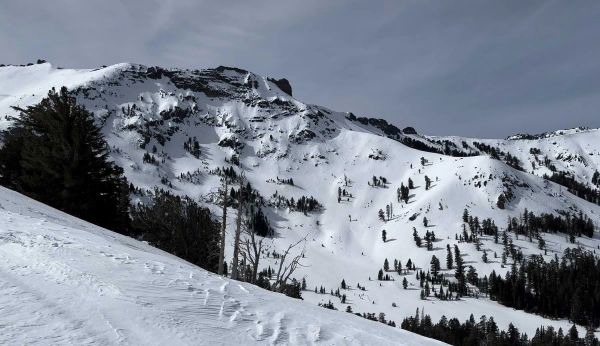
California Ski Resort Opening Dates 2026-27: Mammoth Leads, Tahoe Follows
Mammoth Mountain is first up in California, targeting Friday 13 November after a dusting of September snow. Heavenly and Northstar follow on 20 November, Palisades Tahoe on Wednesday 25 November and Sugar Bowl on 27 November, with Kirkwood on 4 December and June Mountain on 19 December. Plenty of smaller areas have no date yet. A super El Niño favours the Sierra, but a warmer storm track is the catch.
7 Oct 2026
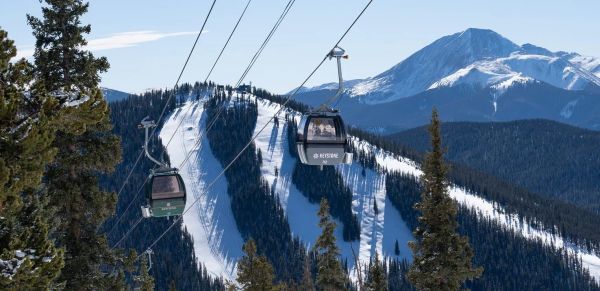
Colorado Ski Resort Opening Dates 2026-27: A-Basin and Keystone Race to Be First
Arapahoe Basin, Keystone and Winter Park are all chasing an October start, though none has a firm date yet. The first dated openers are Breckenridge and Copper on Friday 6 November, then Vail on 13 November, with most of the rest bunched around US Thanksgiving. Hesperus did not open at all last season. A super El Niño offers hope but no guarantee, and forecasters say the southern mountains have the better odds.
5 Oct 2026
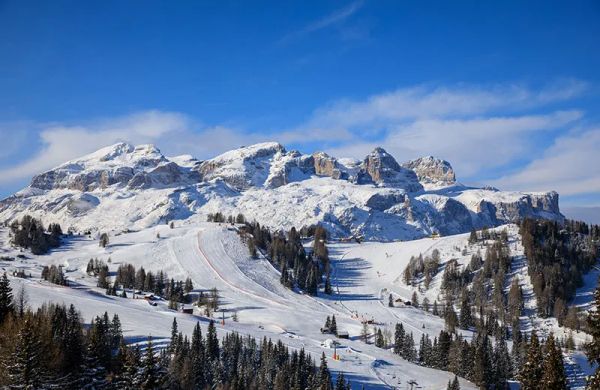
Dolomiti Superski 2026-27: Four New Gondolas, New Reservoirs and an €89 Peak Day Pass
Dolomiti Superski is spending around €100 million across its 12 areas before winter. Kronplatz gets a new 10-passenger gondola with a middle station, 3 Zinnen gets Helmissimo, and Val di Fassa swaps a chairlift for a gondola above Col Valvacin. New water-storage basins and upgraded snowmaking follow, and construction has started on the San Martino to Passo Rolle link. A peak adult day pass is €89.
4 Oct 2026
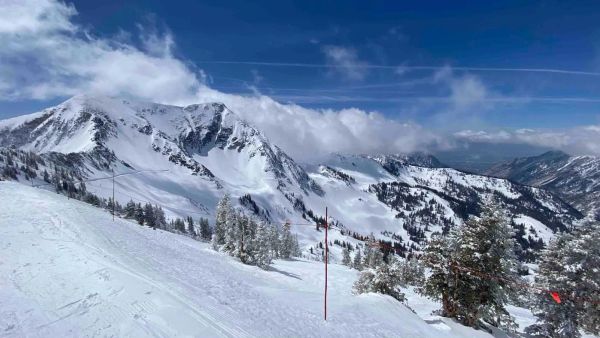
Utah Ski Resort Opening Dates 2026-27: Brian Head First, Eagle Point Out
Brian Head is targeting 6 November, though last year it aimed for 7 November and did not open until the 25th. Park City, Alta and Solitude are pencilled in for 20 November, Snowbird and Snowbasin for 27 November, and Deer Valley for 5 December. Eagle Point will stay closed after the Cottonwood Fire. A super El Niño is forecast, but the big snow is not expected until January.
4 Oct 2026
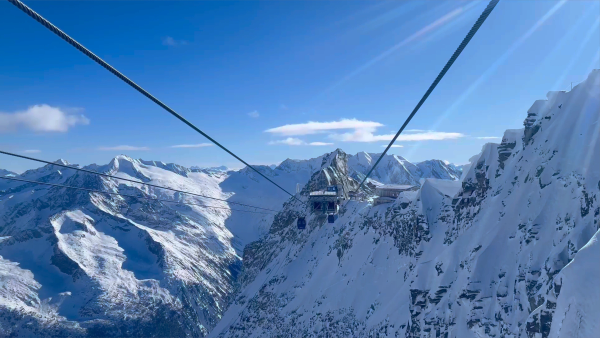
Hintertux Glacier Opens for 2026-27 With 12 Kilometres of Piste
Hintertux became Austria's second glacier to open for 2026-27 on Friday 2 October, after the Pitztal Glacier. Twelve kilometres of piste are running around the Olperer and Gefrorene Wand, served by one gondola and two drag lifts, with the Betterpark also open. Lifts officially run 8:15 am to 4:30 pm, but skiing stops at 2 pm for now.
4 Oct 2026
Aprica Webcams
8 live angles across the mountain. Tap any camera to go full-screen.
About Aprica's live webcams
Check live conditions across Aprica with 8 real-time webcams showing snow, weather, and lift operations, updated every 10 minutes. Check high-elevation cams for powder visibility and base-area cams for crowd levels before you head up.
Camera guide
- Aprica - Dosso Gembri1715m
- Experience sweeping panoramic views across Valtellina through this scenic Aprica webcam positioned at Dosso Gembri at 1715 meters elevation. This interactive 360-degree Panomax live cam captures the natural balcony perspective that defines Aprica's unique position overlooking the valley, revealing snow conditions across the resort's varied terrain. Perfect for assessing visibility and weather patterns, this Aprica live cam showcases the Pian di Gembro Nature Reserve and surrounding protected forests that make this Lombardy destination blend exceptional skiing with remarkable biodiversity.
- Aprica - Baradello1931m
- Monitor conditions on Europe's longest illuminated ski run through this essential Aprica webcam positioned at Baradello at 1931 meters elevation. This strategic live cam reveals snow quality and visibility across the famous 5.5-kilometer descent where night skiing extends until 11pm on Wednesdays and Saturdays. Essential for planning both day and evening sessions, this Aprica live cam captures the upper mountain terrain where modern lift infrastructure connects to challenging expert slopes including the legendary Pista Stelvio with its sustained 45-degree pitch.
- Aprica - Le Lische1240m
- Discover authentic mountain hut atmosphere through this charming Aprica webcam positioned at Rifugio Le Lische at 1240 meters elevation near the Campetti area. This live cam captures the village panorama below while monitoring conditions around the San Pietro ski lift that connects multiple sectors. Perfect for families assessing beginner terrain and lift operations, this Aprica live cam showcases the compact resort village where traditional Alpine architecture meets modern ski-in/ski-out convenience in the heart of Lombardy's Valtellina region.
- Aprica - Malga Magnolta1945m
- Experience the sunny western slopes of Aprica through this essential webcam positioned at Malga Magnolta at 1945 meters elevation. This Aprica live cam captures sweeping views across the resort's most beginner-friendly sector, where wide blue cruiser runs provide perfect progression terrain for improving skiers. Monitor snow quality and visibility through this live snow cam on the Magnolta area's gentle slopes that make Aprica ideal for families exploring Lombardy's Valtellina skiing, with traditional mountain huts serving authentic regional cuisine throughout the day.
- Aprica - Valletta2018m
- Track conditions on one of Aprica's finest intermediate descents through this strategic webcam positioned at 2018 meters elevation overlooking the popular Valletta trail. This Aprica live cam reveals real-time snow coverage and visibility across terrain that perfectly bridges beginner and advanced skiing. Essential for intermediate skiers planning their Valtellina mountain adventure, this live cam shows the varied slopes that make Aprica's 50 kilometers of skiing accessible yet challenging for developing technique in Lombardy's protected alpine environment.
- Aprica - Trivigno View West1945m
- Discover spectacular valley perspectives through this scenic Aprica webcam positioned at Trivigno village at 1945 meters elevation, capturing western views down toward Valtellina below. This live cam reveals the dramatic topography that creates Aprica's unique microclimate and reliable snow conditions. Perfect for assessing weather systems approaching from the west, this Aprica live cam showcases the natural mountain pass setting where Lombardy skiing meets authentic Alpine village atmosphere just 175 kilometers from Milan.
- Aprica - Trivigno M. Padrio2152m
- Monitor high-altitude conditions through this elevated Aprica webcam positioned at Trivigno at 2152 meters elevation with commanding views toward Monte Padrio. This strategic live cam captures the upper reaches of the resort where advanced terrain and pristine snow conditions attract experienced skiers. Essential for assessing visibility across Aprica's highest sectors, this live snow cam reveals the dramatic Alpine landscape surrounding this Valtellina destination where modern lift infrastructure accesses challenging expert runs including the legendary Pista Stelvio.
- Aprica - Campetti1243m
- Experience family-friendly skiing headquarters through this welcoming Aprica webcam focused on the Campetti beginner area at 1243 meters elevation. This essential live cam captures the dedicated learning zone where magic carpets and gentle slopes help new skiers build confidence in a supportive environment. Perfect for families planning their Lombardy ski vacation, this Aprica live cam shows the protected area where children and first-timers safely explore Valtellina skiing with easy village access and comprehensive ski school facilities.
Aprica snow cams FAQ
How often do Aprica snow cams update?
All Aprica snow cams and webcams update every 10 minutes with fresh images showing current mountain conditions. This frequent update schedule ensures you have access to near real-time conditions for planning your ski day at Aprica.
Which Aprica webcam shows the best powder conditions?
The high-elevation Aprica - Trivigno M. Padrio webcam at 2,152m provides the clearest view of powder conditions and snowfall. These Aprica webcams capture fresh snow accumulation and visibility better than base area cameras.
Can I see Aprica lift queues on the webcams?
Yes. Multiple Aprica snow cams specifically show lift queue areas and chairlift operations, helping you time your arrival and avoid peak queue periods.
When is the best time to check Aprica snow cams?
Check Aprica webcams early morning (7-8am) for overnight snowfall assessment, and mid-afternoon for current crowd levels and weather. The live cams are most useful after storm events to assess fresh powder.
How can I check current conditions before buying Aprica lift tickets?
Use our Aprica webcams alongside the live snow report to assess conditions before purchasing lift tickets. The webcams show real-time visibility, snow quality, and operational status.
Do Aprica webcams work on mobile devices?
Yes. All Aprica snow cams and webcams are optimized for mobile viewing, so you can check live conditions from anywhere using your phone or tablet.
More Aprica intelligence: snow report, lift tickets, trail map, resort overview.