
The Overview
Michael Fulton
Melbourne-based skier and snowboarder with 50+ resorts across 5 continents. Specialises in Australian resorts and international resort comparisons.
Gitschberg Jochtal stands as South Tyrol's largest ski resort in the Eisacktal and Wipptal valleys, with 55km of perfectly groomed slopes spreading across two interconnected mountain sectors between 1,307m and 2,510m. This family-friendly destination combines predominantly beginner and intermediate terrain with modern lift infrastructure, creating ideal conditions for learning skiers and confident cruisers exploring the sunny southern slopes of the Pfunders Mountains. The resort's 21 installations including five eight-person chairlifts, six gondolas, two six-person chairs, and one aerial tram efficiently transport skiers across varied terrain offering spectacular 360-degree panoramic views encompassing over 500 peaks across the Dolomites, Zillertal, Stubai, and Ötztal Alps.
Access from two valley bases at Meransen village via the Nesselbahn gondola and Vals village through the Jochtalbahn cable car creates convenient entry to slopes that divide between the wide-open Gitschberg sector and the carving-focused Jochtal area, connected by the remarkable Gaisjoch cable car—Italy's highest single-rope installation soaring 93m above ground with a 538m span between supports. The resort's 34% beginner terrain, 49% intermediate runs, and 17% advanced slopes establish Gitschberg Jochtal as one of South Tyrol's most accessible destinations, while comprehensive snowmaking coverage across 95% of terrain ensures reliable conditions from early December through mid-April.
Part of the prestigious Dolomiti Superski network providing access to 1,200km of skiing across 12 resorts, the area distinguishes itself through three dedicated children's snow parks, four natural toboggan runs including the 4.5km BRIMI Winter Run, and exceptional family facilities earning official "Top for Beginners" certification. The Steinermandl and Gitschberg panoramic platforms deliver breathtaking viewpoints, while unique amenities like the Gimmy Fun Ride family course and the charming piste companion "Il Cavaliere" butler service reflect the resort's commitment to memorable guest experiences in an authentic South Tyrolean mountain setting.
1203m
Vertical
60
Runs
55 km
Piste
4m
Annual snow
Dolomiti Superski Pass
Pass
The Terrain
60 runs across 55 km of piste
Gitschberg Jochtal is a South Tyrol ski area above Meransen and Vals, with 55 kilometres of piste across 60 runs from 1,307 to 2,510 metres. The vertical is 1,203 metres, and the grading leans towards comfortable terrain: 34% beginner, 49% intermediate and 17% advanced, with no expert pistes. Two sectors, the broad Gitschberg and the carving-oriented Jochtal, are joined by the Gaisjoch cable car, which hangs 93 metres above the ground in places. The slopes face south, so sunshine is common, and the outlook reaches across the Dolomites and the Zillertal Alps. Gondolas and eight-seat chairs keep waits short.
Mitterling in the Jochtal sector is the steepest run, about 1.3 kilometres long with 682 metres of vertical, and it will test advanced skiers. Gitschberg itself offers wide, easy slopes for beginners and families, while Jochtal suits carving on firmer intermediate pistes. Freeriding is limited, and the area is not for anyone chasing steeps for days on end. It works best for families, progressing skiers and confident intermediates looking for sunny cruising. The area is part of the Dolomiti Superski network, which makes it a quieter option when the bigger Dolomites names are busy.
Terrain split
60
runs
60 runs across 4 grades
Beginner20 runs · 34%
Intermediate29 runs · 49%
Advanced10 runs · 17%
Expert0 runs · 0%
Time it right
When to visit Gitschberg Jochtal
Gitschberg Jochtal typically operates from early December through mid-April, delivering one of South Tyrol's most reliable ski seasons with peak conditions concentrated in January through March. The resort benefits from average annual snowfall of 350cm supplemented by comprehensive snowmaking systems covering 95% of terrain, ensuring consistent conditions across the full 55km network even during variable weather patterns. The elevation range from 1,307m to 2,510m creates moderate altitude skiing, with the southern-facing slopes providing abundant sunshine while strategic snowmaking and north-facing aspects in select areas maintain quality coverage throughout the extended season.
The resort's position on the sunny southern slopes of the Pfunders Mountains creates distinctive conditions, with excellent visibility and warm temperatures during clear days allowing skiers to enjoy panoramic views extending across the Eisacktal and Pustertal valleys to the surrounding Dolomites peaks. The predominantly beginner and intermediate terrain with 34% blue runs and 49% red runs maintains excellent grooming standards that attract elite training programs, while 17% black runs including the technical descents from Monte Cuzzo challenge advanced skiers with genuine difficulty rarely found on maintained pistes.
The south-facing exposure guarantees exceptional sunshine hours throughout winter, making Gitschberg Jochtal particularly appealing during cold but clear January and February periods when temperatures remain comfortable for all-day skiing. The comprehensive snowmaking infrastructure—sensational in scope according to ski industry observers—allows for nearly 100% trail coverage maintaining the full 1,200m vertical descent from Gitschberg summit to Meransen village across 8km of perfectly groomed terrain, while spring skiing extends into mid-April thanks to dedicated slope preparation that preserves the resort's reputation as a destination where snow reliability meets family-friendly accessibility in the heart of South Tyrol's most scenic valleys.
Season 2026 - 2027
4 Dec 2026
Opens
4 Apr 2027
Closes
121
Days open
4 m
Annual snow
Getting there
Getting to Gitschberg Jochtal, and where to stay
Located in the Eisacktal valley in South Tyrol at elevations between 1,307m and 2,510m, Gitschberg Jochtal sits just 20km north of Bressanone and encompasses eight traditional mountain localities including the resort villages of Meransen (population 950) and Vals along with Mühlbach, Weitental, Rodeneck, Spinges, Terenten, and Vintl. The authentic South Tyrolean villages preserve their distinctive character through a blend of Italian and German-Austrian cultural influences, offering comprehensive accommodations spanning luxury hotels to traditional guesthouses that radiate the welcoming atmosphere characteristic of the region's hybrid heritage.
Bolzano Airport provides the primary gateway just 67km away with transfer times of 52 minutes, establishing Gitschberg Jochtal as one of Italy's most accessible major ski destinations. Innsbruck Airport offers alternative access 91km distant with similar transfer times, while the resort's position just 92km south of Innsbruck and excellent rail connectivity through Mühlbach station creates multiple transportation options for European visitors. The historic town of Bressanone just 20km south offers additional accommodation, dining, and cultural attractions including its renowned Christmas markets and medieval architecture.
The resort's strategic position creates exceptional access to the vast Rodenecker-Lüsner Alm plateau—Europe's largest high-altitude meadow extending across 20 square kilometres at elevations between 1,500m and 2,200m, offering extensive cross-country skiing trails, winter hiking paths, and snowshoe routes beyond the downhill ski area. The area's membership in Dolomiti Superski provides seamless connections to neighbouring resorts while maintaining its distinctive character through authentic South Tyrolean cuisine blending Italian pasta traditions with hearty Austrian stews and dumplings, local cheese and meat specialities, and the beloved Kaiserschmarrn served across numerous mountain huts featuring sunny terraces and spectacular Dolomites views that define the relaxed, family-focused atmosphere of this exceptional Eisacktal destination.
Where to stay
Search all stays →Hotels and lodges near Gitschberg Jochtal, powered by Stay22.
Latest News
From the SnowStash desk
California Ski Resort Opening Dates 2026-27: Mammoth Leads, Tahoe Follows
Mammoth Mountain is first up in California, targeting Friday 13 November after a dusting of September snow. Heavenly and Northstar follow on 20 November, Palisades Tahoe on Wednesday 25 November and Sugar Bowl on 27 November, with Kirkwood on 4 December and June Mountain on 19 December. Plenty of smaller areas have no date yet. A super El Niño favours the Sierra, but a warmer storm track is the catch.
7 Oct 2026
Colorado Ski Resort Opening Dates 2026-27: A-Basin and Keystone Race to Be First
Arapahoe Basin, Keystone and Winter Park are all chasing an October start, though none has a firm date yet. The first dated openers are Breckenridge and Copper on Friday 6 November, then Vail on 13 November, with most of the rest bunched around US Thanksgiving. Hesperus did not open at all last season. A super El Niño offers hope but no guarantee, and forecasters say the southern mountains have the better odds.
5 Oct 2026
Dolomiti Superski 2026-27: Four New Gondolas, New Reservoirs and an €89 Peak Day Pass
Dolomiti Superski is spending around €100 million across its 12 areas before winter. Kronplatz gets a new 10-passenger gondola with a middle station, 3 Zinnen gets Helmissimo, and Val di Fassa swaps a chairlift for a gondola above Col Valvacin. New water-storage basins and upgraded snowmaking follow, and construction has started on the San Martino to Passo Rolle link. A peak adult day pass is €89.
4 Oct 2026
Utah Ski Resort Opening Dates 2026-27: Brian Head First, Eagle Point Out
Brian Head is targeting 6 November, though last year it aimed for 7 November and did not open until the 25th. Park City, Alta and Solitude are pencilled in for 20 November, Snowbird and Snowbasin for 27 November, and Deer Valley for 5 December. Eagle Point will stay closed after the Cottonwood Fire. A super El Niño is forecast, but the big snow is not expected until January.
4 Oct 2026
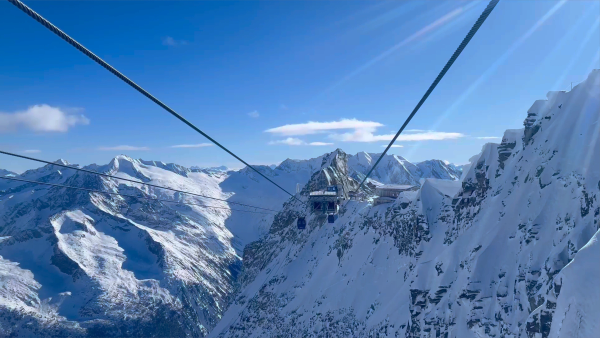
Hintertux Glacier Opens for 2026-27 With 12 Kilometres of Piste
Hintertux became Austria's second glacier to open for 2026-27 on Friday 2 October, after the Pitztal Glacier. Twelve kilometres of piste are running around the Olperer and Gefrorene Wand, served by one gondola and two drag lifts, with the Betterpark also open. Lifts officially run 8:15 am to 4:30 pm, but skiing stops at 2 pm for now.
4 Oct 2026
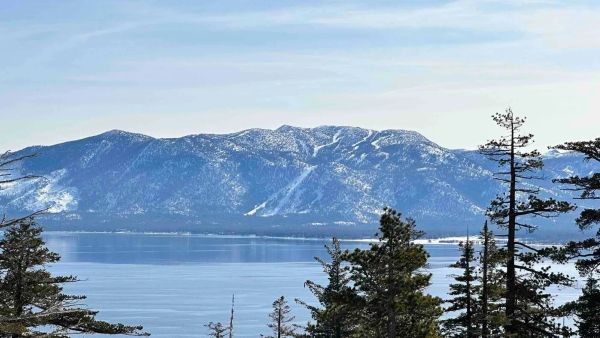
Vail Resorts Counts the Cost of a Thin Winter as Pass Sales Slide Further
A historically poor western winter cut Vail Resorts' annual net income from $280 million to $147.5 million and skier visits by 13.4 per cent. Now 2026-27 pass units are down 12 per cent as of 18 September, worse than the 10 per cent flagged in spring. Vail blames the weather and thinks some buyers are simply waiting, and it forecasts a rebound if the snow behaves.
3 Oct 2026
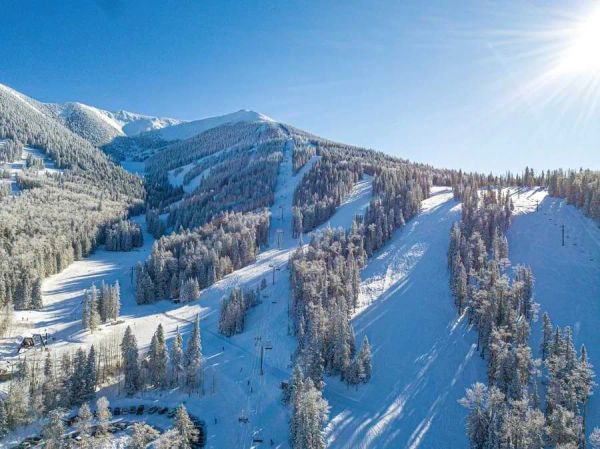
Arizona Snowbowl's $1 Lift Tickets Are Hard to Find, but $9 Days Are Not
Arizona Snowbowl advertised eight $1 lift ticket days this winter. Go looking and only three are showing - 10 March, 1 April and 10 April - so the rest may already have gone. The consolation is a calendar full of $9 days, including all but one day in April. Opening day is 20 November, weather permitting, and opening weekend is $19.
2 Oct 2026
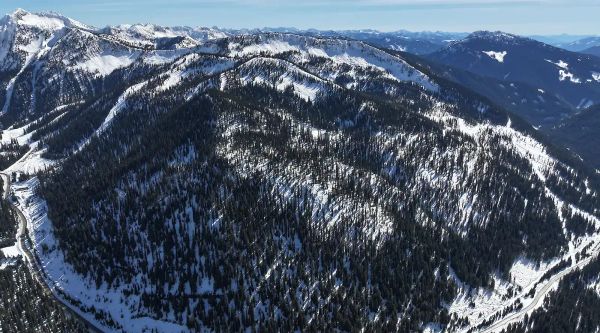
Whitewater Brings Its Short Side Inbounds, With Six New Runs for 2026-27
For years, Whitewater's Short Side was where you ducked a rope and hoped for the best: unmapped, ungroomed and unpatrolled. This winter it's inbounds. Six new runs of glades and fall-line skiing add 190 acres (about 77 hectares), taking the resort past 1,400 acres in total. F2 Logging spent a month in the trees to make it happen, and opening day is pencilled in for 4 December. Bonanza now needs less snow to groom, too.
1 Oct 2026
Gitschberg Jochtal Webcams
8 live angles across the mountain. Tap any camera to go full-screen.
About Gitschberg Jochtal's live webcams
Check live conditions across Gitschberg Jochtal with 8 real-time webcams showing snow, weather, and lift operations, updated every 10 minutes. Check high-elevation cams for powder visibility and base-area cams for crowd levels before you head up.
Camera guide
- Steinermandl2118m
- Experience commanding panoramic perspectives through this spectacular Gitschberg Jochtal webcam positioned at Steinermandl summit at 2118 meters elevation. This strategic live cam captures sweeping 360-degree views from the Steinermandl panoramic platform, revealing South Tyrol's largest Eisacktal ski resort terrain where beginner slopes dominate the western sector. Perfect for assessing upper mountain visibility across 55 kilometers of varied skiing, this Gitschberg Jochtal web cam showcases the stunning alpine scenery where families explore three children's snow parks beneath clear blue skies just 53 kilometers from Bolzano.
- Mountain Station Ski Express2214m
- Monitor challenging expert terrain through this elevated Gitschberg Jochtal webcam positioned at Ski Express mountain station at 2214 meters elevation. This essential live cam reveals the approach to Monte Cuzzo's legendary black run featuring sustained 45% gradients that test advanced skiers. Track current snow conditions and skier activity through this Gitschberg Jochtal web cam as you assess the resort's most demanding descents where expert terrain meets spectacular Dolomites and Central Alps panoramic views across South Tyrol's expansive mountain landscape.
- Nesselbahn2100m
- Capture mid-mountain operations through this strategic Gitschberg Jochtal webcam at Nesselbahn gondola summit at 2100 meters elevation. This vital live cam shows conditions at the Gitschberg section where the modern lift system from Meransen village delivers skiers to the Gitschberg panoramic platform and Sun Park. Essential for monitoring access to upper slopes, this Gitschberg Jochtal live cam reveals snow quality across predominantly intermediate terrain where south-facing aspects provide abundant sunshine throughout the winter season.
- Jochtal Hinterberg2100m
- Experience flowing intermediate skiing through this well-positioned Gitschberg Jochtal webcam at Hinterberg six-seat chairlift summit at 2100 meters elevation. This Gitschberg Jochtal live cam captures the Jochtal sector accessed from Vals village, revealing varied terrain where families navigate perfectly groomed runs. Monitor current mountain conditions through this live cam at the heart of South Tyrol's family-friendly ski destination where modern lift infrastructure serves 60 runs across two connected mountain sectors.
- Rodenecker-Lüsner Alm1936m
- Witness Europe's largest high-altitude plateau through this unique Gitschberg Jochtal webcam positioned at Rodenecker-Lüsner Alm at 1936 meters elevation. This distinctive live cam captures the vast 20-square-kilometer alpine pasture featuring extensive cross-country skiing trails, winter hiking paths, and snowshoe routes. Perfect for monitoring conditions beyond the downhill ski area, this Gitschberg Jochtal web cam showcases the expansive meadows and panoramic mountain views that make this plateau a remarkable destination for Nordic skiing enthusiasts exploring South Tyrol's diverse winter landscape.
- Valley Station Meransen1394m
- Track base area operations through this essential Gitschberg Jochtal webcam at Meransen valley station at 1394 meters elevation. This strategic live cam captures the Bergbahn gondola base where skiers begin their ascent from the traditional mountain village of 950 residents. Monitor morning arrival activity and weather conditions through this Gitschberg Jochtal live cam at the southern access point to South Tyrol's largest Eisacktal ski resort, where modern infrastructure meets authentic alpine village atmosphere.
- Intermediate Station Schilling1465m
- Monitor beginner area operations through this accessible Gitschberg Jochtal webcam at Schilling intermediate station at 1465 meters elevation. This family-focused live cam captures the Tasa Platter lift serving dedicated learning terrain where children master their first turns. Essential for families planning their ski school day, this Gitschberg Jochtal web cam reveals current conditions at the welcoming beginner zone where three children's snow parks make this resort one of Italy's most child-friendly skiing destinations.
- Weitental880m
- Experience tranquil valley perspectives through this scenic Gitschberg Jochtal webcam overlooking Weitental hamlet at 880 meters elevation. This unique live cam captures the picturesque village of 970 residents nestled at the entrance to Pfunderertal valley, revealing weather patterns approaching the ski resort above. Monitor conditions in this unspoiled natural landscape through this Gitschberg Jochtal live cam, where traditional farmsteads and authentic South Tyrolean hospitality define the peaceful valley setting below the dramatic mountain slopes of the Gitschberg terrain.
Gitschberg Jochtal snow cams FAQ
How often do Gitschberg Jochtal snow cams update?
All Gitschberg Jochtal snow cams and webcams update every 10 minutes with fresh images showing current mountain conditions. This frequent update schedule ensures you have access to near real-time conditions for planning your ski day at Gitschberg Jochtal.
Which Gitschberg Jochtal webcam shows the best powder conditions?
The high-elevation Mountain Station Ski Express webcam at 2,214m provides the clearest view of powder conditions and snowfall. These Gitschberg Jochtal webcams capture fresh snow accumulation and visibility better than base area cameras.
Can I see Gitschberg Jochtal lift queues on the webcams?
Yes. Multiple Gitschberg Jochtal snow cams specifically show lift queue areas and chairlift operations, helping you time your arrival and avoid peak queue periods.
When is the best time to check Gitschberg Jochtal snow cams?
Check Gitschberg Jochtal webcams early morning (7-8am) for overnight snowfall assessment, and mid-afternoon for current crowd levels and weather. The live cams are most useful after storm events to assess fresh powder.
How can I check current conditions before buying Gitschberg Jochtal lift tickets?
Use our Gitschberg Jochtal webcams alongside the live snow report to assess conditions before purchasing lift tickets. The webcams show real-time visibility, snow quality, and operational status.
Do Gitschberg Jochtal webcams work on mobile devices?
Yes. All Gitschberg Jochtal snow cams and webcams are optimized for mobile viewing, so you can check live conditions from anywhere using your phone or tablet.
More Gitschberg Jochtal intelligence: snow report, lift tickets, trail map, resort overview.