
The Overview
Michael Fulton
Melbourne-based skier and snowboarder with 50+ resorts across 5 continents. Specialises in Australian resorts and international resort comparisons.
Klausberg delivers spectacular South Tyrolean skiing with 40.5km of perfectly groomed slopes ascending from 1,050m to 2,510m in the dramatic Ahrntal valley, surrounded by over 80 imposing 3,000m peaks of the Zillertal Alps. This family-oriented resort combines predominantly beginner and intermediate terrain with modern lift infrastructure including South Tyrol's highest eight-person gondola—the K2 reaching 2,510m elevation—alongside four additional gondolas, one eight-person chair, two quads, one triple chair, one double chair, and three surface lifts efficiently serving 27 varied runs. The resort's 100% snowmaking coverage across all terrain guarantees absolute snow reliability from early December through late April, establishing Klausberg as one of Italy's most dependable skiing destinations regardless of natural snowfall patterns.
Part of the extensive Skiworld Ahrntal network providing access to 86km of slopes across four interconnected areas including Speikboden and village lifts at Weißenbach and Rein in Taufers, Klausberg stands out through its 48% beginner terrain, 35% intermediate runs, and 17% advanced slopes creating ideal progression opportunities for developing skiers. The resort's 1,460m vertical drop from K2 summit to valley base includes the legendary Steinhaus run—an exceptionally long, icy descent favoured by international ski professionals for World Cup slalom training—while the wide-open Almboden sector provides forgiving intermediate cruising across perfectly maintained pistes beneath spectacular alpine panoramas.
Klausberg distinguishes itself as one of Italy's most family-friendly ski destinations through comprehensive children's facilities including Klausi-Land with mascot Klausi the marmot, magic carpets, slides, and igloo features, alongside the beloved Dino Fun-Line adventure slope featuring 10 life-sized dinosaurs creating a prehistoric wonderland for young skiers. The resort earned international recognition through world-renowned freeskier Markus Eder—an Ahrntal native who learned to ski at Klausberg and featured the resort in his acclaimed film "The Ultimate Run"—while the Funtaklaus Snowpark at 2,400m, tested by Olympic champion Joss Christensen, ranks among the Alps' finest terrain parks with Easy, Medium, and Pro lines, rails, boxes, and kickers serving freestyle enthusiasts at all skill levels beneath the towering Zillertal Alps peaks.
1460m
Vertical
27
Runs
40.5 km
Piste
4m
Annual snow
The Terrain
27 runs across 40.5 km of piste
Klausberg rises above Steinhaus in the Ahrntal valley, with 40.5 kilometres of piste across 27 runs between 1,050 and 2,510 metres. The 1,460 metre vertical is large for such a compact area, so descents feel long. Grading is 48% beginner, 35% intermediate and 17% advanced, with no expert terrain. Gondolas do the heavy lifting from the valley, and the mountain faces the Zillertal Alps. It links with Speikboden and the village lifts under the Skiworld Ahrntal banner, which gives families and cruisers a quiet corner of South Tyrol with room to move. Crowds are rarely a concern here.
From the top of the K2 gondola a broad trail leads to the Almboden restaurant and winds through alpine meadow and larch forest, which makes for relaxed cruising. The Funtaklaus snowpark sits at 2,400 metres with easy, medium and pro lines, so freestyle riders have a reason to visit. Advanced skiers get a handful of black runs on the upper mountain, but there are few steeps for freeriders. Beginners have a dedicated children's area near the base. Klausberg is best suited to families, park riders and intermediates who prefer quiet slopes and long vertical to a big, busy network.
Terrain split
27
runs
27 runs across 4 grades
Beginner13 runs · 48%
Intermediate9 runs · 35%
Advanced5 runs · 17%
Expert0 runs · 0%
Time it right
When to visit Klausberg
Klausberg typically operates from early December through late April, delivering one of South Tyrol's most reliable ski seasons through comprehensive snowmaking infrastructure covering 100% of terrain—an absolute snow guarantee regardless of natural precipitation patterns. The resort benefits from average annual snowfall of 350cm supplemented by powerful artificial snow systems maintaining perfect conditions across all 40.5km of slopes, with the elevation range from 1,050m to 2,510m creating varied snow preservation characteristics across predominantly south-facing aspects. Peak season concentrates in January through March when consistent temperatures and strategic snowmaking combine with the resort's sophisticated grooming programmes to maintain world-class surface quality attracting elite training programmes.
The south-facing orientation on the slopes of the Pfunders Mountains creates distinctive conditions, with abundant sunshine during clear days providing comfortable temperatures while the comprehensive snowmaking network compensates for increased solar exposure, ensuring reliable coverage from valley base through K2 summit. The predominantly beginner and intermediate terrain with 48% blue runs and 35% red runs receives meticulous daily grooming maintaining perfect corduroy conditions, while 17% advanced terrain including the legendary Steinhaus World Cup training run demands consistent ice-hard surfaces achieved through sophisticated water injection and temperature-controlled snowmaking technology operating throughout the season.
The extended season frequently stretches past mid-April thanks to dedicated slope preparation at higher elevations, with the Funtaklaus Snowpark at 2,400m maintaining exceptional freestyle features well into spring when lower resorts struggle. Klausberg's position surrounded by over 80 towering 3,000m peaks of the Zillertal Alps creates spectacular visual drama throughout winter, while the family-focused atmosphere emphasises safe, predictable conditions over extreme powder opportunities—the "White Carpet" programme providing freshly groomed slopes three times weekly at 1am accommodates late-starting skiers, and Thursday evening ski touring access with one illuminated descent demonstrates the resort's commitment to diverse winter experiences in the heart of South Tyrol's most scenic valley.
Season 2026 - 2027
4 Dec 2026
Opens
11 Apr 2027
Closes
128
Days open
4 m
Annual snow
Getting there
Getting to Klausberg, and where to stay
Located at the remote upper end of the Ahrntal valley in South Tyrol at elevations between 1,050m and 2,510m, Klausberg sits in the picturesque village of Steinhaus just 30km from Bruneck through the scenic Tauferer Ahrntal valley with minimal gradients creating easy access. The resort's dramatic position surrounded by over 80 imposing 3,000m peaks of the Zillertal Alps establishes spectacular alpine atmosphere, with nearby villages including St. Johann (3.2km), Luttach (7km), and the historic mining town of Prettau providing authentic South Tyrolean hospitality in an area where Italian, German, and Ladin cultural influences create distinctive regional character.
Bolzano Airport provides the primary gateway 106km away with transfer times of approximately 100 minutes, while Innsbruck Airport offers alternative access 133km distant across the Austrian border. The resort's location just 58km from the Brixen-Pustertal exit of the Brenner Autobahn motorway creates straightforward road access, with free car parks adjacent to K-Express and Brugger lift base stations accommodating day visitors. The area's position in the heart of the Tauferer Ahrntal valley—where legendary freeskier Markus Eder grew up perfecting his craft before achieving international acclaim—adds cultural significance to this spectacular mountain setting.
The resort's membership in Skiworld Ahrntal provides seamless connections to neighbouring Speikboden (86km combined terrain) and village lifts at Weißenbach and Rein in Taufers, creating comprehensive skiing diversity accessible through free ski bus services throughout the valley. Beyond downhill skiing, the Ahrntal valley offers extensive cross-country trails, winter hiking paths, and snowshoe routes across pristine alpine landscapes, while authentic South Tyrolean mountain huts serve traditional cuisine blending Italian and Austrian influences—local specialities enjoyed on sunny terraces overlooking the towering Zillertal Alps peaks. The area's historic mining heritage including Prettau's museums and the unique glacial caves featured in Markus Eder's acclaimed "Ultimate Run" film add cultural depth to this exceptional family-friendly skiing destination in one of Italy's most unspoilt mountain valleys.
Where to stay
Search all stays →Hotels and lodges near Klausberg, powered by Stay22.
Latest News
From the SnowStash desk
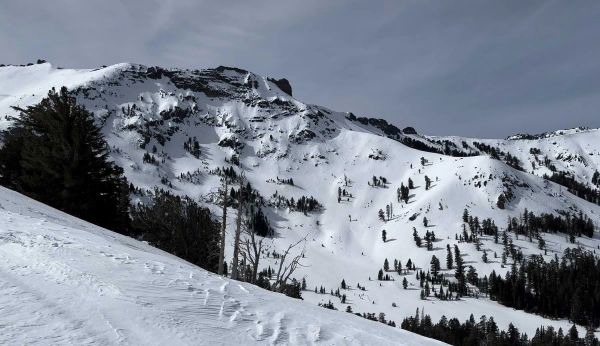
California Ski Resort Opening Dates 2026-27: Mammoth Leads, Tahoe Follows
Mammoth Mountain is first up in California, targeting Friday 13 November after a dusting of September snow. Heavenly and Northstar follow on 20 November, Palisades Tahoe on Wednesday 25 November and Sugar Bowl on 27 November, with Kirkwood on 4 December and June Mountain on 19 December. Plenty of smaller areas have no date yet. A super El Niño favours the Sierra, but a warmer storm track is the catch.
7 Oct 2026
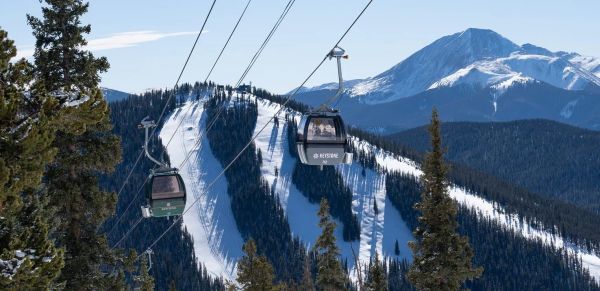
Colorado Ski Resort Opening Dates 2026-27: A-Basin and Keystone Race to Be First
Arapahoe Basin, Keystone and Winter Park are all chasing an October start, though none has a firm date yet. The first dated openers are Breckenridge and Copper on Friday 6 November, then Vail on 13 November, with most of the rest bunched around US Thanksgiving. Hesperus did not open at all last season. A super El Niño offers hope but no guarantee, and forecasters say the southern mountains have the better odds.
5 Oct 2026
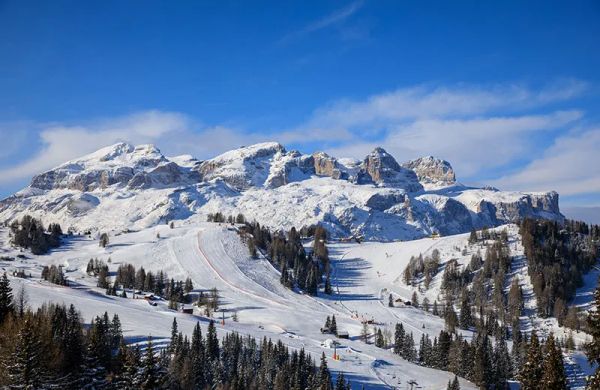
Dolomiti Superski 2026-27: Four New Gondolas, New Reservoirs and an €89 Peak Day Pass
Dolomiti Superski is spending around €100 million across its 12 areas before winter. Kronplatz gets a new 10-passenger gondola with a middle station, 3 Zinnen gets Helmissimo, and Val di Fassa swaps a chairlift for a gondola above Col Valvacin. New water-storage basins and upgraded snowmaking follow, and construction has started on the San Martino to Passo Rolle link. A peak adult day pass is €89.
4 Oct 2026
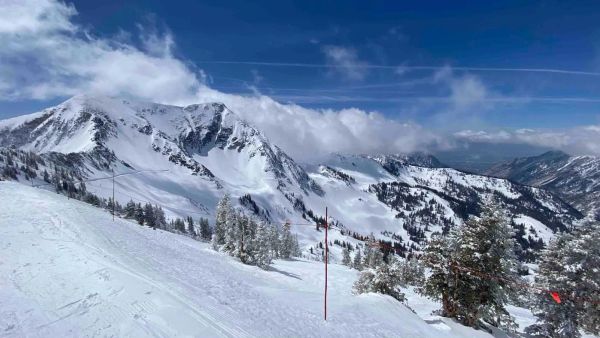
Utah Ski Resort Opening Dates 2026-27: Brian Head First, Eagle Point Out
Brian Head is targeting 6 November, though last year it aimed for 7 November and did not open until the 25th. Park City, Alta and Solitude are pencilled in for 20 November, Snowbird and Snowbasin for 27 November, and Deer Valley for 5 December. Eagle Point will stay closed after the Cottonwood Fire. A super El Niño is forecast, but the big snow is not expected until January.
4 Oct 2026
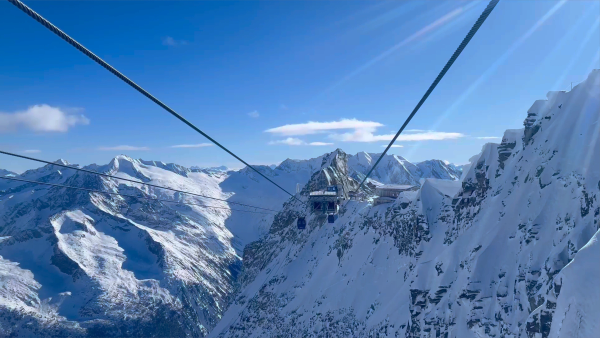
Hintertux Glacier Opens for 2026-27 With 12 Kilometres of Piste
Hintertux became Austria's second glacier to open for 2026-27 on Friday 2 October, after the Pitztal Glacier. Twelve kilometres of piste are running around the Olperer and Gefrorene Wand, served by one gondola and two drag lifts, with the Betterpark also open. Lifts officially run 8:15 am to 4:30 pm, but skiing stops at 2 pm for now.
4 Oct 2026
Vail Resorts Counts the Cost of a Thin Winter as Pass Sales Slide Further
A historically poor western winter cut Vail Resorts' annual net income from $280 million to $147.5 million and skier visits by 13.4 per cent. Now 2026-27 pass units are down 12 per cent as of 18 September, worse than the 10 per cent flagged in spring. Vail blames the weather and thinks some buyers are simply waiting, and it forecasts a rebound if the snow behaves.
3 Oct 2026
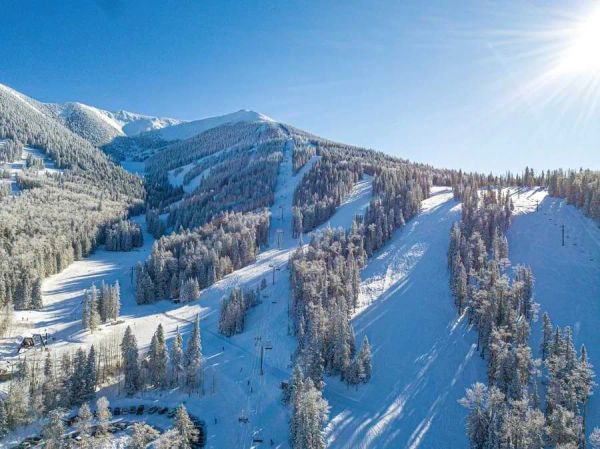
Arizona Snowbowl's $1 Lift Tickets Are Hard to Find, but $9 Days Are Not
Arizona Snowbowl advertised eight $1 lift ticket days this winter. Go looking and only three are showing - 10 March, 1 April and 10 April - so the rest may already have gone. The consolation is a calendar full of $9 days, including all but one day in April. Opening day is 20 November, weather permitting, and opening weekend is $19.
2 Oct 2026
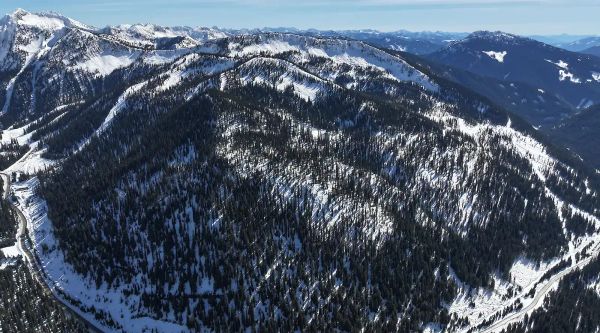
Whitewater Brings Its Short Side Inbounds, With Six New Runs for 2026-27
For years, Whitewater's Short Side was where you ducked a rope and hoped for the best: unmapped, ungroomed and unpatrolled. This winter it's inbounds. Six new runs of glades and fall-line skiing add 190 acres (about 77 hectares), taking the resort past 1,400 acres in total. F2 Logging spent a month in the trees to make it happen, and opening day is pencilled in for 4 December. Bonanza now needs less snow to groom, too.
1 Oct 2026
Klausberg Lift System
The lift infrastructure at Klausberg features 12 modern installations strategically distributed across the mountain's south-facing slopes, efficiently transporting skiers through 1,460m of spectacular vertical terrain from the Steinhaus valley base at 1,050m to the dramatic K2 summit at 2,510m elevation. Four gondola systems form the resort's primary uphill capacity, led by the magnificent K2 eight-person gondola—South Tyrol's highest installation of its type—delivering skiers to 2,510m where Funtaklaus Snowpark and breathtaking panoramic views across over 80 surrounding 3,000m peaks create an unforgettable high-alpine atmosphere. The recently installed 10-person Sonnen gondola expanded the piste network by 7.4km, providing direct access to extensive south-facing terrain and cosy mountain huts while creating new descent options.
Valley access begins via the K-Express gondola from Steinhaus village, complemented by the Brugger lift and strategic mid-mountain gondolas including Panorama serving the resort's central sectors. One eight-person chairlift, two quad chairs including the crucial Almboden installation serving the resort's family-friendly wide-slope sector, one triple chair, and one double chair distribute skiers across varied terrain zones, while three surface lifts provide dedicated beginner area access in the Klausi-Land children's zones equipped with magic carpets creating ideal learning environments. The system's modern design emphasises weather protection and efficient uphill capacity, with gondola-based access eliminating exposed chairlift rides during variable South Tyrolean weather patterns.
The lift network creates seamless access to Klausberg's signature features including the Racing Center at Steinhaus—the training ground for numerous World Cup stars requiring consistent, icy conditions on exceptionally long runs—and the speed track beginning at K2 gondola's upper terminal where advanced skiers test their velocity on perfectly groomed terrain. Three toboggan runs including the spectacular 5.5km illuminated Klausberg descent (operating Tuesday evenings) and the year-round 1.8km Klausberg-Flitzer Alpine Coaster provide alternative mountain experiences, while comprehensive ski bus connections throughout Skiworld Ahrntal integrate Klausberg with Speikboden and village lifts creating a unified 86km network accessible with a single pass beneath the dramatic Zillertal Alps skyline.
12lifts across 6 types
4
Gondolas
1
8-Person Chair
2
Quad Chairs
1
Triple Chair
1
Double Chair
3
Surface Lifts
Klausberg lift system
Klausberg is served by 12 lifts, listed here by type. Check which lifts are turning against the live conditions before you plan your first laps - early lifts and high-speed chairs get you to the best snow fastest.
More Klausberg intelligence: trail map, snow report, webcams, resort overview.