
The Overview
Michael Fulton
Melbourne-based skier and snowboarder with 50+ resorts across 5 continents. Specialises in Australian resorts and international resort comparisons.
Plose is the local mountain of Brixen (Bressanone) in the Eisacktal in South Tyrol, a ski area spanning 1,039m to 2,505m across 42.5km of pistes on two peaks of the Plose massif - the Plose summit itself and the adjacent Cima Piatta (Pfannspitze). The terrain is broad, mostly south-facing and consistently sunny, with the ski area recording an average of 71 sunny days per season - among the highest of any resort in South Tyrol. From the summit, the panorama sweeps across the UNESCO Dolomites to the south and the main Alpine ridge to the north.
The ski area's most celebrated run is the Trametsch, a 9km descent from 2,446m at the Plosehütte to the gondola base at 1,067m, dropping 1,400m of vertical. It is one of the longest groomed valley descents in South Tyrol and runs as a black piste in its lower sections, making it a benchmark challenge for strong skiers ending the day. A Speed Check station on the mountain allows skiers to measure their velocity on designated stretches.
Off the slopes, the RudiRun is a 9km natural toboggan run - the longest in South Tyrol - descending from the gondola summit station to the valley base, with a shorter 4km variant finishing at the mid-station. The Plosebob, a separate rail-guided sled run, adds a further activity accessible from the top station. Snowmaking covers 80% of marked pistes, with the high-altitude position above 2,000m providing good natural snow retention through the core winter months.
Plose sits within the Dolomiti Superski network and also participates in the Gitschberg-Jochtal-Brixen regional pass, which gives access to a combined 98km of pistes across the two areas. A Rio Pusteria-Brixen multi-resort pass further extends access to five South Tyrolean ski areas including Lüsen, Velturno and Funes.
1466m
Vertical
20
Runs
42.5 km
Piste
4m
Annual snow
The Terrain
20 runs across 42.5 km of piste
Plose is the local mountain for Brixen in South Tyrol, with 42.5 kilometres of piste over 20 runs. It carries one of the biggest verticals in the area, 1,466 metres from a 1,039-metre valley base to the 2,505-metre top. The grading is unusual: 46% beginner, 22% intermediate and 32% advanced, with no expert terrain, so the middle ground is thin. Gentle slopes sit near the mid-mountain stations, while the steeper black pitches carry the vertical. A 10-seat gondola and a six-seat chair move people efficiently, and the sunny aspect keeps the slopes pleasant through the day.
The signature run is the Trametsch, a black that runs about nine kilometres from Kreuztal to the valley station and finishes a day on a high. Crazy Horse, another black, is named after racing great Erwin Stricker and starts from the highest point. Pfannspitze and Rossalm open up the eastern face and the upper mountain. Freeride options are limited, so this is a piste skier's mountain. Plose suits beginners and strong advanced skiers who enjoy long descents, though intermediates should be ready for the occasional steep section on the way down to the valley.
Terrain split
20
runs
20 runs across 4 grades
Beginner9 runs · 46%
Intermediate4 runs · 22%
Advanced6 runs · 32%
Expert0 runs · 0%
Time it right
When to visit Plose Brixen
Plose operates from early December through to early April, with the 2025-26 season running from 5 December 2025 to 6 April 2026. The season window reflects the resort's mid-range altitude and predominantly south-facing aspect, with snowmaking covering 80% of marked pistes and the upper terrain above 2,000m typically holding natural snow well into March.
Annual snowfall averages 3.5 metres across the ski area, with the summit area around 2,500m maintaining reliable depth through the core winter period. Average snow depth at the summit peaks around 95cm in February and March - the deepest and sunniest months respectively - with March delivering around 21 sunny days on average, the highest of any month in the season. The south-facing aspect accelerates morning warm-up but also accelerates afternoon softening, making early starts on the mountain particularly rewarding.
The Trametsch valley run is at its best during the mid-season window from January through March, when full base depth allows the complete 9km descent from summit to valley station. The RudiRun toboggan run operates alongside the ski season with the same gondola access, adding an evening or alternative activity option for groups splitting ski and non-ski days.
Brixen itself provides a genuine off-slope draw throughout the season. The medieval city - one of the oldest in South Tyrol, with a cathedral dating to the 10th century - hosts a Christmas market in late November and December and offers year-round restaurants, cafés and the Acquarena wellness centre with 12,000m² of pools, saunas and fitness facilities.
Season 2026 - 2027
4 Dec 2026
Opens
4 Apr 2027
Closes
121
Days open
4 m
Annual snow
Getting there
Getting to Plose Brixen, and where to stay
Plose sits above the city of Brixen (Bressanone) in the Eisacktal in South Tyrol, with the gondola valley station at St. Andrä located 7km from the city centre. Brixen is directly on the A22 Brenner motorway corridor, with the Bressanone motorway exit placing skiers within 15 minutes of the gondola base. The city is one of the most accessible urban ski bases in the Dolomites for drivers coming from the north.
Innsbruck Airport in Austria is the closest international gateway, approximately 60km to the north via the A22 across the Brenner Pass. Verona Villafranca Airport to the south is around 200km via the same motorway. Bolzano Airport, with limited connections, sits around 40km to the south.
Brixen is served by the main Brenner rail line with frequent InterCity and regional services connecting to Innsbruck, Bolzano and Verona. From Brixen station, bus line 321 runs directly to the Plose gondola valley station at St. Andrä. The journey takes around 15-20 minutes. Drivers can also access the upper mountain from Palmschoss via a separate road, which suits visitors based in the villages above the valley floor.
Brixen is a functioning city of around 22,000 people with a well-preserved medieval centre, a full range of accommodation across all categories, and a restaurant scene that draws on both South Tyrolean and northern Italian culinary traditions. The combination of urban amenity and direct gondola access to a 2,500m ski area within 20 minutes is unusual in the Dolomites context and is Plose's clearest point of difference in the regional market.
Where to stay
Search all stays →Hotels and lodges near Plose Brixen, powered by Stay22.
Latest News
From the SnowStash desk
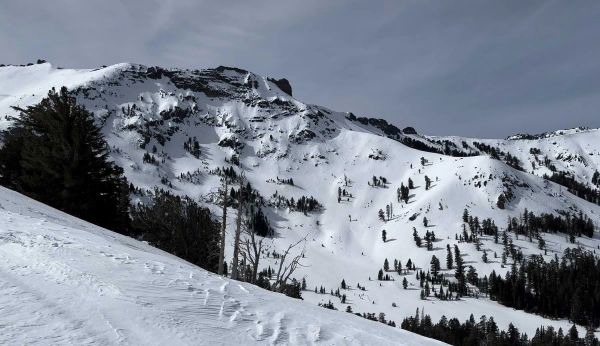
California Ski Resort Opening Dates 2026-27: Mammoth Leads, Tahoe Follows
Mammoth Mountain is first up in California, targeting Friday 13 November after a dusting of September snow. Heavenly and Northstar follow on 20 November, Palisades Tahoe on Wednesday 25 November and Sugar Bowl on 27 November, with Kirkwood on 4 December and June Mountain on 19 December. Plenty of smaller areas have no date yet. A super El Niño favours the Sierra, but a warmer storm track is the catch.
7 Oct 2026
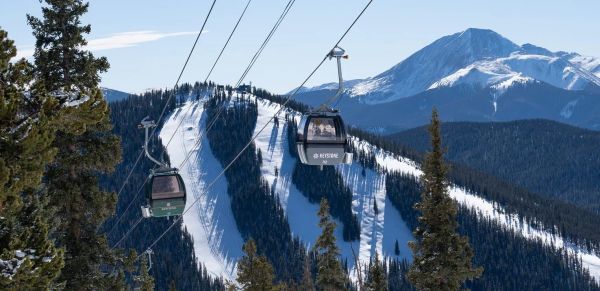
Colorado Ski Resort Opening Dates 2026-27: A-Basin and Keystone Race to Be First
Arapahoe Basin, Keystone and Winter Park are all chasing an October start, though none has a firm date yet. The first dated openers are Breckenridge and Copper on Friday 6 November, then Vail on 13 November, with most of the rest bunched around US Thanksgiving. Hesperus did not open at all last season. A super El Niño offers hope but no guarantee, and forecasters say the southern mountains have the better odds.
5 Oct 2026
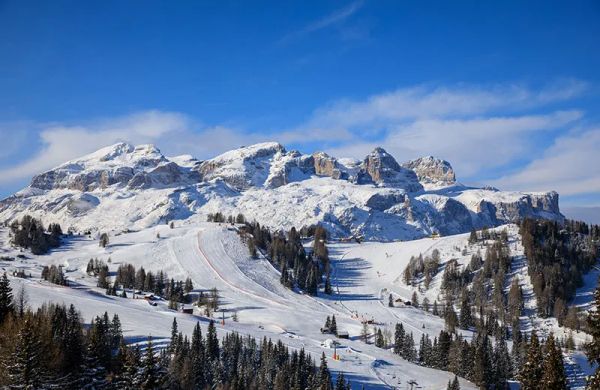
Dolomiti Superski 2026-27: Four New Gondolas, New Reservoirs and an €89 Peak Day Pass
Dolomiti Superski is spending around €100 million across its 12 areas before winter. Kronplatz gets a new 10-passenger gondola with a middle station, 3 Zinnen gets Helmissimo, and Val di Fassa swaps a chairlift for a gondola above Col Valvacin. New water-storage basins and upgraded snowmaking follow, and construction has started on the San Martino to Passo Rolle link. A peak adult day pass is €89.
4 Oct 2026
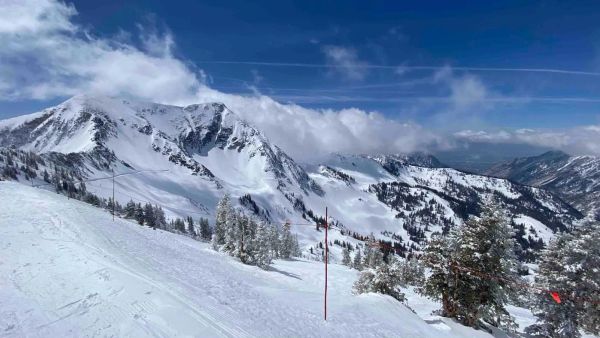
Utah Ski Resort Opening Dates 2026-27: Brian Head First, Eagle Point Out
Brian Head is targeting 6 November, though last year it aimed for 7 November and did not open until the 25th. Park City, Alta and Solitude are pencilled in for 20 November, Snowbird and Snowbasin for 27 November, and Deer Valley for 5 December. Eagle Point will stay closed after the Cottonwood Fire. A super El Niño is forecast, but the big snow is not expected until January.
4 Oct 2026
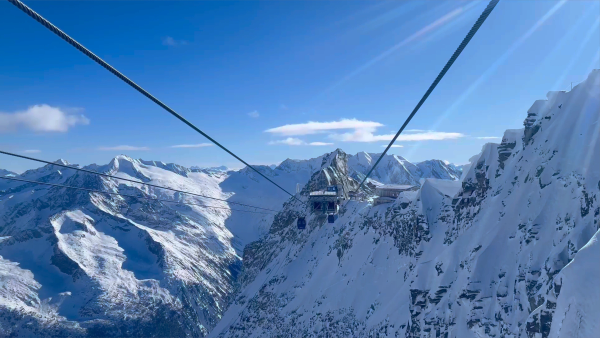
Hintertux Glacier Opens for 2026-27 With 12 Kilometres of Piste
Hintertux became Austria's second glacier to open for 2026-27 on Friday 2 October, after the Pitztal Glacier. Twelve kilometres of piste are running around the Olperer and Gefrorene Wand, served by one gondola and two drag lifts, with the Betterpark also open. Lifts officially run 8:15 am to 4:30 pm, but skiing stops at 2 pm for now.
4 Oct 2026
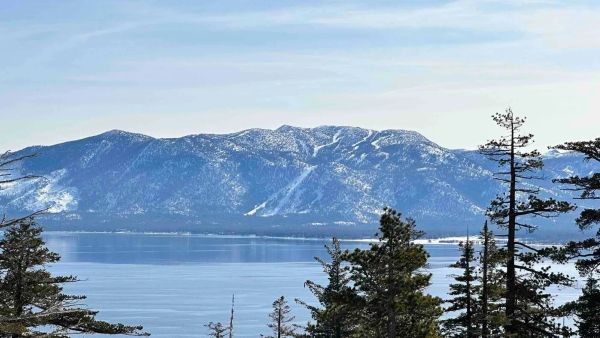
Vail Resorts Counts the Cost of a Thin Winter as Pass Sales Slide Further
A historically poor western winter cut Vail Resorts' annual net income from $280 million to $147.5 million and skier visits by 13.4 per cent. Now 2026-27 pass units are down 12 per cent as of 18 September, worse than the 10 per cent flagged in spring. Vail blames the weather and thinks some buyers are simply waiting, and it forecasts a rebound if the snow behaves.
3 Oct 2026
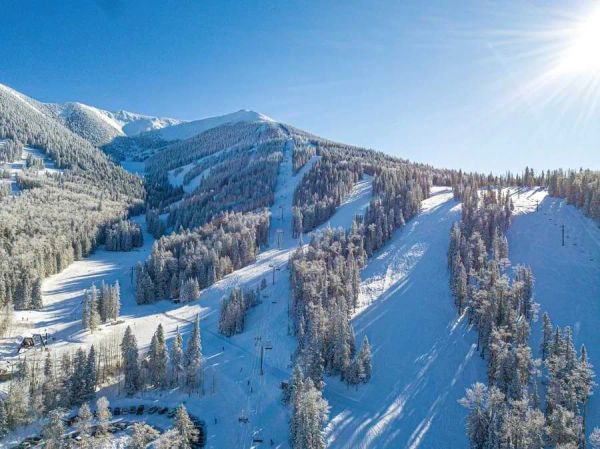
Arizona Snowbowl's $1 Lift Tickets Are Hard to Find, but $9 Days Are Not
Arizona Snowbowl advertised eight $1 lift ticket days this winter. Go looking and only three are showing - 10 March, 1 April and 10 April - so the rest may already have gone. The consolation is a calendar full of $9 days, including all but one day in April. Opening day is 20 November, weather permitting, and opening weekend is $19.
2 Oct 2026
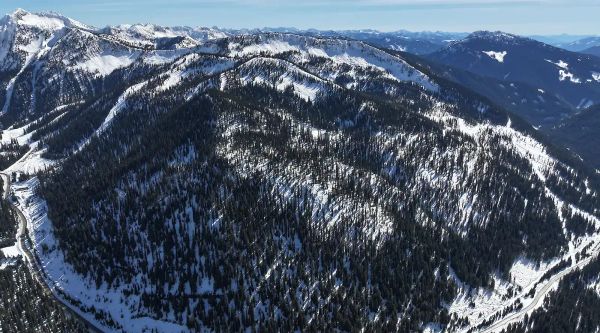
Whitewater Brings Its Short Side Inbounds, With Six New Runs for 2026-27
For years, Whitewater's Short Side was where you ducked a rope and hoped for the best: unmapped, ungroomed and unpatrolled. This winter it's inbounds. Six new runs of glades and fall-line skiing add 190 acres (about 77 hectares), taking the resort past 1,400 acres in total. F2 Logging spent a month in the trees to make it happen, and opening day is pencilled in for 4 December. Bonanza now needs less snow to groom, too.
1 Oct 2026