
The Overview
Michael Fulton
Melbourne-based skier and snowboarder with 50+ resorts across 5 continents. Specialises in Australian resorts and international resort comparisons.
Masella occupies the northern slopes of Tosa d'Alp mountain in La Cerdanya, delivering 74km of marked terrain across 35 runs that rise from the Pla de Masella base at 1,600m to the summit at 2,535m — a vertical drop of 935m that ranks as the largest skiable descent in the Eastern Pyrenees. What makes Masella's terrain layout genuinely distinctive is its forest cover: approximately 80–90% of the resort's runs thread through dense black pine forest, with only the upper mountain breaking into open alpine ground above the treeline.
This configuration provides natural wind protection and preserves snow quality across the majority of the ski area, while giving the mountain a character quite different from the open-bowl resorts more common in the Aragonese Pyrenees. Terrain is spread across 14% beginner, 37% intermediate, 34% advanced and 15% expert runs.
Masella's headline feature beyond the skiing itself is its night operation — the resort holds the title of the largest floodlit ski area in the Pyrenees, with 13 illuminated runs covering around 10km of lit terrain served by seven lifts and operating until 9:00pm. This makes Masella a viable evening destination for Barcelona-based visitors and one of the very few places in the Spanish Pyrenees where a full après-dark ski session is genuinely on the table.
The resort also carries one of the most extensive snowmaking networks in Spain, with 380 snow cannons covering approximately 30km of piste — infrastructure that supports consistent conditions from the December open through to the late April close.
935m
Vertical
35
Runs
74 km
Piste
6m
Annual snow
The Terrain
35 runs across 74 km of piste
Masella packs 74 kilometres of piste into only 35 runs, which means long, continuous descents, with the 935-metre vertical running from 2,535 metres at the summit to 1,600 metres at Pla de Masella. Intermediate terrain makes up 37%, advanced 34%, expert 15% and beginner 14%, so it is a skier's mountain rather than a nursery. Slopes face north on the Tosa d'Alp, keeping the snow in better shape than many sunnier neighbours, and a good portion of the skiing winds through pine forest. Lift queues are rarely the problem here; deciding which run to repeat is.
The best skiing starts high on the Tosa d'Alp, where the top section opens out above the trees and the pistes pitch down towards the forest. Red runs make good cruising laps, while blacks reward confident skiers with firm, quick turns. Beginners have a quiet area at the base. Masella links with La Molina over the Tosa through the Alp 2500 cable car, so a day trip to the other side is easy to arrange. Freeride options are limited. It suits intermediates and advanced skiers who prefer long pistes and a calmer day.
Terrain split
35
runs
35 runs across 4 grades
Beginner5 runs · 14%
Intermediate13 runs · 37%
Advanced12 runs · 34%
Expert5 runs · 15%
Time it right
When to visit Masella
Masella operates from early December through to late April, with the 2025/26 season running 10 December to 27 April. The resort averages around 6 metres of annual snowfall and benefits significantly from its 90% north-facing aspect across the piste network — an orientation that minimises solar radiation on the snowpack and produces some of the most consistent snow preservation in the Catalan Pyrenees across the full season length.
The dense pine forest cover across the lower and mid-mountain adds a further layer of protection, shading snow from wind scouring and sun exposure even on clear, high-pressure days when exposed resorts can suffer surface deterioration.
The snowiest period at Masella falls in the last week of January, which historically delivers the deepest accumulations of the winter. Combined with the resort's 380-cannon snowmaking network — one of the largest in Spain by coverage — this means early December openings are well supported even in thin snow years, and base depths on the groomed piste network hold reliably through March.
The current 2025/26 season has recorded a base depth of 240cm with a season total of 402cm. Spring skiing at Masella is particularly well regarded, with the forested mid-mountain runs retaining cold, workable snow well into April while the upper open slopes offer wide-open views over the Cerdanya Valley on clear days.
Season 2026 - 2027
28 Nov 2026
Opens
25 Apr 2027
Closes
148
Days open
6 m
Annual snow
Getting there
Getting to Masella, and where to stay
Masella sits within the municipality of Alp in La Cerdanya, Girona province, on the northern slope of Tosa d'Alp in the Catalan Pyrenees. The resort base at Pla de Masella is approximately 150km from Barcelona by road via the C-16 highway through the Túnel del Cadí, making it one of the more accessible ski resorts in the Pyrenees for travellers from a major city.
Barcelona El Prat Airport is around 110 minutes by car, while Girona, Perpignan and Toulouse airports are all within three hours. Unlike neighbouring La Molina, Masella does not have a direct train connection, but the resort's proximity to the French border — with Puigcerdà just minutes away and the French Cerdagne accessible without a passport — gives it a genuinely cross-border character.
The surrounding Cerdanya Valley is one of the broadest and sunniest valleys in the Pyrenees, with the medieval town of Puigcerdà just 12km from the resort base providing the main accommodation and dining hub for visitors.
The town straddles the Spanish-French border and offers a strong selection of Catalan restaurants, local markets and traditional mountain hospitality that contrasts with the more compact, purpose-built resort atmosphere at the mountain itself. Masella's position on the Alp municipality also places it within easy reach of the Cadí-Moixeró Natural Park — a protected mountain landscape that forms the geographic backdrop to the ski area and provides extensive snowshoeing and cross-country terrain for non-skiers.
Where to stay
Search all stays →Hotels and lodges near Masella, powered by Stay22.
Latest News
From the SnowStash desk
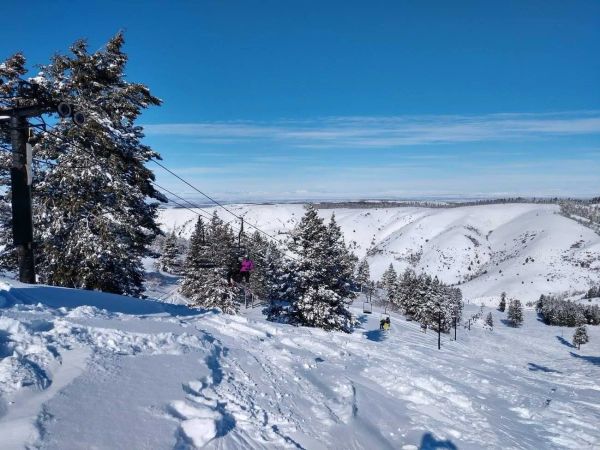
Kelly Canyon, Idaho, Adds Snowmaking, a Bigger Terrain Park and More Parking for 2026-27
Kelly Canyon had a rough 2025-26, and the Idaho resort has spent the summer making sure it doesn’t repeat. Snowmaking now reaches the top of Goldrush, the terrain park is doubling in size with a stereo system, lights and a snack shack, and the car park is getting bigger. Grooming is stepping up too. Target opening is December 4, conditions permitting.
9 Oct 2026
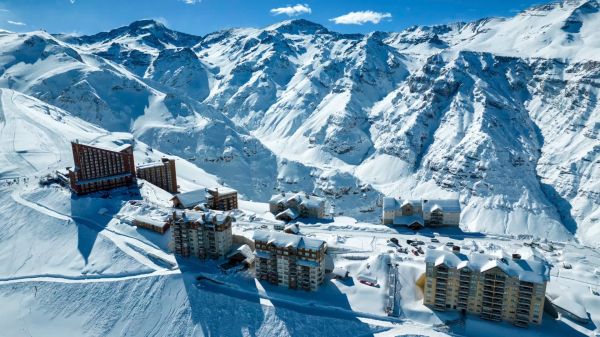
Valle Nevado Extends Season to November 8 After 108 cm in 48 Hours
Winter was meant to be winding down in Chile. Then Valle Nevado took 108 cm in 48 hours in early October, and the resort has pushed its closing date out to November 8 - its latest in 38 years of operation. That makes 143 days of skiing since opening day on June 19, with 690 cm banked for the season. Only part of the mountain is running while the storm settles, so check the mountain report before you plan a trip.
9 Oct 2026
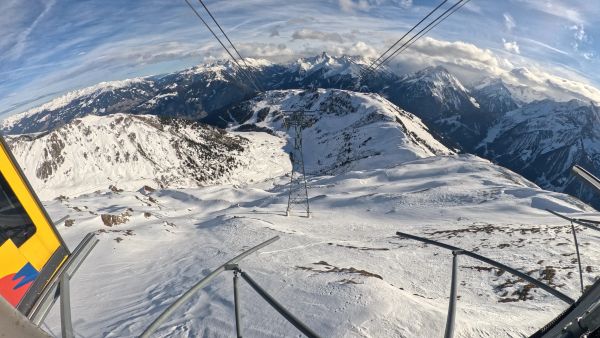
Alps Snow Forecast: Cold Front Brings Thursday Snow to the High Alps
The Alps look a lot more like winter today, for a day or so. A cold front is moving west to east, dropping up to 35 cm on high glaciers and peaks, with snow levels falling to around 1,500-1,800 m at times. Don’t plan a trip around it: mid-elevation snow will be thin and wet, every area is closed bar a limited Sölden glacier opening tomorrow, and warmer weather returns by Monday.
8 Oct 2026
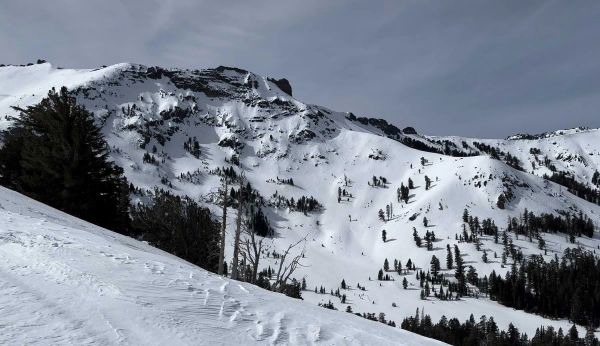
California Ski Resort Opening Dates 2026-27: Mammoth Leads, Tahoe Follows
Mammoth Mountain is first up in California, targeting Friday 13 November after a dusting of September snow. Heavenly and Northstar follow on 20 November, Palisades Tahoe on Wednesday 25 November and Sugar Bowl on 27 November, with Kirkwood on 4 December and June Mountain on 19 December. Plenty of smaller areas have no date yet. A super El Niño favours the Sierra, but a warmer storm track is the catch.
7 Oct 2026
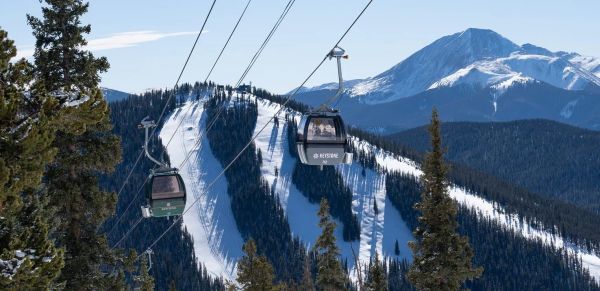
Colorado Ski Resort Opening Dates 2026-27: A-Basin and Keystone Race to Be First
Arapahoe Basin, Keystone and Winter Park are all chasing an October start, though none has a firm date yet. The first dated openers are Breckenridge and Copper on Friday 6 November, then Vail on 13 November, with most of the rest bunched around US Thanksgiving. Hesperus did not open at all last season. A super El Niño offers hope but no guarantee, and forecasters say the southern mountains have the better odds.
5 Oct 2026
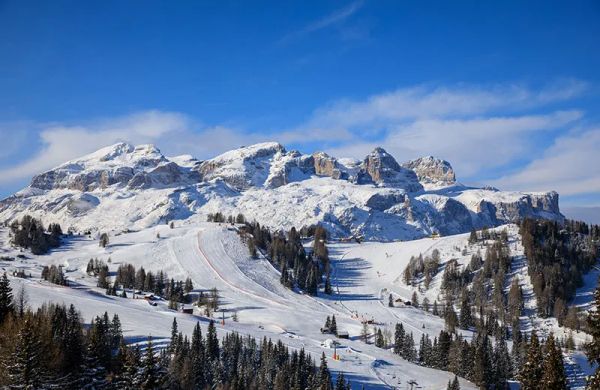
Dolomiti Superski 2026-27: Four New Gondolas, New Reservoirs and an €89 Peak Day Pass
Dolomiti Superski is spending around €100 million across its 12 areas before winter. Kronplatz gets a new 10-passenger gondola with a middle station, 3 Zinnen gets Helmissimo, and Val di Fassa swaps a chairlift for a gondola above Col Valvacin. New water-storage basins and upgraded snowmaking follow, and construction has started on the San Martino to Passo Rolle link. A peak adult day pass is €89.
4 Oct 2026
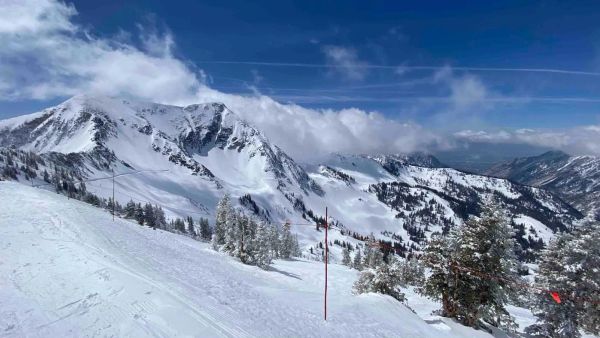
Utah Ski Resort Opening Dates 2026-27: Brian Head First, Eagle Point Out
Brian Head is targeting 6 November, though last year it aimed for 7 November and did not open until the 25th. Park City, Alta and Solitude are pencilled in for 20 November, Snowbird and Snowbasin for 27 November, and Deer Valley for 5 December. Eagle Point will stay closed after the Cottonwood Fire. A super El Niño is forecast, but the big snow is not expected until January.
4 Oct 2026
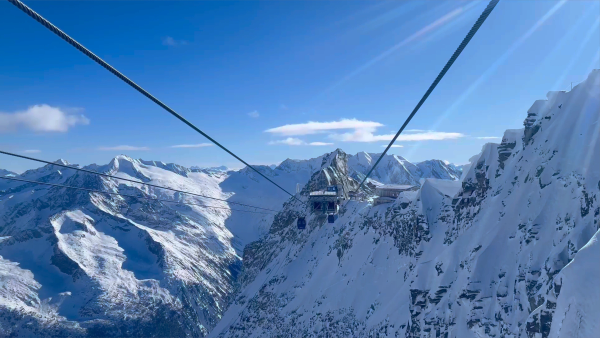
Hintertux Glacier Opens for 2026-27 With 12 Kilometres of Piste
Hintertux became Austria's second glacier to open for 2026-27 on Friday 2 October, after the Pitztal Glacier. Twelve kilometres of piste are running around the Olperer and Gefrorene Wand, served by one gondola and two drag lifts, with the Betterpark also open. Lifts officially run 8:15 am to 4:30 pm, but skiing stops at 2 pm for now.
4 Oct 2026
Masella Snow Report
Snow Report
Updated 9 Oct 2026
2535m
summit
+0cm
new snow · last 24 hours
Clear-4°C / 4°C · N 30km/h
Snowfall
24 hours
0cm
48 hours
3cm
7 days
3cm
Base depth
0cm
Season total
3cm
Total lifts17
Live open status isn’t available right now.
28 Nov 2026 - 25 Apr 2027
Hour by Hour
Next 44 hours· Updated Oct 9, 2026 at 4:02 AM
Scroll for the full outlook · Open-Meteo
7-Day Outlook
2,535 mUpdated Oct 9, 2026 at 4:02 AMOpen-Meteo
Days 1–7
0.0cm
Days 8–14
0.0cm
Fri, Oct 9
Overcast
Temp4° / -4°°C
Snow0.0cm
Wind30 km/h N
Live snow from the resort feed; forecast from Open-Meteo, via Supabase.
Understanding the Masella snow report
Masella snow conditions, updated regularly: current snowfall, snow depth, temperatures, and the outlook for this Spain resort.
Snow measurements
Our snow reports measure snowfall in centimeters over multiple time windows — last 24 hours, last 7 days, and the season total. Base depth reflects accumulation at the 1600m base area, while summit depth captures conditions 935m higher at 2535m, where snow typically stays colder and lingers longer. Imperial conversions are shown alongside for convenience.
Weather conditions
Wind and temperature swings matter as much as fresh snowfall. Cold, calm conditions hold snow quality well, while wind-loading or a warm-up can change things quickly — especially given the elevation spread between Masella's base and summit.
Data sources
We pull Masella's conditions from on-the-ground mountain reporting, then layer in forecast data so you get a fuller picture than either source alone. The mountain is served by 17 lifts, including 2 quad chairlifts and 3 6-person chairlifts.
When to check
Snow reports are typically updated early morning and late afternoon. For the most current conditions, check back regularly, especially if a winter storm is approaching.