Arosa Lenzerheide
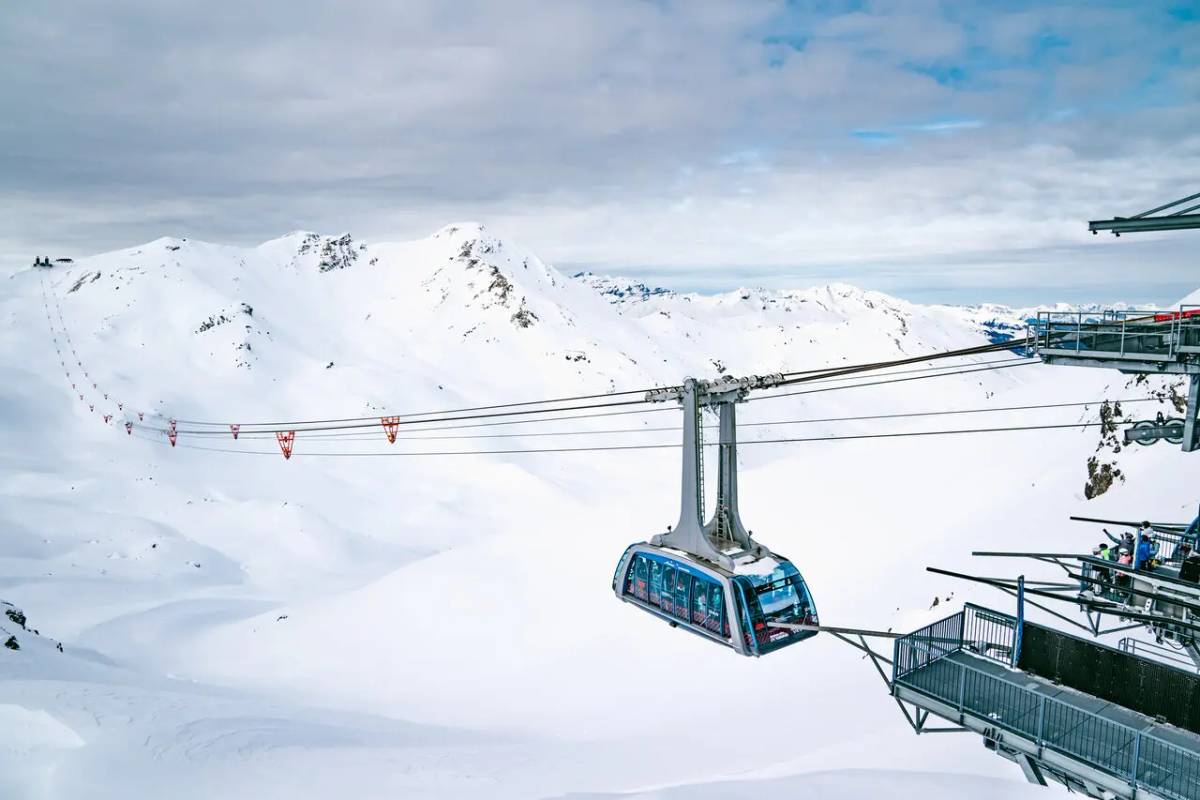
225km of piste, 52 lifts, 1,636m vertical. Largest ski area in Graubünden, linked by cable car since 2013.

Season 2026 - 2027
Opens
7 Nov 2026
Closes
11 Apr 2027
Days open
155
Annual snow
4.7m
The Overview
Michael Fulton
Melbourne-based skier and snowboarder with 50+ resorts across 5 continents. Specialises in Australian resorts and international resort comparisons.
Arosa Lenzerheide spans 225 kilometres of piste across an elevation range of 1,229 to 2,865 metres, making it the largest contiguous ski area in Graubünden. The resort comprises 117 runs served by 52 lifts, with a terrain split of 49 per cent beginner, 39 per cent intermediate and 12 per cent advanced. Since the winter of 2013/14, the formerly separate resorts of Arosa and Lenzerheide have been linked by the Urdenbahn aerial tramway, a pillar-free cable car that crosses the Urden valley in five minutes. Snow reliability benefits from both altitude and comprehensive snowmaking across 60 per cent of slopes, with an average annual snowfall of 4.3 metres.
The ski area divides into distinct sectors: the Arosa side centred on Weisshorn at 2,653 metres and Hörnli at 2,511 metres, and the Lenzerheide side dominated by Parpaner Rothorn at 2,865 metres, the resort's highest point. Beginner terrain concentrates around valley stations at Tschuggen in Arosa and practice areas like Auarara and Fastatsch in Lenzerheide. Intermediates navigate the bulk of the terrain via long cruising runs such as those from Hörnli and Weisshorn, whilst advanced skiers target the Silvano Beltrametti World Cup downhill run in Lenzerheide, which reaches gradients of 66 per cent. Four terrain parks and 103 kilometres of cross-country trails supplement the alpine offering.
Arosa sits at 1,775 metres in the innermost Schanfigg valley, a car-free resort accessible by narrow-gauge railway from Chur. Lenzerheide spreads across a high plateau at 1,500 metres, surrounded by the villages of Valbella, Parpan and Churwalden. Both sectors offer east- and west-facing slopes, creating a sun-trap effect throughout the day. Mountain restaurants number over 30 across the combined area, with facilities ranging from traditional huts to modern self-service stations. The atmosphere tilts towards families and intermediates, with quieter crowds than neighbouring Davos or St Moritz.
A single Arosa Lenzerheide lift pass covers all 52 installations, with adult day tickets priced at 74 Swiss francs off-peak and 84 francs during high season. The TOPCARD annual pass, valid here and at other Graubünden resorts, costs 1,299 francs. The 2025/26 season runs from 23 November 2025 to 21 April 2026. Night skiing operates on Fridays from early January to mid-March on the 3.5-kilometre Stätzerhorn piste. The resort suits intermediates seeking mileage, families requiring varied terrain, and those wanting a traditional Swiss mountain base without the scale or expense of larger resorts.
1636m
Vertical
117
Runs
225 km
Piste
4.7m
Annual snow
The Terrain
117 runs across 225 km of piste
Two valleys, one ski area: Arosa Lenzerheide is the largest linked domain in Graubünden, with 225 kilometres of piste across 117 runs. Vertical reaches 1,636 metres between 1,229 and 2,865 metres, and the grading is relaxed at 49% beginner, 39% intermediate and 12% advanced, with no expert pistes. The Urdenbahn, a pillar-free cable car over the Urden valley, joins the two sides, so a full circuit is realistic in a single day. The scale leaves plenty of room to explore, and the broad, groomed slopes reward anyone who prefers to cover ground at a steady pace.
On the Lenzerheide side, Parpaner Rothorn is the high point and the start of the Silvano Beltrametti World Cup piste, the steepest descent in the area. Arosa Weisshorn, with the Hörnli sector nearby, offers the other main peak and the best-known freeride lines alongside the Rothorn. West of Lenzerheide, the Stätzerhorn and Piz Scalottas sectors provide sunny cruising. Families and intermediates get the most from the network, while keen skiers can chase the Rothorn descents and look into guided off-piste on either mountain. Queues tend to stay short outside peak weeks.
Terrain split
117
runs
117 runs across 4 grades
Beginner57 runs · 49%
Intermediate46 runs · 39%
Advanced14 runs · 12%
Expert0 runs · 0%
Time it right
When to visit Arosa Lenzerheide
The 2025/26 season at Arosa Lenzerheide operates from 23 November 2025 to 21 April 2026, spanning five months of lift-served skiing. Early-season opening typically focuses on higher sectors around Hörnli and Rothorn before valley connections to Churwalden open by mid-December. Arosa's east-facing bowl often permits November skiing thanks to cold temperatures and aggressive snowmaking, whilst Lenzerheide's west-facing slopes benefit from afternoon sun retention into April. Spring skiing extends to late April on north-facing runs above 2,400 metres.
Annual snowfall averages 439 centimetres on-mountain, with Arosa village recording over seven metres at its 1,775-metre elevation. The resort's altitude span provides natural snow reliability, with 60 per cent of pistes covered by 110 kilometres of snowmaking infrastructure installed progressively between 2016 and 2024. Sections between Parpan and Churwalden received enhanced snowmaking in 2016 to guarantee valley access. Base depth during the 2025/26 season has maintained 90 centimetres mid-winter. The high-alpine environment and dual-valley aspect create microclimates, with Rothorn's northern exposure holding powder longer than sun-soaked Weisshorn runs.
January and February deliver the most consistent snow conditions, with the first week of February historically registering peak accumulation. December offers pre-Christmas value with fewer crowds but variable lower-elevation cover. March combines reliable upper-mountain snow with lengthening daylight and warming temperatures, ideal for spring skiing and terrace sessions. Easter week draws family crowds regardless of calendar date. Weekdays from mid-January to early March provide optimal touring conditions with open lifts, groomed pistes and manageable visitor numbers.
The FIS Ski Cross World Cup visits Arosa in mid-December, staging races on a purpose-built course at Innerarosa beside the historic Bergkirchli church. Night skiing runs every Friday from early January through mid-March on the Stätzerhorn sector, with the 3.5-kilometre floodlit piste accessed via the Proschieri T-bar and Rungg-Stätzertäli chair operating until 10pm. Tour de Ski cross-country stages have been held at Lenzerheide's Nordic facilities. The Arosa Humour Festival in December and Lenzerheide's Enchanted Forest light installation add cultural programming. No summer glacier skiing exists, with lifts closing entirely between late April and early June before reopening for mountain biking season.
Season 2026 - 2027
7 Nov 2026
Opens
11 Apr 2027
Closes
155
Days open
4.7 m
Annual snow
The record
Historical snowfall at Arosa Lenzerheide
Daily snow reports at Arosa Lenzerheide go back to 1996, 31 winters on the books. Open the record to compare winters, lifts and piste.
51 cm
Snowiest day
5 Nov 2014
12 cm
This winter · 2026-27
so far
469 cm
Typical winter
average of complete seasons
Winter totals
cm
Past wintersThis winter
Getting there
Getting to Arosa Lenzerheide, and where to stay
Arosa Lenzerheide occupies two parallel valleys in Graubünden, eastern Switzerland's largest canton. Arosa sits at the head of the Schanfigg valley at 1,775 metres, accessible only via a dead-end road climbing 1,320 metres from Chur through 360 hairpin bends over 30 kilometres. Lenzerheide spreads across a high plateau between Chur and Tiefencastel at elevations from 1,229 to 1,500 metres, positioned on the historic Julier Pass route connecting the Rhine valley to the Engadin. The resort spans the municipalities of Arosa, Lenzerheide, Valbella, Parpan and Churwalden, with the Plessur Alps rising to the north and east.
Chur, Switzerland's oldest city and capital of Graubünden, lies 30 kilometres northwest of Arosa and 13 kilometres north of Lenzerheide. The regional centre provides rail connections, supermarkets and cantonal government services. St Moritz sits 80 kilometres south via the Julier Pass, Davos 40 kilometres east over the Wolfgang Pass. The car-free resort of Arosa maintains its isolated character at the valley terminus, surrounded by peaks including Weisshorn, Hörnli and Brüggerhorn. Lenzerheide's more accessible position on the main Chur-St Moritz corridor historically attracted pass traffic before developing into a destination resort.
Road access channels through the A13 motorway, the primary north-south artery through eastern Switzerland connecting Austria to Italy via the San Bernardino tunnel. Drivers approaching from Zürich or northern Europe exit at Chur Nord (exit 16) and follow mountain roads to either valley. The Arosa route via the Schanfiggerstrasse requires 40 minutes from Chur on a narrow, winding road often demanding snow chains in winter. Lenzerheide proves easier to reach via a 19-minute drive from the same Chur exit or 25 minutes from Thusis Süd. Churwalden's Panoramabahn Heidbüel lift serves as the optimal day-visitor entry point from the north. Parking fees apply at all resort base areas.
Zürich Airport, Switzerland's largest, lies 154 kilometres northwest, a two-hour drive in good conditions or three hours by public transport. Friedrichshafen Airport across the German border sits 155 kilometres away, also two hours by road. Rail access runs via Zürich Hauptbahnhof to Chur, where connections diverge: the Rhaetian Railway's narrow-gauge line winds directly to Arosa station in one hour, depositing passengers opposite the Weisshorn cable car. Lenzerheide receives post bus service from Chur station, with the number 182 Postbus reaching Lenzerheide in 40 minutes. Arosa Lenzerheide lift passes include free travel on Chur-Arosa and Chur-Lenzerheide-Tiefencastel public transport routes. Transfer companies operate shared and private shuttles from Zürich, Friedrichshafen and regional train stations year-round.
Where to stay
Search all stays →Stays map loads when you scroll here
Hotels and lodges near Arosa Lenzerheide, powered by Stay22.
Latest News
From the SnowStash desk

Val Gardena to Alpe di Siusi Lift Link Back in Play After Court Ruling
The Val Gardena-Alpe di Siusi lift link isn’t dead after all. A South Tyrol court has overturned Santa Cristina’s rejection of the new Monte Pana-Saltria link on procedural grounds, after the council skipped required public information sessions. Opponents want the missing sessions held and a fresh vote, and nothing has been approved. For now it’s still a bus between the two, but a plan first floated in 2017 is back in the conversation.
8 Nov 2026
Whistler Blackcomb Rockslide Zone Stays Closed Through 2026-27 Season
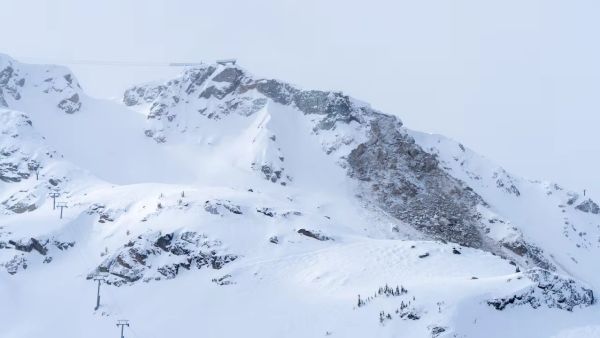
A section of Whistler Peak terrain will stay closed all 2026-27 season, Vail Resorts has confirmed, with rockslide mitigation work continuing into summer 2027. Peak Express is still expected to run this winter, but locals are already arguing about what’s actually off limits, whether the Whistler Bowl is gone, and why the news landed after pass sales wound down. Here’s where things stand.
7 Nov 2026
Loveland Ski Area Opens for 2026-27 and Marks 60 Years of Snowmaking
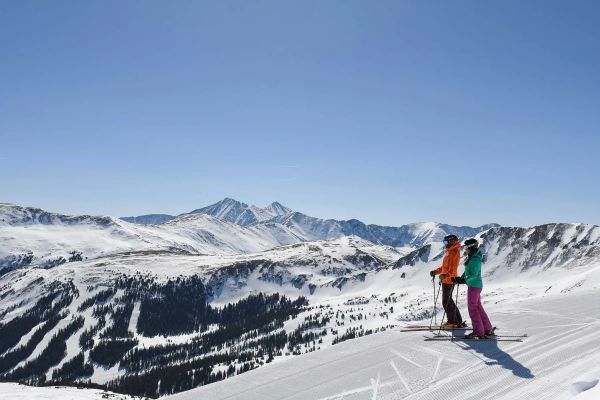
Loveland is open. The Colorado ski area started Chet’s Dream turning on Saturday 7 November to kick off 2026-27, with $60 adult lift tickets to mark 60 years of snowmaking. Expect three runs, nearly 1,000 vertical feet (about 300 metres) of top-to-bottom skiing, live music on the Basin Patio and no beginner terrain yet. Here’s what’s open, what it costs and when Loveland Valley follows.
7 Nov 2026
KFC Is Coming to the Slopes at Cortina and Madonna di Campiglio
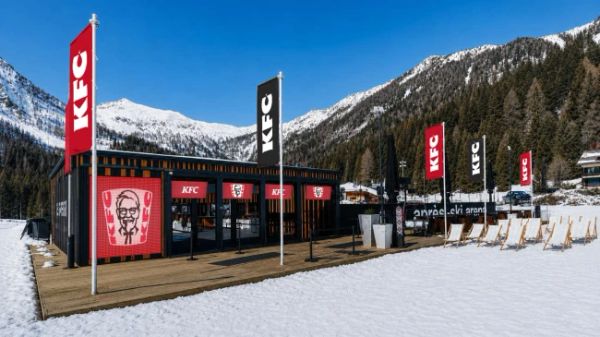
Fried chicken is heading up the Dolomites. From 5 December KFC will run two restaurants on the slopes - one at 2,123 metres at Cortina, one at 1,700 metres at Madonna di Campiglio - and the polenta-and-canederli crowd has opinions. Local politicians, conservation groups and plenty of Facebook commenters are calling it a step too far, while others just want a cheaper lunch. Here’s what’s on the menu and what’s the fuss.
5 Nov 2026

Mt Rose Aims to Open First in Tahoe on November 6
Mt Rose is going for the first-in-Tahoe title, with the Lakeview Express due to spin at 9 a.m. on Friday, November 6. One main lift, three runs and plenty of snowmaking, sitting on the highest base elevation in the region at 8,260 ft. Here is what is open, what is not (sorry, tubing fans), and how the early North American openings are stacking up.
4 Nov 2026

Europe Snow Forecast: Serre Chevalier Leads With 82 cm Over the Next 10 Days
Europe has had a quiet start to November, but our 10-day forecast has Serre Chevalier on 82 cm and Les 2 Alpes on 71 cm. Two pushes are lined up: a western Alps top-up from Friday, then a bigger, wider system on Thursday, November 12 and Friday, November 13 that reaches Italy and Switzerland. Full leaderboard inside.
4 Nov 2026

Mammoth Mountain Opens Early on November 5 With Up to 33 Inches of Snow in the Forecast
Mammoth just moved opening day forward to Thursday, November 5, eight days ahead of schedule. A snowy weekend and cold snowmaking nights did the work, and our forecast shows up to 33 inches more landing on November 13 and 14. Here is what opens, what the weather looks like and where Mammoth sits among the early Ikon Pass openers.
3 Nov 2026

Utah Snow Storm Builds Early-Season Base Ahead of November Openings
Rain down low, snow up high, and a snow report full of zeros that mostly means ‘not updated yet’. Utah’s first proper storm of 2026-27 is rolling through the Wasatch, Snowbird’s snow stake is closing in on 10 inches, and Brian Head is five days from opening day. Early November snow rarely looks like much, but it is the layer every November opening date is built on. Here is where it stands.
1 Nov 2026
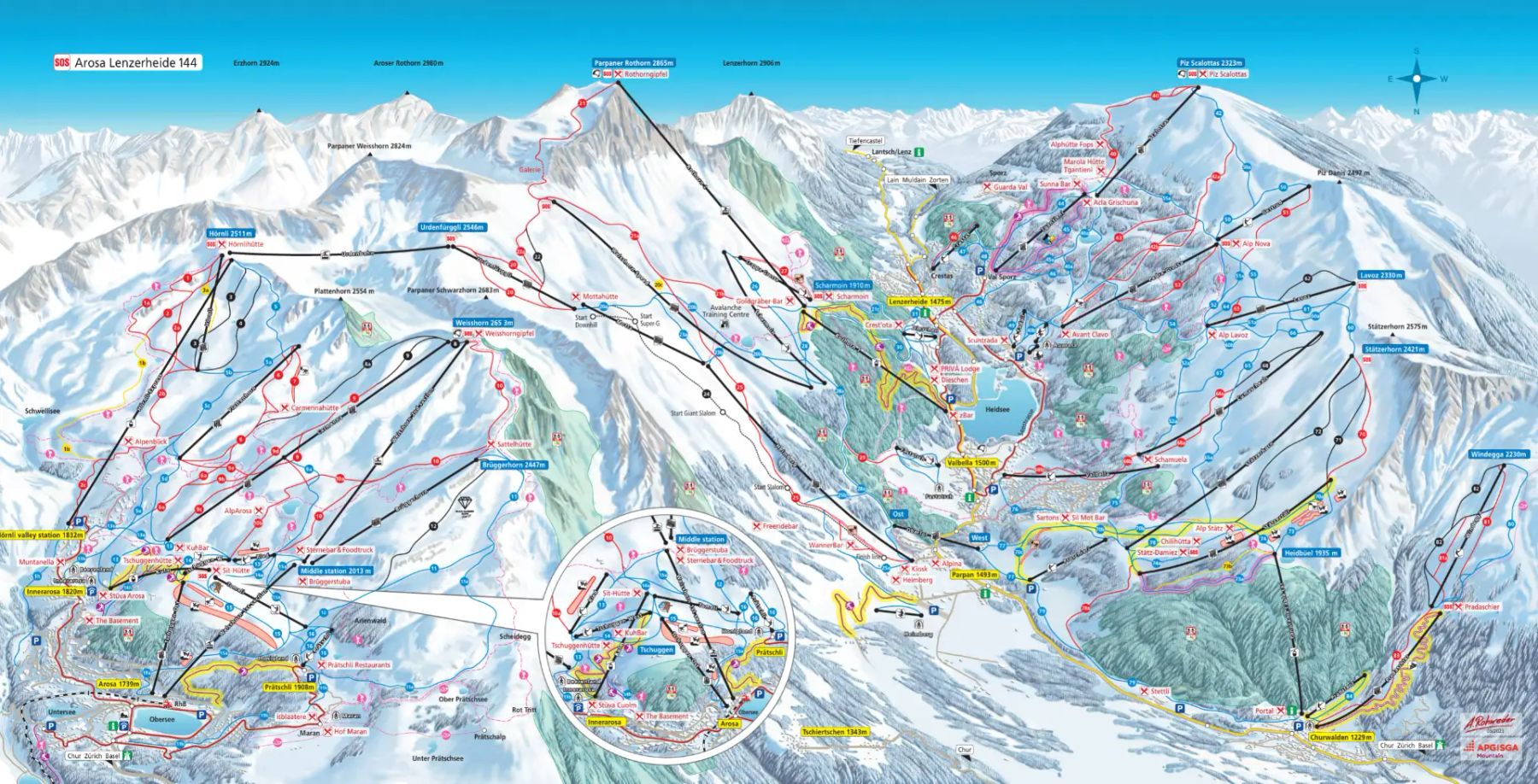
Arosa Lenzerheide Trail Map
Live Arosa Lenzerheide trail map
Loading trail map...
Downloadable Arosa Lenzerheide trail map
Terrain split
117
runs
Beginner49%
Intermediate39%
Advanced12%
Expert0%
225 km of piste
Resort Stats
Elevation
Base1229m
Summit2865m
Annual snowfall
4.7m
Season
2026 - 2027
7 Nov 2026 - 11 Apr 2027
Trail coverage
117 runs
225 km
About Arosa Lenzerheide's trail map
Explore Arosa Lenzerheide's full trail map with 117 runs across the mountain, colour-coded by difficulty and shown alongside the terrain split. Use it to plan a day that matches your ability, find lift-served pockets of your favourite grade, and see how the resort links together. Download the piste map (PDF) ↗
More Arosa Lenzerheide intelligence: snow report, lift system, webcams, resort overview.