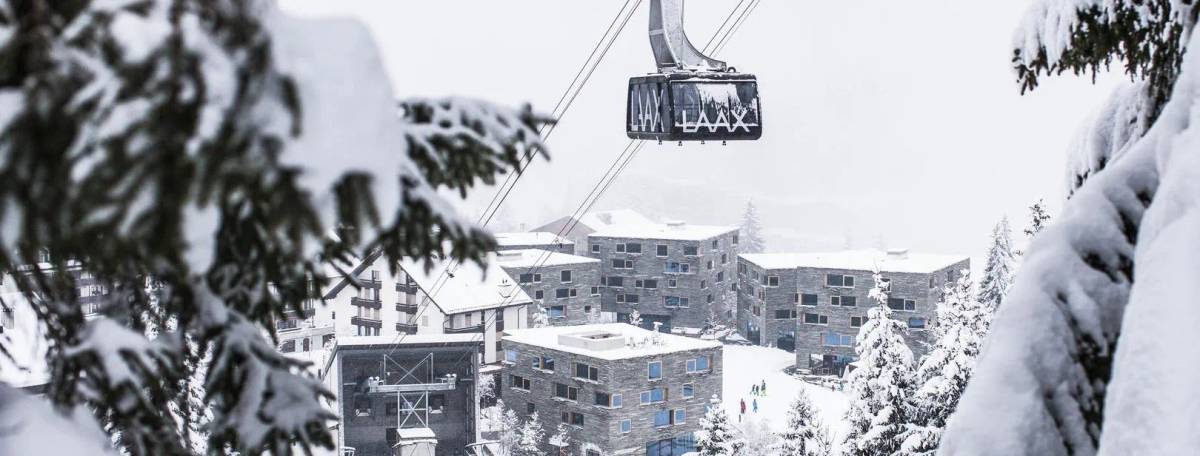
LAAX
LAAX Switzerland: 214km pistes, 1,918m vertical, world's largest halfpipe. Graubünden glacier skiing 1,100-3,018m elevation.

Season 2026 - 2027
Opens
28 Nov 2026
Closes
11 Apr 2027
Days open
134
Annual snow
4.9m
The Overview
Michael Fulton
Melbourne-based skier and snowboarder with 50+ resorts across 5 continents. Specialises in Australian resorts and international resort comparisons.
LAAX spans 1,100 to 3,018 metres across the Vorab Glacier in Graubünden, with 214 kilometres of piste and 1,918 metres of vertical drop linking three villages. The resort distributes 55 runs into 40% beginner, 35% intermediate, 20% advanced and 5% expert terrain, whilst 70% of the ski area sits above 2,000 metres for reliable snow conditions. Five snowparks centred on Crap Sogn Gion include the world's largest halfpipe at 200 metres long and 7 metres high, earning LAAX the title of World's Best Freestyle Resort nine consecutive times. The resort operates no multi-resort pass but offers a standalone season pass, with the 2025-26 season running 18 November to 12 April.
The terrain spreads across three distinct sectors accessed from Flims, Laax and Falera villages. Intermediates cruise 80 kilometres of blue and red runs between Nagens and Alp Dado, whilst advanced riders test the Vorab Glacier steeps and marked freeride routes around Cassons. The longest descent drops 1,700 metres over 17 kilometres from La Siala to Flims, whilst the FIS-certified Fatschas run challenges racers over 5 kilometres. Beginners progress on high-altitude nursery slopes at Foppa and sunny Crap Sogn Gion, avoiding valley bottlenecks.
Crap Sogn Gion at 2,216 metres forms the resort's central hub, where the modernist GALAAXY building houses two aerial tramway stations and a mountain hotel. The atmosphere skews younger and freestyle-focused, with freestylers congregating at Caffé NoName beside the halfpipe. Rocksresort at Laax Murschetg base provides slopeside lodging, whilst traditional Flims offers family-friendly infrastructure and Falera remains the quietest option. The P60 park and Olympic-sized Pro Kicker Line draw international competitors for the annual LAAX OPEN each January.
LAAX suits confident intermediates seeking varied cruising terrain and freestylers at any level, from first park features to professional competition. Advanced skiers find adequate off-piste around the glacier and marked itineraries, though the resort's reputation centres on parks rather than extreme freeride. Families benefit from three separate beginner zones and the Ami Sabi children's programme, whilst the high elevation guarantees consistent conditions from early season through spring. Those seeking traditional Alpine charm may find the resort's contemporary design and freestyle culture less appealing than classic Swiss villages.
1918m
Vertical
55
Runs
214 km
Piste
4.9m
Annual snow
The Terrain
55 runs across 214 km of piste
LAAX stretches 214 kilometres of piste across 55 runs, with 1,918 metres of vertical between the 3,018-metre Vorab summit and Flims at 1,100 metres. The grading leans gentle, at 40% beginner and 35% intermediate, leaving 20% advanced and 5% expert. Thirteen gondolas and two aerial trams do the heavy lifting, backed by five six-seat chairs, two quads, eight T-bars and five surface lifts. Around 8 metres of snow falls each year, and the glacier above Vorab keeps the upper slopes dependable. Strong intermediates get the best of it, linking Flims, Laax and Falera on long, flowing cruisers.
The marquee descent is La Siala, which runs from roughly 2,810 metres down to Flims, a drop of around 1,700 metres. Tougher options include the black Sattel run from Vorab and the Platt'Alva itinerary from Nagens, while the glacier steeps and marked freeride routes around Cassons give advanced skiers an off-piste step up. Racers get the FIS downhill course from Crap Sogn Gion to Laax-Murschetg. Crap Sogn Gion also anchors the freestyle scene, with a halfpipe and several parks. Snowboarders, freestylers and mixed-ability groups will suit it better than pure expert chasers.
Terrain split
55
runs
55 runs across 4 grades
Beginner22 runs · 40%
Intermediate19 runs · 35%
Advanced11 runs · 20%
Expert3 runs · 5%
Time it right
When to visit LAAX
The 2025-26 winter season operates 18 November 2025 to 12 April 2026, delivering 146 days of lift access. Early-season skiing typically begins on the Vorab Glacier before spreading resort-wide as natural snowfall accumulates. The resort historically opens weekends in November before full daily operations commence mid-December, closing in late April depending on conditions. LAAX ranks amongst Switzerland's most reliable areas for season length due to high elevation.
Annual snowfall averages between 445 and 720 centimetres depending on measurement location and methodology. The summit elevation at 3,018 metres accumulates average snow depths of 222 centimetres mid-season, peaking at 300 centimetres in March. Base elevation at 1,100 metres maintains 29 centimetres average depth, with 80 snow cannons covering 20 kilometres of lower runs. The high proportion of terrain above 2,000 metres ensures coverage even in lean winters. January typically delivers the snowiest weeks with 132 centimetres monthly accumulation.
January and February offer peak powder conditions with 3-4 snowy days per week, whilst March combines reliable depth with increasing sunshine averaging 21 sunny days monthly. December provides early-season value before holiday crowds, and April delivers spring conditions with soft afternoon snow. The Vorab Glacier maintains skiable snow into spring when lower sectors soften. The resort benefits from northern weather patterns that deliver snowfall when southern Swiss areas remain dry.
The LAAX OPEN draws international freestyle competitors each January, featuring FIS World Cup slopestyle and halfpipe events with night finals held Saturday evenings. Friday night skiing runs throughout winter on the Curnius run with floodlighting until 2115 hours, costing CHF 22 adults. Full moon descents with dinner operate select dates, departing Crap Sogn Gion after dark. The resort's freestyle calendar includes The Brits championships and regular park events, whilst the Freestyle Academy operates year-round for indoor training.
Season 2026 - 2027
28 Nov 2026
Opens
11 Apr 2027
Closes
134
Days open
4.9 m
Annual snow
The record
Historical snowfall at LAAX
Daily snow reports at LAAX go back to 1996, 31 winters on the books. Open the record to compare winters, lifts and piste.
55 cm
Snowiest day
5 Nov 2014
56 cm
This winter · 2026-27
so far
489 cm
Typical winter
average of complete seasons
Winter totals
cm
Past wintersThis winter
Getting there
Getting to LAAX, and where to stay
LAAX occupies the Surselva region of canton Graubünden in southeastern Switzerland, spread across three villages at 1,100-1,200 metres in a sunny plateau above the Rhine valley. The resort sits 21 kilometres west of Chur, the cantonal capital, with the villages of Flims, Laax and Falera forming a continuous ski area beneath the Vorab massif. The area lies within the Glarus Alps, positioned where northern weather systems deposit consistent snowfall. The resort faces south with extensive above-treeline terrain.
Flims serves as the largest village with direct lift access and family-oriented infrastructure, whilst Laax centres on the contemporary Rocksresort development at Murschetg base. Falera remains the smallest and quietest hamlet at 1,200 metres elevation, a short distance from its chairlift. Chur, 30 minutes by road, offers historic old town architecture and regional transport connections. The UNESCO-listed Tectonic Arena Sardona geological formation lies accessible via the new FlemXpress gondola system. Lake Cauma near Flims provides summer recreation.
By road, motorway A13/E43 exits at Reichenau near Chur, continuing 11 kilometres west on route 19 to Flims and Laax. The drive from Zurich covers 145-155 kilometres in approximately 1 hour 40 minutes without traffic. From Italy or eastern Switzerland, the A13 provides straightforward access, whilst the minor Lukmanier Pass road offers a scenic alternative via Disentis. Switzerland charges a flat CHF 40 annual motorway vignette. Parking exists at all three base stations, with covered options in select locations.
Zurich Airport (ZRH) lies 145 kilometres north, representing the primary international gateway. Train connections run twice hourly from Zurich to Chur in 1 hour 15 minutes, followed by Postbus 81 completing the final 33 kilometres in 30 minutes, with total journey time around 2 hours 45 minutes. The train-bus connection synchronises to minimise waiting. Friedrichshafen Airport in Germany, Innsbruck, Milan Malpensa and Basel serve as alternative gateways. Private transfers and express buses operate during peak season, with the express bus departing Zurich Airport at 1300 hours on Thursdays, Saturdays and Sundays.
Where to stay
Search all stays →Stays map loads when you scroll here
Hotels and lodges near LAAX, powered by Stay22.
Latest News
From the SnowStash desk
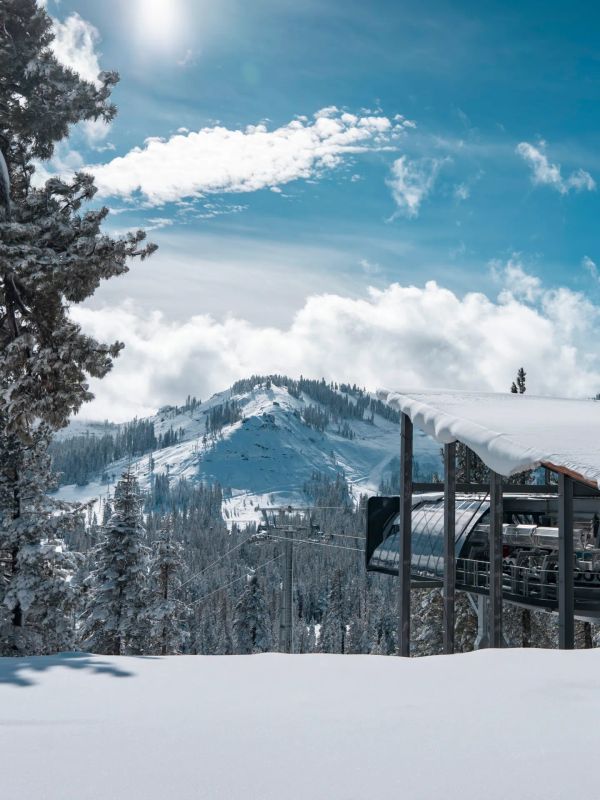
Sugar Bowl Gondola Slips to January 2027 as Opening Day Holds
Sugar Bowl still opens on 27 November, just without its new gondola. The eight-passenger Village Gondola is now targeting January 2027, with all eight towers up, the haul rope on and the first cabin hanging. Until it runs, everyone gets in through the Main Lodge, with curbside drop-off and parking lot shuttles. It replaces the first gondola in the western US, which dates from 1953.
16 Nov 2026
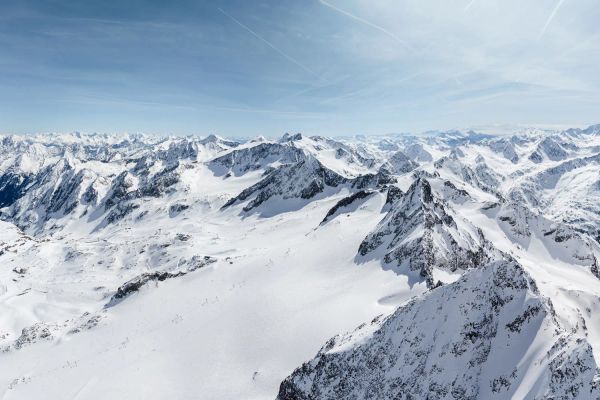
Stubai Glacier Avalanche Ends in Austria’s First Death of the Season
A 72-year-old American skier has died on Stubai Glacier after a small slab avalanche carried him over rocky ground and into a 20-metre crevasse. It is Austria’s first avalanche death of the 2026-27 season, and forecasters had flagged this exact setup two days earlier. Here is what happened near the Daunscharte, and what the snowpack was already telling anyone who was reading it.
15 Nov 2026
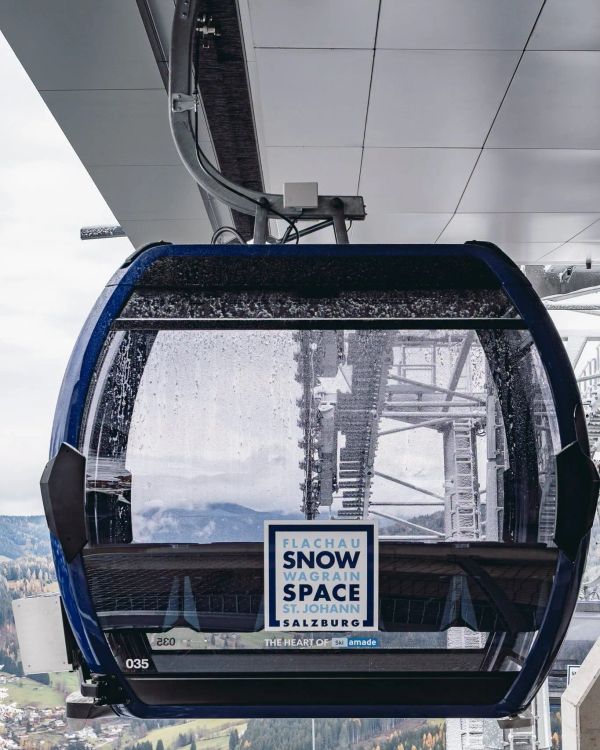
Wagrain’s New Grafenbergbahn Gondola Appears in First Photos
Wagrain’s new Grafenbergbahn is nearly here, and Snow Space Salzburg stamped “no AI” on the first photos, which says plenty about 2026. One 10-person gondola takes over from three old lifts, with 120 cabins moving up to 3,400 people an hour and a mid-station link into the G-Link. Dark blue cabins, fresh snow, no opening date yet.
14 Nov 2026
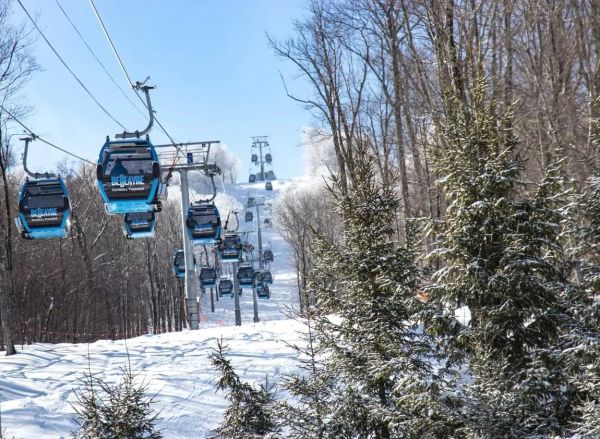
Indy Pass Adds 10 Alpine and 5 Nordic Partners for 2026-27
Indy Pass just got bigger. On 12 November it announced 10 new alpine resorts and 5 Nordic centres for 2026-27, including four in Norway and one in Austria. Three New York State mountains - Whiteface, Gore and Belleayre - also signed on to its Allied Program, with discounted tickets rather than included days. Waitlisted customers are being offered passes, and Learn to Turn news is due this week. Full list inside.
13 Nov 2026

Val Gardena to Alpe di Siusi Lift Link Back in Play After Court Ruling
The Val Gardena-Alpe di Siusi lift link isn’t dead after all. A South Tyrol court has overturned Santa Cristina’s rejection of the new Monte Pana-Saltria link on procedural grounds, after the council skipped required public information sessions. Opponents want the missing sessions held and a fresh vote, and nothing has been approved. For now it’s still a bus between the two, but a plan first floated in 2017 is back in the conversation.
8 Nov 2026
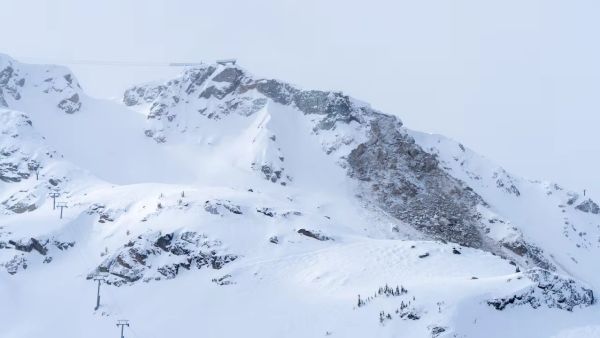
Whistler Blackcomb Rockslide Zone Stays Closed Through 2026-27 Season
A section of Whistler Peak terrain will stay closed all 2026-27 season, Vail Resorts has confirmed, with rockslide mitigation work continuing into summer 2027. Peak Express is still expected to run this winter, but locals are already arguing about what’s actually off limits, whether the Whistler Bowl is gone, and why the news landed after pass sales wound down. Here’s where things stand.
7 Nov 2026
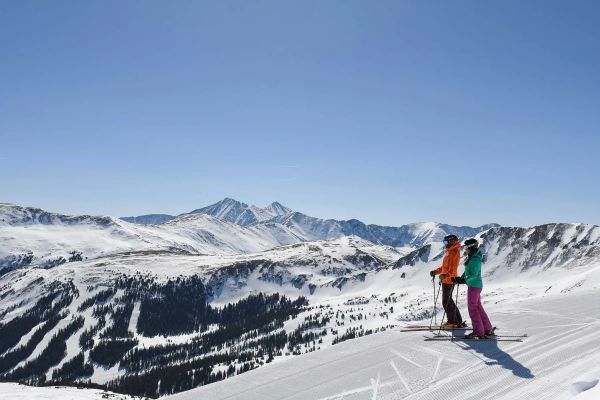
Loveland Ski Area Opens for 2026-27 and Marks 60 Years of Snowmaking
Loveland is open. The Colorado ski area started Chet’s Dream turning on Saturday 7 November to kick off 2026-27, with $60 adult lift tickets to mark 60 years of snowmaking. Expect three runs, nearly 1,000 vertical feet (about 300 metres) of top-to-bottom skiing, live music on the Basin Patio and no beginner terrain yet. Here’s what’s open, what it costs and when Loveland Valley follows.
7 Nov 2026
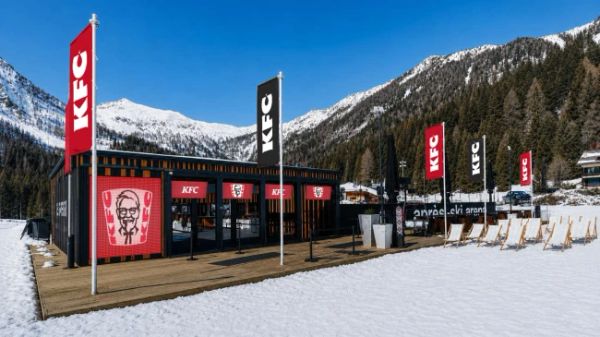
KFC Is Coming to the Slopes at Cortina and Madonna di Campiglio
Fried chicken is heading up the Dolomites. From 5 December KFC will run two restaurants on the slopes - one at 2,123 metres at Cortina, one at 1,700 metres at Madonna di Campiglio - and the polenta-and-canederli crowd has opinions. Local politicians, conservation groups and plenty of Facebook commenters are calling it a step too far, while others just want a cheaper lunch. Here’s what’s on the menu and what’s the fuss.
5 Nov 2026
LAAX Snow Report
Snow Report
Updated 16 Nov 2026
3018m
summit
+2cm
new snow · last 24 hours
Overcast-6°C / -2°C · NW 20km/h
Snowfall
24 hours
2cm
48 hours
2cm
7 days
9cm
Base depth
0cm
Season total
56cm
Typical winter 489cm
Total lifts35
Live open status isn’t available right now.
28 Nov 2026 - 11 Apr 2027
Hour by Hour
Next 44 hours· Updated Nov 16, 2026 at 5:02 PM
Scroll for the full outlook · Open-Meteo
7-Day Outlook
2,634 mUpdated Nov 16, 2026 at 5:02 PMOpen-Meteo
Days 1–7
36cm
Days 8–14
14cm
Mon, Nov 16
Slight Snow Showers
Temp-2° / -6°°C
Snow0.0cm(100%)
Wind20 km/h NW
Live snow from the resort feed; forecast from Open-Meteo, via Supabase.
Understanding the LAAX snow report
See what's happening on the mountain at LAAX right now — snowfall, snow depth, and weather data to help you plan your day in Switzerland.
Snow measurements
Base depth, summit depth, and recent snowfall are the core numbers to watch. At LAAX, summit conditions (3018m) can differ noticeably from the base, so we break both out separately rather than showing a single average.
Weather conditions
Wind and temperature swings matter as much as fresh snowfall. Cold, calm conditions hold snow quality well, while wind-loading or a warm-up can change things quickly — especially given the elevation spread between LAAX's base and summit.
Data sources
We pull LAAX's conditions from on-the-ground mountain reporting, then layer in forecast data so you get a fuller picture than either source alone. The mountain is served by 35 lifts, including 2 aerial trams and 2 quad chairlifts.
When to check
The biggest swings usually happen right after a storm. Check LAAX's report in the morning for the freshest numbers, and again in the afternoon as conditions evolve.