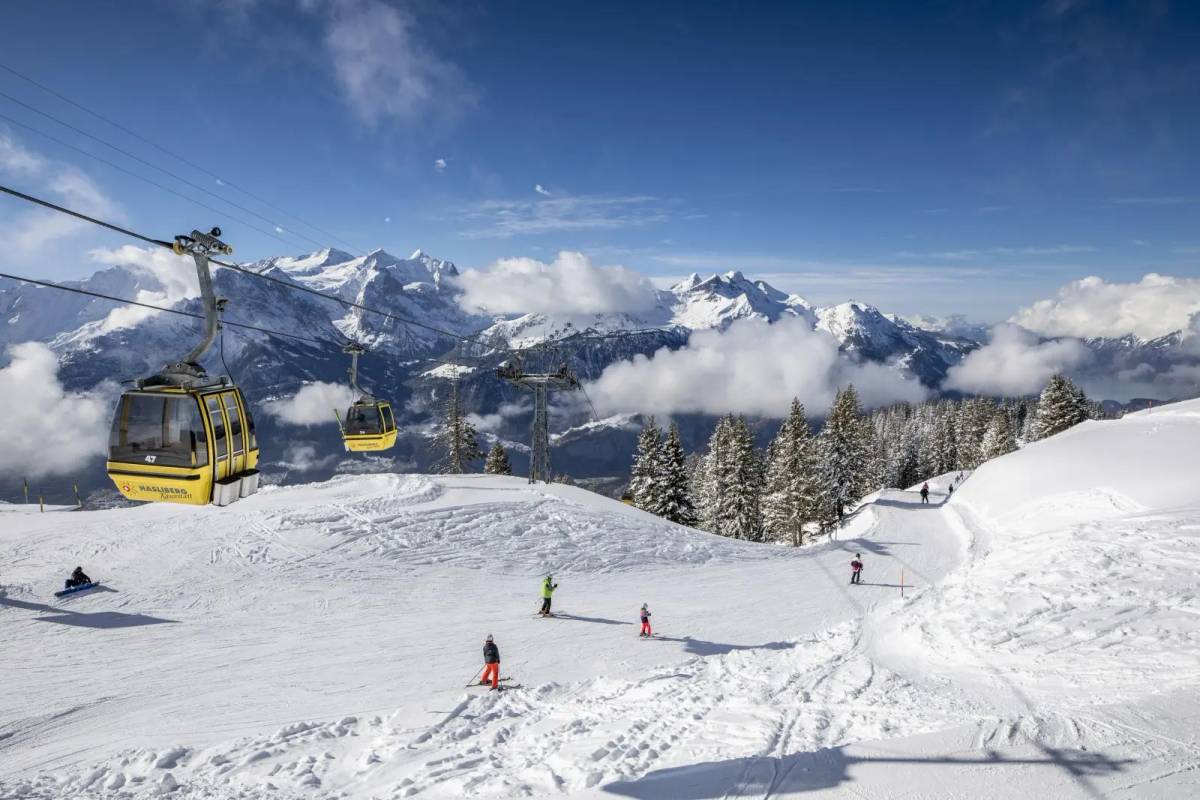
Meiringen-Hasliberg
60km of piste from 1,065-2,433m in the Haslital valley. Uncrowded intermediate skiing with 1,368m vertical in Switzerland.

Current Conditions→
Season 2026 - 2027
Opens
19 Dec 2026
Closes
29 Mar 2027
Days open
100
Annual snow
3.7m
The Overview
Michael Fulton
Melbourne-based skier and snowboarder with 50+ resorts across 5 continents. Specialises in Australian resorts and international resort comparisons.
Meiringen-Hasliberg operates from 1,065 to 2,433 metres across 60 kilometres of piste in the Haslital valley of the Bernese Oberland. The ski area spreads across 23 runs with 1,368 metres of vertical drop, whilst 33% of terrain suits beginners, 57% intermediates, and 10% advanced skiers. The resort's southwest-facing bowl beneath Glogghüs (2,534m) and Rothorn (2,525m) receives 4.3 metres of annual snowfall, making it snow-reliable above 1,700 metres.
The terrain unfolds across interconnected zones from Meiringen's valley base at 595 metres up through Hasliberg Reuti, Bidmi, Mägisalp and Käserstatt to the highest lift-accessed point at Glogghüs. Red runs dominate the upper mountain, including the longest descent at 10 kilometres from Glogghüs via Käserstatt to Hohfluh, whilst the sole black run Nordpol drops 1.5 kilometres from Planplatten. Bidmi at 1,423 metres serves as the beginner hub with gentle slopes and Skihäsliland practice area.
The resort remains uncrowded midweek, drawing 50% Swiss visitors and 30% German, with limited international traffic keeping queues minimal even during February and March. Ten mountain restaurants punctuate the ski area, from the Alpen Tower panorama restaurant at 2,250 metres to the lively Kuhstall and Aquarium bars at Käserstatt. Night skiing operates Friday evenings from January to March on the 4.5-kilometre Mägisalp-Reuti piste until 22:00.
Meiringen-Hasliberg suits intermediates seeking quiet Swiss skiing at competitive prices compared to Jungfrau region neighbours Grindelwald and Wengen, which lie 30 minutes away by train. The 2025-2026 season runs from 14 December to 30 March. Family groups and improving skiers will find varied terrain without the crowds or expense of larger Oberland resorts.
1368m
Vertical
23
Runs
60 km
Piste
3.7m
Annual snow
The Terrain
23 runs across 60 km of piste
Meiringen-Hasliberg covers 60 kilometres across 23 runs in the Haslital, with a vertical of 1,368 metres from 2,433 metres down to a base at 1,065 metres. The grading favours mid-level skiers, at 33% beginner, 57% intermediate and 10% advanced, with nothing graded expert. Four gondolas, three eight-seat chairs, three six-seat chairs and an aerial tram link the sectors, backed by quads, T-bars and surface lifts. Midweek the slopes feel remarkably empty, with mostly Swiss and German visitors, and it makes a good all-round area for progressing skiers.
The long run from Alpentower down to Reuti is the standout, dropping well over 1,000 metres. Planplatten holds the toughest piste, the black Nordpol, a former World Cup course, while the sunny blues around Bidmi and Mägisalp suit cruisers. Freeriders can explore the open slopes above the treeline near Mägisalp and Käserstatt, ideally with a local guide. A Friday night piste runs under lights from Mägisalp to Reuti from January to March. Families, intermediates and visitors wanting a quieter day than the nearby Jungfrau resorts will find it a comfortable base.
Terrain split
23
runs
23 runs across 4 grades
Beginner8 runs · 33%
Intermediate13 runs · 57%
Advanced2 runs · 10%
Expert0 runs · 0%
Time it right
When to visit Meiringen-Hasliberg
The 2025-2026 season operates from 14 December 2025 to 30 March 2026, with weekend-only service from late November before full opening in mid-December. The resort typically closes in early April after a 16-week winter season. Average annual snowfall reaches 4.3 metres, with January delivering 91 centimetres and February another 91 centimetres, making midwinter the most reliable snow window.
Elevation provides the snow reliability advantage, with terrain above 1,700 metres holding coverage through March whilst lower runs to Wasserwendi (1,169m) and Hohfluh (1,043m) thin out by late season. Snowmaking covers 18.4 kilometres or roughly 30% of piste, concentrated on key access runs and learning areas at Bidmi. March averages 81 centimetres of snowfall with 100-centimetre base depths at summit elevation.
January and February deliver peak powder conditions alongside coldest temperatures, whilst December and March offer sunnier skiing as the resort's southwest exposure captures afternoon light. The Brünig Pass acts as a weather divide, often leaving Hasliberg sunny whilst fog blankets central Switzerland's lowlands. Week two of January historically records the snowiest conditions with 43 centimetres average.
Friday night skiing from early January to early March lights the Mägisalp-Reuti run until 22:00, included with multi-day passes. Weekend crowds peak in February half-term, though midweek remains quiet. The resort hosts racing events at the Ski Racing Center at Bidmi, alongside dwarf-themed family trails and the Junior Park between Hääggen and Mägisalp.
Season 2026 - 2027
19 Dec 2026
Opens
29 Mar 2027
Closes
100
Days open
3.7 m
Annual snow
The record
Historical snowfall at Meiringen-Hasliberg
Daily snow reports at Meiringen-Hasliberg go back to 2017, 10 winters on the books. Open the record to compare winters, lifts and piste.
80 cm
Snowiest day
14 Dec 2019
64 cm
This winter · 2026-27
so far
367 cm
Typical winter
average of complete seasons
Winter totals
cm
Past wintersThis winter
Getting there
Getting to Meiringen-Hasliberg, and where to stay
Meiringen-Hasliberg occupies the Haslital valley in the eastern Bernese Oberland, where the Aare River flows between Lake Brienz and the Grimsel Pass in Canton Bern. Meiringen town sits at 595 metres elevation whilst the Hasliberg terrace spreads from 1,000 to 1,050 metres across the villages of Hohfluh, Wasserwendi, Goldern and Reuti. The ski area rises to 2,433 metres on the slopes separating Haslital from the Melchsee-Frutt region across the cantonal border.
Meiringen lies 50 kilometres southeast of Lucerne and 85 kilometres from Bern, with Interlaken 30 kilometres northwest via the A8 motorway along Lake Brienz. The valley sits between four alpine passes: Brünig (1,008m) connecting to central Switzerland, Grimsel (2,165m) to Valais, Susten (2,224m) to Uri, and Grosse Scheidegg (1,962m) to Grindelwald. During winter, Grimsel and Susten passes close, leaving Brünig as the sole road access from November to May.
Zurich Airport lies 115 kilometres northeast with 90-minute drive times via A4, A14 and A8 motorways through Lucerne. Bern Airport at Belp sits 84 kilometres distant but offers fewer international connections than Zurich. By rail, Meiringen station connects hourly to Lucerne in 75 minutes and Interlaken in 30 minutes on the Zentralbahn Brünig line, which opened in 1888.
From Zurich Airport, the rail journey takes 2 hours 25 minutes with one change at Lucerne, whilst trains from Bern require 90 minutes via Thun, Spiez and Interlaken Ost. The Brünig-Hasliberg station on the pass provides hourly connections to Lucerne and Interlaken, with coordinated PostBus service to Hasliberg villages. The resort operates a free ski shuttle from mid-December to mid-March between Meiringen station, villages and lift stations.
Where to stay
Search all stays →Stays map loads when you scroll here
Hotels and lodges near Meiringen-Hasliberg, powered by Stay22.
Latest News
From the SnowStash desk
Sugar Bowl Gondola Slips to January 2027 as Opening Day Holds
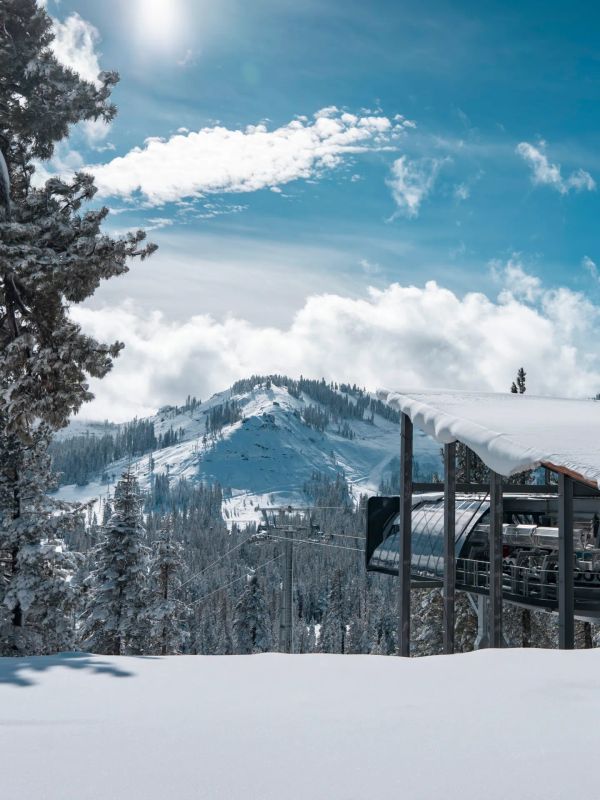
Sugar Bowl still opens on 27 November, just without its new gondola. The eight-passenger Village Gondola is now targeting January 2027, with all eight towers up, the haul rope on and the first cabin hanging. Until it runs, everyone gets in through the Main Lodge, with curbside drop-off and parking lot shuttles. It replaces the first gondola in the western US, which dates from 1953.
16 Nov 2026
Stubai Glacier Avalanche Ends in Austria’s First Death of the Season
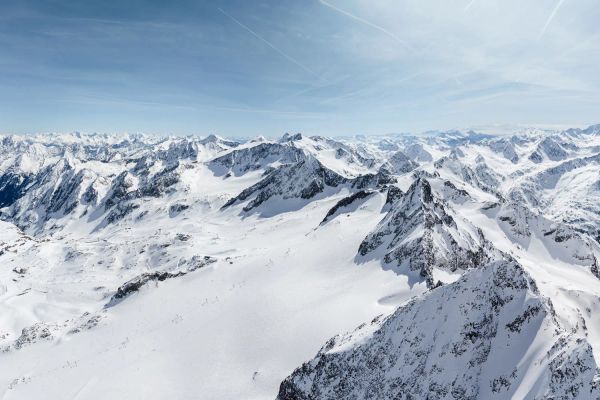
A 72-year-old American skier has died on Stubai Glacier after a small slab avalanche carried him over rocky ground and into a 20-metre crevasse. It is Austria’s first avalanche death of the 2026-27 season, and forecasters had flagged this exact setup two days earlier. Here is what happened near the Daunscharte, and what the snowpack was already telling anyone who was reading it.
15 Nov 2026
Wagrain’s New Grafenbergbahn Gondola Appears in First Photos
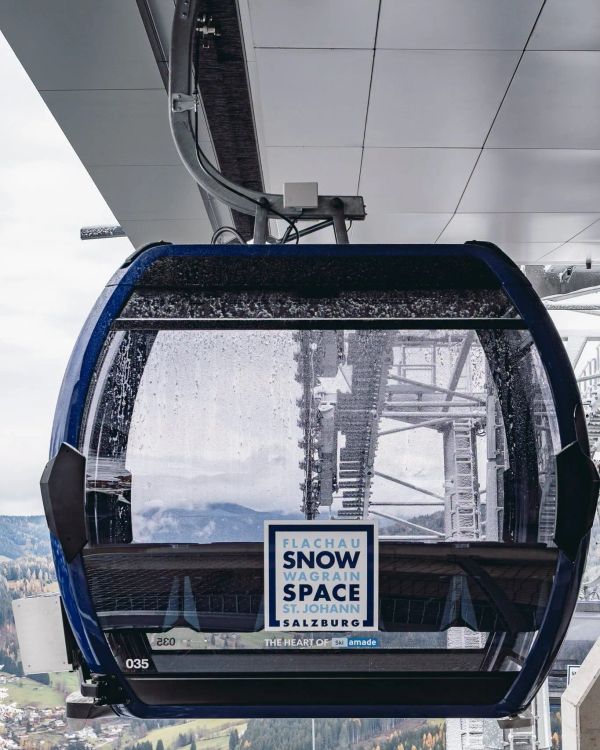
Wagrain’s new Grafenbergbahn is nearly here, and Snow Space Salzburg stamped “no AI” on the first photos, which says plenty about 2026. One 10-person gondola takes over from three old lifts, with 120 cabins moving up to 3,400 people an hour and a mid-station link into the G-Link. Dark blue cabins, fresh snow, no opening date yet.
14 Nov 2026
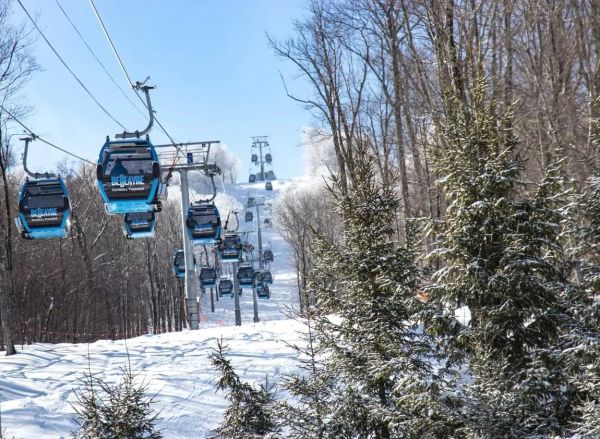
Indy Pass Adds 10 Alpine and 5 Nordic Partners for 2026-27
Indy Pass just got bigger. On 12 November it announced 10 new alpine resorts and 5 Nordic centres for 2026-27, including four in Norway and one in Austria. Three New York State mountains - Whiteface, Gore and Belleayre - also signed on to its Allied Program, with discounted tickets rather than included days. Waitlisted customers are being offered passes, and Learn to Turn news is due this week. Full list inside.
13 Nov 2026
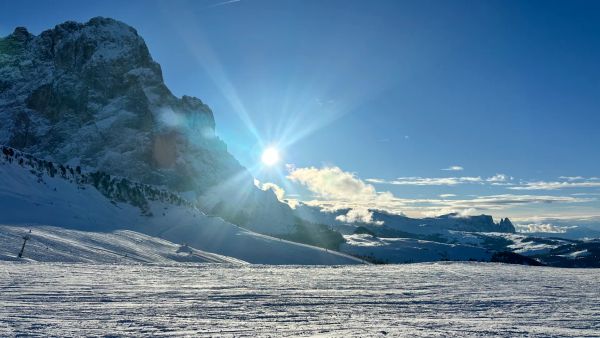
Val Gardena to Alpe di Siusi Lift Link Back in Play After Court Ruling
The Val Gardena-Alpe di Siusi lift link isn’t dead after all. A South Tyrol court has overturned Santa Cristina’s rejection of the new Monte Pana-Saltria link on procedural grounds, after the council skipped required public information sessions. Opponents want the missing sessions held and a fresh vote, and nothing has been approved. For now it’s still a bus between the two, but a plan first floated in 2017 is back in the conversation.
8 Nov 2026
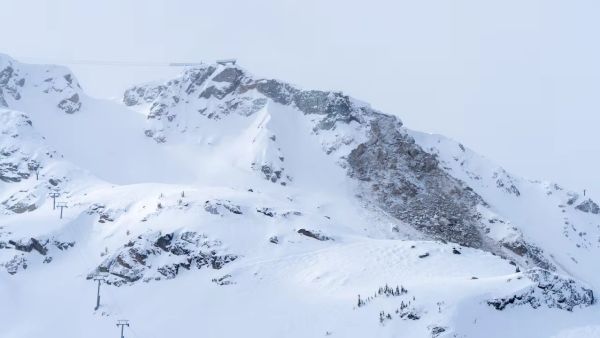
Whistler Blackcomb Rockslide Zone Stays Closed Through 2026-27 Season
A section of Whistler Peak terrain will stay closed all 2026-27 season, Vail Resorts has confirmed, with rockslide mitigation work continuing into summer 2027. Peak Express is still expected to run this winter, but locals are already arguing about what’s actually off limits, whether the Whistler Bowl is gone, and why the news landed after pass sales wound down. Here’s where things stand.
7 Nov 2026
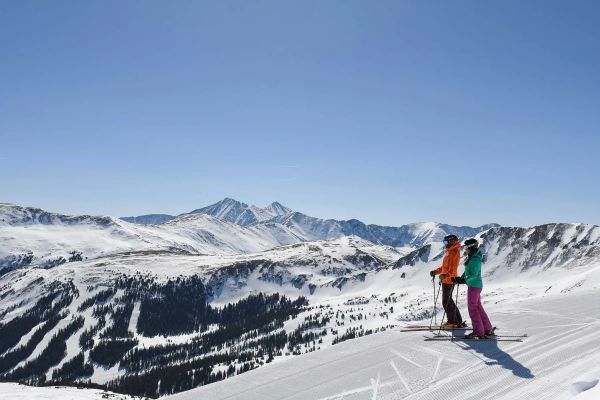
Loveland Ski Area Opens for 2026-27 and Marks 60 Years of Snowmaking
Loveland is open. The Colorado ski area started Chet’s Dream turning on Saturday 7 November to kick off 2026-27, with $60 adult lift tickets to mark 60 years of snowmaking. Expect three runs, nearly 1,000 vertical feet (about 300 metres) of top-to-bottom skiing, live music on the Basin Patio and no beginner terrain yet. Here’s what’s open, what it costs and when Loveland Valley follows.
7 Nov 2026
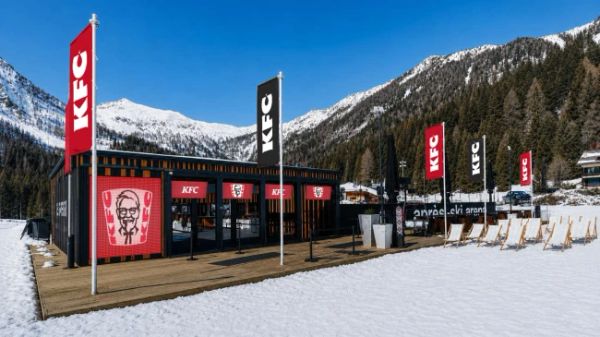
KFC Is Coming to the Slopes at Cortina and Madonna di Campiglio
Fried chicken is heading up the Dolomites. From 5 December KFC will run two restaurants on the slopes - one at 2,123 metres at Cortina, one at 1,700 metres at Madonna di Campiglio - and the polenta-and-canederli crowd has opinions. Local politicians, conservation groups and plenty of Facebook commenters are calling it a step too far, while others just want a cheaper lunch. Here’s what’s on the menu and what’s the fuss.
5 Nov 2026
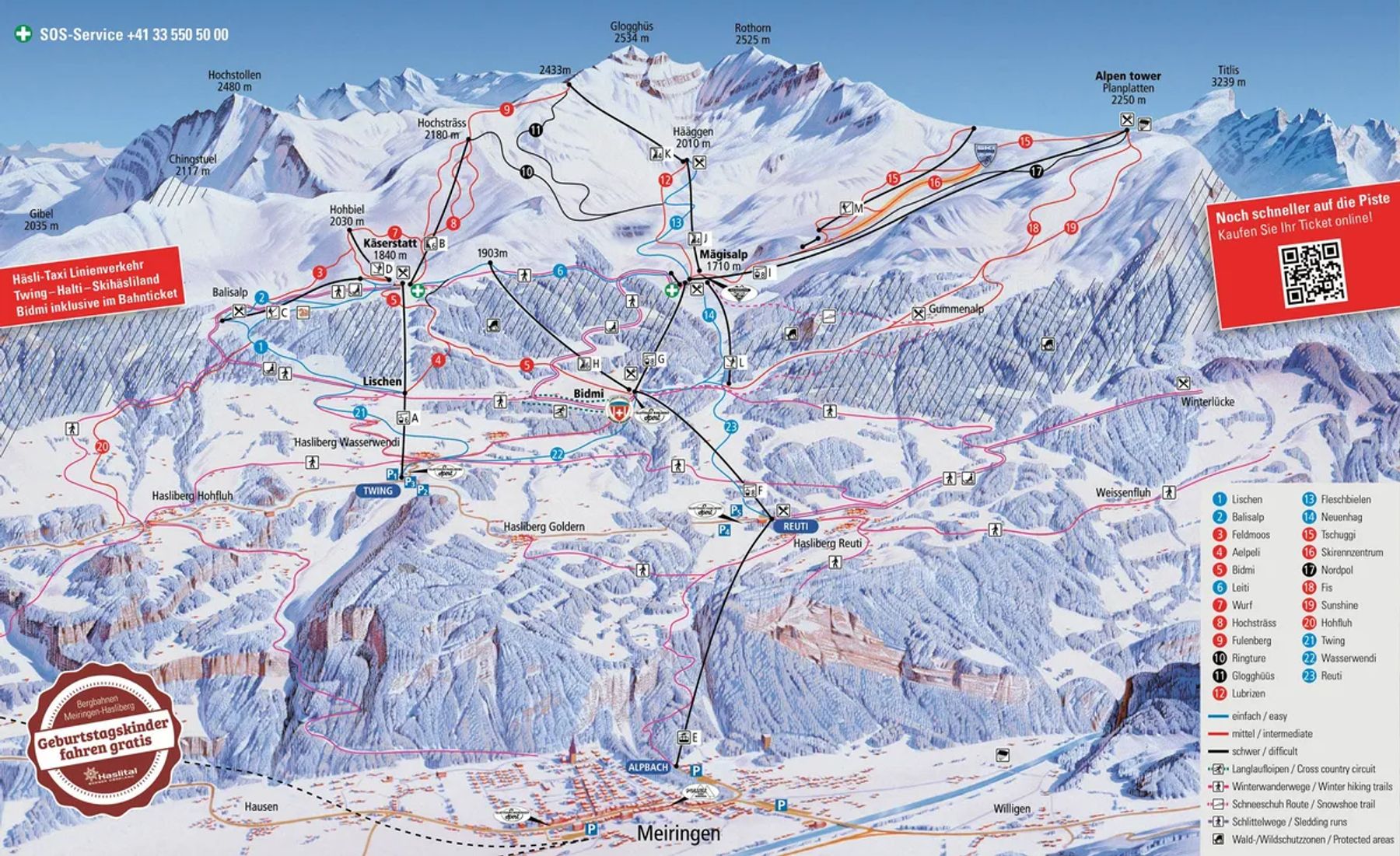
Meiringen-Hasliberg Trail Map
Live Meiringen-Hasliberg trail map
Loading trail map...
Downloadable Meiringen-Hasliberg trail map
Terrain split
23
runs
Beginner33%
Intermediate57%
Advanced10%
Expert0%
60 km of piste
Resort Stats
Elevation
Base1065m
Summit2433m
Annual snowfall
3.7m
Season
2026 - 2027
19 Dec 2026 - 29 Mar 2027
Trail coverage
23 runs
60 km
About Meiringen-Hasliberg's trail map
Explore Meiringen-Hasliberg's full trail map with 23 runs across the mountain, colour-coded by difficulty and shown alongside the terrain split. Use it to plan a day that matches your ability, find lift-served pockets of your favourite grade, and see how the resort links together. Download the piste map (PDF) ↗
More Meiringen-Hasliberg intelligence: snow report, lift system, webcams, resort overview.