
Verbier 4 Vallées
412km across 1,950m vertical. 68 lifts serving Mont Fort at 3,330m. Epic Pass access to Switzerland's largest interlinked domain.
Season 2026 - 2027
Opens
14 Nov 2026
Closes
25 Apr 2027
Days open
162
Annual snow
5m
The Overview
Michael Fulton
Melbourne-based skier and snowboarder with 50+ resorts across 5 continents. Specialises in Australian resorts and international resort comparisons.
The 4 Vallées network spans 412 kilometres of marked runs across elevations from 1,350 to 3,330 metres at Mont Fort, making it Switzerland's largest fully interlinked ski area. The domain records 1,950 metres of vertical drop and deploys 68 lifts serving 94 runs distributed across six connected villages. Terrain splits 26% beginner, 49% intermediate, 15% advanced and 10% expert, whilst high-altitude zones above 2,500 metres deliver reliable coverage throughout the five-and-a-half-month season.
Verbier anchors the western sector with celebrated off-piste terrain including Mont Gelé at 3,023 metres and the Bec des Rosses, venue for the annual Freeride World Tour finals each March. The Tortin lifts connect westward to the Printse sector encompassing Nendaz, Veysonnaz and Thyon, whilst Savoleyres and Bruson provide quieter, family-oriented alternatives. Intermediates favour the wide boulevards at Attelas and La Chaux, whilst beginners progress through dedicated nursery zones at Les Esserts and Les Moulins.
Verbier village sits at 1,500 metres with a cosmopolitan atmosphere and lively après-ski culture, contrasting with the traditional mountain character of Bruson and the family focus of La Tzoumaz. The Médran base area handles peak-season crowds, though regular lift investments have reduced bottlenecks outside February half-term. On-mountain dining spans 50 establishments from self-service canteens to white-tablecloth restaurants with Mont Blanc views.
Epic Pass holders receive five consecutive days of access for the 2025-26 season, with expanded eligibility now including Epic Local Pass. The 2025-26 winter runs 8 November to 26 April across the full network, with weekend openings at Lac des Vaux sometimes beginning late October. The resort suits confident intermediates through to extreme skiers, though beginners require patience navigating between sectors on predominantly red connector runs.
1950m
Vertical
94
Runs
412 km
Piste
5m
Annual snow
Epic Pass
Pass
The Terrain
94 runs across 412 km of piste
Verbier anchors the 4 Vallées, with 412 kilometres of piste over 94 runs and a vertical of 1,950 metres between 1,350 and 3,300 metres. Intermediates take 49% of the network, with 26% beginner, 15% advanced and 10% expert, a bigger expert share than most large Swiss areas. The linked region connects La Tzoumaz, Nendaz, Veysonnaz and Thyon, and the lift count is huge: 16 gondolas, four aerial trams and around 30 T-bars. Finding fresh terrain is rarely hard, even on a busy day. Even the groomed network rewards an early start.
Freeriding is the signature, with lift-served itineraries at Tortin, Mont Gelé and Vallon d'Arby the best known. Tortin is a north-facing bowl of big moguls that tests stamina, Mont Gelé is exposed and sensitive to wind and aspect, and Vallon d'Arby drops through cliffs, open slopes and forest. These routes are marked but ungroomed and can close, so check conditions and consider a guide. Strong intermediates will enjoy the variety, while experts have plenty of serious terrain to work through. Treat the marked routes as a starting point, not a guarantee.
Terrain split
94
runs
94 runs across 4 grades
Beginner24 runs · 26%
Intermediate46 runs · 49%
Advanced14 runs · 15%
Expert9 runs · 10%
Time it right
When to visit Verbier 4 Vallées
The 2025-26 season operates from 8 November 2025 through 26 April 2026 across the full 4 Vallées network, with possible weekend-only skiing at Lac des Vaux from late October depending on early snowfall. The season spans 24 weeks, amongst the longest in the Alps owing to elevations topping 3,300 metres and predominantly north-facing aspects above 2,500 metres. Lift operations run daily throughout Christmas, New Year and Easter periods.
Verbier receives average annual snowfall between 4.5 and 5.5 metres, with the summit accumulating significantly more than base elevations. High-altitude terrain above 2,700 metres maintains excellent coverage from December through April, whilst lower slopes benefit from snowmaking covering approximately 40% of marked runs. The glacier-adjacent zones on Mont Fort provide snow-sure skiing into late spring, though south-facing exposures can transition from ice to slush rapidly on sunny March afternoons.
January and February deliver peak powder conditions with the most consistent natural snowfall, whilst December offers quieter slopes as the network ramps up operations. March brings longer days and stable spring conditions, with the Xtreme Verbier Freeride World Tour finals scheduled 22-30 March attracting global audiences. April skiing remains viable on high-altitude terrain, though afternoon slush requires morning starts.
The resort hosts the Verbier Festival classical music programme in late July and early August, the Grand Raid Cristalp mountain biking race, and the Grand Concours Hippique equestrian competition during summer months. Selected lifts including Le Châble-Verbier, Mont Fort and Col des Gentianes operate for hikers and cyclists from late June through September, providing 10 months of annual lift access.
Season 2026 - 2027
14 Nov 2026
Opens
25 Apr 2027
Closes
162
Days open
5 m
Annual snow
Getting there
Getting to Verbier 4 Vallées, and where to stay
Verbier occupies the Val de Bagnes in Canton Valais, southwest Switzerland, with the village at 1,500 metres overlooking the Rhône Valley. The 4 Vallées network extends across Val de Bagnes and Val d'Hérens, bordered by the Grand Combin massif to the south and opening northward toward Sion. Mont Fort's 3,330-metre summit delivers panoramic views encompassing the Matterhorn, Mont Blanc, Dent Blanche and the Bernese Alps.
Le Châble serves as the valley town at 821 metres with rail connections and the principal gondola link to Verbier village four kilometres uphill. Martigny, 30 kilometres west, functions as the regional hub with onward train connections throughout Switzerland. Sion lies 50 kilometres northeast along the Rhône Valley corridor. The resort operates within French-speaking Valais, with mountain culture reflecting both Swiss precision and Latin conviviality.
Road access follows the A9 motorway along the Rhône Valley to Martigny, then Route 21 south through Sembrancher before climbing 10 kilometres via hairpin bends to Le Châble and continuing to Verbier. The Great St Bernard Tunnel provides a 90-minute connection to Aosta, Italy. Driving from Geneva requires two hours in clear conditions, from Zurich 3 hours 20 minutes, and from Chamonix 90 minutes via the Col de la Forclaz.
Geneva International Airport sits 160 kilometres distant with transfers via motorway or rail taking 2 to 2.5 hours. Weekend Verbier Express trains run direct from Geneva Airport to Le Châble on Saturdays and Sundays, requiring one change at Martigny on weekdays. Zürich Airport lies 290 kilometres northeast with four-hour transfers. Sion Airport, 50 kilometres away, handles private aviation and limited scheduled services. The Le Châble-Verbier gondola operates 18 hours daily, eliminating the need for resort driving.
Where to stay
Search all stays →Hotels and lodges near Verbier 4 Vallées, powered by Stay22.
Latest News
From the SnowStash desk
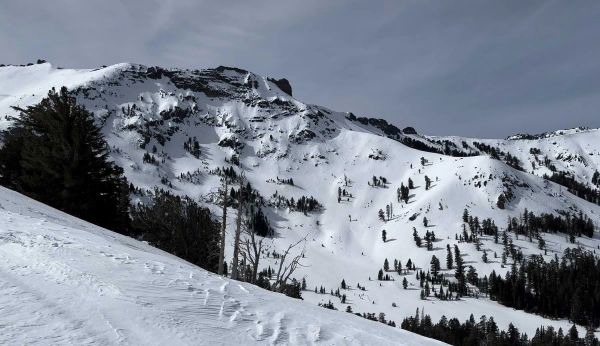
California Ski Resort Opening Dates 2026-27: Mammoth Leads, Tahoe Follows
Mammoth Mountain is first up in California, targeting Friday 13 November after a dusting of September snow. Heavenly and Northstar follow on 20 November, Palisades Tahoe on Wednesday 25 November and Sugar Bowl on 27 November, with Kirkwood on 4 December and June Mountain on 19 December. Plenty of smaller areas have no date yet. A super El Niño favours the Sierra, but a warmer storm track is the catch.
7 Oct 2026
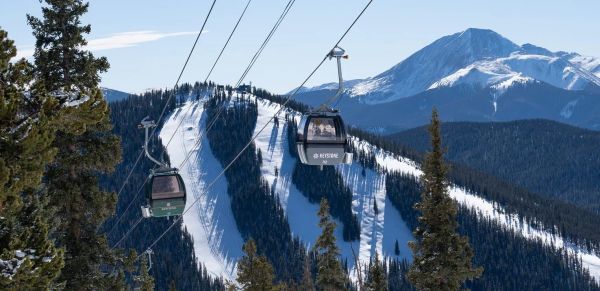
Colorado Ski Resort Opening Dates 2026-27: A-Basin and Keystone Race to Be First
Arapahoe Basin, Keystone and Winter Park are all chasing an October start, though none has a firm date yet. The first dated openers are Breckenridge and Copper on Friday 6 November, then Vail on 13 November, with most of the rest bunched around US Thanksgiving. Hesperus did not open at all last season. A super El Niño offers hope but no guarantee, and forecasters say the southern mountains have the better odds.
5 Oct 2026
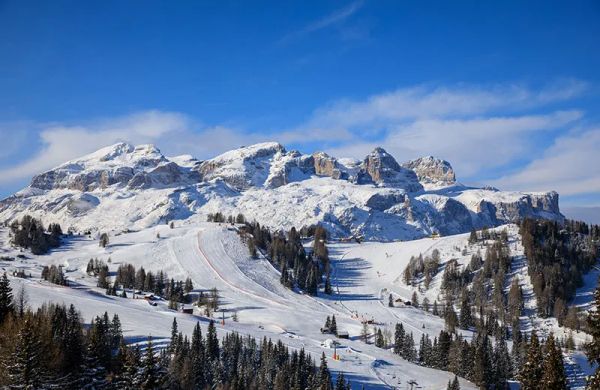
Dolomiti Superski 2026-27: Four New Gondolas, New Reservoirs and an €89 Peak Day Pass
Dolomiti Superski is spending around €100 million across its 12 areas before winter. Kronplatz gets a new 10-passenger gondola with a middle station, 3 Zinnen gets Helmissimo, and Val di Fassa swaps a chairlift for a gondola above Col Valvacin. New water-storage basins and upgraded snowmaking follow, and construction has started on the San Martino to Passo Rolle link. A peak adult day pass is €89.
4 Oct 2026
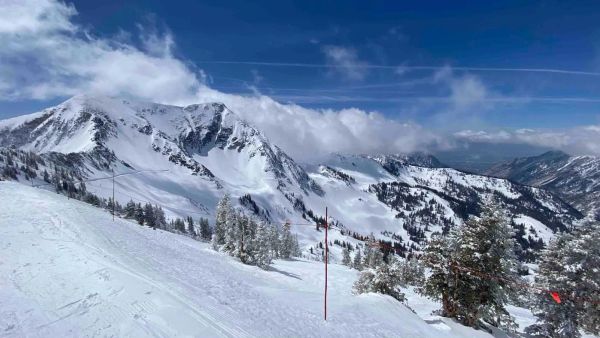
Utah Ski Resort Opening Dates 2026-27: Brian Head First, Eagle Point Out
Brian Head is targeting 6 November, though last year it aimed for 7 November and did not open until the 25th. Park City, Alta and Solitude are pencilled in for 20 November, Snowbird and Snowbasin for 27 November, and Deer Valley for 5 December. Eagle Point will stay closed after the Cottonwood Fire. A super El Niño is forecast, but the big snow is not expected until January.
4 Oct 2026
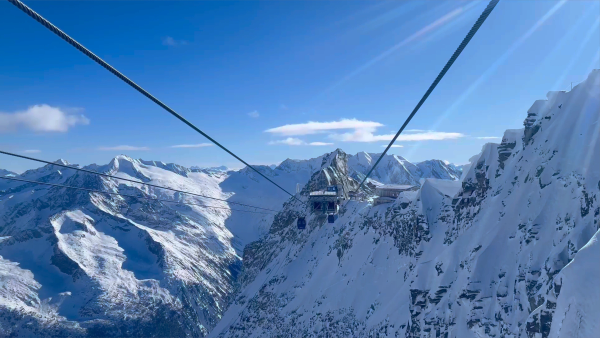
Hintertux Glacier Opens for 2026-27 With 12 Kilometres of Piste
Hintertux became Austria's second glacier to open for 2026-27 on Friday 2 October, after the Pitztal Glacier. Twelve kilometres of piste are running around the Olperer and Gefrorene Wand, served by one gondola and two drag lifts, with the Betterpark also open. Lifts officially run 8:15 am to 4:30 pm, but skiing stops at 2 pm for now.
4 Oct 2026
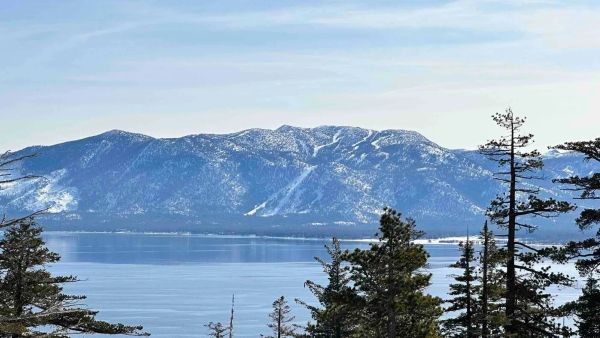
Vail Resorts Counts the Cost of a Thin Winter as Pass Sales Slide Further
A historically poor western winter cut Vail Resorts' annual net income from $280 million to $147.5 million and skier visits by 13.4 per cent. Now 2026-27 pass units are down 12 per cent as of 18 September, worse than the 10 per cent flagged in spring. Vail blames the weather and thinks some buyers are simply waiting, and it forecasts a rebound if the snow behaves.
3 Oct 2026
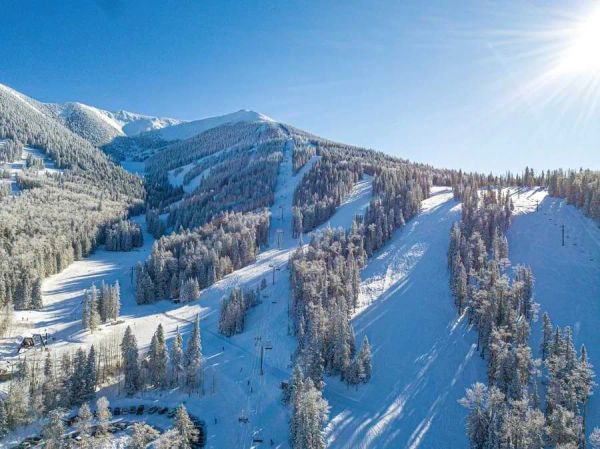
Arizona Snowbowl's $1 Lift Tickets Are Hard to Find, but $9 Days Are Not
Arizona Snowbowl advertised eight $1 lift ticket days this winter. Go looking and only three are showing - 10 March, 1 April and 10 April - so the rest may already have gone. The consolation is a calendar full of $9 days, including all but one day in April. Opening day is 20 November, weather permitting, and opening weekend is $19.
2 Oct 2026
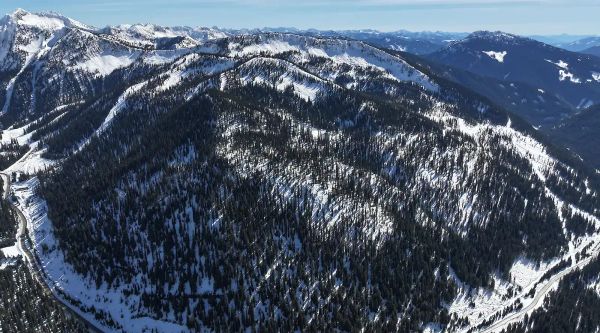
Whitewater Brings Its Short Side Inbounds, With Six New Runs for 2026-27
For years, Whitewater's Short Side was where you ducked a rope and hoped for the best: unmapped, ungroomed and unpatrolled. This winter it's inbounds. Six new runs of glades and fall-line skiing add 190 acres (about 77 hectares), taking the resort past 1,400 acres in total. F2 Logging spent a month in the trees to make it happen, and opening day is pencilled in for 4 December. Bonanza now needs less snow to groom, too.
1 Oct 2026
Verbier 4 Vallées Lift Tickets
Verbier 4 Vallées lift tickets & passes
Opening day for the winter 2026 - 2027 season is scheduled for Nov 14, 2026 (subject to change). Lift tickets at Verbier 4 Vallées typically go on sale well before the start of the ski season.
Lift tickets FAQ
How much does a Verbier 4 Vallées day pass cost?
Verbier 4 Vallées day pass pricing varies by date and advance booking - see the full breakdown in the tickets panel.
Can I buy Verbier 4 Vallées lift tickets online?
Yes, you can purchase tickets online or at the resort ticket office.
Are there discounts for multi-day passes?
Yes, multi-day packages typically offer significant savings compared to individual day passes. The per-day cost decreases with longer stays.
What is included with a Verbier 4 Vallées lift ticket?
Full access to all lifts and trails at Verbier 4 Vallées, including mountain safety and patrol services.
What is the difference between Verbier 4 Vallées lift tickets and ski passes?
"Lift tickets" and "ski passes" refer to the same thing at Verbier 4 Vallées - your access to the mountain's lifts and trails for your chosen duration.
When should I buy Verbier 4 Vallées lift tickets for the best price?
Purchase tickets at least 7 days in advance for the best rates, and consider weekday visits for further savings over weekend rates.
Does Verbier 4 Vallées offer group discounts on lift tickets?
Group discounts are typically available for parties of 10 or more. Contact Verbier 4 Vallées directly for group booking information and rates.
How can I check current conditions before buying tickets?
Before purchasing, check the live snow report and mountain webcams to see current weather, snow conditions, and lift operations at Verbier 4 Vallées.
More Verbier 4 Vallées intelligence: snow report, webcams, resort overview.