
The Overview
Michael Fulton
Melbourne-based skier and snowboarder with 50+ resorts across 5 continents. Specialises in Australian resorts and international resort comparisons.
Ishiuchi Maruyama operates across 236 hectares with 23 marked runs and a vertical drop of 664 metres, spanning from a base elevation of 256 metres to a 920-metre summit. The resort averages 8 metres of annual snowfall and opened in 1949, making 2024 its 75th anniversary season. The longest single run extends 4,000 metres from summit to base, whilst the resort maintains connectivity to GALA Yuzawa and Yuzawa Kogen through the tri-resort Yuzawa Snow Link pass.
Terrain splits 40 per cent beginner, 40 per cent intermediate, and 20 per cent advanced across the 23 courses, with no designated expert terrain. The Paradise Course delivers wide intermediate cruising with views across the Minamiuonuma Plain and Echigo Sanzan mountains. The resort spreads across three base areas - Central, Hatsukaishi, and North - each offering independent access points. Tree-run zones and ungroomed sections provide powder stashes after storms deliver Uonuma snow.
Independently run lodges and restaurants line the slopes at each base area, preserving traditional Japanese ski culture. The Veranda observation terrace sits mid-mountain and accommodates non-skiers arriving via gondola. Night skiing covers 3,000 metres across 12 illuminated courses, operating daily from late December through February and Friday-Saturday in March. Weekend traffic from Tokyo creates queues at upper lifts, particularly the summit quad.
The Yuzawa Snow Link pass connects 48 combined courses across Ishiuchi Maruyama, GALA Yuzawa, and Yuzawa Kogen from December through March for 3,000 yen over a standard lift ticket. Direct shinkansen access from Tokyo Station to Echigo-Yuzawa takes 80 minutes, positioning the resort for day trips. The terrain suits intermediates seeking variety and beginners building confidence, whilst night operations and terrain park features draw freestyle riders. Proximity to Echigo-Yuzawa onsen town adds post-skiing relaxation options.
664m
Vertical
23
Runs
289 acres
Skiable
8m
Annual snow
The Terrain
23 runs across 289 acres skiable
Ishiuchi Maruyama is a Niigata ski area in the Yuzawa region, with 23 runs across 117 hectares and a 664-metre vertical from a low 256-metre base to the 920-metre summit. Sanity grades the terrain 40% beginner, 40% intermediate and 20% advanced, with no expert terrain. About 8 metres of snow falls each season. The low base means conditions are best from midwinter, but the area is easy to reach from Tokyo. Chairs and a gondola feed three base zones, which is unusual for a mountain of this size and spreads the crowds well.
The Central, Hatsukaishi and North bases each give independent access, and the Paradise Course is the wide intermediate favourite with outlooks across the Minamiuonuma plain. Ungroomed sections and tree zones hold powder after storms, and the longest descent covers around 4 kilometres. The Yuzawa Snow Link ties the area to Gala Yuzawa and Yuzawa Kogen for variety on longer stays. Ishiuchi Maruyama suits families, beginners and intermediates who like to roam a large map without queues. Expert skiers will find the steeps limited, so powder chasers would do better to aim for storm days and the glades.
Terrain split
23
runs
23 runs across 4 grades
Beginner9 runs · 40%
Intermediate9 runs · 40%
Advanced5 runs · 20%
Expert0 runs · 0%
Time it right
When to visit Ishiuchi Maruyama
The 2025-26 season operates from 19 December 2025 through 5 April 2026, spanning approximately 107 days. Night skiing runs daily from 27 December 2025 to 28 February 2026, then Friday-Saturday only through 28 March. The Hatsukaishi and North base areas close 29 March, consolidating operations to the Central zone for the final week. Spring operations extend The Veranda observation terrace through Golden Week from 25 April to 10 May for sightseeing.
The resort averages 8 metres of annual snowfall, with heavy accumulation weeks typically arriving mid-December through February. The Niigata coast's position relative to Siberian weather systems crossing the Sea of Japan delivers consistent powder cycles, with individual storms depositing over 50 centimetres overnight. The base elevation of 256 metres creates marginal temperatures during warm spells. North-facing aspects preserve snow quality longer than south-facing runs. Snowmaking supplements natural coverage on high-traffic zones.
January and February offer peak powder conditions and deepest base depths, though weekend crowds from Tokyo increase during this window. Early December provides quieter slopes with lighter coverage. March delivers spring corn snow and extended daylight, with parking fees waived from 8 March through closing. Late-season operations concentrate on higher-elevation terrain as lower runs thin. December's third week historically records the highest weekly snowfall totals.
The resort programme includes fireworks displays on select evenings and Children's Ski Day on the third Sunday of each month from January to March, offering free lift tickets for elementary-age children. Apres-ski events feature DJ music lounges at the Central base on weekend afternoons. The terrain park undergoes layout renewal in late March ahead of spring sessions. Night skiing offers illuminated halfpipe access and intermediate run options beyond beginner zones.
Season 2026 - 2027
18 Dec 2026
Opens
4 Apr 2027
Closes
107
Days open
8 m
Annual snow
Getting there
Getting to Ishiuchi Maruyama, and where to stay
Ishiuchi Maruyama sits in Minamiuonuma City, Niigata Prefecture, within the Yuzawa valley of central Honshu's snow country region. The resort base occupies 256 metres elevation surrounded by peaks reaching beyond 1,900 metres, including views toward Mount Iiishi. The Minamiuonuma Plain stretches north from the base, with the Echigo Sanzan mountains framing the eastern skyline. Niigata Prefecture's heavy-snowfall zone benefits from moisture-laden systems off the Sea of Japan.
Echigo-Yuzawa town centre lies 3 kilometres from the resort, a 10-minute free shuttle bus journey from Echigo-Yuzawa Station. Yuzawa gained literary fame as the setting for Yasunari Kawabata's Nobel Prize-winning novel Snow Country. The town offers traditional ryokan accommodation, numerous onsen facilities, and Ponshukan sake museum at the station featuring tastings of over 100 Niigata sake varieties. Ishiuchi Station on the Joetsu Line sits 15 minutes' walk from the Kanko entrance.
The Kan-etsu Expressway provides road access via Shiozawa-Ishiuchi Interchange, located 5 kilometres and approximately 5 minutes' drive from the resort along Route 17. Tokyo's Nerima Interchange sits 120 minutes distant via expressway. Parking costs 1,000 yen on weekends and holidays but operates free on weekdays and from 8 March through season close. Four separate entrance gates - two Central gates, North entrance, and Hatsukaishi entrance - serve different parking zones and terrain areas.
Tokyo Station connects via Joetsu Shinkansen to Echigo-Yuzawa Station in 80 minutes, with free shuttle buses departing the east exit every 10-15 minutes during operating hours. Haneda Airport requires 2 hours by train to Echigo-Yuzawa, whilst Narita Airport extends to 3 hours. Niigata Airport sits 90 minutes away via bus to Niigata Station then 80-minute train to Echigo-Yuzawa. Multi-resort shuttle buses link Ishiuchi Maruyama with GALA Yuzawa, Yuzawa Kogen, and NASPA resorts on circular routes.
Where to stay
Search all stays →Hotels and lodges near Ishiuchi Maruyama, powered by Stay22.
Latest News
From the SnowStash desk
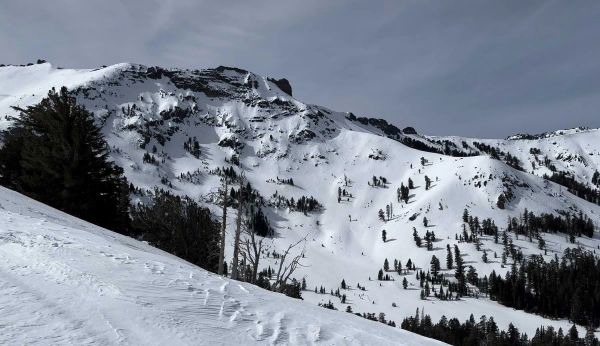
California Ski Resort Opening Dates 2026-27: Mammoth Leads, Tahoe Follows
Mammoth Mountain is first up in California, targeting Friday 13 November after a dusting of September snow. Heavenly and Northstar follow on 20 November, Palisades Tahoe on Wednesday 25 November and Sugar Bowl on 27 November, with Kirkwood on 4 December and June Mountain on 19 December. Plenty of smaller areas have no date yet. A super El Niño favours the Sierra, but a warmer storm track is the catch.
7 Oct 2026
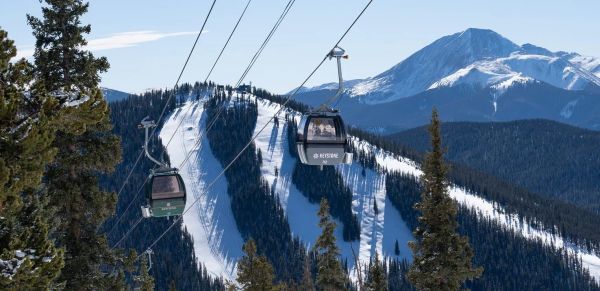
Colorado Ski Resort Opening Dates 2026-27: A-Basin and Keystone Race to Be First
Arapahoe Basin, Keystone and Winter Park are all chasing an October start, though none has a firm date yet. The first dated openers are Breckenridge and Copper on Friday 6 November, then Vail on 13 November, with most of the rest bunched around US Thanksgiving. Hesperus did not open at all last season. A super El Niño offers hope but no guarantee, and forecasters say the southern mountains have the better odds.
5 Oct 2026
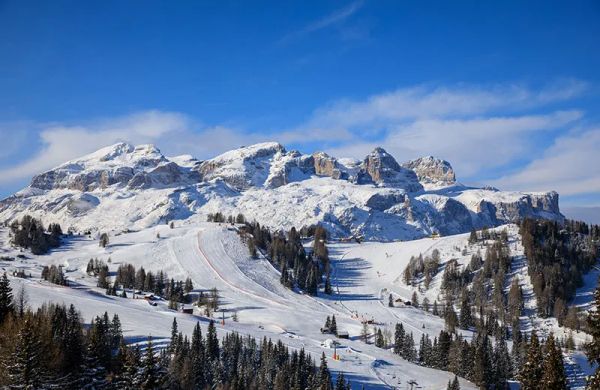
Dolomiti Superski 2026-27: Four New Gondolas, New Reservoirs and an €89 Peak Day Pass
Dolomiti Superski is spending around €100 million across its 12 areas before winter. Kronplatz gets a new 10-passenger gondola with a middle station, 3 Zinnen gets Helmissimo, and Val di Fassa swaps a chairlift for a gondola above Col Valvacin. New water-storage basins and upgraded snowmaking follow, and construction has started on the San Martino to Passo Rolle link. A peak adult day pass is €89.
4 Oct 2026
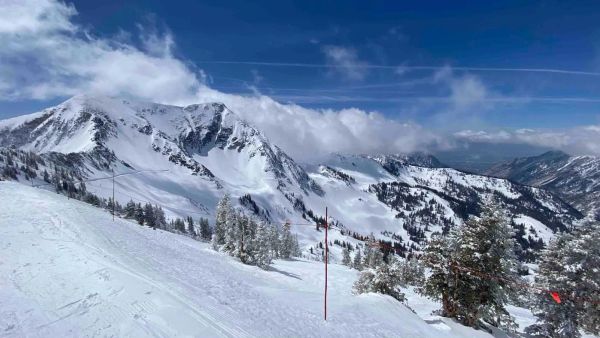
Utah Ski Resort Opening Dates 2026-27: Brian Head First, Eagle Point Out
Brian Head is targeting 6 November, though last year it aimed for 7 November and did not open until the 25th. Park City, Alta and Solitude are pencilled in for 20 November, Snowbird and Snowbasin for 27 November, and Deer Valley for 5 December. Eagle Point will stay closed after the Cottonwood Fire. A super El Niño is forecast, but the big snow is not expected until January.
4 Oct 2026
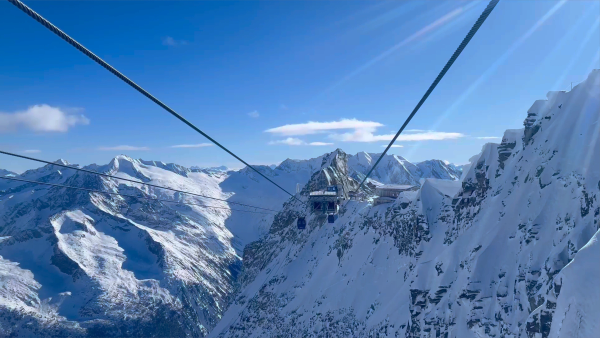
Hintertux Glacier Opens for 2026-27 With 12 Kilometres of Piste
Hintertux became Austria's second glacier to open for 2026-27 on Friday 2 October, after the Pitztal Glacier. Twelve kilometres of piste are running around the Olperer and Gefrorene Wand, served by one gondola and two drag lifts, with the Betterpark also open. Lifts officially run 8:15 am to 4:30 pm, but skiing stops at 2 pm for now.
4 Oct 2026
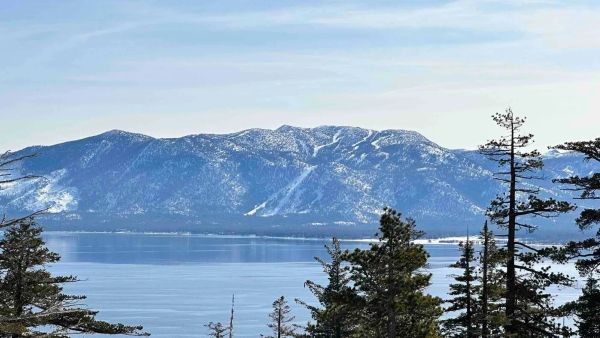
Vail Resorts Counts the Cost of a Thin Winter as Pass Sales Slide Further
A historically poor western winter cut Vail Resorts' annual net income from $280 million to $147.5 million and skier visits by 13.4 per cent. Now 2026-27 pass units are down 12 per cent as of 18 September, worse than the 10 per cent flagged in spring. Vail blames the weather and thinks some buyers are simply waiting, and it forecasts a rebound if the snow behaves.
3 Oct 2026
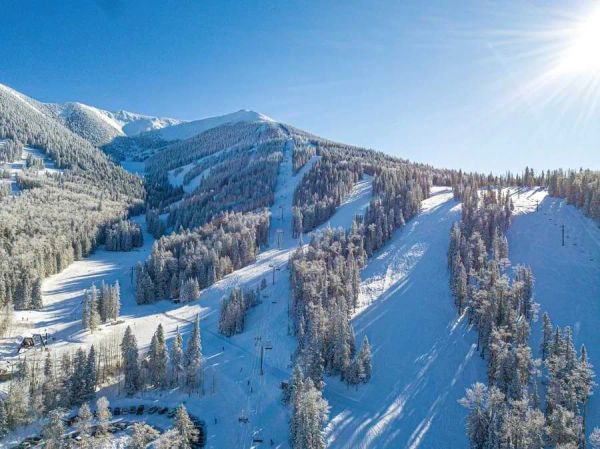
Arizona Snowbowl's $1 Lift Tickets Are Hard to Find, but $9 Days Are Not
Arizona Snowbowl advertised eight $1 lift ticket days this winter. Go looking and only three are showing - 10 March, 1 April and 10 April - so the rest may already have gone. The consolation is a calendar full of $9 days, including all but one day in April. Opening day is 20 November, weather permitting, and opening weekend is $19.
2 Oct 2026
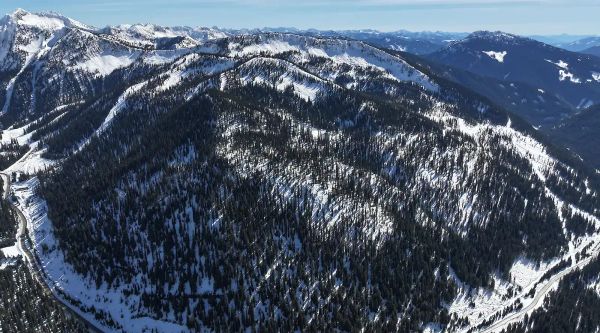
Whitewater Brings Its Short Side Inbounds, With Six New Runs for 2026-27
For years, Whitewater's Short Side was where you ducked a rope and hoped for the best: unmapped, ungroomed and unpatrolled. This winter it's inbounds. Six new runs of glades and fall-line skiing add 190 acres (about 77 hectares), taking the resort past 1,400 acres in total. F2 Logging spent a month in the trees to make it happen, and opening day is pencilled in for 4 December. Bonanza now needs less snow to groom, too.
1 Oct 2026
Ishiuchi Maruyama Snow Report
Snow Report
Awaiting live data
920m
summit
+0cm
new snow · last 24 hours
-°C / -°C · - -
Snowfall
24 hours
0cm
48 hours
0cm
7 days
0cm
Base depth
-
Season total
-
Total lifts15
Live open status isn’t available right now.
18 Dec 2026 - 4 Apr 2027
Hour by Hour
Next 37 hours· Updated Oct 8, 2026 at 5:02 AM
Scroll for the full outlook · Open-Meteo
7-Day Outlook
920 mUpdated Oct 8, 2026 at 5:02 AMOpen-Meteo
Days 1–7
0.0cm
Days 8–14
0.0cm
Thu, Oct 8
Clear
Temp18° / 9°°C
Snow0.0cm
Wind7 km/h W
Live snow from the resort feed; forecast from Open-Meteo, via Supabase.
Understanding the Ishiuchi Maruyama snow report
Planning a day at Ishiuchi Maruyama? Our snow report combines official mountain data with live weather so you know exactly what conditions look like right now, from the 256m base to the 920m summit.
Snow measurements
Base depth, summit depth, and recent snowfall are the core numbers to watch. At Ishiuchi Maruyama, summit conditions (920m) can differ noticeably from the base, so we break both out separately rather than showing a single average.
Weather conditions
Wind and temperature swings matter as much as fresh snowfall. Cold, calm conditions hold snow quality well, while wind-loading or a warm-up can change things quickly — especially given the elevation spread between Ishiuchi Maruyama's base and summit.
Data sources
Ishiuchi Maruyama snow data is collected through a combination of on-mountain reports and weather forecasting services, giving you both official resort updates and independent forecast data in one place. The mountain is served by 15 lifts, including 4 quad chairlifts and a 6-person chairlift.
When to check
The biggest swings usually happen right after a storm. Check Ishiuchi Maruyama's report in the morning for the freshest numbers, and again in the afternoon as conditions evolve.