Chubu, Japan
Ishiuchi Maruyama
75-year-old resort with 23 runs, 664m vertical, 8m annual snowfall. Japan's largest night skiing zone, 80 mins from Tokyo.
Season 2025-2026
Opens
19 Dec 2025
Closes
5 Apr 2026
Days open
107
Annual snow
8m
The Overview
Michael Fulton
Melbourne-based skier and snowboarder with 50+ resorts across 5 continents. Specialises in Australian resorts and international resort comparisons.
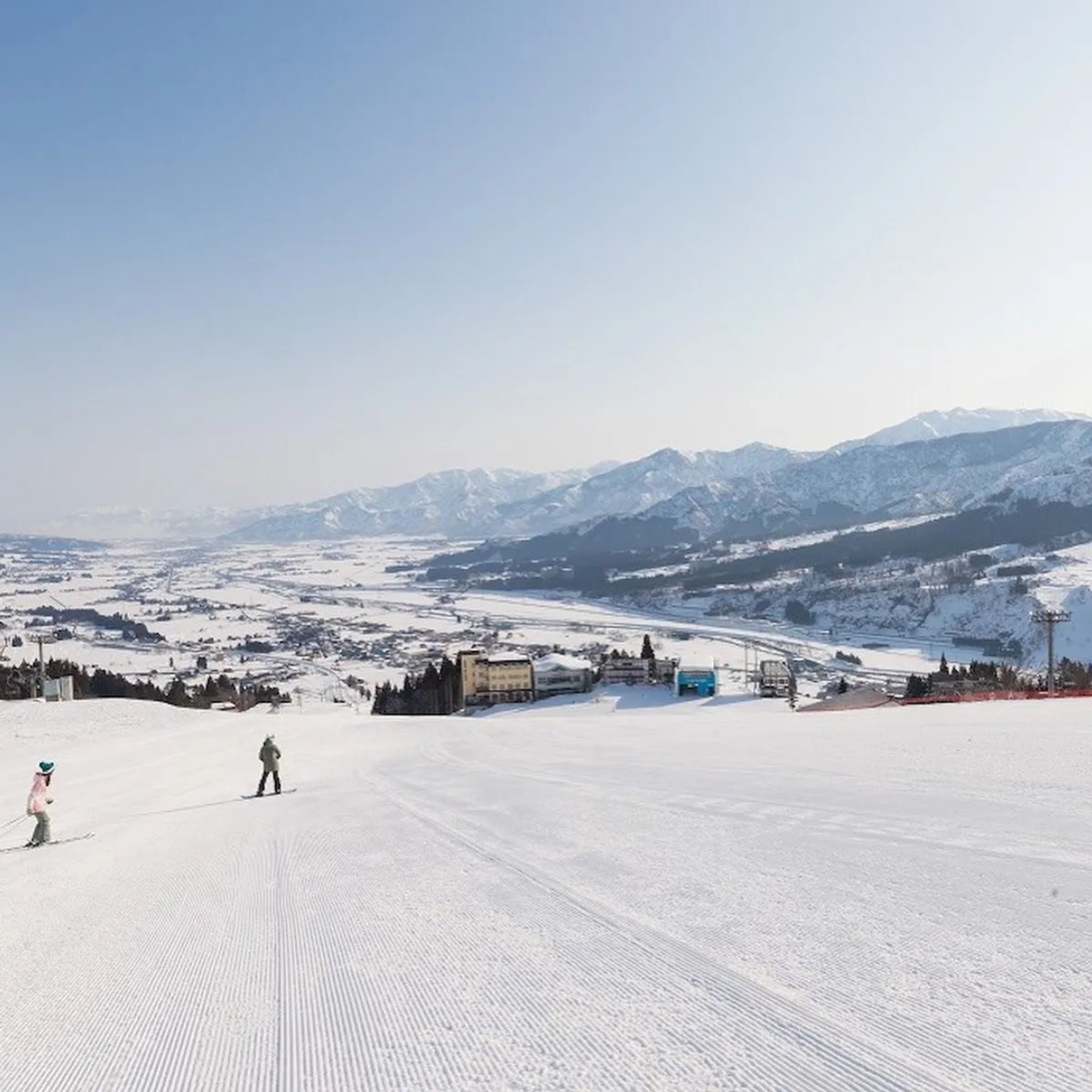
Ishiuchi Maruyama operates across 236 hectares with 23 marked runs and a vertical drop of 664 metres, spanning from a base elevation of 256 metres to a 920-metre summit. The resort averages 8 metres of annual snowfall and opened in 1949, making 2024 its 75th anniversary season. The longest single run extends 4,000 metres from summit to base, whilst the resort maintains connectivity to GALA Yuzawa and Yuzawa Kogen through the tri-resort Yuzawa Snow Link pass.
Terrain splits 40 per cent beginner, 40 per cent intermediate, and 20 per cent advanced across the 23 courses, with no designated expert terrain. The Paradise Course delivers wide intermediate cruising with views across the Minamiuonuma Plain and Echigo Sanzan mountains. The resort spreads across three base areas - Central, Hatsukaishi, and North - each offering independent access points. Tree-run zones and ungroomed sections provide powder stashes after storms deliver Uonuma snow.
Independently run lodges and restaurants line the slopes at each base area, preserving traditional Japanese ski culture. The Veranda observation terrace sits mid-mountain and accommodates non-skiers arriving via gondola. Night skiing covers 3,000 metres across 12 illuminated courses, operating daily from late December through February and Friday-Saturday in March. Weekend traffic from Tokyo creates queues at upper lifts, particularly the summit quad.
The Yuzawa Snow Link pass connects 48 combined courses across Ishiuchi Maruyama, GALA Yuzawa, and Yuzawa Kogen from December through March for 3,000 yen over a standard lift ticket. Direct shinkansen access from Tokyo Station to Echigo-Yuzawa takes 80 minutes, positioning the resort for day trips. The terrain suits intermediates seeking variety and beginners building confidence, whilst night operations and terrain park features draw freestyle riders. Proximity to Echigo-Yuzawa onsen town adds post-skiing relaxation options.
664m
Vertical
23
Runs
289 acres
Skiable
8m
Annual snow
The Terrain
23 runs across 289 acres skiable
Ishiuchi Maruyama spreads 23 runs across 289 acres skiable of terrain. It leans beginner at 40%, with 9 beginner runs to find your feet and 5 advanced or expert runs when you want to push.
Terrain split
23
runs
23 runs across 4 grades
Beginner9 runs · 40%
Intermediate9 runs · 40%
Advanced5 runs · 20%
Expert0 runs · 0%
Time it right
When to visit Ishiuchi Maruyama
The 2025-26 season operates from 19 December 2025 through 5 April 2026, spanning approximately 107 days. Night skiing runs daily from 27 December 2025 to 28 February 2026, then Friday-Saturday only through 28 March. The Hatsukaishi and North base areas close 29 March, consolidating operations to the Central zone for the final week. Spring operations extend The Veranda observation terrace through Golden Week from 25 April to 10 May for sightseeing.
The resort averages 8 metres of annual snowfall, with heavy accumulation weeks typically arriving mid-December through February. The Niigata coast's position relative to Siberian weather systems crossing the Sea of Japan delivers consistent powder cycles, with individual storms depositing over 50 centimetres overnight. The base elevation of 256 metres creates marginal temperatures during warm spells. North-facing aspects preserve snow quality longer than south-facing runs. Snowmaking supplements natural coverage on high-traffic zones.
January and February offer peak powder conditions and deepest base depths, though weekend crowds from Tokyo increase during this window. Early December provides quieter slopes with lighter coverage. March delivers spring corn snow and extended daylight, with parking fees waived from 8 March through closing. Late-season operations concentrate on higher-elevation terrain as lower runs thin. December's third week historically records the highest weekly snowfall totals.
The resort programme includes fireworks displays on select evenings and Children's Ski Day on the third Sunday of each month from January to March, offering free lift tickets for elementary-age children. Apres-ski events feature DJ music lounges at the Central base on weekend afternoons. The terrain park undergoes layout renewal in late March ahead of spring sessions. Night skiing offers illuminated halfpipe access and intermediate run options beyond beginner zones.
Season 2025-2026
19 Dec 2025
Opens
5 Apr 2026
Closes
107
Days open
8 m
Annual snow
Getting there
Getting to Ishiuchi Maruyama, and where to stay
Ishiuchi Maruyama sits in Minamiuonuma City, Niigata Prefecture, within the Yuzawa valley of central Honshu's snow country region. The resort base occupies 256 metres elevation surrounded by peaks reaching beyond 1,900 metres, including views toward Mount Iiishi. The Minamiuonuma Plain stretches north from the base, with the Echigo Sanzan mountains framing the eastern skyline. Niigata Prefecture's heavy-snowfall zone benefits from moisture-laden systems off the Sea of Japan.
Echigo-Yuzawa town centre lies 3 kilometres from the resort, a 10-minute free shuttle bus journey from Echigo-Yuzawa Station. Yuzawa gained literary fame as the setting for Yasunari Kawabata's Nobel Prize-winning novel Snow Country. The town offers traditional ryokan accommodation, numerous onsen facilities, and Ponshukan sake museum at the station featuring tastings of over 100 Niigata sake varieties. Ishiuchi Station on the Joetsu Line sits 15 minutes' walk from the Kanko entrance.
The Kan-etsu Expressway provides road access via Shiozawa-Ishiuchi Interchange, located 5 kilometres and approximately 5 minutes' drive from the resort along Route 17. Tokyo's Nerima Interchange sits 120 minutes distant via expressway. Parking costs 1,000 yen on weekends and holidays but operates free on weekdays and from 8 March through season close. Four separate entrance gates - two Central gates, North entrance, and Hatsukaishi entrance - serve different parking zones and terrain areas.
Tokyo Station connects via Joetsu Shinkansen to Echigo-Yuzawa Station in 80 minutes, with free shuttle buses departing the east exit every 10-15 minutes during operating hours. Haneda Airport requires 2 hours by train to Echigo-Yuzawa, whilst Narita Airport extends to 3 hours. Niigata Airport sits 90 minutes away via bus to Niigata Station then 80-minute train to Echigo-Yuzawa. Multi-resort shuttle buses link Ishiuchi Maruyama with GALA Yuzawa, Yuzawa Kogen, and NASPA resorts on circular routes.
Where to stay
Search all stays →Hotels and lodges near Ishiuchi Maruyama, powered by Stay22.
Latest News
From the SnowStash desk
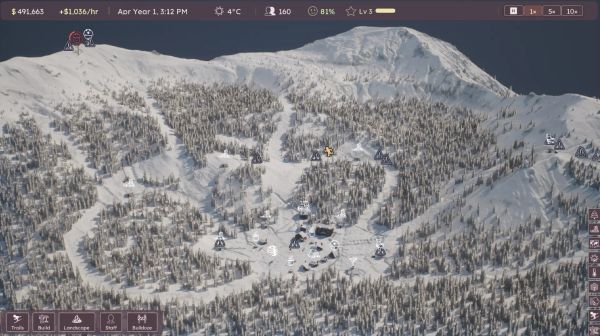
Ski-E-O! Is the Ski Resort Tycoon Game We Didn't Know We Needed
I'm not a gamer. I'm a skier and snowboarder who happens to have a laptop. So when a ski resort management game called Ski-E-O! landed on Steam, I wasn't expecting to lose an afternoon to it - but here we are. Real mountain terrain, a full weather system, storms that roll in and wreck your snow base, avalanche danger, and enough depth to make RollerCoaster Tycoon feel simple by comparison. Early access lands in November. Here's what a few hours in the free demo actually looks like.
23 Aug 2026
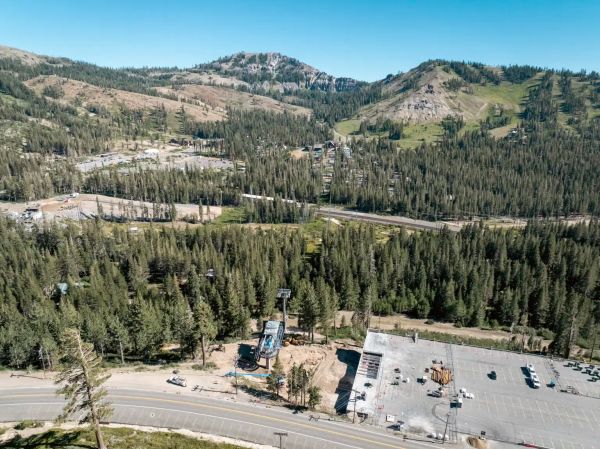
Sugar Bowl, California, Rebuilds Its Historic Village Gondola
The rumours are true: Sugar Bowl is tearing out its Emerald gondola, in place since 1983, and replacing it with a new 8-person Doppelmayr system - nearly doubling uphill capacity to 1,800 people an hour. It's the fourth generation of a gondola line that dates back to 1953, when Sugar Bowl became the first resort on the West Coast to run one at all, and it's just one piece of a $100 million overhaul touching lodges, parking and snowmaking. Here's what's changing, and what's staying the same.
23 Aug 2026
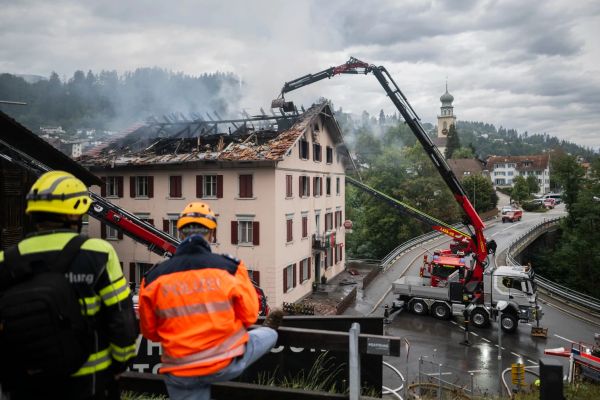
Two Confirmed Dead as Search Continues After Swiss Alps Fire
The death toll from Thursday night's fire at Restaurant Beverin in Thusis, Switzerland, has begun to firm up. One Swiss outlet, citing Graubünden Cantonal Police, reports that two of the five people initially reported missing have now been confirmed dead, leaving three unaccounted for. The building's collapsed stairwell and structural instability have slowed recovery efforts throughout. Here's what's changed since the fire broke out, and what's still unconfirmed.
22 Aug 2026
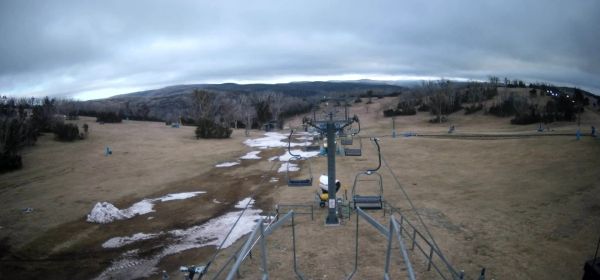
Selwyn Snow Resort Closes Early as Rain Ends Its 2026 Season
Selwyn Snow Resort has called an early end to its 2026 season, a day after Victoria's Mount Baw Baw did the same. Rain on Thursday stripped what was left of the snowpack, and the cold nights needed to rebuild it through snowmaking never arrived. It's a rough result for a resort that only just found its footing again after being burned to the ground in the 2019-20 Black Summer bushfires and a multi-year rebuild. Here's how the season fell apart, and where Selwyn's been since the fire.
22 Aug 2026
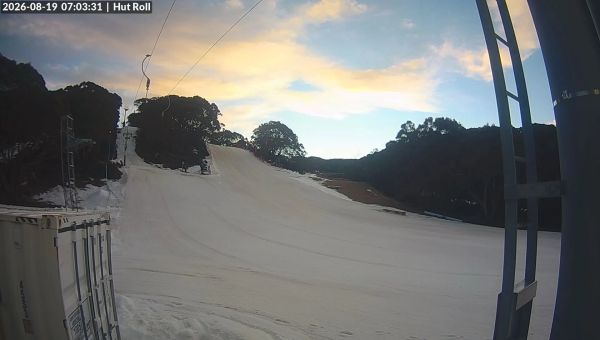
Mt Baw Baw Becomes First Australian Resort to Close for 2026
Mt Baw Baw is calling time on its 2026 season this Sunday at 5pm, becoming the first Australian resort to close for the year after warm spells and rain wore through its snowpack. Lifts stop, but the resort stays open, entry fees get waived, and there's one last Bollywood Weekend before the lights go out. Fifty-seven days after opening, here's how the season ended and what it means for the rest of Australia's struggling snowpack.
21 Aug 2026
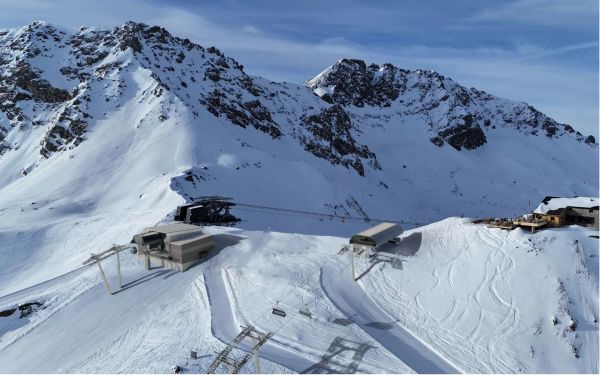
Arosa to Replace 40-Year-Old Hörnli Lifts With New Gondola and Chair
Arosa's Hörnli sector is getting its biggest overhaul in decades. The 1986 gondola and 1994 chairlift linking toward Lenzerheide are both being replaced, with capacity up, tower count down and a new base station lower on the hill. At roughly CHF 67 million, it is the largest single investment Arosa Bergbahnen has ever made - and the target opening has already slipped a year, to December 2028. Here is what is changing, and why the timeline moved.
20 Aug 2026
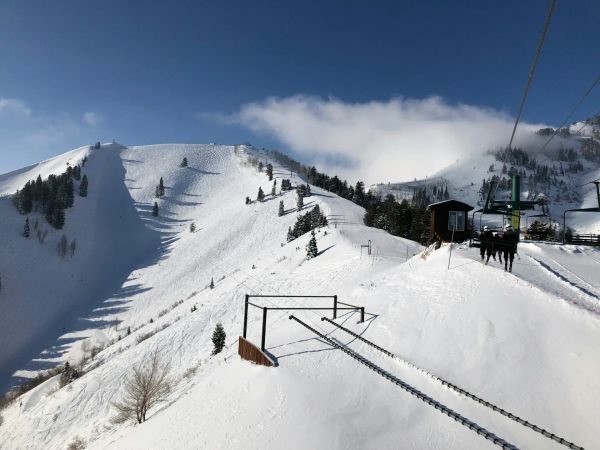
Sundance Mountain Resort Is Getting a New High-Speed Quad and More Back Mountain Terrain This Winter
Sundance Mountain Resort's back mountain is finally getting a proper lift. The Electric Horseman Express opens for 2026-27, unlocking a new bowl next to Bishop's Bowl and three expert gladed chutes across roughly 105 fresh acres - on top of the Storyteller ridge run that debuted in preview form last season. It's Sundance's biggest expansion since 1985, and it turns a three-lift slog into a single six-minute ride to Bearclaw Summit.
19 Aug 2026
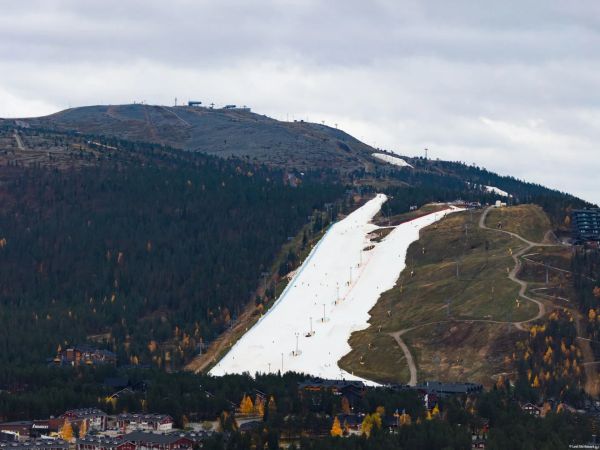
Levi and Ruka Confirm October 2 Opening on Farmed Summer Snow
Finland's Levi and Ruka open for the 2026-27 season on October 2, more than seven weeks before most of Europe sees a lift turn. Neither resort is waiting on autumn snowfall - both are skiing on snow buried since last spring, insulated through the Finnish summer and dug back out for opening day. It is not a shortcut. It is a decades-old system now spreading from the Arctic Circle to Idaho, Utah, Vermont and Colorado. Here is how snow farming actually works, and why it is catching on.
19 Aug 2026
Trail map & terrain
Terrain split
23
runs
Beginner40%
Intermediate40%
Advanced20%
Expert0%
289 acres skiable117 hectares
Resort Stats
Elevation
Base256m
Summit920m
Annual snowfall
8m
Season
2025-2026
19 Dec 2025 - 5 Apr 2026
Trail coverage
23 runs
289 acres (117 ha)
Ishiuchi Maruyama ski trails
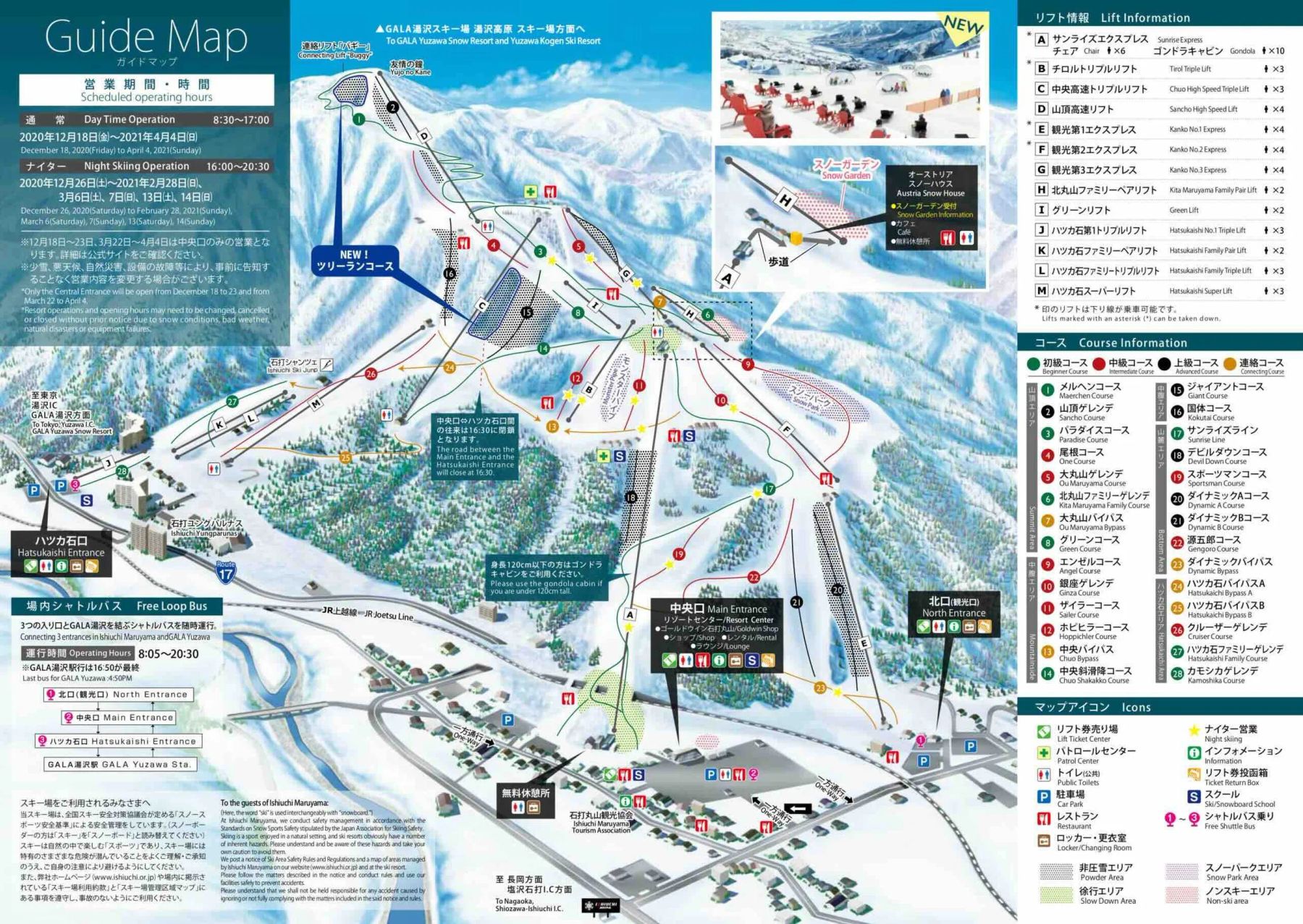
Ishiuchi Maruyama offers 23 runs across a mix of difficulties. The terrain split and trail map here show how the mountain breaks down so you can plan a day that suits your group.
- • Match runs to your ability - the terrain split shows how much of Ishiuchi Maruyama is beginner, intermediate and advanced.
- • Check grooming and open-run status against the live conditions before committing to the upper mountain.
- • Early season and after fresh snow, favour the lifts serving your preferred grade to make the most of the day.
More Ishiuchi Maruyama intelligence: trail map, lift system, resort overview.