
The Overview
Michael Fulton
Melbourne-based skier and snowboarder with 50+ resorts across 5 continents. Specialises in Australian resorts and international resort comparisons.
Shiga Kogen spans 18 interconnected ski areas across 607 hectares between 1,340 and 2,307 metres elevation, creating Japan's largest contiguous ski resort with 967 metres of vertical drop. The resort offers 80 kilometres of marked pistes serviced by 49 lifts, with 50 per cent beginner terrain, 36 per cent intermediate and 14 per cent advanced runs across areas including Yakebitaiyama, Okushiga Kogen, Higashidateyama and Ichinose. Annual snowfall averages 11 to 12 metres, whilst the 2,307-metre summit at Yokoteyama marks Japan's highest lift-accessed point, ensuring consistent snow quality through an extended season.
Central Area clusters 13 ski fields around Ichinose with 35 runs serviced by 22 chairlifts and two gondolas, offering long groomed cruisers ideal for intermediates exploring interconnected terrain. Yakebitaiyama covers 61 hectares with 19 runs including the Olympic giant slalom course from the 1998 Nagano Winter Olympics, operated by Prince Hotels with two gondolas accessing wide-open slopes and tree runs. Okushiga Kogen features English-language instruction and designated off-piste zones, whilst Yokoteyama and Kumanoyu remain separated from the main network, requiring shuttle bus transfers between areas.
Shiga Kogen sits within Joshinetsu Kogen National Park, designated a UNESCO Biosphere Reserve in 1980, maintaining a quieter mountain atmosphere with limited commercial development and ski-in accommodation scattered across multiple villages. More than 100 hotels offer traditional Japanese washitsu rooms and Western-style lodging, though English signage remains limited and nightlife minimal compared to Hakuba or Niseko. Free shuttle buses connect all 18 areas, whilst lift queues rarely form outside peak Japanese school holidays during Christmas and New Year periods.
The all-mountain pass grants access to every lift and area under one ticket, with single-area passes available for Okushiga, Yakebitaiyama, Central, Kumanoyu and Yokoteyama zones priced from 6,500 to 7,000 yen daily. The resort operates from early December through Golden Week in early May, one of Japan's longest seasons, attracting intermediate skiers seeking vast groomed terrain and families valuing quieter slopes. Proximity to Jigokudani Snow Monkey Park, 30 minutes away by bus, adds wildlife viewing to winter itineraries.
967m
Vertical
100
Runs
1,483 acres
Skiable
15m
Annual snow
The Terrain
100 runs across 1,483 acres skiable
Shiga Kogen is the largest ski area in Japan, a linked collection of 18 areas on the high plateau of Nagano Prefecture. It offers 100 runs across a vast 600 hectares, from a 1,340-metre base to the 2,307-metre summit of Yokoteyama, a vertical of 967 metres. Half the runs are beginner, 36% intermediate and 14% advanced, so it leans gentle. The 49 lifts include six gondolas, 13 quad chairs, 24 doubles and six triples. Because the base starts so high, the snow is dry and consistent, and skiers can spend several days exploring different sectors without repeating a run.
The long Yakebitaiyama area is known for its 1998 Olympic giant slalom course, and Okushiga Kogen has wide, open pistes reached by gondola. Giant is a FIS-certified slope with a maximum pitch of around 34 degrees, and Ichinose is the busy centre with plenty of easy to moderate cruising. Yokoteyama marks the highest lift-served point in Japan. Tree skiing is limited, with some options at Yakebitaiyama. Shiga Kogen suits beginners and intermediates wanting scale and variety, and those who like travelling from sector to sector by shuttle bus. Advanced skiers should see it as a groomed-run destination, not a steep-terrain one.
Terrain split
100
runs
100 runs across 4 grades
Beginner50 runs · 50%
Intermediate36 runs · 36%
Advanced14 runs · 14%
Expert0 runs · 0%
Time it right
When to visit Shiga Kogen
The 2025-26 season opened 5 December 2025 and continues through 29 March 2026 for most areas, with select fields operating into Golden Week extending the season until early May, making Shiga Kogen one of Japan's longest-operating resorts. First snowfall typically arrives mid-November, with gradual area openings through December as base depths build, whilst staging closures begin late March based on snow conditions at lower elevations. High-season lifts and terrain access peaks from Christmas through late February, with 40 of 49 lifts currently operating alongside 70 marked runs as of mid-June conditions reporting.
Elevation advantage delivers reliable snow quality, with annual averages ranging 11 to 15 metres depending on measurement location and methodology, whilst the 2,307-metre summit maintains consistent powder conditions January through March. Peak snowfall concentrates in January with week three averaging 52 centimetres and 4.9 snowy days, whilst February delivers similar totals with mid-mountain temperatures reaching minus 8 degrees Celsius. Base depths at 1,340 metres regularly exceed two to three metres during peak winter, supported by natural accumulation rather than extensive snowmaking infrastructure given high-altitude reliability.
Optimal powder timing runs mid-January through February when cold temperatures and frequent storms deliver Japan's finest dry snow, whilst March offers warmer spring conditions with extended daylight and corn snow development at lower elevations. December and early January provide quieter periods before Japanese school holidays, though coverage varies across lower areas awaiting sufficient base building. April and early May cater to enthusiasts seeking long seasons and spring skiing on sun-softened slopes at higher elevations, particularly Yokoteyama and Okushiga zones.
Special programming includes first tracks sessions at Yakebitaiyama on select Sundays from January through March priced 2,500 yen for groomed runs before regular operations, whilst New Year's Day sunrise access opens 6.45am for summit viewing. Night skiing operates at limited areas on specific dates, requiring separate tickets beyond standard day passes. Free kids' lift passes run third Sundays December through April for children aged 0-12, whilst snowmobiling, terrain parks and family snow parks supplement on-mountain activities throughout winter operations.
Season 2026 - 2027
21 Nov 2026
Opens
16 May 2027
Closes
176
Days open
15 m
Annual snow
Getting there
Getting to Shiga Kogen, and where to stay
Shiga Kogen occupies highland terrain within Joshinetsu Kogen National Park in Yamanouchi, northeastern Nagano Prefecture, with villages scattered between 1,300 and 1,600 metres elevation across forested valleys surrounded by peaks exceeding 2,000 metres. The resort sits approximately 50 kilometres northeast of Nagano City and 250 kilometres northwest of Tokyo, positioned on the western slopes of the mountain range whilst Naeba and Yuzawa resorts occupy eastern flanks. The UNESCO Biosphere Reserve designation recognises 13,000 hectares of protected alpine environment comprising 70 lakes, ponds, marshes and forests supporting rare flora and fauna unique to volcanic soil composition.
Yudanaka and Shibu Onsen lie 30 minutes downhill via winding mountain roads, offering traditional hot spring ryokan accommodation and access to Jigokudani Snow Monkey Park where wild macaques bathe in natural thermal pools. Nagano City, 45 kilometres southwest, serves as the main regional hub with shinkansen connections, whilst Nakano City 40 minutes away provides supermarket facilities unavailable within the resort's limited convenience stores. Yamanouchi town encompasses Shiga Kogen administratively, with Route 292 and connecting mountain roads linking scattered villages, though steep grades, hairpin turns and frequent snow coverage demand winter tyres and careful driving.
Road access follows Route 292 climbing from Yudanaka through multiple tunnels over approximately 14 kilometres of steep, winding mountain highway often covered in snow requiring chains or four-wheel drive vehicles. The drive from Tokyo takes approximately five hours via Joshinetsu Expressway and Route 18 through Nagano Prefecture, whilst Nagano City lies 90 minutes from the resort base. Snow tyres remain mandatory throughout winter, with road condition webcams monitoring tunnel approaches and switchback sections prone to ice accumulation at higher elevations.
Narita Airport sits 250 kilometres distant with Nagano Snow Shuttle buses operating direct six to seven-hour transfers priced 14,850 to 17,930 yen depending on drop-off location within Shiga Kogen's sprawling area network. Haneda Airport offers similar shuttle services, whilst train connections via Hokuriku Shinkansen reach Nagano Station in 90 minutes from Tokyo, followed by 40-minute Nagano Dentetsu local trains to Yudanaka Station and hourly inexpensive buses climbing to resort villages. Iiyama Station provides alternative shinkansen access with connecting bus services, whilst private transfers accommodate groups avoiding multiple train changes with ski equipment and luggage.
Where to stay
Search all stays →Hotels and lodges near Shiga Kogen, powered by Stay22.
Latest News
From the SnowStash desk
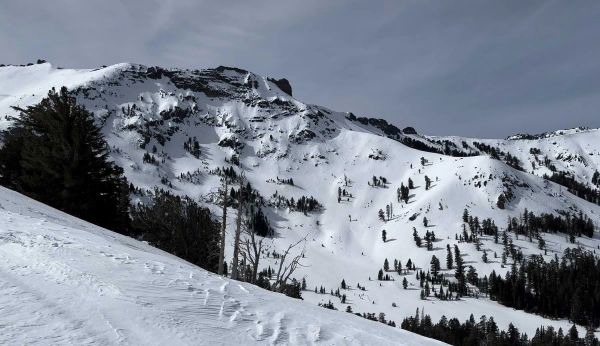
California Ski Resort Opening Dates 2026-27: Mammoth Leads, Tahoe Follows
Mammoth Mountain is first up in California, targeting Friday 13 November after a dusting of September snow. Heavenly and Northstar follow on 20 November, Palisades Tahoe on Wednesday 25 November and Sugar Bowl on 27 November, with Kirkwood on 4 December and June Mountain on 19 December. Plenty of smaller areas have no date yet. A super El Niño favours the Sierra, but a warmer storm track is the catch.
7 Oct 2026
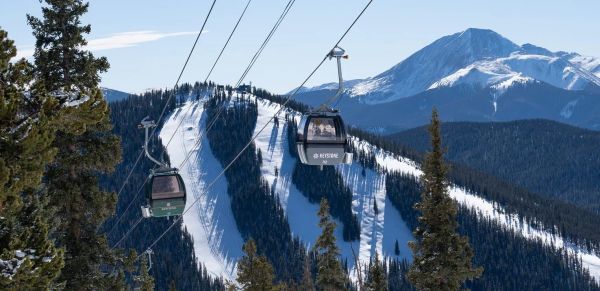
Colorado Ski Resort Opening Dates 2026-27: A-Basin and Keystone Race to Be First
Arapahoe Basin, Keystone and Winter Park are all chasing an October start, though none has a firm date yet. The first dated openers are Breckenridge and Copper on Friday 6 November, then Vail on 13 November, with most of the rest bunched around US Thanksgiving. Hesperus did not open at all last season. A super El Niño offers hope but no guarantee, and forecasters say the southern mountains have the better odds.
5 Oct 2026
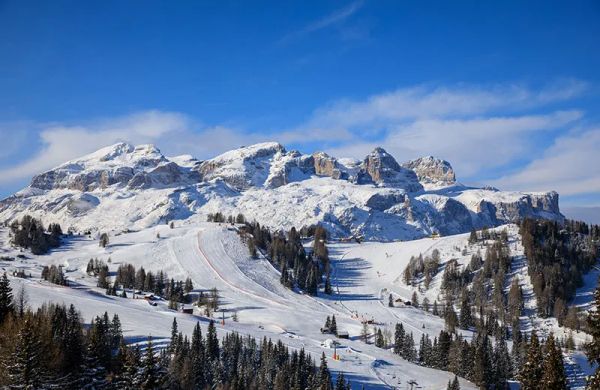
Dolomiti Superski 2026-27: Four New Gondolas, New Reservoirs and an €89 Peak Day Pass
Dolomiti Superski is spending around €100 million across its 12 areas before winter. Kronplatz gets a new 10-passenger gondola with a middle station, 3 Zinnen gets Helmissimo, and Val di Fassa swaps a chairlift for a gondola above Col Valvacin. New water-storage basins and upgraded snowmaking follow, and construction has started on the San Martino to Passo Rolle link. A peak adult day pass is €89.
4 Oct 2026
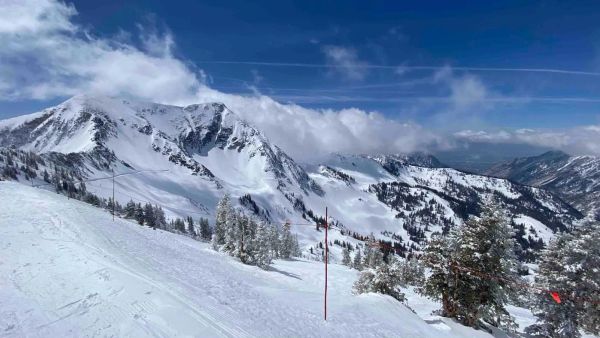
Utah Ski Resort Opening Dates 2026-27: Brian Head First, Eagle Point Out
Brian Head is targeting 6 November, though last year it aimed for 7 November and did not open until the 25th. Park City, Alta and Solitude are pencilled in for 20 November, Snowbird and Snowbasin for 27 November, and Deer Valley for 5 December. Eagle Point will stay closed after the Cottonwood Fire. A super El Niño is forecast, but the big snow is not expected until January.
4 Oct 2026
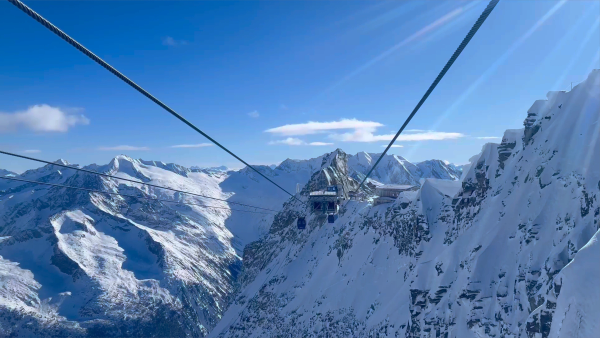
Hintertux Glacier Opens for 2026-27 With 12 Kilometres of Piste
Hintertux became Austria's second glacier to open for 2026-27 on Friday 2 October, after the Pitztal Glacier. Twelve kilometres of piste are running around the Olperer and Gefrorene Wand, served by one gondola and two drag lifts, with the Betterpark also open. Lifts officially run 8:15 am to 4:30 pm, but skiing stops at 2 pm for now.
4 Oct 2026
Vail Resorts Counts the Cost of a Thin Winter as Pass Sales Slide Further
A historically poor western winter cut Vail Resorts' annual net income from $280 million to $147.5 million and skier visits by 13.4 per cent. Now 2026-27 pass units are down 12 per cent as of 18 September, worse than the 10 per cent flagged in spring. Vail blames the weather and thinks some buyers are simply waiting, and it forecasts a rebound if the snow behaves.
3 Oct 2026
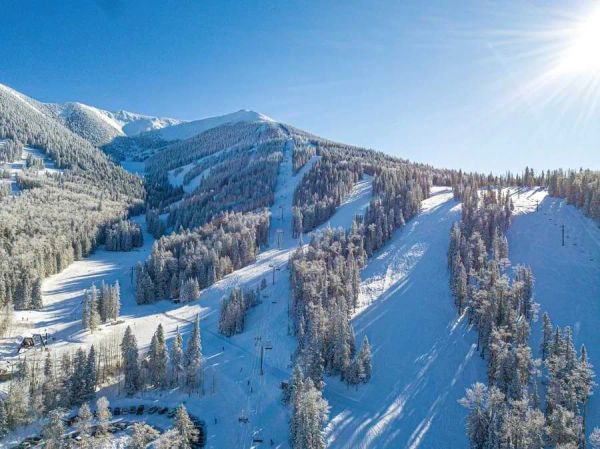
Arizona Snowbowl's $1 Lift Tickets Are Hard to Find, but $9 Days Are Not
Arizona Snowbowl advertised eight $1 lift ticket days this winter. Go looking and only three are showing - 10 March, 1 April and 10 April - so the rest may already have gone. The consolation is a calendar full of $9 days, including all but one day in April. Opening day is 20 November, weather permitting, and opening weekend is $19.
2 Oct 2026
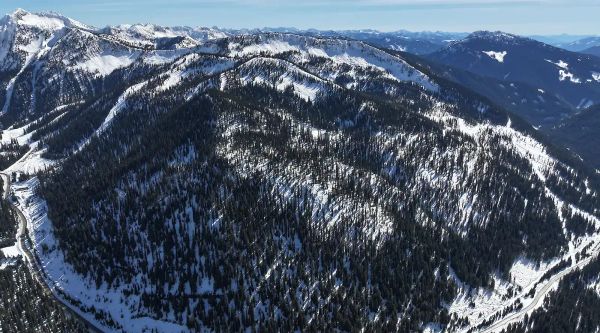
Whitewater Brings Its Short Side Inbounds, With Six New Runs for 2026-27
For years, Whitewater's Short Side was where you ducked a rope and hoped for the best: unmapped, ungroomed and unpatrolled. This winter it's inbounds. Six new runs of glades and fall-line skiing add 190 acres (about 77 hectares), taking the resort past 1,400 acres in total. F2 Logging spent a month in the trees to make it happen, and opening day is pencilled in for 4 December. Bonanza now needs less snow to groom, too.
1 Oct 2026