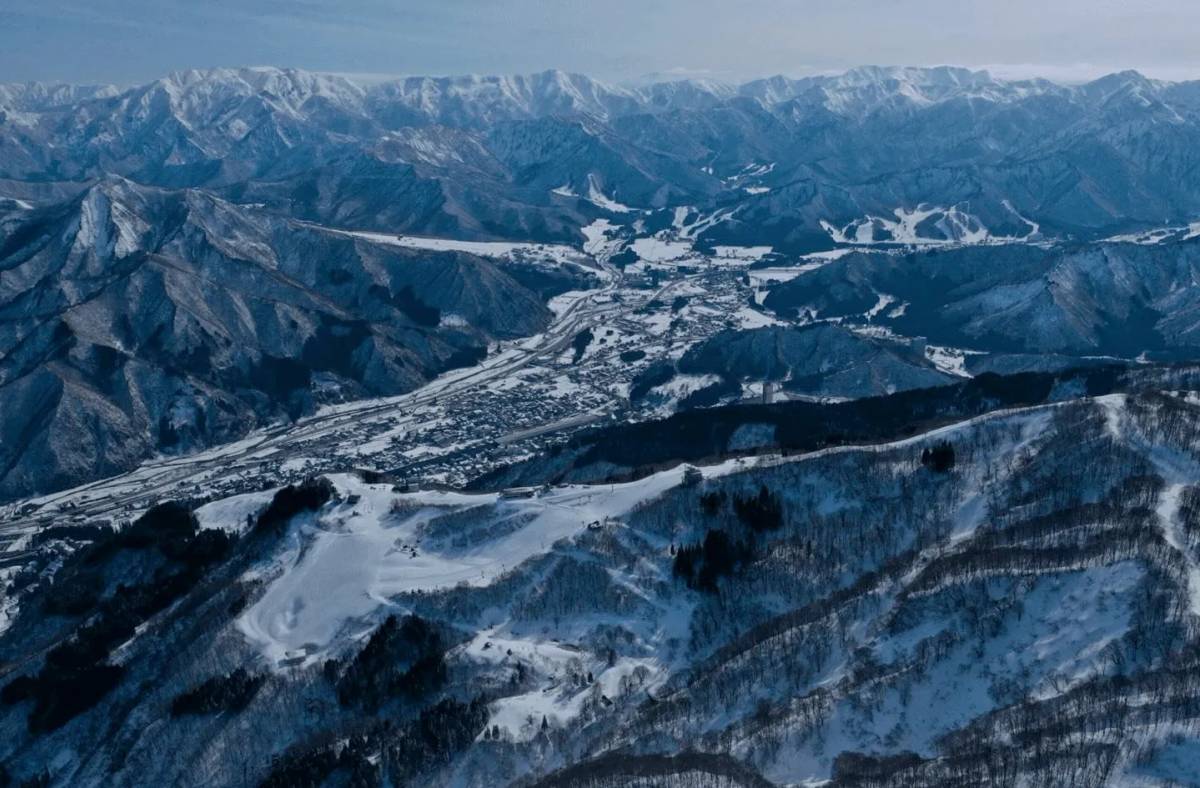
Yuzawa Kogen
Yuzawa Kogen: 840m vertical, 7 runs, 8m annual snowfall. 70 minutes from Tokyo via shinkansen to Echigo Yuzawa Station.

Current Conditions→
Season 2025-2026
Opens
5 Dec 2025
Closes
29 Mar 2026
Days open
114
Annual snow
8m
The Overview
Michael Fulton
Melbourne-based skier and snowboarder with 50+ resorts across 5 continents. Specialises in Australian resorts and international resort comparisons.
Yuzawa Kogen operates across 840 metres of vertical drop between base elevation at 330 metres and a summit at 1,170 metres. The compact resort features 7 marked runs served by 5 lifts, with terrain split 40 per cent beginner, 40 per cent intermediate, and 20 per cent advanced. The ski area receives an annual average of 8 metres of snowfall and connects via lift to neighbouring Gala Yuzawa and Ishiuchi Maruyama resorts through the Yuzawa Snow Link pass system. The ski area's defining feature is the Yuzawa Kogen Ropeway, a 166-passenger aerial tramway built in 1991 that ascends 1,303 metres from the town centre in seven minutes.
The upper Kogen Area accessed by ropeway delivers varied intermediate terrain at elevations above 1,000 metres with views across the Yuzawa and Minamiuonuma valleys. Below the ropeway terminal, the Nunoba Area functions as a dedicated beginner zone with gentle learning slopes separated from faster traffic. Terrain is concentrated on a single ridge rather than sprawling across multiple valleys, making navigation straightforward for first-time visitors. Lessons are available in English, Chinese, and Japanese.
Yuzawa Kogen functions as a family-oriented day resort within walking distance of Echigo Yuzawa Station. The resort attracts weekend crowds from Tokyo but the upper slopes remain quieter than Gala Yuzawa. Restaurant Edelweiss at the ropeway summit seats 180 and serves local Niigata pork and koshihikari rice. A 100-metre snow escalator at the Yuzawa Onsen Snow Play Park facilitates sledding and snow tubing for non-skiers.
The Yuzawa Snow Link pass provides interchangeable access to Yuzawa Kogen, Gala Yuzawa, and Ishiuchi Maruyama, creating a combined terrain offering that suits intermediates seeking variety. Interconnection eliminates the need for shuttle buses during periods of stable weather. The resort operates December through late March and suits beginners, families, and Tokyo-based skiers prioritising rail accessibility over extensive terrain. Multi-day visitors typically use Yuzawa Kogen as a gateway to the larger linked area rather than skiing it exclusively.
840m
Vertical
7
Runs
42 acres
Skiable
8m
Annual snow
The Terrain
7 runs across 42 acres skiable
Yuzawa Kogen is a compact ski area just above Echigo-Yuzawa, with seven runs rising from a 330-metre base to 1,170 metres, a vertical of 840 metres, over just 17 hectares. The grading is 40% beginner, 40% intermediate and 20% advanced, and there is no expert terrain. A single aerial tram and four chairs carry skiers up the hillside, and the ropeway means every run starts at altitude. It is a straightforward, single-ridge layout, so first-time visitors to Japan can work out the mountain in a morning and spend the rest of the day skiing.
Upper runs follow the ropeway ridge with open intermediate pitch and views across the valley, while the lower slopes are gentle and set aside for beginners and families. The area connects with neighbouring Gala Yuzawa and Ishiuchi Maruyama through the Yuzawa Snow Link pass, so skiers wanting variety can combine several areas on one ticket. Yuzawa Kogen suits beginners, families and intermediates visiting from Tokyo for the day by Shinkansen. Advanced skiers will find limited challenge on its seven runs, and powder seekers should head elsewhere in the region after a storm. The convenient rail access is the real drawcard.
Terrain split
7
runs
7 runs across 4 grades
Beginner3 runs · 40%
Intermediate3 runs · 40%
Advanced1 run · 20%
Expert0 runs · 0%
Time it right
When to visit Yuzawa Kogen
Yuzawa Kogen's 2025-2026 season commenced on 5 December 2025 and concludes on 29 March 2026. Typical operating seasons span mid-December through late March, aligning with snowfall patterns across the Echigo Yuzawa area. The Yuzawa Kogen Ropeway transitions to summer operations post-season, transporting hikers to alpine gardens and bobsled activities at the summit. Gala Yuzawa Station on the shinkansen branch line operates exclusively during ski season.
The resort sits within Niigata Prefecture's yukiguni snow country belt and receives an annual average of 8 metres of snowfall. Elevation spans from 330 metres at the ropeway base to 1,170 metres at the summit, creating a modest altitude differential compared to resorts further inland. Snowfall reliability benefits from proximity to the Sea of Japan, which generates consistent winter precipitation. Snowmaking infrastructure supplements natural snow on lower-elevation beginner areas during marginal periods.
January and February deliver peak powder conditions with the deepest snowpack and coldest temperatures averaging below freezing. Late December through early January coincides with Japanese New Year holidays, creating the busiest period for lift queues and accommodation. March offers warmer spring skiing with longer daylight hours, though base-area snow quality deteriorates by late season. Weekdays outside Japanese school holidays provide the quietest on-mountain experience.
Yuzawa Kogen does not operate night skiing or host major competitive events during the season. The resort's summer ropeway season features alpine plant displays at Alp no Sato garden, zip lines, and go-karts operating from late April through November. The Fuji Rock Festival occurs 30 minutes away at Naeba each July, drawing international music audiences to the broader Yuzawa area. Ponshukan sake museum at Echigo Yuzawa Station offers year-round tastings of 100 Niigata sake varieties.
Season 2025-2026
5 Dec 2025
Opens
29 Mar 2026
Closes
114
Days open
8 m
Annual snow
The record
Historical snowfall at Yuzawa Kogen
Daily snow reports at Yuzawa Kogen go back to 2024. Open the record to compare winters, lifts and piste.
62 cm
Snowiest day
20 Feb 2025
1243 cm
This winter · 2024-25
so far
1243 cm
Typical winter
average of complete seasons
Winter totals
cm
Past wintersThis winter
Getting there
Getting to Yuzawa Kogen, and where to stay
Yuzawa Kogen sits directly above Yuzawa town in Minamiuonuma District, Niigata Prefecture, within the Chubu region of Honshu island. The resort occupies the highlands immediately west of Echigo Yuzawa Station at the base elevation of 330 metres. Mount Naeba rises to 2,143 metres approximately 15 kilometres north, whilst the Tanigawa mountain range forms the southern border with Gunma Prefecture. The resort lies within Joshinetsu-kogen National Park.
Echigo Yuzawa Station serves as the primary access hub, positioned 199 kilometres from Tokyo Station via the Joetsu Shinkansen. The ropeway base station sits 800 metres west of the shinkansen station, reachable via 8-minute walk or free shuttle bus. Yuzawa town functions as a traditional onsen resort immortalised in Yasunari Kawabata's novel Snow Country. Niigata Prefecture receives 4.7 million skiers annually across 12 ski fields within the Echigo Yuzawa area.
The Kanetsu Expressway's Yuzawa Interchange provides road access 5 minutes from the ropeway base station. Tokyo's Nerima Interchange sits approximately 2 hours' drive north via the Kanetsu Expressway under normal conditions. National Route 17 parallels the expressway through the valley, connecting to Minakami and Takasaki in Gunma Prefecture to the south. Winter tyre chains or snow tyres are compulsory during the season.
Niigata Airport lies 117 kilometres northwest, requiring 2 hours via bus to Niigata Station then 50 minutes by train to Echigo Yuzawa. Tokyo Haneda Airport sits 178 kilometres south with direct shinkansen service from Tokyo Station requiring 70 to 80 minutes on Toki or Tanigawa services. Tokyo Narita Airport requires 3 hours via train connections through Tokyo Station. The JR Pass covers all Joetsu Shinkansen services to Echigo Yuzawa, making rail the overwhelmingly preferred access method for international visitors.
Where to stay
Search all stays →Stays map loads when you scroll here
Hotels and lodges near Yuzawa Kogen, powered by Stay22.
Latest News
From the SnowStash desk
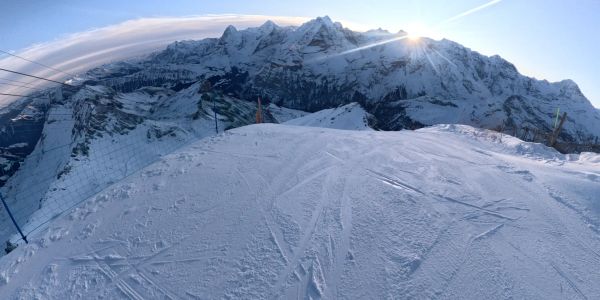
Swiss Avalanche Danger Hits Level 4 From Valais to Glarus
Level 4 of 5 avalanche danger is forecast for Monday 23 November from the Valais Alps to the Glarus Alps, and the SLF says to skip ski touring for now. Engelberg, Leukerbad and the Wildhorn are all on the list, while snow on the Bernina pass sent cars sliding off the road and shut it for two hours on Sunday. Early-season snow is welcome, but it is also what is loading the slopes. Here is where the danger sits and what to do about it.
23 Nov 2026
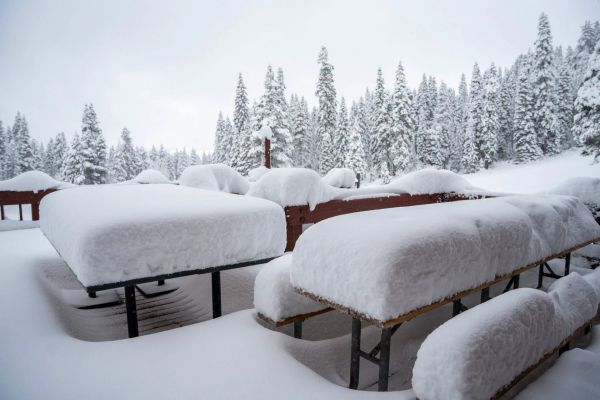
California Storm Cycle Delivers 86 Inches at Sugar Bowl and Pulls Openings Forward
A run of storms, including an atmospheric river, has buried the Sierra Nevada, with Sugar Bowl recording 86 inches (218 cm) between 14 and 20 November. Resorts across California and Nevada have pulled opening days forward after a dismal last winter. Here is what fell, who is open this weekend and what the forecast brings before Thanksgiving.
22 Nov 2026
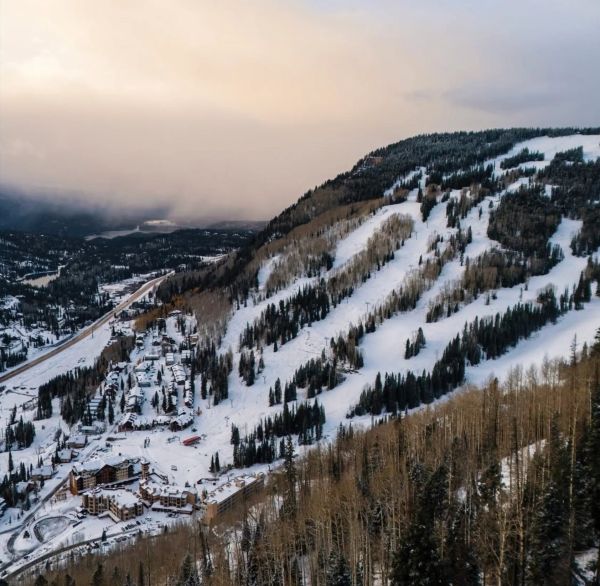
Purgatory Reveals Seven New Trails and a Colorado Couloir Chairlift Opening in December
Purgatory’s new trail map reads like a warning label. Seven new trails named after Dante’s Divine Comedy arrive with the Colorado Couloir chairlift in December, adding around 40 acres (16 ha) of steep pitches and gladed tree skiing. Five of them are black or double black. The resort opens for the season this Friday, 20 November.
19 Nov 2026
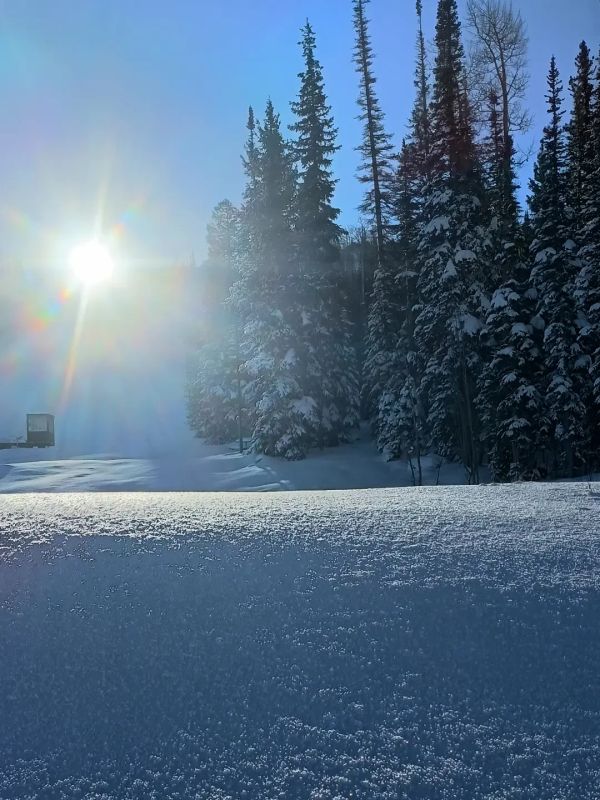
Brian Head Becomes First Utah Resort to Open for 2026-27, With Six Trails and a New Snowmaking Pipeline
Utah’s ski season has started, and it began in the south. Brian Head opened on Tuesday, 17 November, with six trails on the Navajo Express after 14 inches (36 cm) of storm snow and another half foot on opening day. It is the second year running the resort has beaten the rest of the state to first chair, and it has put nearly $1 million into a new snowmaking pipeline that can run 24 guns at once.
19 Nov 2026
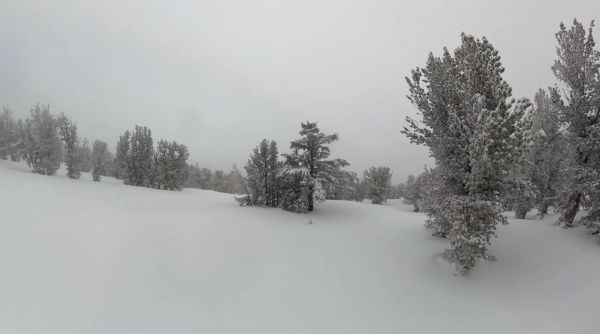
Heavenly and Northstar Open Friday as Lake Tahoe Snow Stacks Up, With Kirkwood Eyeing an Early Start
Tahoe has gone from dry to deep in a week. Heavenly and Northstar open this Friday, 20 November, with up to 24 inches (61 cm) already down at Kirkwood and 50+ inches (127 cm) in the 10-day forecast. Kirkwood normally waits until December, but this snow might change that. Heavenly is even talking about opening Stagecoach in Nevada early, which almost never happens this soon.
18 Nov 2026
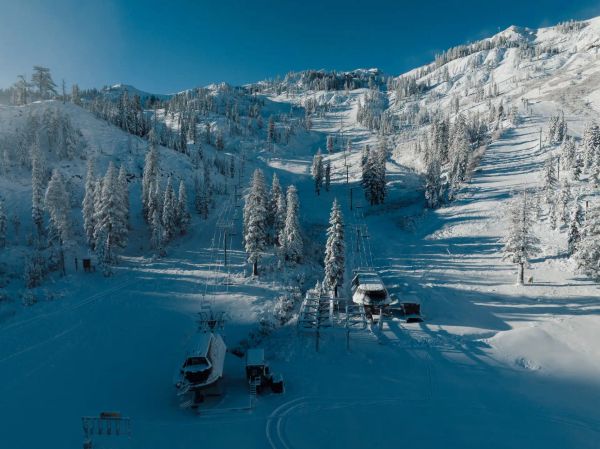
Palisades Tahoe Opens Saturday, Four Days Early, After 26 Inches of New Snow
Palisades Tahoe has pulled its opening forward by four days. Lifts spin this Saturday, 21 November, after 26 inches (66 cm) of new snow, with up to 50 more in the forecast. Opening terrain includes Treeline Cirque at Alpine and Gold Coast and Sunkid 1 at Palisades, though the resort says the weather could change the plan. Tickets are $99 through Tuesday.
18 Nov 2026
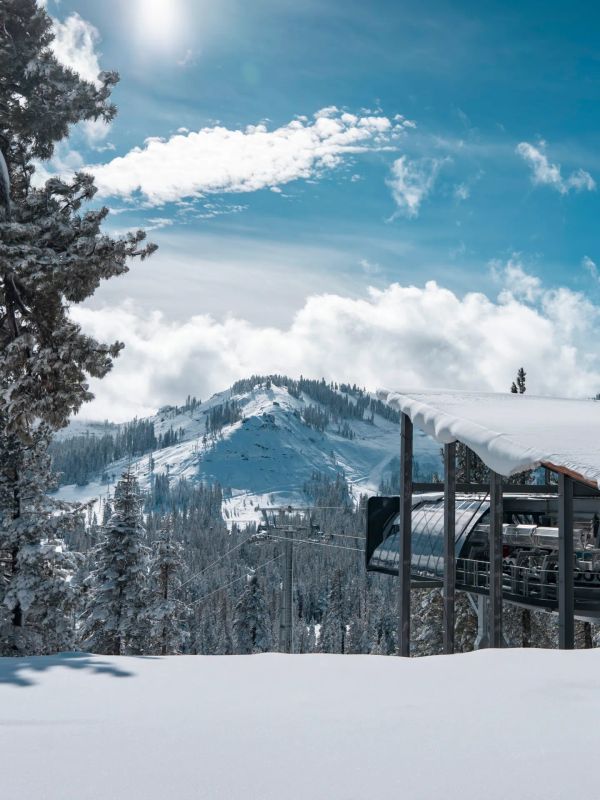
Sugar Bowl Gondola Slips to January 2027 as Opening Day Holds
Sugar Bowl still opens on 27 November, just without its new gondola. The eight-passenger Village Gondola is now targeting January 2027, with all eight towers up, the haul rope on and the first cabin hanging. Until it runs, everyone gets in through the Main Lodge, with curbside drop-off and parking lot shuttles. It replaces the first gondola in the western US, which dates from 1953.
16 Nov 2026
Stubai Glacier Avalanche Ends in Austria’s First Death of the Season
A 72-year-old American skier has died on Stubai Glacier after a small slab avalanche carried him over rocky ground and into a 20-metre crevasse. It is Austria’s first avalanche death of the 2026-27 season, and forecasters had flagged this exact setup two days earlier. Here is what happened near the Daunscharte, and what the snowpack was already telling anyone who was reading it.
15 Nov 2026
Yuzawa Kogen Lift System
Yuzawa Kogen operates 5 lifts comprising 1 aerial tramway, 3 double chairlifts, and 1 triple chairlift. The ropeway carries 1,660 passengers per hour uphill with a 7-minute transit time. A moving carpet serves the beginner area at base elevation. Fixed-grip chairlifts connect the ropeway terminal to the 1,170-metre summit and access intermediate terrain across the Kogen Area.
The Yuzawa Kogen Ropeway remains the resort's signature installation, manufactured by Nippon Cable and commissioned in December 1991. The tramway spans 1,303 metres with a vertical interval of 500 metres, carrying up to 166 passengers per cabin. The ropeway operates on a 20-minute cycle, requiring timed arrivals for efficient uplift during peak periods. The base station sits 800 metres from Echigo Yuzawa Station's west exit.
From the upper ropeway terminal at approximately 1,000 metres elevation, fixed-grip chairlifts fan out to access the Kogen Area's intermediate runs. The triple chairlift serves as the primary uplift for progressing skiers returning to the ropeway terminal. During periods of high wind, ropeway operations may be suspended, limiting access to upper terrain. Connectivity to Gala Yuzawa and Ishiuchi Maruyama occurs via lift-to-lift transfers rather than shared infrastructure.
Yuzawa Kogen has not installed detachable high-speed lifts, reflecting its positioning as a beginner-focused day resort rather than a destination for vertical-chasing intermediates. Lift queues concentrate at the ropeway base on weekends when Tokyo day-trippers arrive via shinkansen. The triple and double chairs rarely develop significant queues even during peak holiday periods. The Family Course adjacent to the ropeway base restricts snowboarders, segregating beginner skiers from sliding traffic.
5lifts across 3 types
1
Aerial Tram
1
Triple Chair
3
Double Chairs
Yuzawa Kogen lift system
Yuzawa Kogen is served by 5 lifts, listed here by type. Check which lifts are turning against the live conditions before you plan your first laps - early lifts and high-speed chairs get you to the best snow fastest.
More Yuzawa Kogen intelligence: trail map, snow report, webcams, resort overview.