
Yuzawa Kogen
Yuzawa Kogen: 840m vertical, 7 runs, 8m annual snowfall. 70 minutes from Tokyo via shinkansen to Echigo Yuzawa Station.
Season 2025-2026
Opens
5 Dec 2025
Closes
29 Mar 2026
Days open
114
Annual snow
8m
The Overview
Michael Fulton
Melbourne-based skier and snowboarder with 50+ resorts across 5 continents. Specialises in Australian resorts and international resort comparisons.
Yuzawa Kogen operates across 840 metres of vertical drop between base elevation at 330 metres and a summit at 1,170 metres. The compact resort features 7 marked runs served by 5 lifts, with terrain split 40 per cent beginner, 40 per cent intermediate, and 20 per cent advanced. The ski area receives an annual average of 8 metres of snowfall and connects via lift to neighbouring Gala Yuzawa and Ishiuchi Maruyama resorts through the Yuzawa Snow Link pass system. The ski area's defining feature is the Yuzawa Kogen Ropeway, a 166-passenger aerial tramway built in 1991 that ascends 1,303 metres from the town centre in seven minutes.
The upper Kogen Area accessed by ropeway delivers varied intermediate terrain at elevations above 1,000 metres with views across the Yuzawa and Minamiuonuma valleys. Below the ropeway terminal, the Nunoba Area functions as a dedicated beginner zone with gentle learning slopes separated from faster traffic. Terrain is concentrated on a single ridge rather than sprawling across multiple valleys, making navigation straightforward for first-time visitors. Lessons are available in English, Chinese, and Japanese.
Yuzawa Kogen functions as a family-oriented day resort within walking distance of Echigo Yuzawa Station. The resort attracts weekend crowds from Tokyo but the upper slopes remain quieter than Gala Yuzawa. Restaurant Edelweiss at the ropeway summit seats 180 and serves local Niigata pork and koshihikari rice. A 100-metre snow escalator at the Yuzawa Onsen Snow Play Park facilitates sledding and snow tubing for non-skiers.
The Yuzawa Snow Link pass provides interchangeable access to Yuzawa Kogen, Gala Yuzawa, and Ishiuchi Maruyama, creating a combined terrain offering that suits intermediates seeking variety. Interconnection eliminates the need for shuttle buses during periods of stable weather. The resort operates December through late March and suits beginners, families, and Tokyo-based skiers prioritising rail accessibility over extensive terrain. Multi-day visitors typically use Yuzawa Kogen as a gateway to the larger linked area rather than skiing it exclusively.
840m
Vertical
7
Runs
42 acres
Skiable
8m
Annual snow
The Terrain
7 runs across 42 acres skiable
Yuzawa Kogen is a compact ski area just above Echigo-Yuzawa, with seven runs rising from a 330-metre base to 1,170 metres, a vertical of 840 metres, over just 17 hectares. The grading is 40% beginner, 40% intermediate and 20% advanced, and there is no expert terrain. A single aerial tram and four chairs carry skiers up the hillside, and the ropeway means every run starts at altitude. It is a straightforward, single-ridge layout, so first-time visitors to Japan can work out the mountain in a morning and spend the rest of the day skiing.
Upper runs follow the ropeway ridge with open intermediate pitch and views across the valley, while the lower slopes are gentle and set aside for beginners and families. The area connects with neighbouring Gala Yuzawa and Ishiuchi Maruyama through the Yuzawa Snow Link pass, so skiers wanting variety can combine several areas on one ticket. Yuzawa Kogen suits beginners, families and intermediates visiting from Tokyo for the day by Shinkansen. Advanced skiers will find limited challenge on its seven runs, and powder seekers should head elsewhere in the region after a storm. The convenient rail access is the real drawcard.
Terrain split
7
runs
7 runs across 4 grades
Beginner3 runs · 40%
Intermediate3 runs · 40%
Advanced1 run · 20%
Expert0 runs · 0%
Time it right
When to visit Yuzawa Kogen
Yuzawa Kogen's 2025-2026 season commenced on 5 December 2025 and concludes on 29 March 2026. Typical operating seasons span mid-December through late March, aligning with snowfall patterns across the Echigo Yuzawa area. The Yuzawa Kogen Ropeway transitions to summer operations post-season, transporting hikers to alpine gardens and bobsled activities at the summit. Gala Yuzawa Station on the shinkansen branch line operates exclusively during ski season.
The resort sits within Niigata Prefecture's yukiguni snow country belt and receives an annual average of 8 metres of snowfall. Elevation spans from 330 metres at the ropeway base to 1,170 metres at the summit, creating a modest altitude differential compared to resorts further inland. Snowfall reliability benefits from proximity to the Sea of Japan, which generates consistent winter precipitation. Snowmaking infrastructure supplements natural snow on lower-elevation beginner areas during marginal periods.
January and February deliver peak powder conditions with the deepest snowpack and coldest temperatures averaging below freezing. Late December through early January coincides with Japanese New Year holidays, creating the busiest period for lift queues and accommodation. March offers warmer spring skiing with longer daylight hours, though base-area snow quality deteriorates by late season. Weekdays outside Japanese school holidays provide the quietest on-mountain experience.
Yuzawa Kogen does not operate night skiing or host major competitive events during the season. The resort's summer ropeway season features alpine plant displays at Alp no Sato garden, zip lines, and go-karts operating from late April through November. The Fuji Rock Festival occurs 30 minutes away at Naeba each July, drawing international music audiences to the broader Yuzawa area. Ponshukan sake museum at Echigo Yuzawa Station offers year-round tastings of 100 Niigata sake varieties.
Season 2025-2026
5 Dec 2025
Opens
29 Mar 2026
Closes
114
Days open
8 m
Annual snow
Getting there
Getting to Yuzawa Kogen, and where to stay
Yuzawa Kogen sits directly above Yuzawa town in Minamiuonuma District, Niigata Prefecture, within the Chubu region of Honshu island. The resort occupies the highlands immediately west of Echigo Yuzawa Station at the base elevation of 330 metres. Mount Naeba rises to 2,143 metres approximately 15 kilometres north, whilst the Tanigawa mountain range forms the southern border with Gunma Prefecture. The resort lies within Joshinetsu-kogen National Park.
Echigo Yuzawa Station serves as the primary access hub, positioned 199 kilometres from Tokyo Station via the Joetsu Shinkansen. The ropeway base station sits 800 metres west of the shinkansen station, reachable via 8-minute walk or free shuttle bus. Yuzawa town functions as a traditional onsen resort immortalised in Yasunari Kawabata's novel Snow Country. Niigata Prefecture receives 4.7 million skiers annually across 12 ski fields within the Echigo Yuzawa area.
The Kanetsu Expressway's Yuzawa Interchange provides road access 5 minutes from the ropeway base station. Tokyo's Nerima Interchange sits approximately 2 hours' drive north via the Kanetsu Expressway under normal conditions. National Route 17 parallels the expressway through the valley, connecting to Minakami and Takasaki in Gunma Prefecture to the south. Winter tyre chains or snow tyres are compulsory during the season.
Niigata Airport lies 117 kilometres northwest, requiring 2 hours via bus to Niigata Station then 50 minutes by train to Echigo Yuzawa. Tokyo Haneda Airport sits 178 kilometres south with direct shinkansen service from Tokyo Station requiring 70 to 80 minutes on Toki or Tanigawa services. Tokyo Narita Airport requires 3 hours via train connections through Tokyo Station. The JR Pass covers all Joetsu Shinkansen services to Echigo Yuzawa, making rail the overwhelmingly preferred access method for international visitors.
Where to stay
Search all stays →Hotels and lodges near Yuzawa Kogen, powered by Stay22.
Latest News
From the SnowStash desk
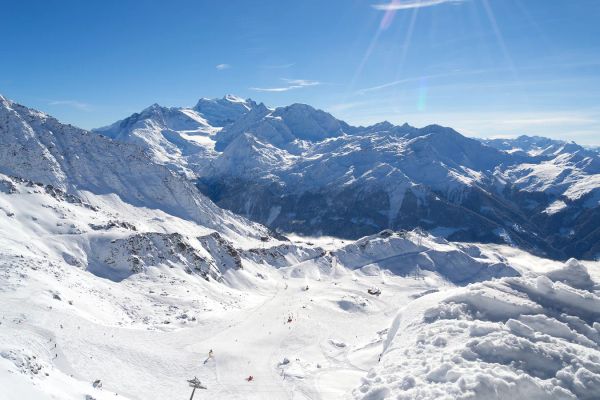
Alps Snow Forecast: Up to 64 cm Headed for the High Glaciers as the Snow Line Drops
The Alps are about to swap mild, sunny October weather for something far more wintry. A cold front arrives Tuesday, and SnowStash forecasts have Monterosa Ski out in front with 64 cm over 14 days, ahead of Blatten Belalp (55 cm) and Verbier (43 cm). The snow line should fall below 2000 metres by Wednesday night, and glaciers across Switzerland, Italy and Austria are in line for the best of it. The wind will have a say too.
20 Oct 2026
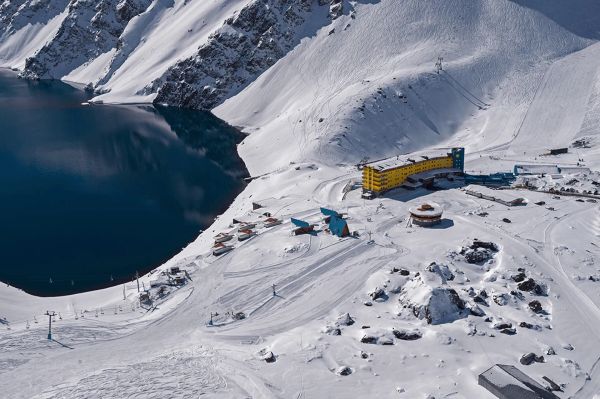
Four Dead After Avalanche Near Ski Portillo in Chile
A large avalanche struck near Laguna del Inca adjacent to Ski Portillo on Saturday afternoon, killing four people and injuring four others. The group were day visitors mountaineering in the backcountry after reportedly being warned about elevated avalanche risk by resort staff.
18 Oct 2026

Europe Ski Resorts Open Now: What Is Skiable in Mid-October 2026
Europe’s ski season is open, technically. After a record-warm summer, glaciers in Austria, Switzerland and Italy are running a few pistes apiece, Sölden, Stubai and Kitzsteinhorn started late, Titlis has pushed back to 24 October, and Zermatt reopens a few lifts on 14 October after more than two months shut. Finland’s Levi and Ruka are skiing on stored snow. Here is what is open, and what you actually get at each.
14 Oct 2026

Zermatt Plans World Cup Downhill Return on the Gornergrat for 2028
Zermatt is having another crack at a World Cup downhill, and this time nobody has to cross a border. Around 13 million Swiss francs is going into rebuilding the Gornergrat piste, including a jump fed by a roughly 300-metre in-run across the roof of the Gornergrat Railway gallery, with the Matterhorn lined up behind it for the TV cameras. First men’s race is pencilled in for March 2028, pending FIS homologation.
14 Oct 2026

Mt. Rose Begins Snowmaking for the 2026-27 Season at Lake Tahoe
Lake Tahoe’s highest base elevation is paying off early: Mt. Rose has started making snow for 2026-27 after the first flurries and a cold snap. The Nevada resort is backing it with nearly US$2 million in upgrades, including a replacement snowmaking main line, a new PistenBully groomer and restraint bars on every lift. Opening day is yet to be confirmed, though Heavenly and Northstar are already eyeing 20 November.
13 Oct 2026

Utah Ski Resorts 2026-27: What’s New at Alta, Deer Valley, Powder Mountain and More
Utah is still building flat out. For 2026-27, Powder Mountain opens a steep new Skytrac chair into more than 1,000 acres of advanced terrain, Deer Valley adds 200 acres on Hail Peak, Sundance gets a new quad and Park City adds a gondola from its new parking structure. Snowmaking is expanding almost everywhere, Eagle Point stays closed after the Cottonwood Fire, and the 2034 Games are setting the pace. Here’s what’s new, resort by resort.
13 Oct 2026

Mt Hutt Invests NZ$12 Million in Base Area, Tripling Its Sun Deck
Mt Hutt is getting busier, and its base lodge is about to catch up. NZ$12 million goes into a heated sun deck roughly three times the current size (430 m² to 1,300 m²), plus a new toilet block, heated steps down to snow level, extra storage and a new food and beverage outlet. Building starts after the 2026 season, with everything due for winter 2027.
11 Oct 2026

Vermont Ski Resort Opening Dates 2026-27: Few Dates Set, Killington Waits on the Cold
Vermont's season is slow to take shape. Stratton is tentatively targeting 18 November and Sugarbush 21 November, while Pico has Friday 11 December on the calendar. Killington never sets a date and opens when the snowmaking allows, and Vail Resorts has yet to name days for Stowe, Okemo and Mount Snow. The forecasts disagree about snow, and the main El Niño worry for the Green Mountains is warmth.
9 Oct 2026