
The Overview
Michael Fulton
Melbourne-based skier and snowboarder with 50+ resorts across 5 continents. Specialises in Australian resorts and international resort comparisons.
Discover why Furano Ski Resort stands out as Hokkaido's premier destination for beginner and intermediate skiers and snowboarders seeking authentic Japanese powder without the crowds.
After riding 45+ resorts across 5 continents, I can confidently say Furano offers something special for developing riders. During my March 2024 visit, I discovered a resort that prioritizes the learning experience over profit margins - where beginner skiers can access summit-to-base runs with volcanic mountain views, and intermediate snowboarders can perfect their carving technique on wide, perfectly groomed cruisers.
This isn't just another resort review. As SnowStash founder Michael Fulton, I'm sharing the insider perspective that only comes from experiencing Furano firsthand, focusing on what matters most to the 80% of snow sports participants who are still developing their skills on both skis and snowboard.
839m
Vertical
28
Runs
479 acres
Skiable
11m
Annual snow
Watch
See Furano in motion
The Terrain
28 runs across 479 acres skiable
Why Furano is Perfect for Beginner Skiers and Snowboarders
Learning Paradise: 50% Beginner Terrain
Furano dedicates an exceptional 14 runs specifically to beginner skiers and snowboarders - more learning terrain than most North American resorts. What sets Furano apart isn't just the quantity, but the quality and variety of beginner-friendly slopes.
For First-Day Skiers:
- Wide, gentle slopes in both Furano and Kitanomine zones eliminate intimidation
- Multiple learning areas prevent overcrowding during peak periods
- Natural terrain features help beginners learn balance without artificial obstacles
- Summit access via aerial tram means beginners enjoy the same mountain views as experts
For Beginning Snowboarders:
- Consistent fall-line pitches perfect for learning heel-side and toe-side turns
- Wide runs provide plenty of space for the lateral movement snowboarding requires
- Longer gentle descents allow sustained practice without frequent lift rides
- Tree-lined runs offer natural wind protection on stormy days
Progression Pathway Excellence: The genius of Furano's beginner terrain lies in its natural progression. New skiers start on the gentlest slopes near the base, then gradually work up to longer runs with slightly more pitch. By day three, most beginners can confidently ski from the 1,074-meter summit to the 245-meter base - a massive confidence boost that creates lifelong snow sports enthusiasts.
Japanese Ski School Quality Standards
Furano's ski and snowboard instruction maintains Japan's legendary attention to detail. English-speaking instructors understand the specific challenges Western riders face adapting to Japanese snow conditions. Group lessons focus on proper technique development rather than just getting people down the mountain safely.
The ski school's beginner programs emphasize fundamentals that serve riders throughout their snow sports journey. Unlike some resorts that rush beginners onto intermediate terrain, Furano instructors ensure solid foundation skills before progression. This approach prevents the bad habits that plague self-taught skiers and snowboarders for years.
Intermediate Skiers and Snowboarders: Your Skill Development Playground
43% Intermediate Terrain Designed for Progression
Furano's 12 intermediate runs represent some of the finest skill-building terrain I've experienced globally. The variety ensures intermediate skiers and snowboarders never get bored while providing natural challenges that develop advanced technique.
Carving Perfection on Skis: The wide, groomed cruisers offer ideal conditions for learning proper carving technique. The consistent pitch and excellent grooming let intermediate skiers focus on edge angles and pressure control without worrying about terrain variables. K1 run became my personal favorite - long enough for sustained practice, scenic enough to stay motivated.
Snowboard Progression Excellence: Intermediate snowboarders will find Furano's terrain particularly rewarding. The runs offer perfect pitch for linking confident turns without the flat sections that kill momentum. The snow quality provides forgiving landings when attempting new techniques, while the wider runs accommodate the lateral space snowboarding requires.
Natural Skill Building Features:
- Gentle rollers teach weight distribution and timing
- Wide-to-narrow run transitions develop line choice skills
- Varying pitch sections within single runs build adaptability
- Multiple route options down each face encourage exploration
Summit-to-Base Adventures: Intermediate riders can access the full mountain experience through aerial tram access to 1,074-meter summit runs. These top-to-bottom descents provide serious vertical (829 meters) and build the leg strength necessary for advanced skiing and snowboarding. The views of Mount Furano and Mount Tokachi create motivation to keep improving.
Weather Adaptability Training
Furano's intermediate terrain teaches valuable weather adaptation skills. North-facing slopes hold powder longer, while groomed sections provide consistent conditions regardless of recent snowfall. Intermediate skiers and snowboarders learn to read terrain and choose appropriate runs based on conditions - skills essential for advanced riding.
Advanced Options Without Overwhelming Beginners
Quality Over Quantity: 6 Advanced Runs + Tree Skiing
While Furano offers only 6 marked advanced runs (21% of terrain), the quality rivals major international destinations. More importantly for families and mixed groups, advanced skiers won't feel limited while beginners won't feel intimidated by overwhelming expert terrain everywhere.
Technical Challenges:
- K3's mogul fields provide bump skiing when conditions allow
- Steep fall-line descents test technical skills
- Natural glade skiing between marked runs offers powder hunting
- 5 gated expert zones for truly advanced riders (safety equipment required)
Tree Skiing Excellence: The spacing of Hokkaido's snow gums creates natural glades throughout advanced zones. This tree skiing provides authentic Japanese powder experiences while adding significantly more terrain than the trail count suggests.
Terrain split
28
runs
28 runs across 4 grades
Beginner11 runs · 40%
Intermediate11 runs · 40%
Advanced4 runs · 15%
Expert1 run · 5%
How it compares
How Furano Compares Globally for Beginner/Intermediate Development
International Learning Environment Assessment
After experiencing resorts across 5 continents, Furano ranks among the top destinations for skill development:
Advantages over North American resorts:
- 50% dedicated beginner terrain vs. typical 25-30%
- Affordable pricing enables extended learning periods
- Less aggressive skiing culture reduces intimidation
- Superior snow quality accelerates technique development
Advantages over European destinations:
- English-speaking instruction widely available
- Gentler learning curves without overcrowded beginner areas
- Cultural experiences enhance overall trip satisfaction
- Significantly lower daily costs
Unique positioning for Australian skiers: The snow quality revelation alone justifies the trip. Furano's light, dry powder provides immediate feedback for technique improvement while being forgiving enough to encourage experimentation.
Weather and Snow Conditions for Skill Development
Why Furano's Snow Builds Better Skiers and Snowboarders
Annual snowfall: 9 meters (354 inches) of consistently light, dry powder
Elevation advantage: 1,074m summit maintains quality throughout season
Temperature consistency: Inland location prevents rain events affecting coastal areas
Learning Benefits:
- Light snow provides immediate feedback for technique adjustments
- Consistent quality eliminates excuses - progress depends on effort, not conditions
- Forgiving nature reduces fear factor for attempting new techniques
- Extended season (December-April) allows multiple trips for accelerated development
The Verdict
Michael Fulton
Bottom Line: Expert Verdict for Developing Riders
Why I'd Bring My Beginner and Intermediate Friends Here
Furano succeeds where many international destinations fail - prioritizing the learning experience over maximum revenue extraction. The resort genuinely cares about creating positive progression experiences rather than just moving people through lifts efficiently.
Perfect for:
- First-time Japan visitors wanting authentic experience without overwhelming crowds
- Intermediate skiers/snowboarders ready to tackle longer, more varied runs
- Families with mixed abilities needing terrain for everyone
- Budget-conscious travelers seeking maximum value for extended stays
- Anyone wanting to experience legendary Japanese snow quality
Choose elsewhere if:
- You need extensive expert terrain for advanced skiing/snowboarding
- You prefer resort villages with extensive nightlife and shopping
- You're only visiting for 1-2 days (doesn't justify the travel time)
- You need guaranteed English throughout all services
Final Assessment: 5/5
Stars for Beginner/Intermediate Development
Furano delivers exceptional value for the 80% of skiers and snowboarders still developing their skills. The combination of quality learning terrain, affordable pricing, superior snow conditions, and authentic Japanese cultural experience creates an unmatched destination for skill progression.
The resort's focus on sustainable tourism over maximum extraction means better experiences for visitors and preserved mountain environments for future generations. This approach aligns perfectly with developing riders who want to build long-term relationships with snow sports rather than just survive a few challenging runs.
Time it right
When to visit Furano
During a typical winter season at Furano Japan the ski resort will see a total snowfall of 11m or 440” of incredibly light powder snow that the who region or country is known for, there are some storm cycles which can last for weeks with continual snowfall every single night. During the peak of the seasons when the snow starts to really fall the resort can open up the 479 acres of terrain. Whilst this number might appear small when comparing to resorts in other countries, you don’t come to Japan for huge mega resorts, you come to Furano Japan for the snow, the tree skiing, and the overall experience.
Season 2026 - 2027
28 Nov 2026
Opens
6 May 2027
Closes
159
Days open
11 m
Annual snow
Getting there
Getting to Furano, and where to stay
Strategic Planning Guide for Developing Riders
Optimal Timing for Learning
Season Planning:
- December-January: Best powder conditions, but coldest temperatures
- February-March: Ideal learning weather with excellent snow quality
- April: Spring conditions, fewer crowds, perfect for building confidence
Daily Strategy: Morning hours offer the best groomed conditions for skill development. Beginners should focus on main Furano zone initially, while intermediate riders can explore both zones. Afternoon conditions provide opportunities to practice in slightly more challenging snow textures.
Lift Strategy for Maximum Learning
The aerial tramway moves large numbers efficiently but isn't high-speed - perfect for beginners who need recovery time between runs. The variety of lifts (11 total) means shorter lines and more skiing time. Japanese lift operations prioritize safety, so expect weather-related closures that protect developing riders.
Budget Optimization for Extended Learning
At ¥6,000 ($60 AUD) per day, Furano costs 25-40% less than major international destinations. This affordability enables longer stays that accelerate skill development:
- 5-day passes: ¥25,000 ($250 AUD) - only $50 AUD per day
- Equipment rental: ¥3,000-4,000 ($30-40 AUD) daily for quality gear
- Lessons: Significantly less expensive than European or North American rates
The pricing structure eliminates the pressure to "get your money's worth" each day, allowing natural progression without forcing challenging terrain before you're ready.
Family and Group Logistics Made Simple
Accommodation for Mixed-Ability Groups
Ski-in/Ski-out Options: New Furano Prince Hotel (¥15,000-45,000/$150-450 AUD per night) provides convenience for families with different ability levels. Kids can easily return to rooms for breaks while adults continue skiing.
Budget-Friendly Alternatives: Furano town properties (¥6,000-15,000/$60-150 AUD nightly) offer better value with 10-minute resort access. Perfect for groups wanting authentic Japanese cultural experiences alongside skiing.
Dining That Doesn't Break the Budget
On-mountain dining maintains reasonable pricing:
- Katsu curry: ¥1,200 ($12 AUD)
- Local ramen varieties featuring Hokkaido specialties
- Family-friendly options that accommodate different preferences
- Western alternatives for less adventurous eaters
The quality exceeds typical resort food standards while maintaining affordability that lets families eat on-mountain without financial stress.
Getting There: Practical Access from Sapporo
Self-Drive Freedom (Recommended)
Route Planning: 150km southeast of Sapporo via Routes 12, 38, and 237. Total drive time: 2 hours under normal conditions. English signage at major junctions helps navigation.
Winter Driving Requirements:
- Snow tires legally mandatory (rental companies provide automatically)
- Carry chains as backup
- Leave Sapporo before 6:30 AM to avoid weekend congestion
Airport Access: From New Chitose Airport: 2.5 hours direct drive. Having your own vehicle provides flexibility for weather changes and exploring multiple Hokkaido resorts.
Furano ski area is tucked deep into Hokkaido and its relatively easy to access. Once you fly into Sapporo international airport (New Chitose Airport) you can either rent a car, get on a bus, take a train into Sapporo, and then get a bus transfer, or take a lengthy train all the way to Furano ski field. For those who choose to drive we recommend you get a car with AWD just for the extra safety and if you are finding yourself driving on a stormy day make sure you take your time, have extra supplies in the car as the travel time can easily double.
The other option is to fly into Asahikawa airport which is smaller than Sapporo airport however a lot closer to the town and ski resort of Furano Japan. Both JAL and ANA have daily flights from Tokyo Haneda airport through to Asahikawa airport.
Where to stay
Search all stays →Hotels and lodges near Furano, powered by Stay22.
Latest News
From the SnowStash desk

Vermont Ski Resort Opening Dates 2026-27: Few Dates Set, Killington Waits on the Cold
Vermont's season is slow to take shape. Stratton is tentatively targeting 18 November and Sugarbush 21 November, while Pico has Friday 11 December on the calendar. Killington never sets a date and opens when the snowmaking allows, and Vail Resorts has yet to name days for Stowe, Okemo and Mount Snow. The forecasts disagree about snow, and the main El Niño worry for the Green Mountains is warmth.
9 Oct 2026
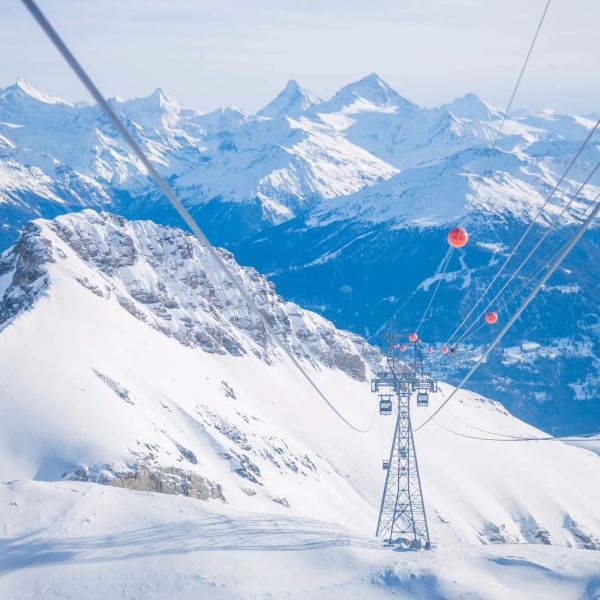
Crans-Montana 2027 World Championships President Resigns Ahead of Fraud Hearing
Less than four months out from the Crans-Montana 2027 World Championships, the man running the organising committee has stepped down. Claude-Alain Schmidhalter resigned as Swiss-Ski vice president and OC president after being indicted over a business dispute unrelated to skiing. He denies the allegations and faces court on October 27. Interim leaders are in place for the February 1-14 event.
9 Oct 2026
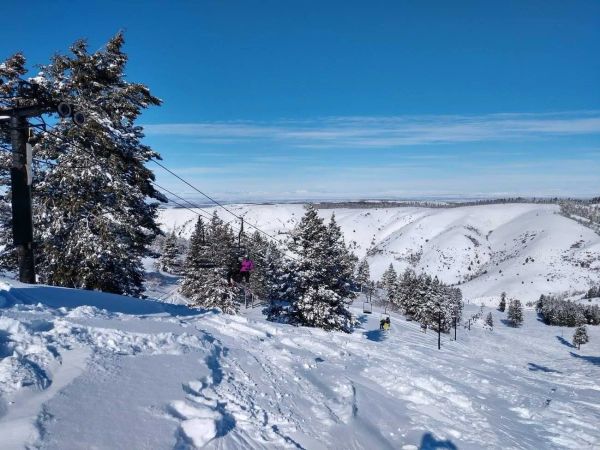
Kelly Canyon, Idaho, Adds Snowmaking, a Bigger Terrain Park and More Parking for 2026-27
Kelly Canyon had a rough 2025-26, and the Idaho resort has spent the summer making sure it doesn’t repeat. Snowmaking now reaches the top of Goldrush, the terrain park is doubling in size with a stereo system, lights and a snack shack, and the car park is getting bigger. Grooming is stepping up too. Target opening is December 4, conditions permitting.
9 Oct 2026
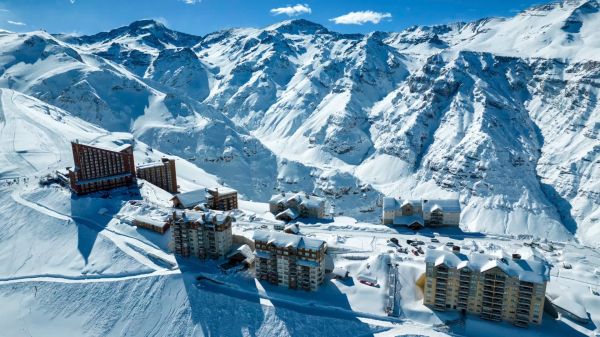
Valle Nevado Extends Season to November 8 After 108 cm in 48 Hours
Winter was meant to be winding down in Chile. Then Valle Nevado took 108 cm in 48 hours in early October, and the resort has pushed its closing date out to November 8 - its latest in 38 years of operation. That makes 143 days of skiing since opening day on June 19, with 690 cm banked for the season. Only part of the mountain is running while the storm settles, so check the mountain report before you plan a trip.
9 Oct 2026
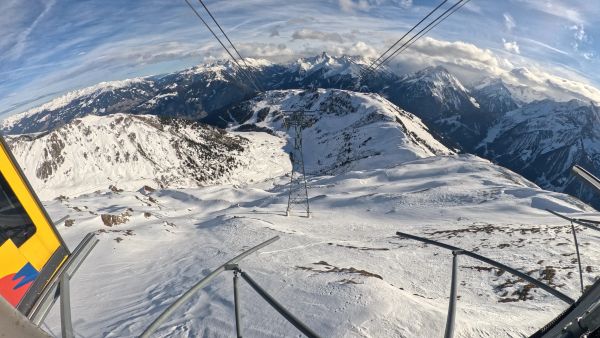
Alps Snow Forecast: Cold Front Brings Thursday Snow to the High Alps
The Alps look a lot more like winter today, for a day or so. A cold front is moving west to east, dropping up to 35 cm on high glaciers and peaks, with snow levels falling to around 1,500-1,800 m at times. Don’t plan a trip around it: mid-elevation snow will be thin and wet, every area is closed bar a limited Sölden glacier opening tomorrow, and warmer weather returns by Monday.
8 Oct 2026
California Ski Resort Opening Dates 2026-27: Mammoth Leads, Tahoe Follows
Mammoth Mountain is first up in California, targeting Friday 13 November after a dusting of September snow. Heavenly and Northstar follow on 20 November, Palisades Tahoe on Wednesday 25 November and Sugar Bowl on 27 November, with Kirkwood on 4 December and June Mountain on 19 December. Plenty of smaller areas have no date yet. A super El Niño favours the Sierra, but a warmer storm track is the catch.
7 Oct 2026
Colorado Ski Resort Opening Dates 2026-27: A-Basin and Keystone Race to Be First
Arapahoe Basin, Keystone and Winter Park are all chasing an October start, though none has a firm date yet. The first dated openers are Breckenridge and Copper on Friday 6 November, then Vail on 13 November, with most of the rest bunched around US Thanksgiving. Hesperus did not open at all last season. A super El Niño offers hope but no guarantee, and forecasters say the southern mountains have the better odds.
5 Oct 2026
Dolomiti Superski 2026-27: Four New Gondolas, New Reservoirs and an €89 Peak Day Pass
Dolomiti Superski is spending around €100 million across its 12 areas before winter. Kronplatz gets a new 10-passenger gondola with a middle station, 3 Zinnen gets Helmissimo, and Val di Fassa swaps a chairlift for a gondola above Col Valvacin. New water-storage basins and upgraded snowmaking follow, and construction has started on the San Martino to Passo Rolle link. A peak adult day pass is €89.
4 Oct 2026
Furano Lift System
At Furano Japan you will find 9 different lifts taking riders high up onto the mountain peaks, one of these is an aerial tram which carries 101 passengers, something we always think is an incredible part of any resort that offers these types of lifts. Rounding out the remaining lifts there is a 6-person Gondola, two quad lifts and 5 double lifts.
11lifts across 5 types
1
Aerial Tram
1
Gondola
2
Quad Chairs
5
Double Chairs
2
Surface Lifts
Furano lift system
Furano is served by 11 lifts, listed here by type. Check which lifts are turning against the live conditions before you plan your first laps - early lifts and high-speed chairs get you to the best snow fastest.
More Furano intelligence: trail map, snow report, webcams, resort overview.