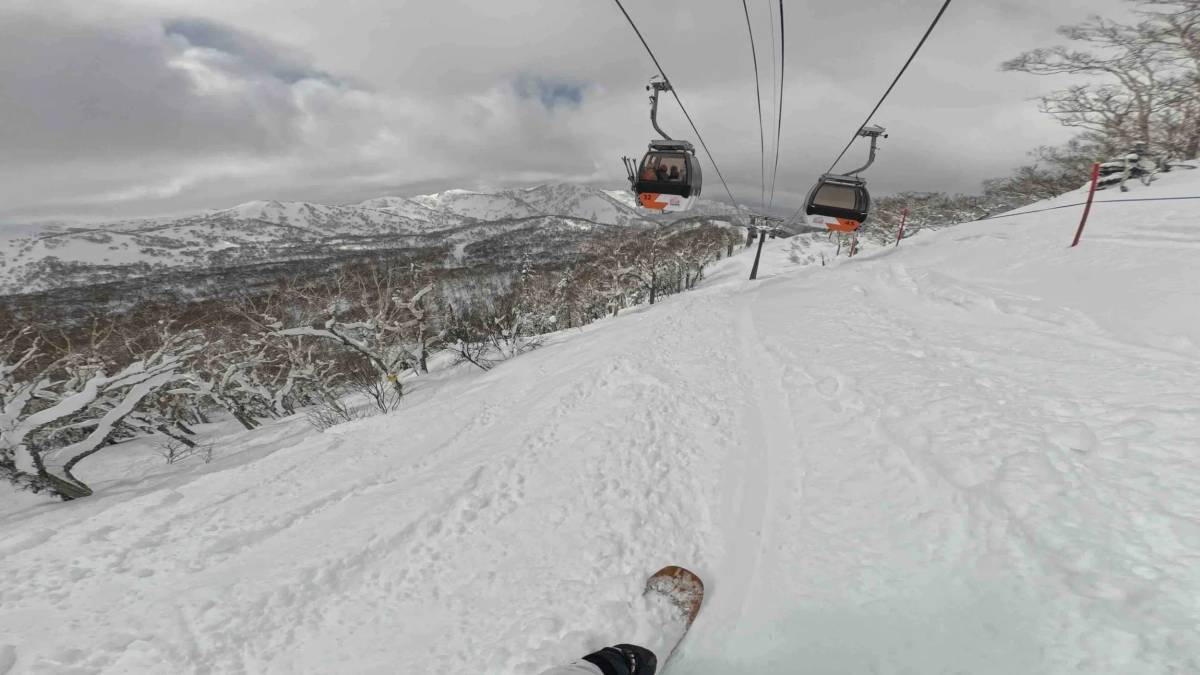
Kiroro
660m vertical, 27 runs, 21m annual snow. Hokkaido's powder destination 2hrs from New Chitose Airport.
Season 2026 - 2027
Opens
10 Dec 2026
Closes
11 Apr 2027
Days open
122
Annual snow
21m
The Overview
Michael Fulton
Melbourne-based skier and snowboarder with 50+ resorts across 5 continents. Specialises in Australian resorts and international resort comparisons.
Kiroro spans 660 metres of vertical drop between its 520-metre base and 1,180-metre summit across three interconnected peaks: Asari, Nagamine and Yoichi. The resort operates 27 runs across 297 acres, with 38 per cent beginner, 29 per cent intermediate, 25 per cent advanced and 8 per cent expert terrain. Annual snowfall averages 21 metres, positioning Kiroro among Hokkaido's snowiest destinations thanks to its proximity to the Sea of Japan, where cold Siberian air masses trigger heavy precipitation. The 2025-26 season runs from 30 November to 6 May, offering one of Japan's longest operating calendars.
Asari Peak at 1,180 metres serves as the highest summit, accessed via the 3.3-kilometre Kiroro Gondola or a series of chairlifts, whilst Nagamine Peak at 1,090 metres and Yoichi Peak at 900 metres provide varied terrain across distinct sectors. The longest run stretches four kilometres from Asari Peak to base, descending through well-spaced birch forest. Five designated off-piste zones within the resort boundary offer tree skiing through natural terrain, accessible via marked gates for riders with avalanche gear. The resort maintains smooth groomers across all peaks, with consistent pitch favouring confident intermediates.
The base village sits at 520 metres in Akaigawa, centred on the Mountain Centre facility with rental shops, restaurants and onsen access. Accommodation clusters around two Club Med properties and the Yu Kiroro ski-in/ski-out residences, creating a self-contained resort atmosphere without a traditional village. English-speaking staff, multilingual signage and efficient operations cater to international visitors. Night skiing operates from 13 December to 5 April until 7:00 PM on select lifts, extending daily riding hours through the core season.
Kiroro operates independently without major pass affiliations, though the resort offers season passes at ¥68,500 and multi-day packages with discounts for Hokkaido residents. Daily lift tickets range from ¥6,500 to ¥7,200 depending on season, with children five and under skiing free. The resort suits powder-focused intermediates and families seeking quieter slopes within 90 minutes of Sapporo, 50 kilometres from Niseko and two hours from New Chitose Airport. Established in 1991, Kiroro has evolved from a relative unknown to a recognised destination for deep snow and uncrowded tree skiing.
660m
Vertical
27
Runs
297 acres
Skiable
21m
Annual snow
The Terrain
27 runs across 297 acres skiable
Kiroro is a big, snowy mountain west of Sapporo, with around 120 hectares to explore and 27 runs dropping 660 vertical metres from the 1,180-metre Asari summit to a base at 520 metres. About 21 metres of snow falls in a typical year, drawn off the Sea of Japan. The grading is 38% beginner, 29% intermediate, 25% advanced and 8% expert, so there is meaningful steep terrain as well as easy cruising. Two gondolas, four quads and four double chairs link three peaks, Asari, Nagamine and Yoichi, and each has its own character. Good skiers can easily fill several days.
The longest run stretches about four kilometres from Asari through well-spaced birch forest, and the gondola climbs to the top in one smooth ride. Five off-piste zones sit inside the resort boundary, reached through marked gates and requiring avalanche gear, which suits skiers who want tree skiing with some structure. The black runs on Nagamine and Yoichi are relatively gentle, so strong intermediates can try small moguls without overreaching. Smooth groomers cover most of the mountain. Skiers who prioritise deep, reliable snow and tree runs over village nightlife will find Kiroro well matched, and beginners have a dedicated area near the base.
Terrain split
27
runs
27 runs across 4 grades
Beginner10 runs · 38%
Intermediate8 runs · 29%
Advanced7 runs · 25%
Expert2 runs · 8%
Time it right
When to visit Kiroro
The 2025-26 season opens 30 November and closes 6 May, delivering 158 days of operations across early, peak, spring and extended late-season periods. This timeline ranks among Hokkaido's longest, reflecting Kiroro's elevation advantage and north-facing aspects that preserve snow into Golden Week. Early season typically sees base-building through December, with full terrain access by mid-month once summit snowpack reaches operational depth. Spring conditions from April onwards offer softer snow and warming temperatures whilst maintaining rideable coverage to closure.
Kiroro averages 21 metres of annual snowfall, though historical data shows variability between 13 metres at base and 24 metres at summit depending on measurement location and season. The resort's position 43 kilometres west of Sapporo, near the Sea of Japan coast, funnels moisture-laden systems that dump 30 centimetres overnight during peak cycles between December and March. Average December-to-March temperatures hover around -6°C, cold enough to maintain dry powder quality even during late-season windows. Minimal snowmaking infrastructure exists given natural snowfall reliability.
January and February deliver peak powder conditions with the highest frequency of storm cycles, averaging six snowy days per week during mid-winter. Late December through early March offers optimal timing for guaranteed base depths and fresh snow, whilst late November and April suit skiers prioritising uncrowded slopes over deepest conditions. Mid-week visits throughout winter avoid weekend crowds from Sapporo. March and April maintain quality snow on north-facing runs when south-facing resorts deteriorate.
Night skiing runs from 13 December to 5 April on Center Express lift until 7:00 PM, illuminating select runs for extended riding hours. The Kiroro Snow Activity World opens 13 December, offering snow parks, tubing, snowmobiling and family activities alongside skiing. No major competitive events anchor the calendar, though the resort hosts occasional races and kids' programmes. The Otaru Snow Light Festival in February provides off-mountain cultural programming 50 minutes away.
Season 2026 - 2027
10 Dec 2026
Opens
11 Apr 2027
Closes
122
Days open
21 m
Annual snow
The record
Historical snowfall at Kiroro
Daily snow reports at Kiroro go back to 2025, 2 winters on the books. Open the record to compare winters, lifts and piste.
90 cm
Snowiest day
25 Jan 2026
0 cm
This winter · 2026-27
so far
1645 cm
Typical winter
average of complete seasons
Winter totals
cm
Past wintersThis winter
Getting there
Getting to Kiroro, and where to stay
Kiroro sits in Akaigawa village, Yoichi District, within the Shiribeshi Subprefecture of western Hokkaido, Japan. The resort occupies the eastern flank of the Akaigawa Caldera, a dormant volcanic basin surrounded by forested peaks 60 kilometres west of Sapporo. The base village sits at 520 metres elevation within mountainous terrain that comprises 80 per cent of Akaigawa's 280-square-kilometre area. Mount Yoichi at 1,488 metres dominates the skyline behind the ski area, whilst the caldera setting creates a natural amphitheatre trapping heavy snowfall.
Otaru, a historic port city 28 kilometres north, serves as the nearest substantial town with 40 minutes' drive time via local roads. Sapporo, Hokkaido's capital with two million residents, lies 43 kilometres east and 60-90 minutes by road depending on traffic and conditions. Kutchan, the gateway to Niseko 50 kilometres southwest, sits one hour away. Akaigawa village itself holds just 1,165 residents and minimal commercial infrastructure beyond the resort, though the Michi-no-Eki Akaigawa roadside station provides local produce and information.
Road access follows Route 393 from Otaru or the Hokkaido Expressway via Route 1 from Sapporo, requiring winter driving skills and appropriate tyres between November and April. Driving from Sapporo takes approximately 70 minutes in clear conditions, longer during snowstorms. Niseko resorts lie 50 kilometres southwest via mountain roads. No train service reaches Akaigawa; the nearest JR stations are Otaru and Otaru Chikko, 28 kilometres north, where travellers transfer to bus or taxi for the final 40-60 minutes.
New Chitose Airport serves as the primary gateway, located 110 kilometres southeast with two hours' transfer time via the Hokkaido Resort Liner bus (¥4,500, three daily departures at 10:00, 12:20 and 15:30) or private shuttle. JR trains connect the airport to Otaru in 70 minutes, followed by taxi or bus to Kiroro. Sapporo Station bus services operate daily, taking 90-150 minutes depending on route and stops. Rental cars from airport or Sapporo provide flexibility for exploring nearby Otaru attractions and accessing the resort.
Where to stay
Search all stays →Hotels and lodges near Kiroro, powered by Stay22.
Latest News
From the SnowStash desk
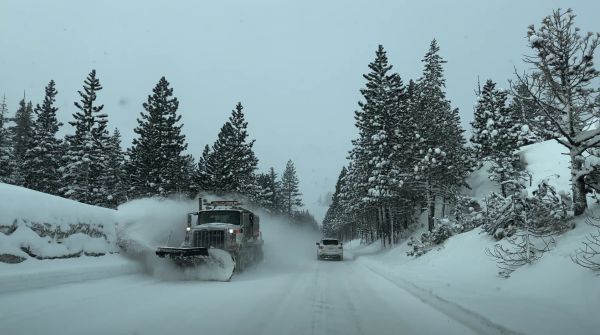
Sierra Nevada Halloween Storm: Dodge Ridge Forecast to Lead With 19 Inches
Halloween weekend brings a wet, windy storm to the Sierra Nevada. Our five-day forecast has Dodge Ridge on top with 19 in, followed by Bear Valley at 15 in and Mammoth Mountain at 12 in, with most of it landing on Saturday. A winter weather advisory covers the Tahoe Basin and Mono County until 7 AM Sunday, gusts could reach 47 mph and the freezing level swings between 4,900 and 8,700 ft, so some bases will see rain. A dry spell follows from Monday.
31 Oct 2026
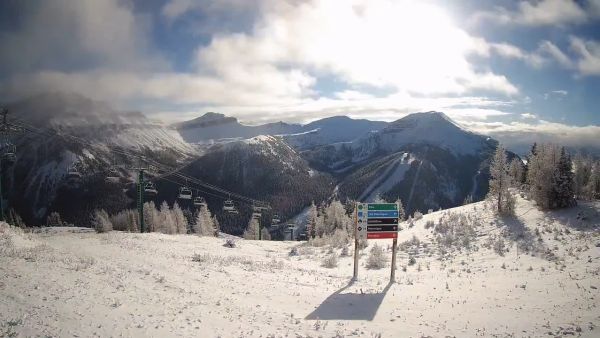
Lake Louise Opens Early on 1 November With Juniper Express and Easy Street
The Rockies get their first lift-served turns of the season early. Lake Louise opens Sunday 1 November, five days ahead of schedule, after a cold October and round-the-clock work from the snowmaking and mountain crews. Terrain is limited to Juniper Express Chair and Easy Street, with two small terrain parks and the beginner area for lessons. Opening-day tickets are over 60% off, with prices rising as more lifts open. First chair is at 9:30 am under the resort’s new lift hours.
31 Oct 2026
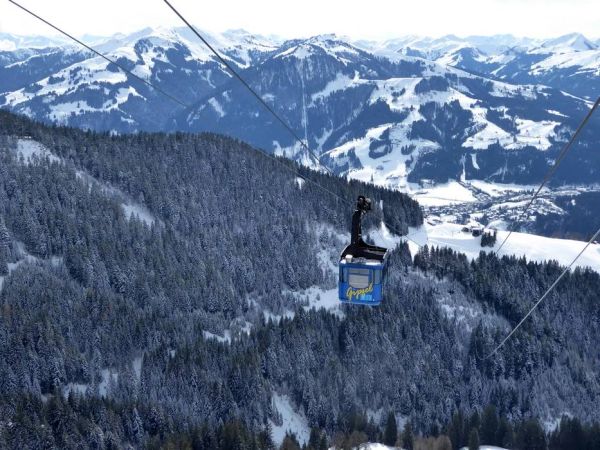
Kitzbüheler Horn Summit Cable Car to Be Replaced After 70 Years
A Tyrolean summit lift that has been carrying guests up the Kitzbüheler Horn since 1955 is on borrowed time. Its licence runs to 2045, but a new inspection rule has made refurbishment uneconomic, so Bergbahn AG Kitzbühel will spend around €15 million on a replacement on the same line. It should hold roughly 100 people and keep running in winds that would stop today’s lift. Building starts in autumn 2027, which makes this winter and next summer the last chances to ride the old one.
30 Oct 2026
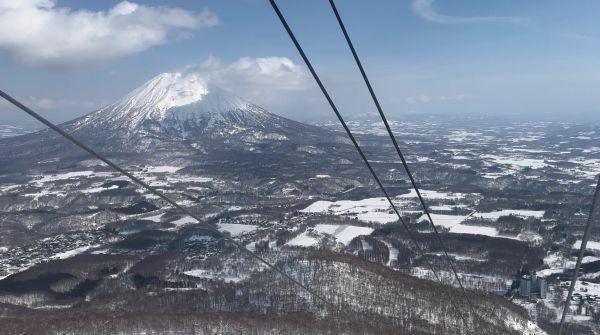
What’s New in Japan Skiing This Winter: Niseko Gondola, a Private Resort and a Bigger Ikon Pass
Niseko Village is replacing a lift from the early 1980s with an eight-person gondola, Tsugaike gets a six-person chairlift, Madarao joins the Ikon Pass and Togari opens Asia’s first private ski resort. Here’s what is actually new in Japan skiing for 2026/27, plus what is still a year or two away.
30 Oct 2026
Wolf Creek Opens on Halloween Weekend as Colorado’s Early Season Gathers Pace
Colorado’s early-season dominoes keep falling. Arapahoe Basin opened on Wednesday, Keystone follows on Friday, and now Wolf Creek is joining in on Saturday 31 October, just in time for Halloween. A storm on 23 and 24 October left 20 inches of natural snow in the San Juans, and three lifts will turn from 9:00 am, covering about 30% of the mountain. Expect rocks, unmarked obstacles and open water, but also Local Appreciation lift tickets at $73 for adults.
30 Oct 2026
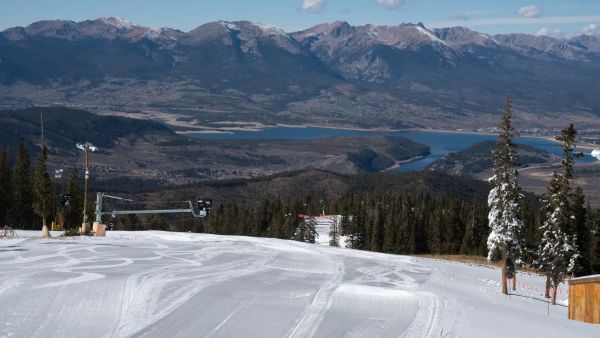
Keystone Resort Opens for 2026/27 With More Than Two Miles of Skiing
Keystone is next. After Arapahoe Basin claimed the first chairlift skiing of the season on Wednesday, Keystone opens on Friday 30 October at 9:00 am with more than two miles of snowmaking-built terrain on Schoolmarm and Silver Spoon, plus free donuts, coffee and a live DJ. Last year the order was reversed, when Keystone squeezed in a three-hour afternoon session to beat A-Basin by a day. Snowmaking has been running since 15 October.
29 Oct 2026
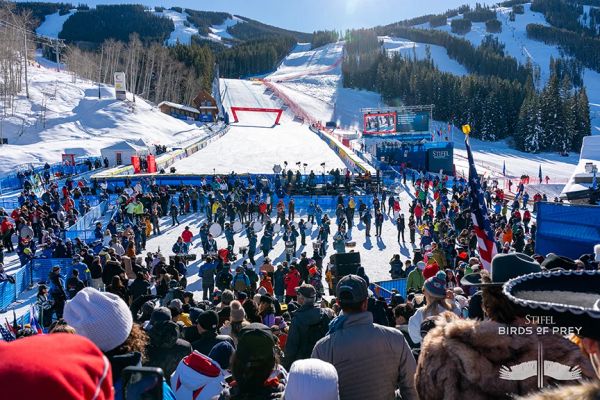
Beaver Creek Installs 16 Automated Snow Guns on Birds of Prey Ahead of Record World Cup
Beaver Creek is getting ready for the biggest Birds of Prey ever, and this time it is not leaving the snow to chance. Crews started making snow on 27 October with 16 newly installed automated guns on the lower third of the course, after last December’s warm spell forced a downhill off the schedule. Seven races across two weekends run from 3 to 13 December, the most the course has hosted since its 1997 debut, and the guns start themselves whenever the weather allows.
29 Oct 2026
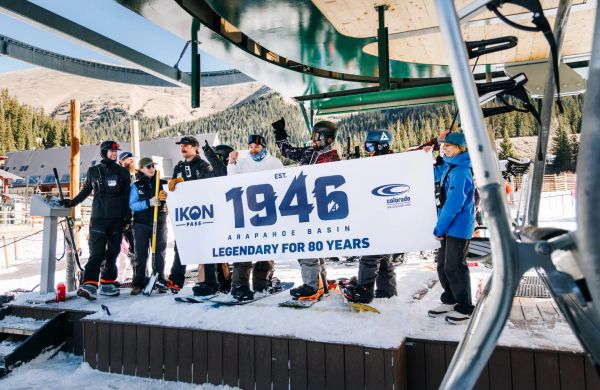
Arapahoe Basin Opens First for North America’s 2026/27 Ski Season
Winter has officially started in North America, and it is one blue run long. On Wednesday 28 October, Arapahoe Basin fired up the Black Mountain Express at around 10:30 am after a surprise announcement just hours earlier, becoming the first major North American resort open for 2026/27. Cold nights, a dusting of natural snow and a lot of snowmaking made it happen in the resort’s 80th winter. More terrain is promised as the snow guns keep running.
28 Oct 2026
Kiroro Lift Tickets
Kiroro lift tickets & passes
Opening day for the winter 2026 - 2027 season is scheduled for Dec 10, 2026 (subject to change). Lift tickets at Kiroro typically go on sale well before the start of the ski season.
Day passes start from ¥2,800, with peak rates up to ¥7,200.
6 pass options
Single-day passes
Adult 18–64
Adult 1-Day Pass
¥6,500up to ¥7,200 peak
Full day access to Kiroro's 21 courses with longest 4km run and massive 17+ meter annual snowfall. Experience exceptional powder skiing with backcountry gate access and mountain valley location.
Buy passSenior 60–99
Senior 1-Day Pass (60+)
¥5,200up to ¥5,800 peak
Senior discount for ages 60+ at Kiroro with full mountain access. Experience 17+ meters of annual snowfall and longest runs in Hokkaido with reduced pricing for mature skiers.
Buy passChild 0–5
Child (5 & Under)
Free
Free skiing for children 5 and under at Kiroro when accompanied by adult guardian. Complimentary access to premium powder skiing with family-friendly facilities and safety programs.
Buy passHalf-day passes
Adult 18–64
Adult 6-Hour Pass
¥5,200up to ¥5,800 peak
Six continuous hours of skiing at Kiroro perfect for flexible scheduling. Access to all 21 courses with backcountry gates and premium powder conditions in mountain valley setting.
Buy passAdult 18–64
Night Skiing Pass
¥2,800up to ¥3,200 peak
Evening skiing from 4:00pm to 7:00pm on illuminated Center Express and Family Lift. Experience Kiroro's famous powder under lights with mountain valley atmosphere.
Buy passSeason passes
Adult 18–64
Season Pass (Adult)
¥68,500
Unlimited access to Kiroro all season with Hokkaido Ski Season Net benefits. Includes discounted lift tickets at partner resorts and premium equipment rental discounts.
Buy passLift tickets FAQ
How much does a Kiroro day pass cost?
Kiroro day passes range from ¥2,800 to ¥7,200 depending on the date and advance booking.
Can I buy Kiroro lift tickets online?
Yes, you can purchase tickets directly from the resort website or at the resort ticket office.
Are there discounts for multi-day passes?
Yes, multi-day packages typically offer significant savings compared to individual day passes. The per-day cost decreases with longer stays.
What is included with a Kiroro lift ticket?
Full access to all lifts and trails at Kiroro, including mountain safety and patrol services.
What is the difference between Kiroro lift tickets and ski passes?
"Lift tickets" and "ski passes" refer to the same thing at Kiroro - your access to the mountain's lifts and trails for your chosen duration.
When should I buy Kiroro lift tickets for the best price?
Purchase tickets at least 7 days in advance for the best rates, and consider weekday visits for further savings over weekend rates.
Does Kiroro offer group discounts on lift tickets?
Group discounts are typically available for parties of 10 or more. Contact Kiroro directly for group booking information and rates.
How can I check current conditions before buying tickets?
Before purchasing, check the live snow report and mountain webcams to see current weather, snow conditions, and lift operations at Kiroro.
More Kiroro intelligence: snow report, webcams, resort overview.