Mount Racey
404m vertical, 22 runs, 8m annual snow. Central Hokkaido's most accessible resort, 55km from airport. Indy Pass.

Season 2025-2026
Opens
6 Dec 2025
Closes
30 Mar 2026
Days open
114
Annual snow
8m
The Overview
Michael Fulton
Melbourne-based skier and snowboarder with 50+ resorts across 5 continents. Specialises in Australian resorts and international resort comparisons.
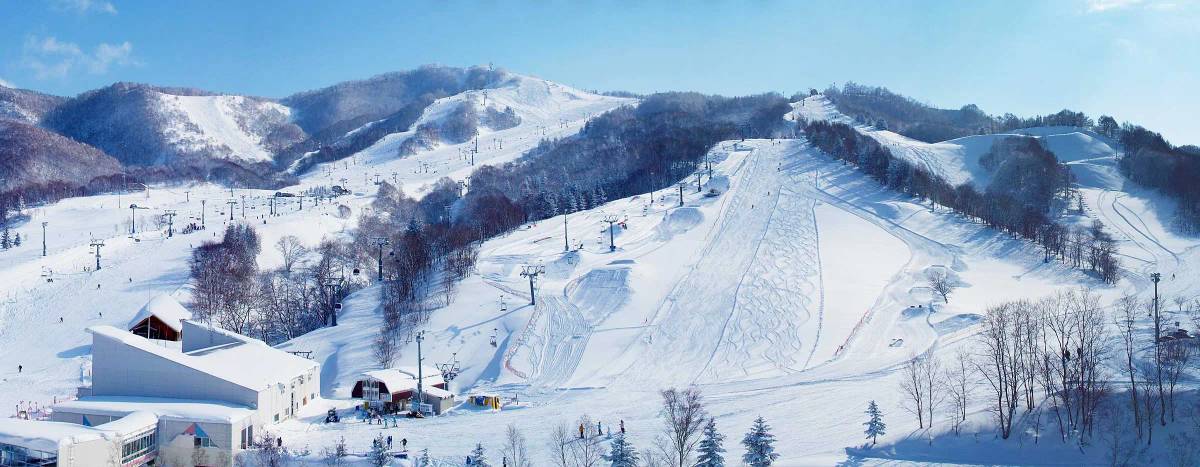
Mount Racey operates 22 runs across 185 acres with 404 metres of vertical drop, rising from a 298-metre base to a 702-metre summit. The ski area receives 8 metres of annual snowfall and divides terrain 20 percent beginner, 40 percent intermediate, and 40 percent advanced. The longest run stretches 3,500 metres from summit to base, whilst tree skiing opportunities exist throughout the mountain's northwest-facing slopes. Indy Pass holders receive two days of access each season.
Terrain spreads across primarily northwest-facing slopes below the treeline, with Beginners A and B courses occupying wide groomed zones near the base. Intermediate trails wind down the mountain's midsection, whilst advanced runs include a 43-degree pitch on the Raccoon Line. The resort features a freestyle park and dedicated kids park, with tree skiing drawing those seeking ungroomed powder between marked trails. Lower elevation compared to neighbouring resorts means sheltered conditions during stormy weather.
The mountain base sits in Yubari, a former coal mining town in the Sorachi region with a population around 6,000. Hotel Mount Racey connects directly to the gondola station via an enclosed bridge and offers onsen facilities. School groups frequent weekdays during winter months, but the mountain rarely sees significant crowds. Tanpopo restaurant operates at mid-mountain, serving ramen and Japanese ski lodge staples.
Indy Pass inclusion makes Mount Racey accessible to international visitors touring central Hokkaido alongside larger resorts like Furano (94 kilometres northeast) and Tomamu (85 kilometres east). The 2025-2026 season runs 6 December through 30 March. Lower elevation and sheltered positioning suit skiers seeking reliable operations when wind shuts higher-altitude lifts. The resort serves beginners well whilst offering sufficient challenge for competent intermediates and off-piste exploration.
404m
Vertical
22
Runs
185 acres
Skiable
8m
Annual snow
Indy Pass
Pass
The Terrain
22 runs across 185 acres skiable
Mount Racey, in the former coal town of Yubari, is steeper than most of Hokkaido's smaller hills. Its 22 runs across about 75 hectares fall 404 vertical metres from 702 metres to a 298-metre base, graded 20% beginner, 40% intermediate and 40% advanced, with no expert-rated terrain. That leans well toward confident skiers, and a gondola, two quads and two double chairs move people efficiently. The slopes face mainly northwest and sit below the treeline, which gives some shelter when storms hit the neighbouring resorts. Indy Pass holders will find it a quiet addition to a Hokkaido itinerary.
Beginners have wide, groomed ground near the base, and intermediate runs weave down the middle of the mountain. The Raccoon Line is the steep one, a pitch of around 43 degrees that will humble tired legs. The longest run covers roughly 3.5 kilometres from top to bottom, and trees between the marked trails hold ungroomed powder for those happy to hunt it. A freestyle park and a kids park add variety. Because the crowds stay light and school groups are mostly midweek, lines are short. Advanced skiers wanting uncrowded fall-line skiing will find the most value here.
Terrain split
22
runs
22 runs across 4 grades
Beginner4 runs · 20%
Intermediate9 runs · 40%
Advanced9 runs · 40%
Expert0 runs · 0%
Time it right
When to visit Mount Racey
The 2025-2026 season operates 6 December 2025 through 30 March 2026, spanning roughly 16 weeks. Mount Racey typically opens earlier than high-altitude Hokkaido resorts due to accessible terrain and reliable snowmaking. Operations run daily throughout the season, weather permitting. The mountain closed its season programme in recent years as budget constraints affected ancillary services.
Annual snowfall averages 8 metres, typical for central Hokkaido but below the 10-15 metre totals at higher-elevation resorts. Northwest-facing slopes hold snow quality through midwinter, whilst western exposure limits afternoon sun damage. The 298-metre base elevation means occasional rain events during warm spells, though temperatures generally remain subfreezing December through February. Powder conditions peak January through mid-February when Siberian systems deliver consistent dry snow.
December through January offers quieter slopes and reliable snow coverage, with peak crowds arriving during Japanese New Year holidays. February delivers the deepest snowpack and coldest temperatures. March sees spring conditions develop, with firmer morning snow softening by afternoon. Weekdays remain quiet except during school holidays, whilst weekends attract day visitors from Sapporo.
The resort previously hosted night skiing sessions but discontinued the service. No major events currently appear on the calendar. The mountain's proximity to New Chitose Airport makes it suitable for arrival or departure day skiing when time is limited. Kids lessons run throughout the season for ages 3 to 9.
Season 2025-2026
6 Dec 2025
Opens
30 Mar 2026
Closes
114
Days open
8 m
Annual snow
The record
Historical snowfall at Mount Racey
Daily snow reports at Mount Racey go back to 2025, 2 winters on the books. Open the record to compare winters, lifts and piste.
0 cm
Snowiest day
3 Dec 2025
0 cm
This winter · 2026-27
so far
0 cm
Typical winter
average of complete seasons
Winter totals
cm
Past wintersThis winter
Getting there
Getting to Mount Racey, and where to stay
Mount Racey sits in Yubari city within the Sorachi subprefecture of central Hokkaido, 702 metres above sea level at the summit. Yubari occupies a mountain valley in the Yubari Range, stretching 25 kilometres through coal mining territory that once supported 120,000 residents. The city now holds roughly 6,000 people following mine closures through the 1960s energy transition. Mountains surround the resort, creating a sheltered basin below the main Hokkaido ski belt.
Yubari lies 66 kilometres east of Sapporo and 55 kilometres northeast of New Chitose Airport, making Mount Racey the closest ski resort to Hokkaido's primary international gateway. The city sits in a valley accessed via Route 274, avoiding steep mountain passes that affect higher resorts. Yubari gained recognition for melon cultivation and the Yubari International Fantastic Film Festival before declaring bankruptcy in 2007.
Route 274 provides direct access from New Chitose Airport in approximately 1 hour, whilst Sapporo lies 1 hour 30 minutes west. The drive from Furano takes 1 hour 30 minutes covering 94 kilometres. No major mountain passes obstruct winter access, keeping roads passable during storms that close routes to other resorts. Yubari IC on the Doto Expressway sits 20 minutes from the mountain base.
New Chitose Airport serves as the primary gateway, located 53 kilometres southwest with international connections throughout Asia and domestic links across Japan. Yutetsu Bus operates between Shin-Sapporo Station bus terminal and the resort. Hotel Mount Racey previously offered free shuttle service from the airport for guests. The Yubari Line train service closed in 2019, leaving road transport as the sole public access option.
Where to stay
Search all stays →Stays map loads when you scroll here
Hotels and lodges near Mount Racey, powered by Stay22.
Good to know
Frequently asked
When is Mount Racey's ski season?
Mount Racey's 2025-2026 season typically runs from December 6 through March 30. That window is roughly 114 calendar days, though daily operations depend on snow cover, weather, and lift maintenance.
Resorts in Hokkaido, Japan often announce firm dates closer to winter; check the live snow report before you travel if you are planning around opening weekend or spring closure.
How much skiable terrain does Mount Racey have?
Mount Racey lists about 185 acres skiable of marked terrain spread across 22 named runs (75 hectares alongside 185 acres skiable). That footprint is what most riders experience on a lift-served day. Side-country or hike-to terrain may sit outside these published numbers.
Use the trail map to see how the mountain is laid out and where the longest fall-line runs connect back to base.
What is the terrain like at Mount Racey?
Trail grading at Mount Racey breaks down roughly as 20% beginner, 40% intermediate, 40% advanced. The advanced and expert share is substantial, so confident skiers and riders will find plenty of steeper fall-line options once they leave the nursery slopes.
Percentages describe the resort's published piste mix, not vertical metres. A mountain with modest "expert" stats can still feel demanding if the steep terrain is long or exposed. Read the trail map alongside these numbers when planning your route.
How many lifts does Mount Racey have?
Mount Racey operates 5 lifts across 3 lift types. The fleet includes 2 quad chairs, 2 double chairs, and 1 gondola.
Lift mix affects how quickly you can lap your favourite zones. Gondolas and trams move big crowds to mid-mountain, while shorter chairs and surface lifts often serve learning areas or local pods. Check the live snow report on ski days for real-time open/closed status.
What is the elevation and vertical drop at Mount Racey?
Base elevation at Mount Racey is about 298 m (978 ft), with the summit around 702 m (2,303 ft), giving roughly 404 m (1,325 ft) of vertical from base to top.
Higher start heights usually mean colder, drier snow holding longer into spring, but also thinner air and faster weather changes. Pack layers if you are riding from village level to summit lifts in one day.
How much snow does Mount Racey get each season?
Mount Racey averages about 800 cm (315 inches) of natural snowfall per season. That is a long-term climate figure. Any single winter can run well above or below it depending on storm track and temperature.
For trip planning, pair this baseline with the live snow report and webcams: fresh cycles show up in overnight totals and summit cameras long before season averages tell you much about today's surface.
Does Mount Racey accept the Indy Pass?
Mount Racey is affiliated with the Indy Pass. Pass holders should confirm current season benefits, blackout dates, and reservation rules on the pass issuer's site. Policies change year to year and can differ between international and domestic products.
If you are not on Indy Pass, day tickets and multi-day bundles are still available; see the lift tickets page for published rates and purchase links.
How can I check snow and mountain conditions at Mount Racey before I go?
SnowStash pulls together 1 live mountain webcam, a downloadable piste map, and the daily snow report for Mount Racey so you can plan from home. Webcams refresh on a short interval and are the fastest way to judge visibility, wind exposure, and whether storm snow is still falling.
The snow report adds structured totals, base depth where available, and lift/trail status when the resort publishes it. Use both together: cameras show what it looks like right now, and the report summarises numbers your group can compare day to day.
Does Mount Racey have a trail map?
Yes. The downloadable PDF/image map is better for offline planning, marking meeting points, and understanding the full mountain layout at a glance.
Both versions are on the trail map page for Mount Racey. If you are navigating with kids or meeting friends across separate lifts, screenshot or print the static map and keep the live map open on your phone for operational updates.
Where is Mount Racey located?
Mount Racey sits in Hokkaido, Japan. That regional context matters for travel planning: airport transfers, snow tyres, and typical storm patterns all follow geography as much as resort marketing.
Browse nearby accommodation from the resort page if you are comparing village-base vs valley-base stays; where you sleep changes your first lift of the day more than most trail stats do.
Latest News
From the SnowStash desk
Val Gardena to Alpe di Siusi Lift Link Back in Play After Court Ruling
The Val Gardena-Alpe di Siusi lift link isn’t dead after all. A South Tyrol court has overturned Santa Cristina’s rejection of the new Monte Pana-Saltria link on procedural grounds, after the council skipped required public information sessions. Opponents want the missing sessions held and a fresh vote, and nothing has been approved. For now it’s still a bus between the two, but a plan first floated in 2017 is back in the conversation.
8 Nov 2026
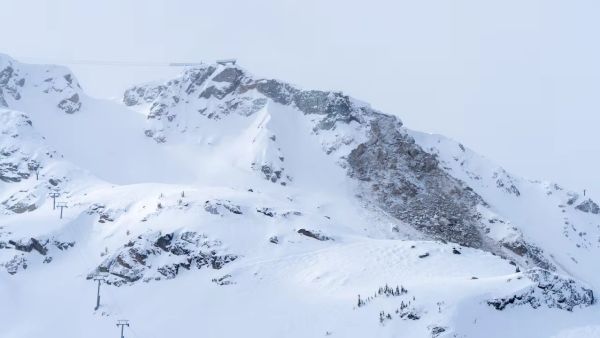
Whistler Blackcomb Rockslide Zone Stays Closed Through 2026-27 Season
A section of Whistler Peak terrain will stay closed all 2026-27 season, Vail Resorts has confirmed, with rockslide mitigation work continuing into summer 2027. Peak Express is still expected to run this winter, but locals are already arguing about what’s actually off limits, whether the Whistler Bowl is gone, and why the news landed after pass sales wound down. Here’s where things stand.
7 Nov 2026
Loveland Ski Area Opens for 2026-27 and Marks 60 Years of Snowmaking
Loveland is open. The Colorado ski area started Chet’s Dream turning on Saturday 7 November to kick off 2026-27, with $60 adult lift tickets to mark 60 years of snowmaking. Expect three runs, nearly 1,000 vertical feet (about 300 metres) of top-to-bottom skiing, live music on the Basin Patio and no beginner terrain yet. Here’s what’s open, what it costs and when Loveland Valley follows.
7 Nov 2026
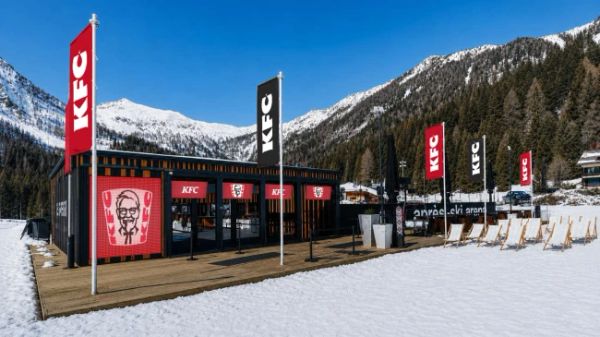
KFC Is Coming to the Slopes at Cortina and Madonna di Campiglio
Fried chicken is heading up the Dolomites. From 5 December KFC will run two restaurants on the slopes - one at 2,123 metres at Cortina, one at 1,700 metres at Madonna di Campiglio - and the polenta-and-canederli crowd has opinions. Local politicians, conservation groups and plenty of Facebook commenters are calling it a step too far, while others just want a cheaper lunch. Here’s what’s on the menu and what’s the fuss.
5 Nov 2026
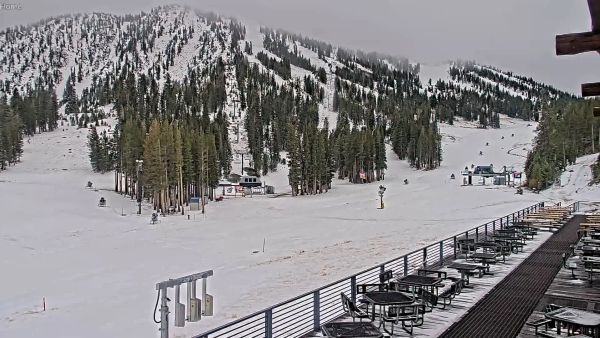
Mt Rose Aims to Open First in Tahoe on November 6
Mt Rose is going for the first-in-Tahoe title, with the Lakeview Express due to spin at 9 a.m. on Friday, November 6. One main lift, three runs and plenty of snowmaking, sitting on the highest base elevation in the region at 8,260 ft. Here is what is open, what is not (sorry, tubing fans), and how the early North American openings are stacking up.
4 Nov 2026
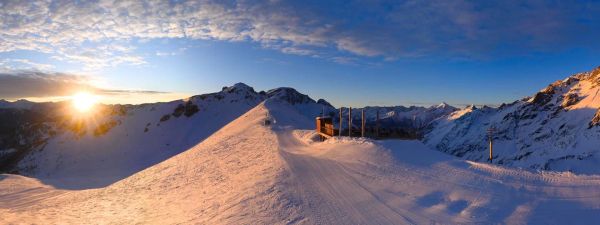
Europe Snow Forecast: Serre Chevalier Leads With 82 cm Over the Next 10 Days
Europe has had a quiet start to November, but our 10-day forecast has Serre Chevalier on 82 cm and Les 2 Alpes on 71 cm. Two pushes are lined up: a western Alps top-up from Friday, then a bigger, wider system on Thursday, November 12 and Friday, November 13 that reaches Italy and Switzerland. Full leaderboard inside.
4 Nov 2026
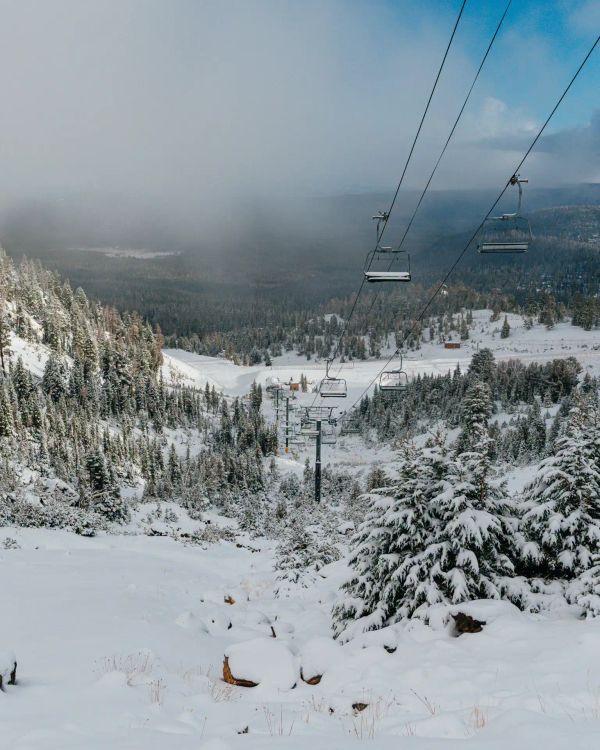
Mammoth Mountain Opens Early on November 5 With Up to 33 Inches of Snow in the Forecast
Mammoth just moved opening day forward to Thursday, November 5, eight days ahead of schedule. A snowy weekend and cold snowmaking nights did the work, and our forecast shows up to 33 inches more landing on November 13 and 14. Here is what opens, what the weather looks like and where Mammoth sits among the early Ikon Pass openers.
3 Nov 2026
Utah Snow Storm Builds Early-Season Base Ahead of November Openings
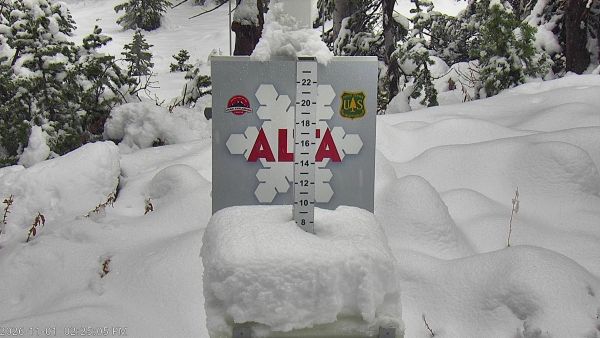
Rain down low, snow up high, and a snow report full of zeros that mostly means ‘not updated yet’. Utah’s first proper storm of 2026-27 is rolling through the Wasatch, Snowbird’s snow stake is closing in on 10 inches, and Brian Head is five days from opening day. Early November snow rarely looks like much, but it is the layer every November opening date is built on. Here is where it stands.
1 Nov 2026