Hakkoda
666m vertical on Mt Tamoyachidake, 17m annual snowfall, 101-person ropeway. Backcountry powder in Aomori Prefecture, Japan.

Current Conditions→
Season 2025-2026
Opens
5 Dec 2025
Closes
29 Mar 2026
Days open
114
Annual snow
17m
The Overview
Michael Fulton
Melbourne-based skier and snowboarder with 50+ resorts across 5 continents. Specialises in Australian resorts and international resort comparisons.
Hakkoda occupies the western face of Mt Tamoyachidake in Aomori Prefecture, rising from 658 metres to a 1,324-metre summit with 666 metres of vertical drop. The area offers 5 designated runs across 200 hectares, split 20 per cent beginner, 60 per cent intermediate and 20 per cent advanced. Annual snowfall averages 17 metres, placing it amongst Japan's snowiest ski areas and creating base depths that regularly exceed 4 metres through midwinter.
The terrain character is backcountry-oriented rather than resort-groomed. Two marked courses descend from the ropeway summit: a 5-kilometre Forest Course and a 3.5-kilometre Direct Course. Between and beyond these boundaries lies vast untracked terrain, mostly ungroomed and open to anyone willing to navigate powder up to thigh depth. Four additional backcountry routes drop to the ring road circling the mountain, requiring avalanche safety equipment and typically a guide.
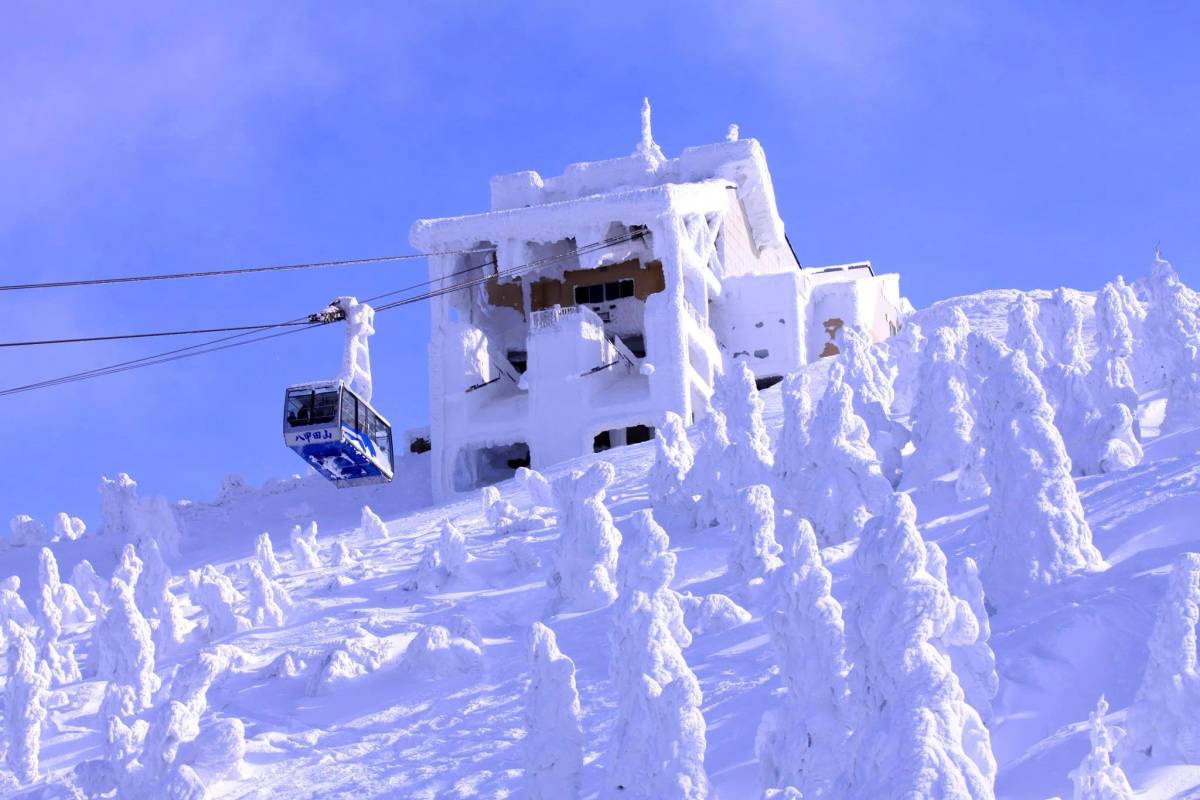
Sansou Lodge at the lift base provides hot food and vending machines, but infrastructure remains minimal by resort standards. No learner zone, daycare or extensive rental fleet exists. Weekdays see negligible crowds even during January and February storm cycles, whilst weekend queues form for the 101-person ropeway during peak season. The famous juhyo snow monsters—frost-laden evergreens shaped by wind and precipitation—fill the landscape from January through February.
Hakkoda operates independently without pass affiliations or connections to other resorts. The season runs mid-December through mid-May depending on conditions, amongst the longest in Japan. The area suits strong advanced and expert skiers comfortable navigating whiteouts, deep powder and tree wells. Those seeking groomed intermediate runs can access limited terrain via the separate double chairlift at Hakkoda Kokusai, located near the ropeway base.
666m
Vertical
5
Runs
494 acres
Skiable
17m
Annual snow
The Terrain
5 runs across 494 acres skiable
Hakkoda is different from nearly every other resort in Japan. The 200-hectare ski area climbs 666 vertical metres, from 658 metres to 1,324 metres on Mount Tamoyachidake, but the map shows only five runs, and almost none of the skiing is groomed. Sanity grades the terrain 20% beginner, 50% intermediate, 20% advanced and 10% expert, which reads gentler than the experience feels once snow is deep and visibility drops. One large ropeway and two double chairs provide the access. The mountain is dominated by volcanic, forested terrain where heavy Siberian-driven snowfall buries the trees and the terrain is more natural than patrolled.
Two signposted ungroomed routes, the Forest Course and the Direct Course, give less experienced skiers a way down from the ropeway summit, the longer one around five kilometres. Beyond them, several routes radiate from the top station into open slopes and tree lines, with short hikes unlocking more. In January and February, rime-coated trees form snow monsters across the upper mountain. Backcountry experience and avalanche gear are essential off the marked courses, and a local guide is strongly advisable. Hakkoda suits strong intermediates through to experts wanting tree skiing, and it is not an easy choice for first-timers.
Terrain split
5
runs
5 runs across 4 grades
Beginner1 run · 20%
Intermediate3 runs · 50%
Advanced1 run · 20%
Expert1 run · 10%
Time it right
When to visit Hakkoda
The 2025-2026 season opened 5 December 2025 and closes 29 March 2026, though Hakkoda typically operates from early December through mid-May when conditions allow. Backcountry routes often remain skiable into May, extending the season well beyond most Honshu resorts. The area sits within Towada-Hachimantai National Park in Japan's Tohoku region, 20 kilometres south of Aomori city at the northern tip of Honshu.
Annual snowfall averages 17 metres, with estimates ranging from 14 to 21 metres depending on the season. Snow quality remains lighter than southern Honshu resorts due to northerly latitude, though proximity to the Sea of Japan—just 30 kilometres west—brings moisture-laden storms. Base depths reach 4 metres through midwinter. No snowmaking exists across the mountain. Mid-December through late February delivers 6 to 7 powder days per week on average, though these coincide with harsh weather including high winds and low visibility.
January and February provide peak snowfall but severe conditions regularly close the ropeway and obscure navigation. March and April offer better visibility, milder temperatures and continued deep snow, making spring the preferred window for many visitors. Late September through mid-October delivers vibrant autumn colours for ropeway sightseers. The frost-covered snow monsters reach full formation from January through February, creating the area's most photographed scenery.
No night skiing, terrain parks or organised events feature in the winter programme. The focus remains entirely on natural snow and untracked descents. Guides operate daily through winter, offering packages that include gear rental, transport and post-ski onsen visits. The Hakkoda Ski Guide Club and similar outfitters run most commercial guiding operations, essential for accessing backcountry routes safely.
Season 2025-2026
5 Dec 2025
Opens
29 Mar 2026
Closes
114
Days open
17 m
Annual snow
The record
Historical snowfall at Hakkoda
Daily snow reports at Hakkoda go back to 2025, 2 winters on the books. Open the record to compare winters, lifts and piste.
60 cm
Snowiest day
21 Jan 2026
0 cm
This winter · 2026-27
so far
483 cm
Typical winter
average of complete seasons
Winter totals
cm
Past wintersThis winter
Getting there
Getting to Hakkoda, and where to stay
Hakkoda sits 20 kilometres south of Aomori city in southern Aomori Prefecture, within the northern section of Towada-Hachimantai National Park. The ski area occupies Mt Tamoyachidake, one peak within the larger Hakkoda volcanic complex comprising approximately 20 summits. The highest peak, Mt Odake, reaches 1,585 metres. The base station sits at 658 metres elevation near the Sukayu Onsen hot spring area, surrounded by beech and fir forests that give way to alpine wetlands higher up.
Aomori city lies 28 kilometres north, accessible in 45 minutes by car or 60 minutes by JR Bus. Shin-Aomori Station, the shinkansen terminus, sits 28 kilometres away with direct bullet train service from Tokyo in 3 hours 10 minutes. Aomori Prefecture occupies Honshu's northernmost point, roughly 710 kilometres north of Tokyo at a latitude comparable to New York and Madrid. Lake Towada and Oirase Gorge lie southeast within the same national park, whilst Mutsu Bay and the Tsugaru Strait separate Aomori from Hokkaido to the north.
National Route 103 connects Aomori city to the ropeway base, though the road closes nightly from 9:00pm to 7:00am throughout winter for safety. Prefectural Route 394 passes nearby via the Jogakura Bridge, a 360-metre arch bridge spanning Jogakura Gorge. Fixed-rate taxis from the ropeway area to Aomori city cost approximately ¥8,000. The Sukayu Onsen bus stop sits 15 minutes from the lifts during winter road closures between Hakkoda and Lake Towada.
Aomori Airport lies 40 kilometres northeast with 40-minute drive time or 50-minute taxi transfers. JAL operates multiple daily flights from Tokyo Haneda (80 minutes) and Osaka (95 minutes), plus international connections via Seoul and Taipei. Airport buses to Aomori Station run hourly, taking 35 minutes. Misawa Airport, 90 kilometres east, provides additional access. Car hire at either airport or Aomori Station enables independent exploration, essential given limited public transport frequency through winter.
Where to stay
Search all stays →Stays map loads when you scroll here
Hotels and lodges near Hakkoda, powered by Stay22.
Latest News
From the SnowStash desk
Purgatory Reveals Seven New Trails and a Colorado Couloir Chairlift Opening in December
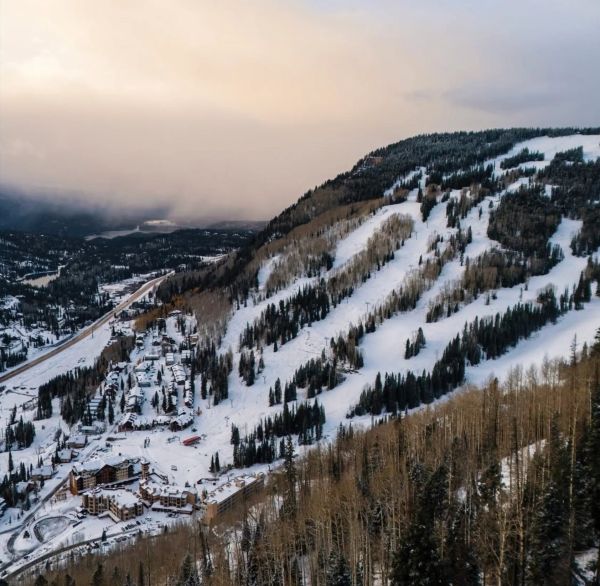
Purgatory’s new trail map reads like a warning label. Seven new trails named after Dante’s Divine Comedy arrive with the Colorado Couloir chairlift in December, adding around 40 acres (16 ha) of steep pitches and gladed tree skiing. Five of them are black or double black. The resort opens for the season this Friday, 20 November.
19 Nov 2026
Brian Head Becomes First Utah Resort to Open for 2026-27, With Six Trails and a New Snowmaking Pipeline
Utah’s ski season has started, and it began in the south. Brian Head opened on Tuesday, 17 November, with six trails on the Navajo Express after 14 inches (36 cm) of storm snow and another half foot on opening day. It is the second year running the resort has beaten the rest of the state to first chair, and it has put nearly $1 million into a new snowmaking pipeline that can run 24 guns at once.
19 Nov 2026
Heavenly and Northstar Open Friday as Lake Tahoe Snow Stacks Up, With Kirkwood Eyeing an Early Start
Tahoe has gone from dry to deep in a week. Heavenly and Northstar open this Friday, 20 November, with up to 24 inches (61 cm) already down at Kirkwood and 50+ inches (127 cm) in the 10-day forecast. Kirkwood normally waits until December, but this snow might change that. Heavenly is even talking about opening Stagecoach in Nevada early, which almost never happens this soon.
18 Nov 2026
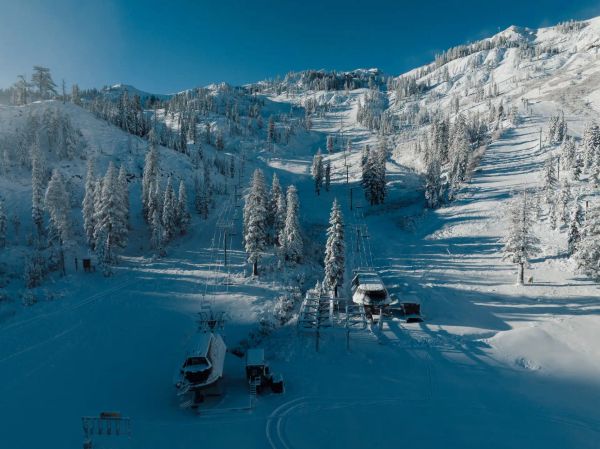
Palisades Tahoe Opens Saturday, Four Days Early, After 26 Inches of New Snow
Palisades Tahoe has pulled its opening forward by four days. Lifts spin this Saturday, 21 November, after 26 inches (66 cm) of new snow, with up to 50 more in the forecast. Opening terrain includes Treeline Cirque at Alpine and Gold Coast and Sunkid 1 at Palisades, though the resort says the weather could change the plan. Tickets are $99 through Tuesday.
18 Nov 2026
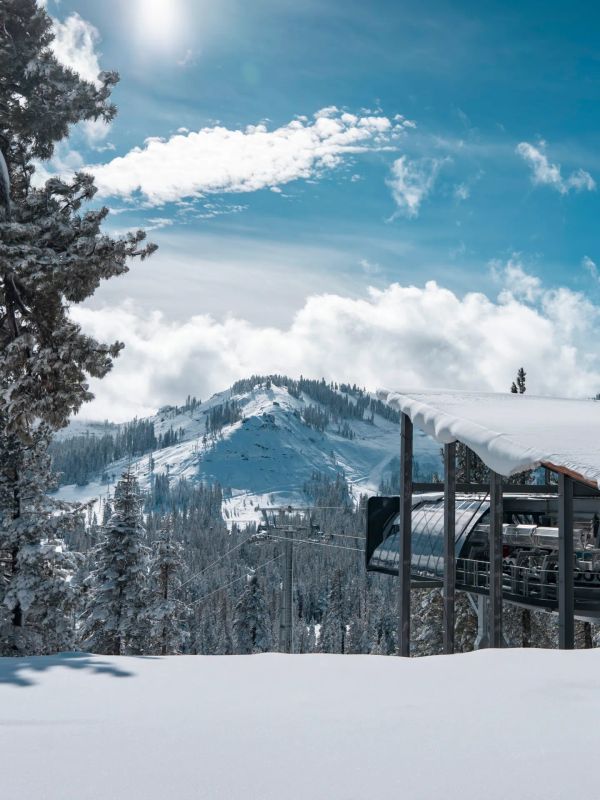
Sugar Bowl Gondola Slips to January 2027 as Opening Day Holds
Sugar Bowl still opens on 27 November, just without its new gondola. The eight-passenger Village Gondola is now targeting January 2027, with all eight towers up, the haul rope on and the first cabin hanging. Until it runs, everyone gets in through the Main Lodge, with curbside drop-off and parking lot shuttles. It replaces the first gondola in the western US, which dates from 1953.
16 Nov 2026
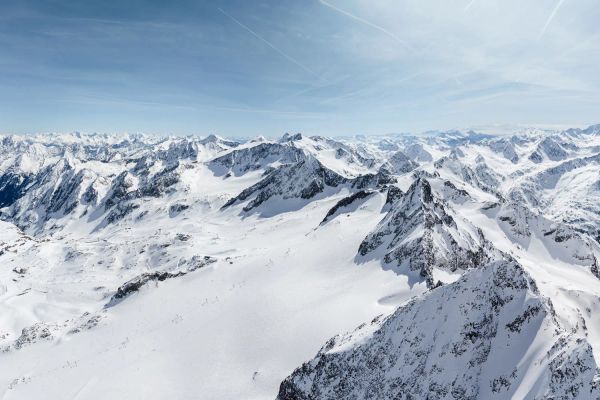
Stubai Glacier Avalanche Ends in Austria’s First Death of the Season
A 72-year-old American skier has died on Stubai Glacier after a small slab avalanche carried him over rocky ground and into a 20-metre crevasse. It is Austria’s first avalanche death of the 2026-27 season, and forecasters had flagged this exact setup two days earlier. Here is what happened near the Daunscharte, and what the snowpack was already telling anyone who was reading it.
15 Nov 2026
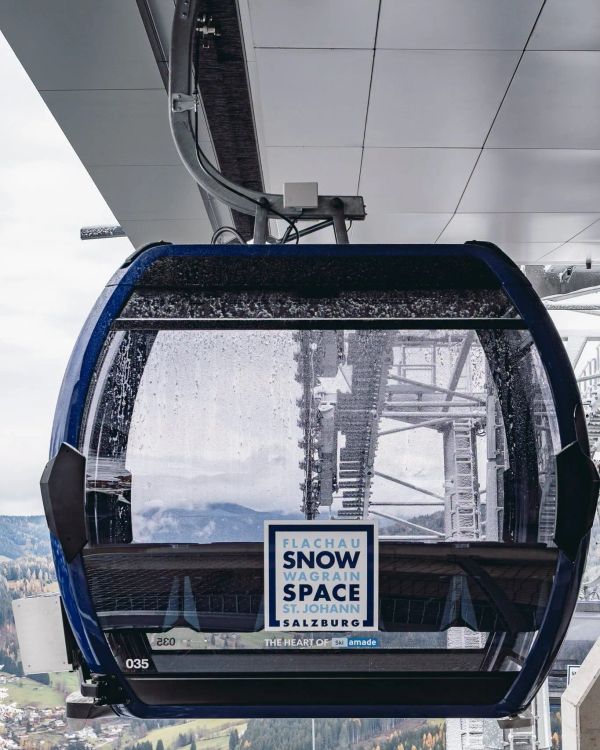
Wagrain’s New Grafenbergbahn Gondola Appears in First Photos
Wagrain’s new Grafenbergbahn is nearly here, and Snow Space Salzburg stamped “no AI” on the first photos, which says plenty about 2026. One 10-person gondola takes over from three old lifts, with 120 cabins moving up to 3,400 people an hour and a mid-station link into the G-Link. Dark blue cabins, fresh snow, no opening date yet.
14 Nov 2026
Indy Pass Adds 10 Alpine and 5 Nordic Partners for 2026-27
Indy Pass just got bigger. On 12 November it announced 10 new alpine resorts and 5 Nordic centres for 2026-27, including four in Norway and one in Austria. Three New York State mountains - Whiteface, Gore and Belleayre - also signed on to its Allied Program, with discounted tickets rather than included days. Waitlisted customers are being offered passes, and Learn to Turn news is due this week. Full list inside.
13 Nov 2026
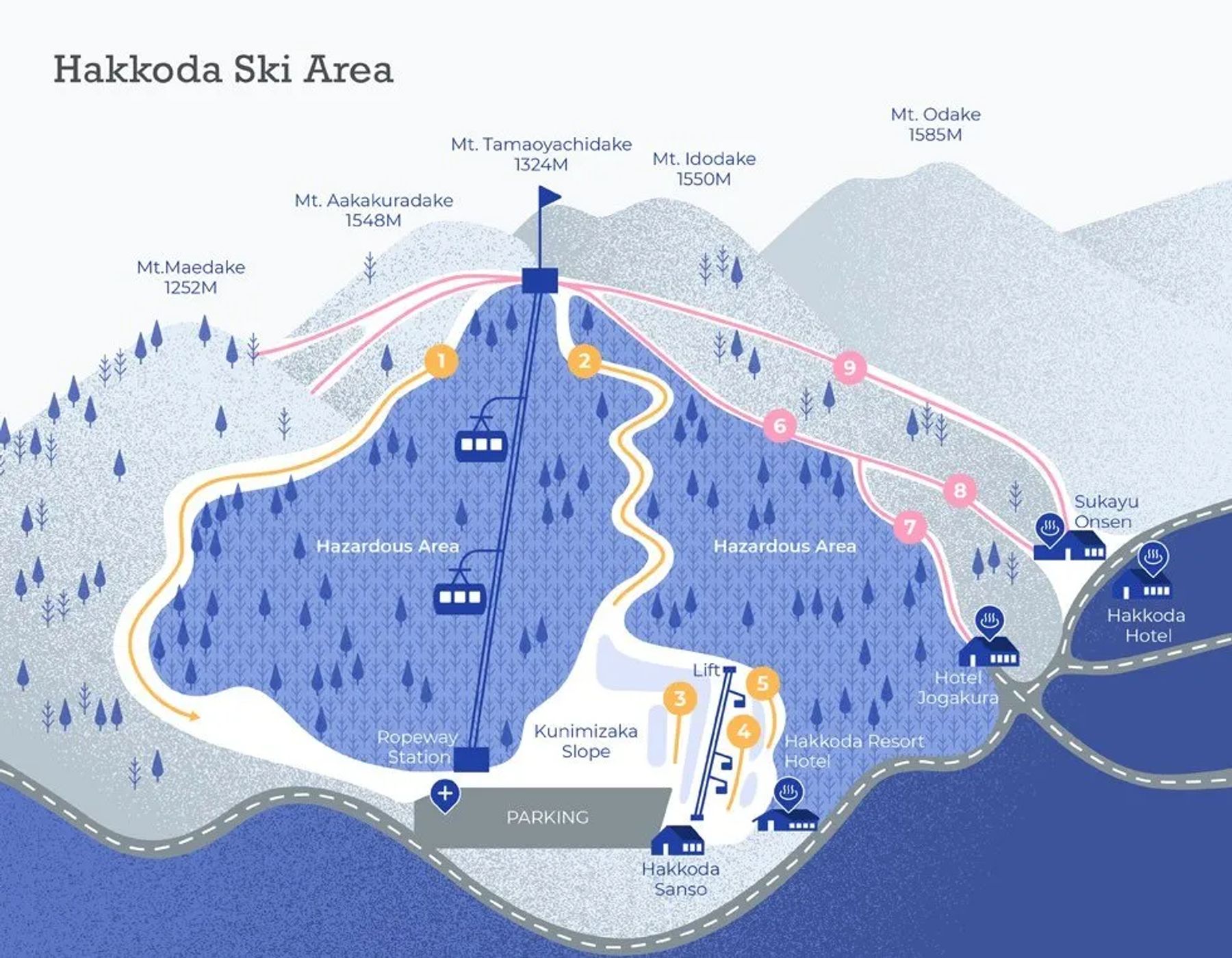
Hakkoda Trail Map
Downloadable Hakkoda trail map
Terrain split
5
runs
Beginner20%
Intermediate50%
Advanced20%
Expert10%
494 acres skiable200 hectares
Resort Stats
Elevation
Base658m
Summit1324m
Annual snowfall
17m
Season
2025-2026
5 Dec 2025 - 29 Mar 2026
Trail coverage
5 runs
494 acres (200 ha)
About Hakkoda's trail map
Explore Hakkoda's full trail map with 5 runs across the mountain, colour-coded by difficulty and shown alongside the terrain split. Use it to plan a day that matches your ability, find lift-served pockets of your favourite grade, and see how the resort links together. Download the piste map (PDF) ↗
More Hakkoda intelligence: snow report, lift system, webcams, resort overview.