
The Overview
Michael Fulton
Melbourne-based skier and snowboarder with 50+ resorts across 5 continents. Specialises in Australian resorts and international resort comparisons.
Shizukuishi operates across 717 vertical metres from a base at 428 metres to a summit at 1,145 metres, with 20 runs covering 15.7 kilometres of piste. The resort receives 6.6 metres of annual snowfall and was built during Japan's 1980s ski boom by Seibu Prince Hotels & Resorts. In 1993 Shizukuishi hosted the FIS Alpine World Ski Championships, opened by Emperor Akihito, establishing the resort's credentials on the international racing circuit.
Terrain splits 40 per cent beginner, 40 per cent intermediate and 20 per cent advanced across 161 acres. The signature E1 downhill course stretches 2,648 metres with gradients reaching 32 degrees, whilst the longest groomed run extends 4.5 kilometres from summit to base. Snowcat access opens a former women's Super-G course for powder skiing, covering nearly three kilometres of ungroomed vertical. The resort maintains three terrain parks with features for progression across ability levels.
Shizukuishi Prince Hotel anchors the base area with ski-in ski-out access and Takakura Onsen, a hot spring recognised as an onsen heritage site. The resort attracts far fewer international visitors than Niseko or Hakuba, resulting in minimal lift queues and uncrowded pistes throughout the week. Children aged 12 and under ski free. Night skiing operates on select runs with stargazing opportunities from the Shizukuishi Ginga Ropeway at 730 metres elevation.
The 2025-2026 season runs from 5 December to 29 March. Shizukuishi suits intermediates seeking long groomed cruisers, families valuing uncrowded slopes, and powder skiers willing to pay for snowcat access. Views of Mount Iwate, Iwate Prefecture's highest peak at 2,038 metres, dominate the skyline from upper slopes. The resort sits 28 kilometres northwest of Morioka and serves as a base for exploring nearby Iwate ski areas including Appi Kogen and Hachimantai Resort.
717m
Vertical
20
Runs
161 acres
Skiable
7m
Annual snow
The Terrain
20 runs across 161 acres skiable
Shizukuishi hosted the FIS Alpine World Ski Championships in 1993, and the vertical shows it: 717 metres from a 428-metre base to a 1,145-metre summit across 20 runs over roughly 65 hectares. The grading is 40% beginner, 40% intermediate and 20% advanced, with no expert terrain, so the championship pedigree describes the scale rather than extreme steepness. An aerial tram carries skiers up the main face, supported by a quad chair and four double chairs. The longest runs drop most of that vertical in a single, satisfying descent from the summit station.
The championship downhill course is the standout, a varied run of steeper, flatter and medium pitches that is manageable for solid intermediates and meaningful for those chasing the same line racers skied. Several wider cruising runs fan out beneath the tram, and the Prince hotel at the base gives direct slope access. Weekday crowds are light. Shizukuishi suits intermediates who want big vertical on groomed terrain, and families who prefer easier pistes without fuss. Advanced skiers looking for heavy off-piste or tree skiing will need to look to the nearby mountains of Hachimantai instead.
Terrain split
20
runs
20 runs across 4 grades
Beginner8 runs · 40%
Intermediate8 runs · 40%
Advanced4 runs · 20%
Expert0 runs · 0%
Time it right
When to visit Shizukuishi
The 2025-2026 season opens 5 December and closes 29 March, offering a 115-day operating window. Typical seasons span mid-December through late March, with variations based on snowfall patterns. Shizukuishi's elevation advantage ensures consistent base depths throughout winter, though the resort receives less snowfall than coastal Niigata or Hokkaido areas. The dry, cold continental air from Akita Prefecture produces light powder quality favoured for grooming and off-piste skiing.
Annual snowfall averages 6.6 metres, accumulating primarily from January through February. The resort's northern Honshu location and base elevation of 428 metres require reliable early-season snowmaking to establish coverage. Upper slopes above 800 metres hold snow quality longer into March. Snowmaking infrastructure supplements natural accumulation across primary runs and beginner areas. Base depths typically peak in mid-February before gradual spring consolidation begins.
January and February deliver peak powder conditions, with frequent storm cycles and coldest temperatures ensuring dry snow. March offers spring corn conditions as daylight hours extend and temperatures moderate. Weekdays see significantly lighter crowds than weekends, particularly outside Japanese school holidays. Optimal timing targets January through mid-February for powder, or late February for stable snow and longer days. The resort experiences heaviest visitation during Japanese New Year holidays.
Shizukuishi's February snow festival features sculptures, sledding and local food with free shuttle service for hotel guests. Night skiing operates 21 December through 30 March during the previous season schedule. The Shizukuishi Ginga Ropeway offers stargazing at 730 metres elevation where city lights don't interfere with visibility. Snowcat sunrise tours to Kotakakurayama summit operate as special programming, covering nine kilometres round trip. The Snow Land tubing park extends up to 500 metres and includes snow strider activities for children.
Season 2026 - 2027
19 Dec 2026
Opens
22 Mar 2027
Closes
93
Days open
7 m
Annual snow
Getting there
Getting to Shizukuishi, and where to stay
Shizukuishi sits in Iwate Prefecture's central region, 28 kilometres northwest of Morioka city in the Tohoku area of northern Honshu. The resort occupies the southern slopes of Mount Iwate, a 2,038-metre stratovolcano within Towada-Hachimantai National Park. Shizukuishi town lies 13 kilometres south of the ski area. The base village elevation of 428 metres sits within forested terrain bordering Akita Prefecture to the west, with clear views across valleys toward Mount Iwate's volcanic cone.
Morioka, Iwate Prefecture's capital with 284,000 residents, serves as the primary gateway city 25 kilometres southeast. Shizukuishi Station on the Akita Shinkansen line sits 12 kilometres from the resort. The town of Shizukuishi offers limited dining including Shizukuishi Soul Kitchen, approximately 15 minutes by car or bus from the Prince Hotel. The region's history includes the 1993 Alpine World Championships, which brought international attention to this formerly domestic-focused ski area.
The Tohoku Expressway provides primary road access, with the resort located approximately 560 kilometres north of Tokyo. Driving from Morioka takes 40 minutes via local roads, whilst the journey from Tokyo requires five to six hours depending on traffic and conditions. The Akita Shinkansen runs through the region, connecting to Tokyo in under three hours. Shizukuishi Prince Hotel operates courtesy shuttle buses from Morioka Station with advance reservation.
Sendai Airport sits 117 miles (188 kilometres) south, requiring 1 hour 18 minutes by train via Sendai Station to reach Morioka, plus onward transfer. Haneda and Narita airports in Tokyo serve international arrivals, with shinkansen connections to Morioka taking approximately 140 minutes on the Tohoku or Akita lines. JR East trains run hourly from Morioka to Shizukuishi Station in 16 minutes. Taxis from Shizukuishi Station take 20 minutes, whilst Morioka Station taxis require 40 minutes. Bus services connect Morioka Station to the resort in 50 minutes for 1,400 yen.
Where to stay
Search all stays →Hotels and lodges near Shizukuishi, powered by Stay22.
Latest News
From the SnowStash desk
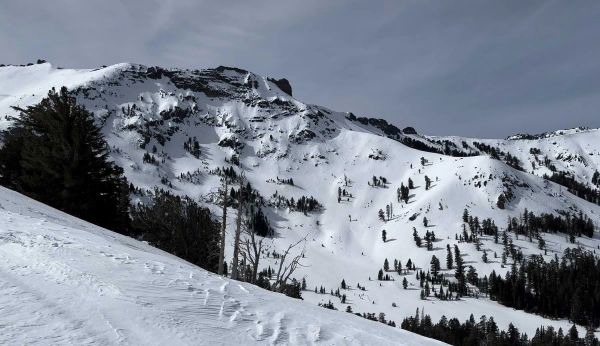
California Ski Resort Opening Dates 2026-27: Mammoth Leads, Tahoe Follows
Mammoth Mountain is first up in California, targeting Friday 13 November after a dusting of September snow. Heavenly and Northstar follow on 20 November, Palisades Tahoe on Wednesday 25 November and Sugar Bowl on 27 November, with Kirkwood on 4 December and June Mountain on 19 December. Plenty of smaller areas have no date yet. A super El Niño favours the Sierra, but a warmer storm track is the catch.
7 Oct 2026
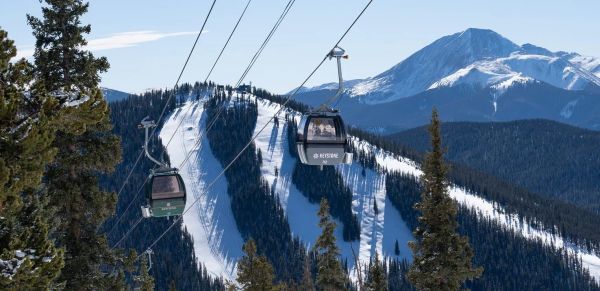
Colorado Ski Resort Opening Dates 2026-27: A-Basin and Keystone Race to Be First
Arapahoe Basin, Keystone and Winter Park are all chasing an October start, though none has a firm date yet. The first dated openers are Breckenridge and Copper on Friday 6 November, then Vail on 13 November, with most of the rest bunched around US Thanksgiving. Hesperus did not open at all last season. A super El Niño offers hope but no guarantee, and forecasters say the southern mountains have the better odds.
5 Oct 2026
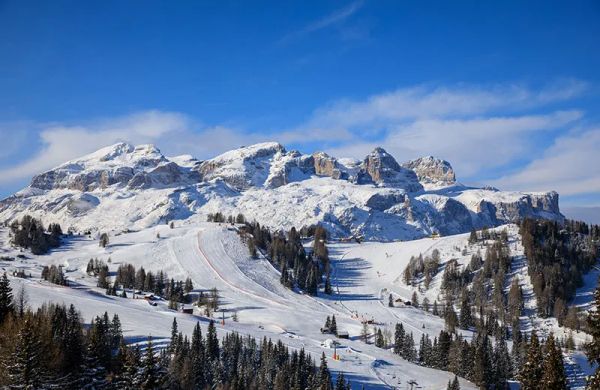
Dolomiti Superski 2026-27: Four New Gondolas, New Reservoirs and an €89 Peak Day Pass
Dolomiti Superski is spending around €100 million across its 12 areas before winter. Kronplatz gets a new 10-passenger gondola with a middle station, 3 Zinnen gets Helmissimo, and Val di Fassa swaps a chairlift for a gondola above Col Valvacin. New water-storage basins and upgraded snowmaking follow, and construction has started on the San Martino to Passo Rolle link. A peak adult day pass is €89.
4 Oct 2026
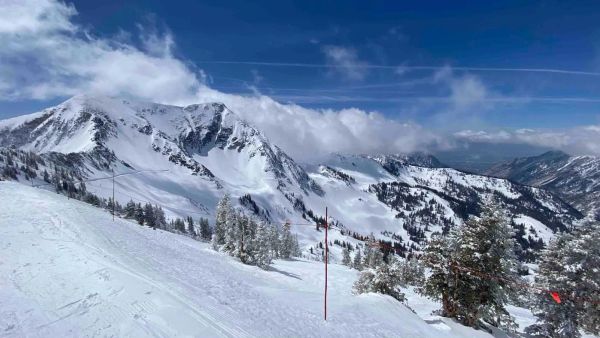
Utah Ski Resort Opening Dates 2026-27: Brian Head First, Eagle Point Out
Brian Head is targeting 6 November, though last year it aimed for 7 November and did not open until the 25th. Park City, Alta and Solitude are pencilled in for 20 November, Snowbird and Snowbasin for 27 November, and Deer Valley for 5 December. Eagle Point will stay closed after the Cottonwood Fire. A super El Niño is forecast, but the big snow is not expected until January.
4 Oct 2026
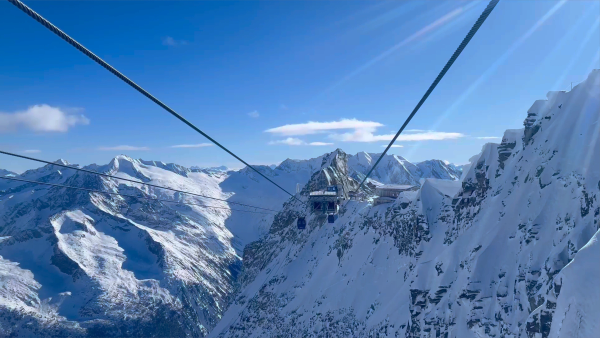
Hintertux Glacier Opens for 2026-27 With 12 Kilometres of Piste
Hintertux became Austria's second glacier to open for 2026-27 on Friday 2 October, after the Pitztal Glacier. Twelve kilometres of piste are running around the Olperer and Gefrorene Wand, served by one gondola and two drag lifts, with the Betterpark also open. Lifts officially run 8:15 am to 4:30 pm, but skiing stops at 2 pm for now.
4 Oct 2026
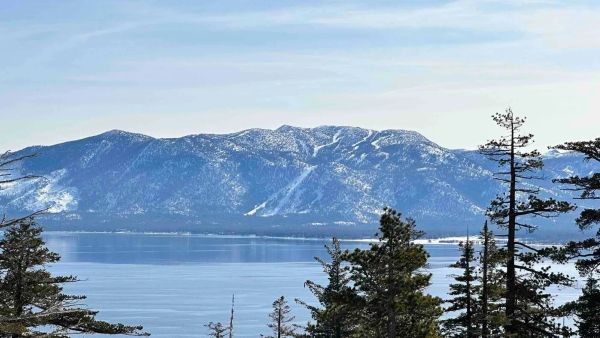
Vail Resorts Counts the Cost of a Thin Winter as Pass Sales Slide Further
A historically poor western winter cut Vail Resorts' annual net income from $280 million to $147.5 million and skier visits by 13.4 per cent. Now 2026-27 pass units are down 12 per cent as of 18 September, worse than the 10 per cent flagged in spring. Vail blames the weather and thinks some buyers are simply waiting, and it forecasts a rebound if the snow behaves.
3 Oct 2026
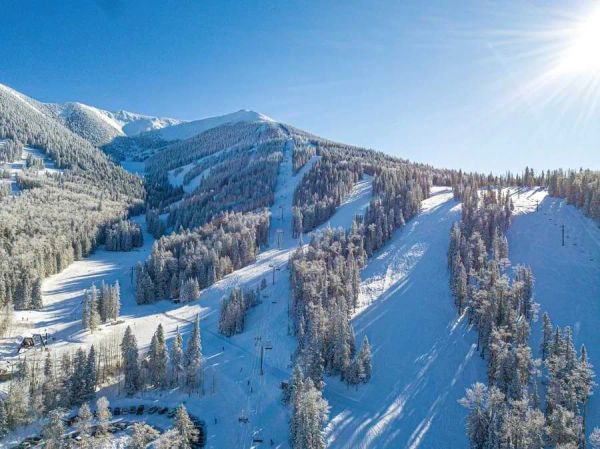
Arizona Snowbowl's $1 Lift Tickets Are Hard to Find, but $9 Days Are Not
Arizona Snowbowl advertised eight $1 lift ticket days this winter. Go looking and only three are showing - 10 March, 1 April and 10 April - so the rest may already have gone. The consolation is a calendar full of $9 days, including all but one day in April. Opening day is 20 November, weather permitting, and opening weekend is $19.
2 Oct 2026
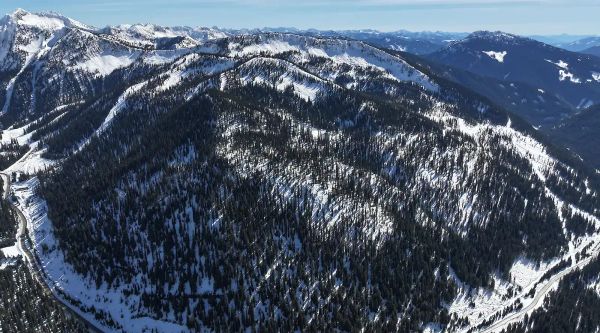
Whitewater Brings Its Short Side Inbounds, With Six New Runs for 2026-27
For years, Whitewater's Short Side was where you ducked a rope and hoped for the best: unmapped, ungroomed and unpatrolled. This winter it's inbounds. Six new runs of glades and fall-line skiing add 190 acres (about 77 hectares), taking the resort past 1,400 acres in total. F2 Logging spent a month in the trees to make it happen, and opening day is pencilled in for 4 December. Bonanza now needs less snow to groom, too.
1 Oct 2026
Shizukuishi Snow Report
Snow Report
Awaiting live data
1145m
summit
+0cm
new snow · last 24 hours
-°C / -°C · - -
Snowfall
24 hours
0cm
48 hours
0cm
7 days
0cm
Base depth
-
Season total
-
Total lifts6
Live open status isn’t available right now.
19 Dec 2026 - 22 Mar 2027
Hour by Hour
Next 42 hours· Updated Oct 9, 2026 at 5:02 AM
Scroll for the full outlook · Open-Meteo
7-Day Outlook
1,145 mUpdated Oct 9, 2026 at 5:02 AMOpen-Meteo
Days 1–7
0.0cm
Days 8–14
0.0cm
Fri, Oct 9
Clear
Temp16° / 8°°C
Snow0.0cm
Wind9 km/h NW
Live snow from the resort feed; forecast from Open-Meteo, via Supabase.
Understanding the Shizukuishi snow report
Shizukuishi snow conditions, updated regularly: current snowfall, snow depth, temperatures, and the outlook for this Tohoku resort.
Snow measurements
Snow depth at Shizukuishi is tracked at both the base and summit, since the two elevations often see different totals — roughly a 717m difference here. We report fresh snowfall over the last 24 hours and 7 days alongside the running season total, in both metric and imperial units.
Weather conditions
Snow quality tracks closely with temperature and wind. We surface both alongside the snowfall data so you can judge whether conditions at Shizukuishi are holding up or starting to soften.
Data sources
We pull Shizukuishi's conditions from on-the-ground mountain reporting, then layer in forecast data so you get a fuller picture than either source alone. The mountain is served by 6 lifts, including an aerial tram and a quad chairlift.
When to check
The biggest swings usually happen right after a storm. Check Shizukuishi's report in the morning for the freshest numbers, and again in the afternoon as conditions evolve.