Two skiers were caught in an inbounds avalanche on a double black diamond run at Silver Mountain Resort in Idaho, despite patrol conducting avalanche mitigation earlier that day. Both escaped without serious injury, but the incident raises questions about a resort that permanently closed terrain following a fatal 2020 slide.
Two skiers caught in inbounds avalanche at Idaho resort despite morning control work
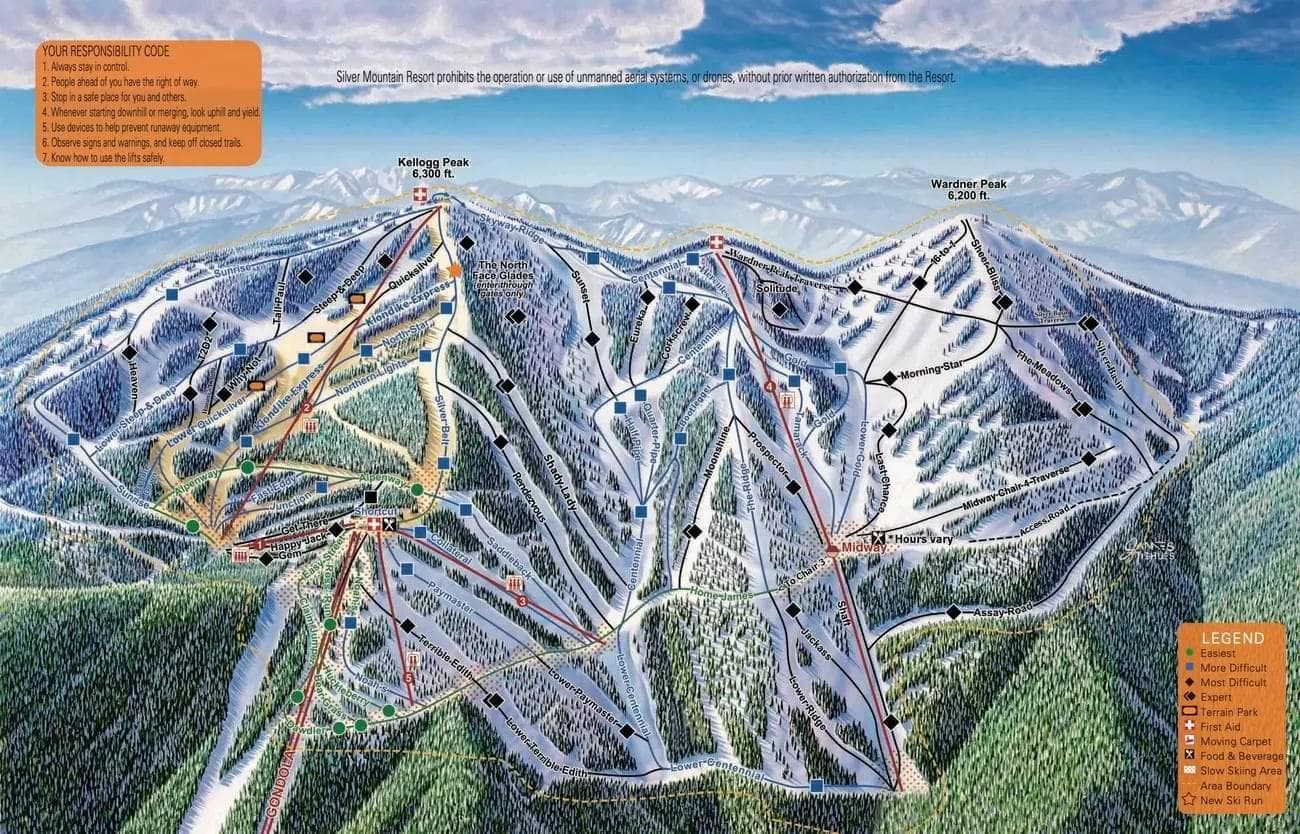
Two skiers were swept up in an inbounds avalanche at Silver Mountain Resort in Idaho on Friday afternoon, escaping without serious injuries in what marks the second significant slide at the resort in five years. The incident occurred around 4:30pm on Moonshine, a double black diamond run in the Chair 4 terrain pod - the same day ski patrol had conducted avalanche mitigation work on the slope.
Three bystanders and a patroller responded immediately to the scene. Following the rescue, patrol conducted an extensive search of the debris field but found no additional victims. The resort then closed terrain across the mountain for further avalanche control work before gradually reopening runs throughout the weekend.
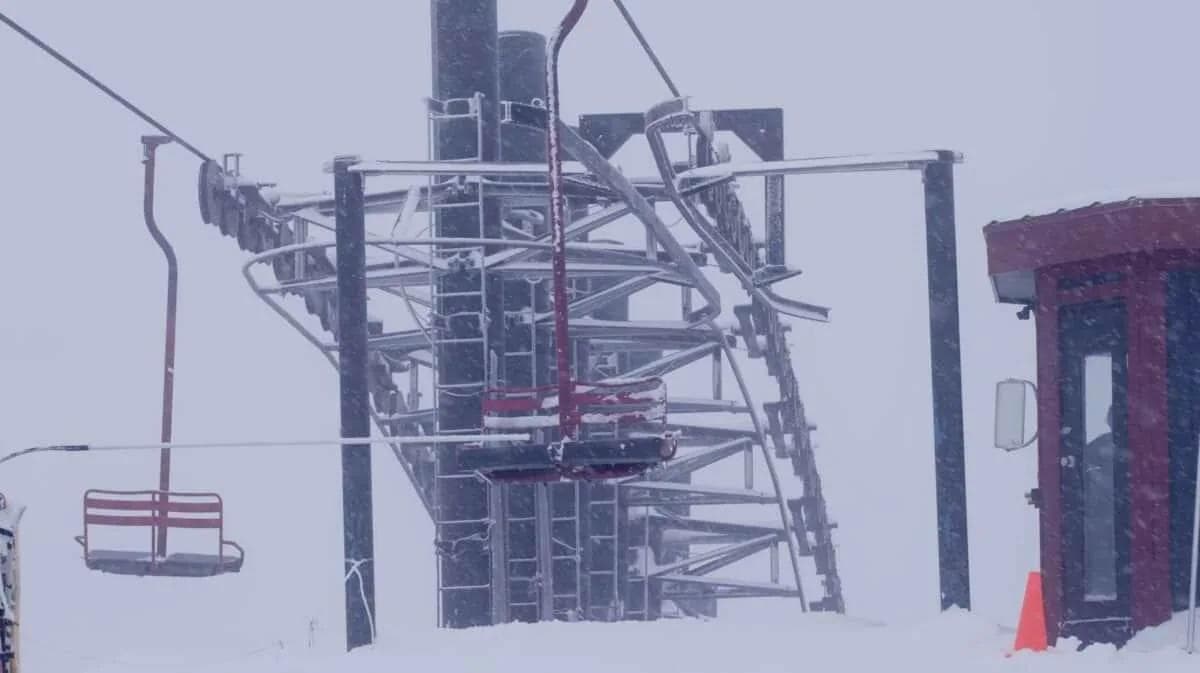
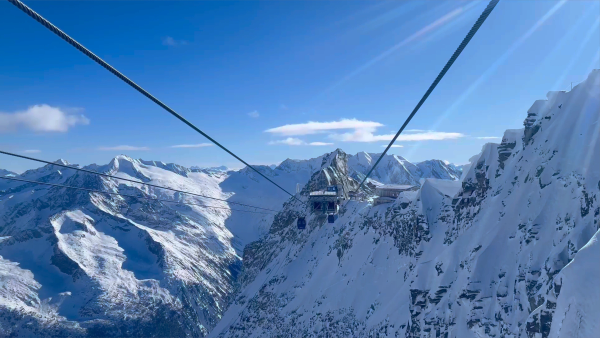
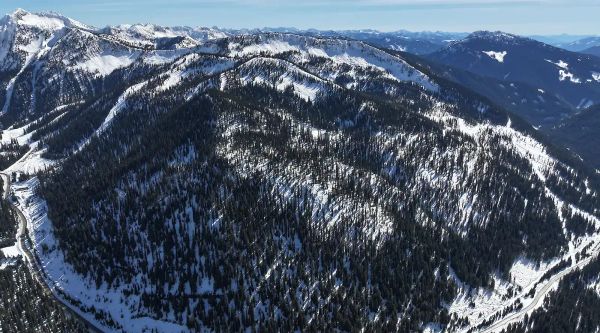
Chairlift at Silver Mountain near the avalanche site
What makes this incident noteworthy isn't just that inbounds avalanches are relatively rare at North American resorts - it's that Silver Mountain has form. In 2020, an inbounds slide on Wardner Peak killed three people. The resort's response was to permanently close a portion of that terrain.
The fact that patrol had already performed avalanche mitigation on Moonshine earlier on Friday raises questions about snowpack assessment. After a mostly dry winter, recent snowfall created unstable conditions that apparently weren't fully addressed by morning control work. It's worth noting that even the best avalanche forecasting isn't foolproof, but two significant slides in five years at the same resort warrants scrutiny.
The avalanche occurred late in the day - 4:30pm on Friday the 13th, for what it's worth - following a week of snowfall after an extended dry spell. This weather pattern is textbook for creating weak layers in the snowpack. New snow loading onto a weak base is Avalanche Safety 101, and exactly the scenario that should trigger conservative terrain management.
Following the weekend's avalanche control work, wetter weather moved in and forced further terrain closures. The rapidly changing conditions highlight the challenges resorts face managing avalanche risk, though it doesn't explain why Moonshine was open in the first place given the apparent instability.
Silver Mountain, located in Kellogg, Idaho, started life in 1967 as Jackass Ski Bowl - a name that at least had character. Originally accessed via a steep, difficult road, the resort installed North America's longest gondola in 1990, which remains its signature feature. The gondola transformed access to the mountain and allowed the resort to develop the base area in what was then a declining mining town dealing with Superfund site designation.
The resort has since expanded into a year-round operation with golf, hotels, an indoor water park, and the usual resort village infrastructure. It's a mid-sized operation serving the Idaho Panhandle market, not competing with the big destination resorts but offering decent expert terrain for locals.
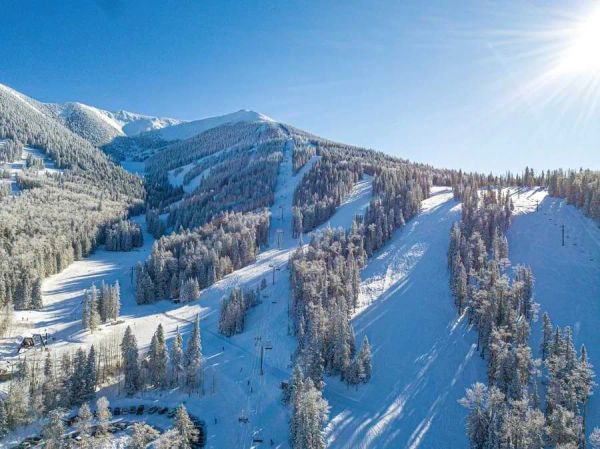
The trail map at Silver Mountain, Idaho
This incident serves as a reminder that inbounds doesn't mean risk-free, even after patrol has signed off on terrain. The two skiers were fortunate - they had immediate assistance and walked away without serious injuries. But the pattern at Silver Mountain suggests either challenging terrain to manage or gaps in risk assessment.
The permanent closure of Wardner Peak terrain following the 2020 fatalities indicates Silver Mountain recognised it couldn't adequately manage risk in that area. Whether Moonshine or other expert terrain requires similar reassessment remains to be seen. At minimum, this latest slide should prompt a thorough review of avalanche forecasting and mitigation protocols - particularly on days when recent snowfall follows extended dry periods.
Resorts operate under significant pressure to keep terrain open, especially expert runs that define their reputation. But three deaths in 2020 and another close call in 2026 suggests Silver Mountain might need to err further on the side of caution, even if it means disappointing skiers and riders on powder days.