Canadian Freeskier Kai Smart Dies Following Avalanche in Japan
Published Date:
Categories
Canadian freeskier and filmmaker dies after avalanche burial in Japan
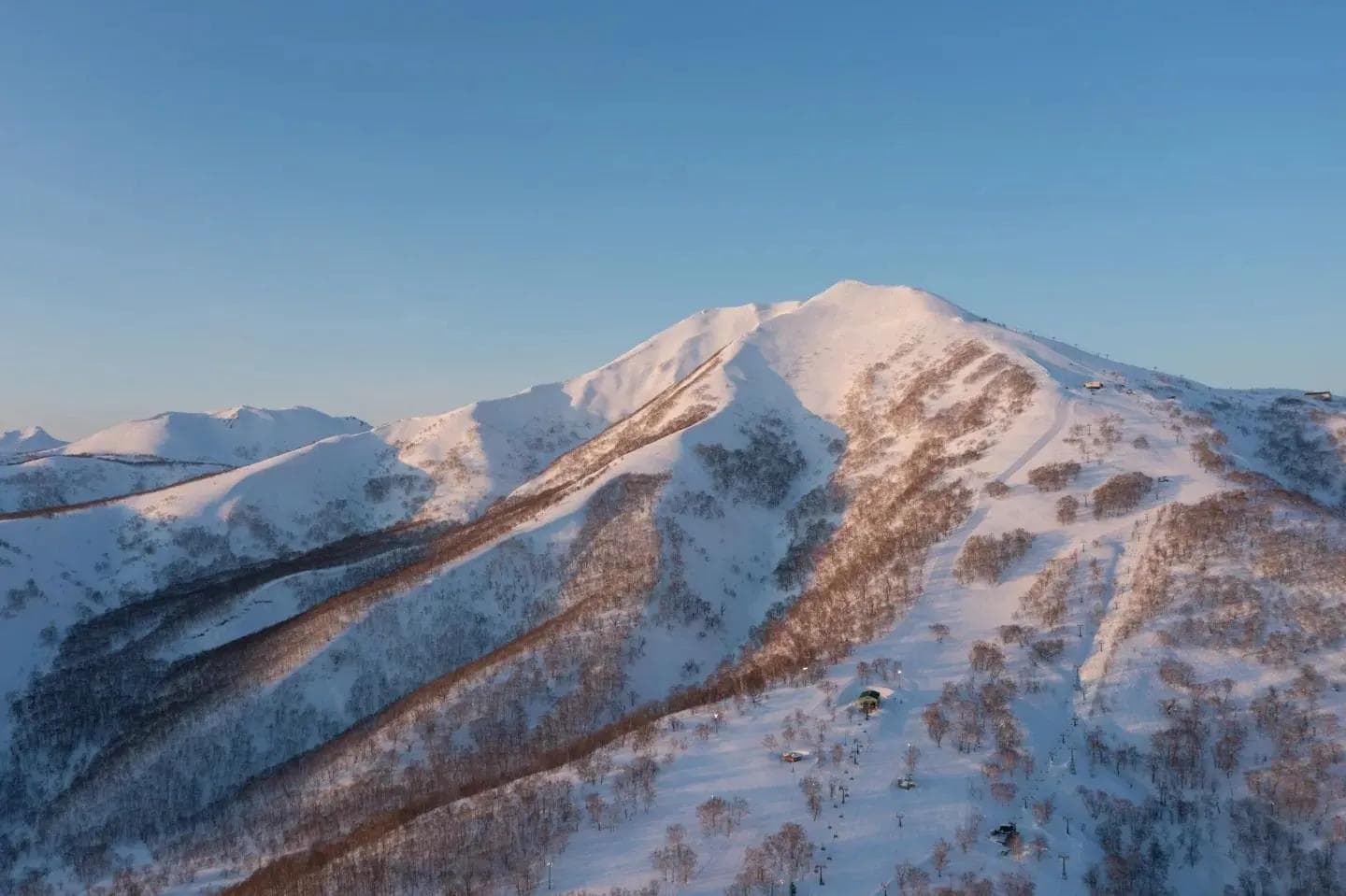
Kai Smart, a 23-year-old freeskier and filmmaker from Whistler, died on March 23 from injuries sustained in an avalanche in Japan. His father, two-time Canadian Olympic moguls skier John Smart, confirmed the death on social media after the family had flown Kai home to Vancouver General Hospital for further medical assessment.
Smart had been placed in critical condition following the avalanche burial on March 13. Medical staff determined that oxygen deprivation during the burial made recovery impossible. In keeping with his wishes, Smart's organs were donated to five recipients.
From competition to backcountry filmmaking
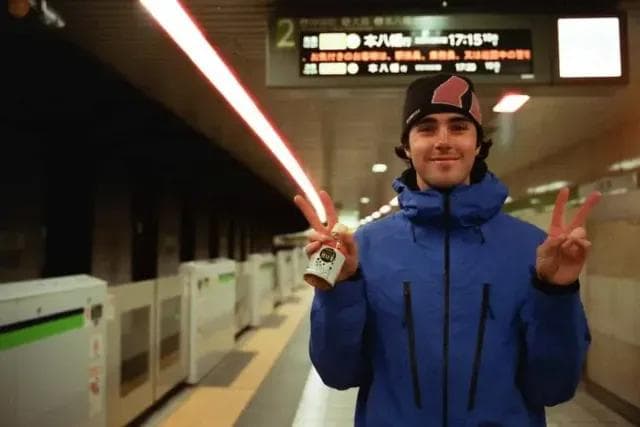
Smart grew up immersed in competitive skiing. His parents, John and Julia Smart, both former Olympians, operate Momentum Ski Camps in Whistler. He competed across all three freestyle disciplines before focusing on slopestyle at age 14, according to Pique Newsmagazine. By his late teens, he'd shifted away from competition entirely, drawn instead to backcountry skiing and film production.
He graduated with honours from the University of British Columbia in May 2025. Shortly after, he completed work on Tien Shan Dream, a ski film documenting a two-week glacier traverse in Kazakhstan. The film, available on Apple TV, Roku, and Outside TV, represented his first significant freeride expedition and filmmaking project.
Climate advocacy through film
Before Tien Shan Dream, Smart worked with athlete management company Pangea Creatives on The Front Lines, a film examining climate change impacts on the ski and snowboard industry. He spoke openly about glacier recession near Whistler and believed athletes could communicate environmental issues to audiences that scientists couldn't reach.
This intersection of mountain culture, expedition skiing, and environmental storytelling defined much of his recent work. It's a path that's become increasingly common among younger skiers and riders, though the risks of backcountry filming remain acute.
Organ donation details
In his Instagram post confirming Kai's death, John Smart disclosed that his son had registered as an organ donor. "His heart continues to beat in another person, and his organs are keeping four other individuals alive," he wrote. "This gives us great comfort."

The Smart family has announced they won't hold a funeral, instead planning a celebration of life in Whistler at a later date. Kai is survived by his parents and brother Luke.
Japan's backcountry has drawn increasing numbers of international skiers and riders over the past two decades, attracted by reliable snowfall and accessible terrain. That popularity has come with mounting safety concerns, particularly among visitors unfamiliar with local avalanche conditions or operating outside Japan's established resort boundaries.
The circumstances of this particular avalanche haven't been made public, and it would be inappropriate to speculate. What's clear is that backcountry skiing carries inherent risks that no amount of experience, equipment, or training can eliminate entirely. For those of us who spend time in that environment, that's a reality we accept but one that doesn't make losses like this any easier to process.
Smart's dual focus on skiing and environmental advocacy reflected a broader shift in how younger riders engage with the industry. Whether that approach will gain traction beyond a committed core remains to be seen, but his work demonstrated that competitive results aren't the only way to contribute meaningfully to ski culture.