Skiing the Sella Ronda Green Route: A First-Timer's Guide to the Dolomites' Famous Circuit
Published Date:
Categories
Skiing the Sella Ronda: What No One Tells You About the Green Route
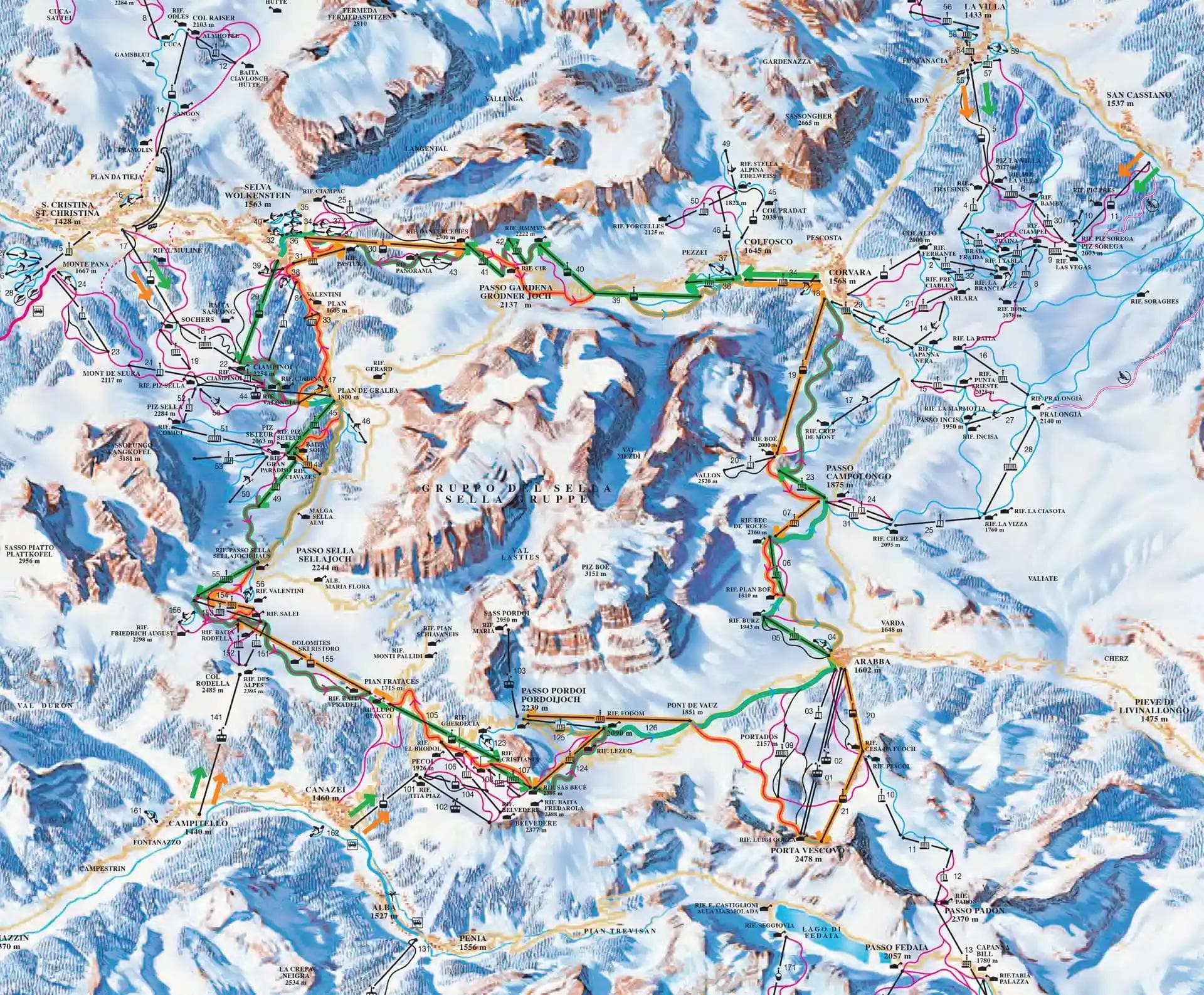
If you've done any research on skiing the Dolomites, someone somewhere has told you that the Sella Ronda is non-negotiable. It's a circuit that links four valleys — Val Gardena, Alta Badia, Arabba, and Val di Fassa — across around 26 kilometres of marked ski runs and a series of lifts. You can go clockwise or anticlockwise, and they colour-code the routes like you're in primary school. I took the green route, heading anticlockwise out of the Chamoy Gondola car park, and I'm here to give you the honest version.
How Long Does the Sella Ronda Actually Take?
I set off around 9am and was back at the Chamoy Gondola by about 1:30pm. That's roughly three and a half hours, which included three pit stops and a couple of deliberate detours off the main circuit. In terms of pure skiing time, it's genuinely not that long. The circuit itself is doable in well under four hours for an intermediate skier, which surprised me — I'd been expecting something that would chew up the whole day.
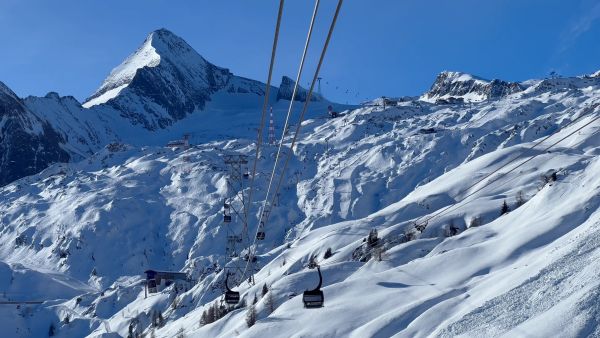
What I will say is this: you spend a lot of time on chairlifts and gondolas. The connector runs between lifts are often short — sometimes frustratingly so — and a few of them are flat enough that you're either skating or just hoping your momentum carries you. If you're someone who wants to ski hard all day, this probably isn't going to scratch that itch on its own. Think of it more as a scenic tour with skiing in between.
The Sellaronda: Is It Actually Worth the Hype?
The Lift Lines Are Real — But Move Faster Than They Look
At one point along the circuit I rolled up to a lift queue that looked like it had about 400 people in it. I won't pretend that was a pleasant sight. But here's the thing about European lift lines — they are absolute chaos in the most efficient way possible. It's shoulder to shoulder, nobody's queuing in any recognisable format, and somehow you're on the chair in ten minutes. Back home you'd be waiting twice as long for half the crowd. It's a system, just not one that makes any visual sense.
If a queue looks genuinely brutal, take a side quest. I ducked off to do a black run I'd been eyeing, came back down, and the line had cleared enough to get through quickly. The circuit isn't going anywhere.
Corvara Is Worth the Stop
About two-thirds of the way around, I pulled into Corvara for a pit stop — apple strudel and a cafe macchiato, which felt like the correct Dolomites choice. By this point the clouds were starting to pull apart and you could actually see the mountain peaks properly for the first time. The Marmolada was visible in the background, and if you've never seen it, it's an impressive piece of geography.
This is worth building into your plan. The Sella Ronda has a handful of spots where stopping for 20 minutes doesn't wreck your day, and Corvara is one of the better ones. Don't rush it.

The Side Quest to Colfosco Is Not Optional
Someone online told me that if you're doing the Sella Ronda, you have to go up to Colfosco. They were right. I almost skipped it because I was moving faster through the circuit than expected, but I'm glad I didn't. It feels like a separate little resort tucked up there — a couple of gondolas, a few chairlifts, and some genuinely solid runs. I ended up doing a couple of black runs up there before dropping back down to continue the circuit. Worth every minute.
What the Green Route Is and Isn't
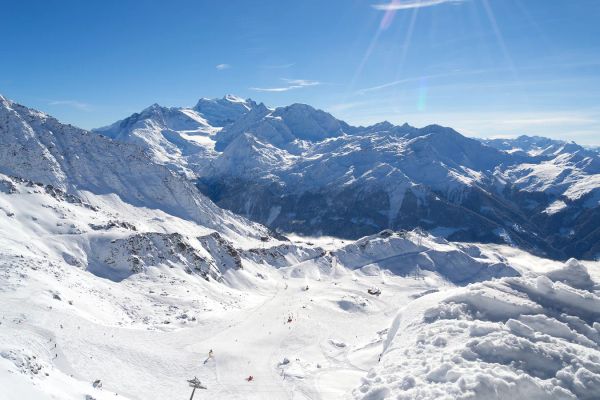
The green Sella Ronda is not a hard day of skiing. Most of the circuit runs are blue or easy red — it's genuinely approachable for intermediate skiers and even confident beginners. What it is, though, is a fantastic way to see a lot of the Dolomites in a single morning. The scenery once the clouds lifted was something else entirely. These mountains have a completely different character to the Alps — the rock formations are unlike anything I'd seen skiing elsewhere in Europe, and fresh snow on top of all of it made for a pretty memorable backdrop.
I also managed to sneak in the women's downhill run on the way back into Val Gardena, which is part of what they call the Legendary 8 — a collection of the best runs in the area. That was a good way to finish.
Practical Notes
- Start early. I was on the first lift around 9am, and by 1:30pm I was done with time to spare for afternoon skiing. Starting late means fighting the worst of the lift queues.
- Follow the signs religiously. Colour-coded poles throughout. Green arrow means green route. It's simple but easy to miss a turn if you're distracted.
- Don't treat it as your only skiing for the day. At three and a half hours, there's plenty of afternoon left. I headed back up to Sichetta after finishing and made use of the remaining time.
- Hire a guide or at least do your homework on the route. First time around, I missed a turn and ended up doing a minor detour. Not a disaster, but a few minutes on the map beforehand would have helped.
If you're coming to Val Gardena or the Alta Badia area and you skip the Sella Ronda, you've made a mistake. It's not the most technically demanding day you'll have in the Dolomites, but it's one of the more memorable ones.