Sierra at Tahoe and Homewood have pulled the pin on their 2025-26 seasons weeks ahead of schedule as temperatures hit the low 20s celsius and California's snowpack drops to 28 percent of average in the northern Sierra - the worst levels since 2015.
Two Lake Tahoe resorts have closed weeks ahead of schedule after a mid-March heat wave finished off what little remained of a struggling season
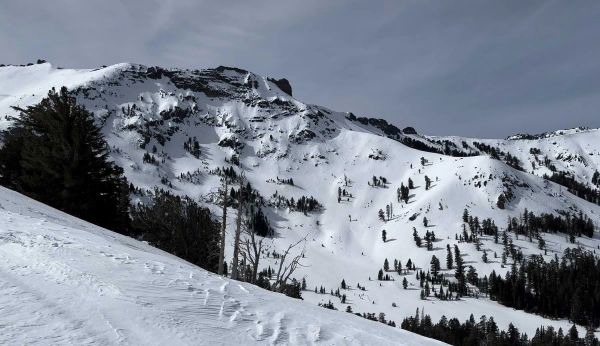
Sierra at Tahoe and Homewood Mountain Resort have both ended their 2025-26 seasons early this week - not because of some operational hiccup or equipment failure, but because there simply isn't enough snow left to ski on safely. When temperatures hit 21-23 celsius in mid-March and the forecast shows no relief, resort operators don't have many options beyond shutting the gates and calling it early.
Sierra at Tahoe will close on Sunday 22 March, ending its 79th season ahead of schedule. Homewood didn't even make it to the weekend, closing on Monday 17 March after management looked at the forecast and decided there was no point pretending another few days would be viable. Both resorts cited the same fundamental problem - near-record temperatures accelerating snowmelt across mountains that had precious little base depth to begin with.
Sierra at Tahoe 🚨Operations Update🚨
The numbers behind the early closure
The Sierra Nevada snowpack currently sits at 48 percent of normal statewide, according to California Department of Water Resources data. In the northern Sierra where both resorts operate, that figure drops to just 28 percent of the historical average - the worst levels since 2015.At Homewood specifically, the summit holds just 43 centimetres of base depth, which is 33 percent of average for this time of year. The resort recorded 622 centimetres of total snowfall this season - respectable by Australian standards, but well below what's needed to sustain operations through a traditional Sierra spring season.When you're starting with that kind of deficit and temperatures are forecast to hit the low 20s celsius for multiple consecutive days, the maths becomes fairly straightforward. The National Weather Service warned the warm spell could shatter temperature records across the Bay Area, Central Coast and Sierra Nevada. On the evidence of this week, they weren't overstating the situation.
Both resorts have struggled all winter, but Homewood's difficulties run considerably deeper. A dry December forced the resort to delay opening until New Year's Eve weekend, cutting nearly a full month from the operational calendar before the season even started.
More significantly, the 486-hectare ski area sat completely dormant during the entire 2024-25 season while awaiting approval for its updated redevelopment plan. This winter was supposed to represent a fresh start. Instead, it's delivered one of the shortest effective seasons in the resort's history.
A planned new gondola, central to Homewood's long-anticipated redevelopment, remains unfinished and isn't expected to be completed until later this year. The resort that locals hoped would emerge transformed is instead limping to an early finish with much of its construction still outstanding.
An early February storm briefly transformed conditions across the Sierra, producing some of the season's best skiing and giving operators hope the winter might salvage something. Rain followed quickly, erasing those gains almost as fast as they arrived.
The closures are spreading
Neither resort is an isolated case. Dodge Ridge Mountain Resort suspended operations on Sunday 15 March, making it the first Californian resort to yield to the heat wave. Mt. Shasta Ski Park ended its season after just 55 operating days - five short of its 60-day season guarantee to passholders.
Sierra at Tahoe confirmed it hopes to operate the Grandview Express, Nob Hill and Easy Rider Express through closing day, but stated this footprint is subject to change and that no beginner terrain will be available. Even the final weekend carries no guarantees - a reflection of how little margin is left on a mountain that's been racing against the thermometer for weeks.
Mother Nature always gets the final word in the mountains, and this season she’s calling it a little early. Despite our best efforts, today March 17 will be the last day of the 2025-2026 winter season.
Both resorts have moved quickly to sell 2026-27 season passes, a gesture of forward momentum from management teams that have spent the past weeks presiding over a season they cannot wait to put behind them. The message is clear enough - come back next year because this wasn't the Sierra's fault, and the snow will eventually return.
That optimism is rooted in decades of experience showing weather is cyclical and bad seasons are eventually followed by good ones. But the belief will be tested if the broader climate trajectory holds. Back-to-back difficult seasons, a snowpack at its leanest since 2015, and a March that felt more like late spring aren't simply bad luck. They're a pattern.
For the ski areas of the California Sierra, addressing that pattern through investment, adaptation and honest conversation with guests will define the decade ahead far more than any single winter's snowfall. For now though, the lifts are still and the mountains will need to wait for winter to come back.