Snowbasin Resort will close its 2025-26 season on March 22, weeks earlier than its typical mid-April closure. Warm temperatures and low snowfall drove the decision, with rain falling on Christmas Day compounding the challenges. The resort joins a growing list of operations cutting seasons short.
Snowbasin Cuts Season Short After Warm Winter Tests Utah Operations
Snowbasin Resort will close on March 22, bringing its 2025-26 season to an end weeks earlier than the resort's typical mid-April shutdown. General Manager Davy Ratchford cited sustained warm temperatures and below-average snowfall as the primary factors behind the decision, marking what appears to be the resort's earliest seasonal closure in recent years.
The announcement reflects broader struggles across Utah's ski industry this winter, where unseasonably warm conditions have compressed operating windows and forced resorts to rely heavily on snowmaking during brief cold snaps. For Snowbasin, the challenges included rain falling on Christmas Eve and Christmas Day - hardly the ideal conditions for a resort trying to capitalise on the holiday period.
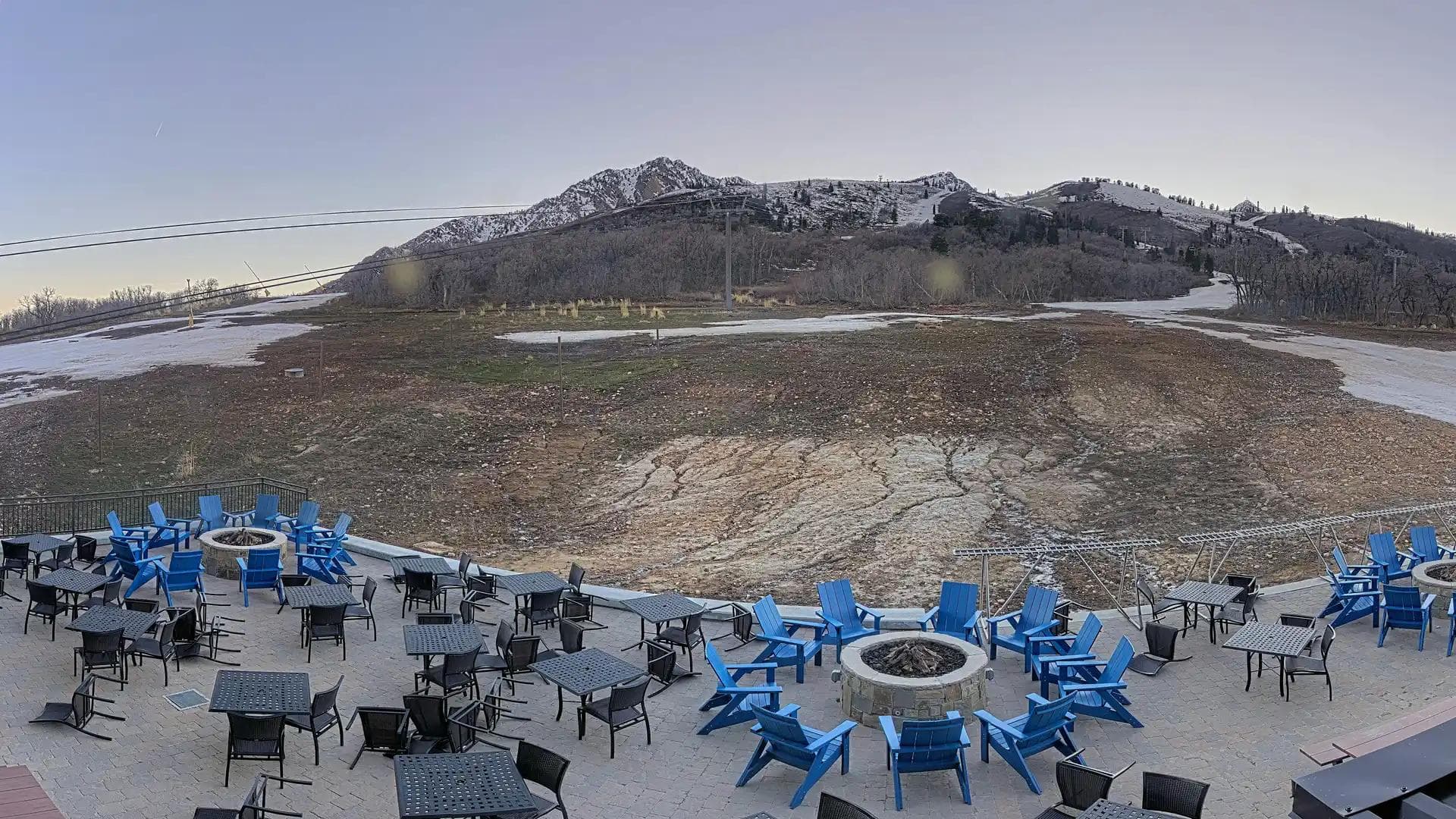
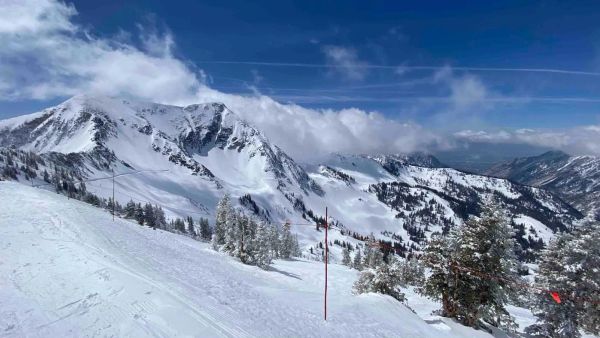
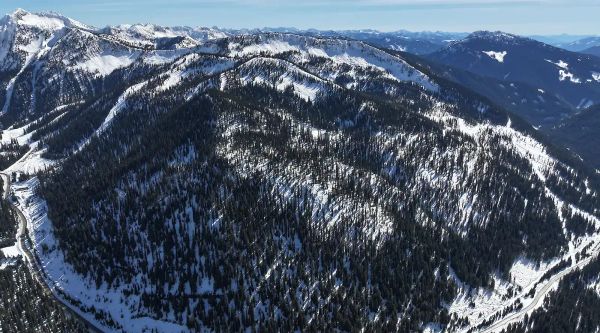
The live webcam shows just how little snow is at Snowbasin resort.
Weather Whiplash From Record Season Three Years Ago
The timing is particularly stark when you consider Snowbasin recorded one of its snowiest seasons just three years ago. This year's shortfall demonstrates the increasing volatility ski resorts face - a reality that's becoming harder to ignore across North America. While resort operators publicly blame "Mother Nature," the frequency of these warm, truncated seasons is raising questions about long-term viability for lower-elevation operations.Ratchford acknowledged the difficult circumstances: "This is not ideal. This is not what we wanted. But Mother Nature had a different plan for us this year." The resort's snowmaking, grooming and patrol teams worked to maintain terrain where possible, though there's only so much you can do when it's raining at Christmas at a ski resort.
In what reads like finding a silver lining in a difficult situation, Snowbasin reported record-high guest service scores for the season. Ratchford attributed this to staff efforts and visitor attitudes, noting "great respect from our guests to our employees, and from our employees to our guests." It's worth acknowledging - when conditions deteriorate, resort staff often cop the frustration, so positive interactions during a challenging season are genuinely noteworthy.
Unusual Recommendation to Visit Competitors
In a rather uncommon move, Ratchford actively encouraged visitors to check out other Utah resorts that will remain open longer. "There's still great skiing around the state of Utah so please go check out some of the other great mountains that Utah has to offer," he said. It's not often you hear a resort GM directing skiers and riders to competitors, though it speaks to the broader industry impact - approximately 25,000 Utahns rely on ski industry employment, according to Ratchford.
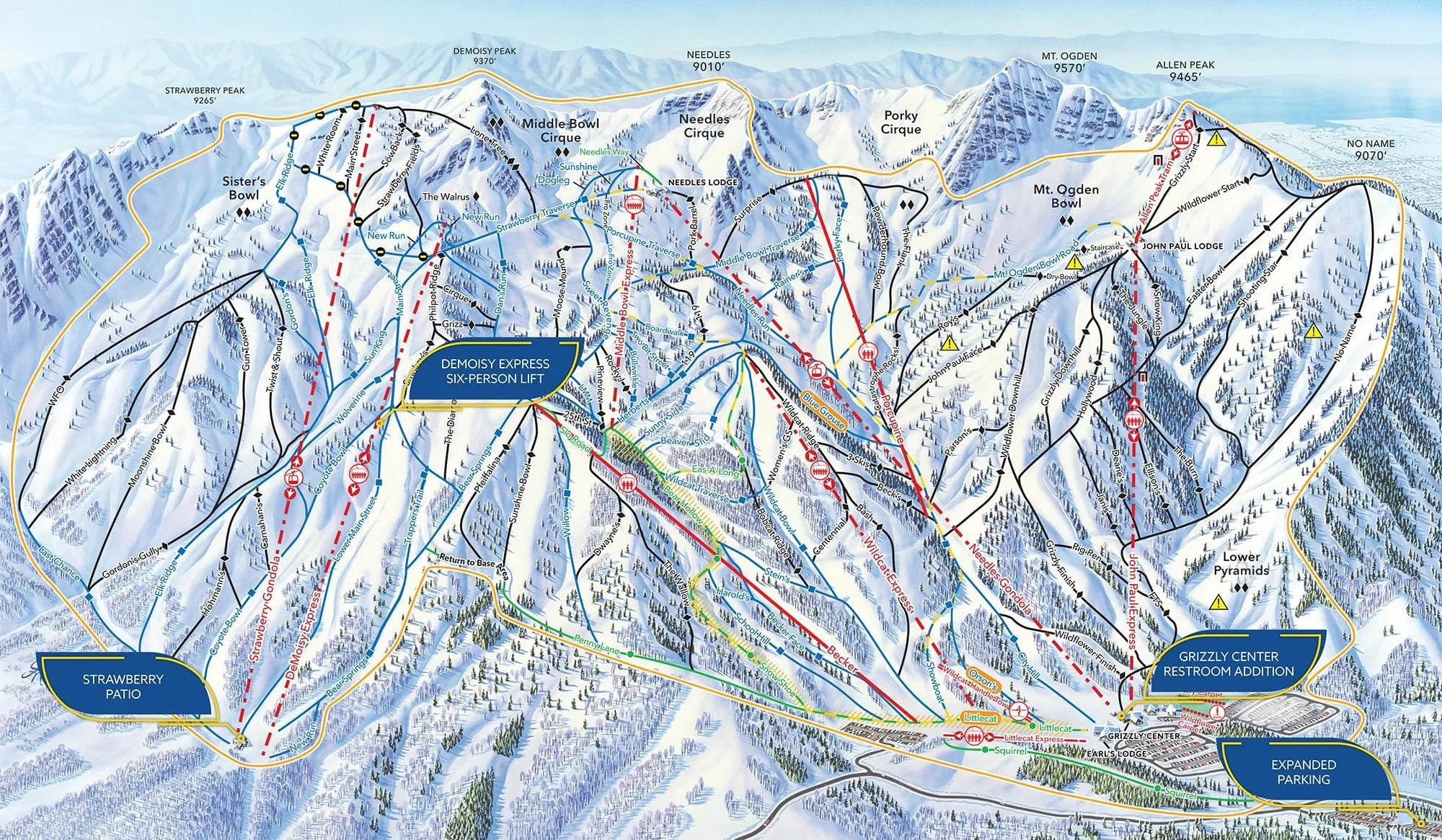
Snowbasin Trail Map
Basin Bash Closing Event March 22
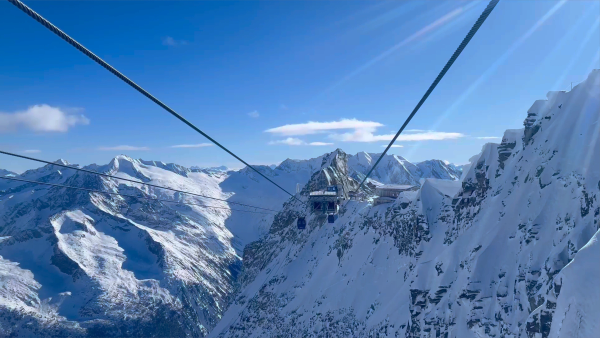
Snowbasin will mark the end of its 85th season with its annual Basin Bash on the final day, featuring an '80s theme, live music and costume contest. Six lifts will operate through the closing weekend, including Needles Gondola and Wildcat Express. The resort is pivoting to summer operations, including development of a new lower-mountain bike park.
The early closure at Snowbasin underscores the operational realities facing ski resorts as weather patterns become less predictable. When you're getting rain on Christmas Day, the traditional peak-season economics fall apart quickly - you can't justify running lifts, paying staff and maintaining facilities when snow cover is marginal at best.
For Australian skiers and riders accustomed to our own weather challenges, Utah's struggles this season might feel familiar. The difference is scale - with 25,000 jobs dependent on the ski industry statewide, a shortened season has significant economic ripple effects beyond disappointed tourists.
Whether this represents a one-off difficult year or part of a longer-term trend is the question resort operators are presumably asking themselves. Ratchford expressed optimism for next season, noting "we've learned a lot through this season." What those lessons translate to operationally remains to be seen - increased snowmaking capacity, adjusted opening/closing date expectations, or more fundamental strategic shifts.
For anyone planning Utah trips next season, Snowbasin's experience is a reminder to check conditions carefully before committing to travel. The resort's candid acknowledgment of the situation and recommendation to visit other Utah operations at least demonstrates a degree of transparency that's preferable to pretending everything is fine when it clearly isn't.