TL;DR
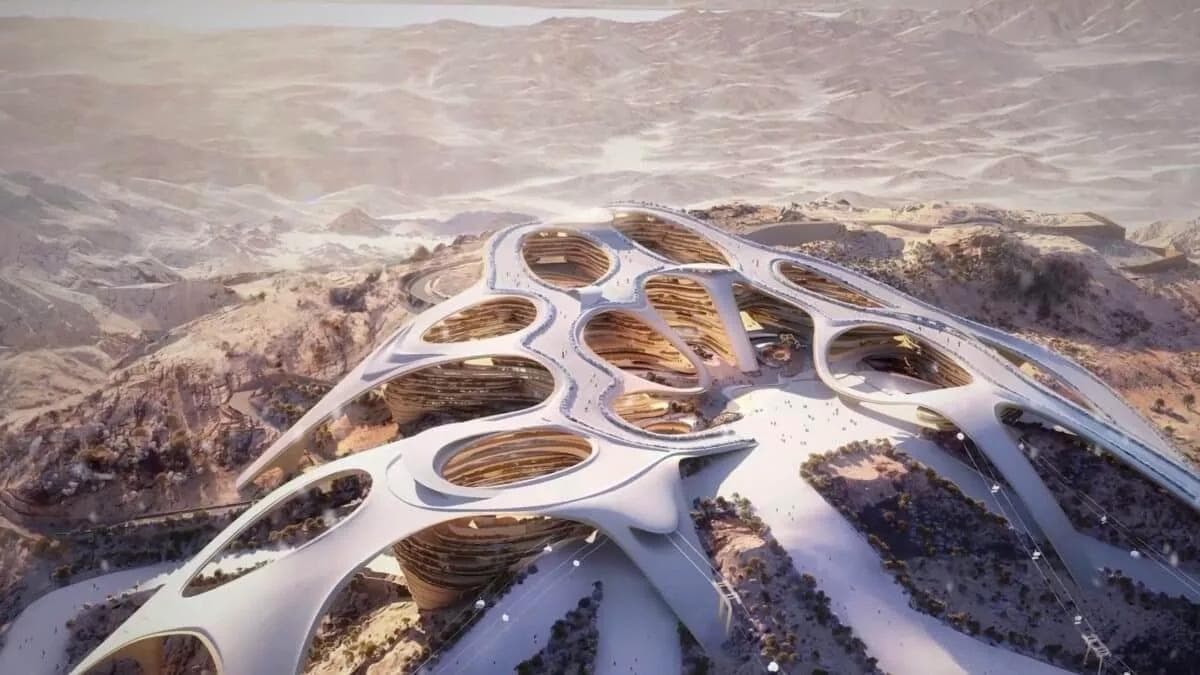
Saudi Arabia's ambitious desert ski resort project has hit what looks like a terminal setback, with key construction contracts cancelled this week. The Trojena development, part of the broader Neom megaproject, was supposed to open by 2030 with 30km of slopes and a man-made lake.
Saudi Arabia's Desert Ski Resort Hits the Wall
The Trojena ski resort project in Saudi Arabia appears to be finished, with two major construction contracts terminated this week. Malaysia's Eversendai Corporation announced Tuesday that its steel contract had been cancelled, followed Wednesday by Italy's WeBuild confirming its multi-billion-dollar dam and freshwater lake contract had been axed. Whether this represents a complete cancellation or an extended pause remains unclear, but the trajectory isn't promising.
The project was part of Saudi Arabia's broader Neom development plan, targeting a 2030 opening. On paper, it sounded ambitious - 30km of slopes operating on snow for three months annually, supported by modern lift infrastructure. The surrounding development included plans for 11 hotels, a wellness resort, golf course, retail and dining facilities, and that massive artificial lake.
The Warning Signs Were There
Anyone watching this project closely shouldn't be particularly surprised. The red flags have been accumulating for years now.
First came allegations that Saudi authorities forcibly removed residents from their land to make way for Neom. The claims drew international attention and led to the departure of former Palisades Tahoe CEO Andy Wirth from the project. Saudi Arabia denied the allegations, but the controversy wasn't a great look for attracting international investment and expertise.
Last year brought reports of significant cost overruns across the broader Neom portfolio, with the Saudi government scaling back various projects. At the time, Trojena appeared to escape the cuts, but that assessment looks optimistic in hindsight.The clearest signal came in January when Saudi Arabia withdrew from hosting the 2029 Asian Winter Games. Kazakhstan stepped in to host instead. When a country backs out of hosting major international sporting events at a facility supposedly under construction, it's generally not because everything is going to plan.