TL;DR
A skier triggered a soft slab avalanche in Tuckerman Ravine on Mount Washington this month, escaping without injury. The incident serves as a reminder that avalanche risk in New Hampshire's White Mountains extends well beyond the spring touring season.
Skier walks away from avalanche in New Hampshire's most popular backcountry zone
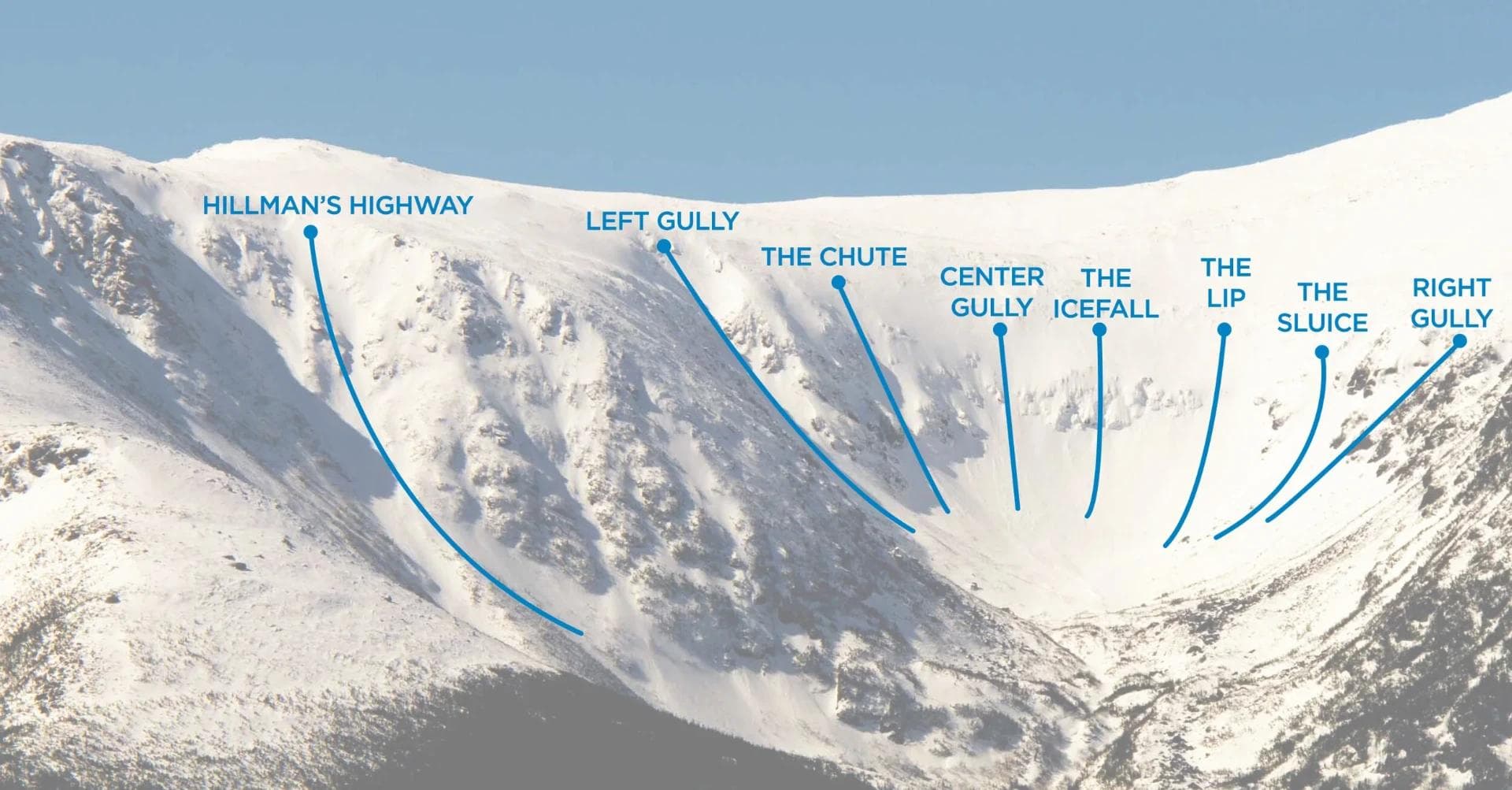
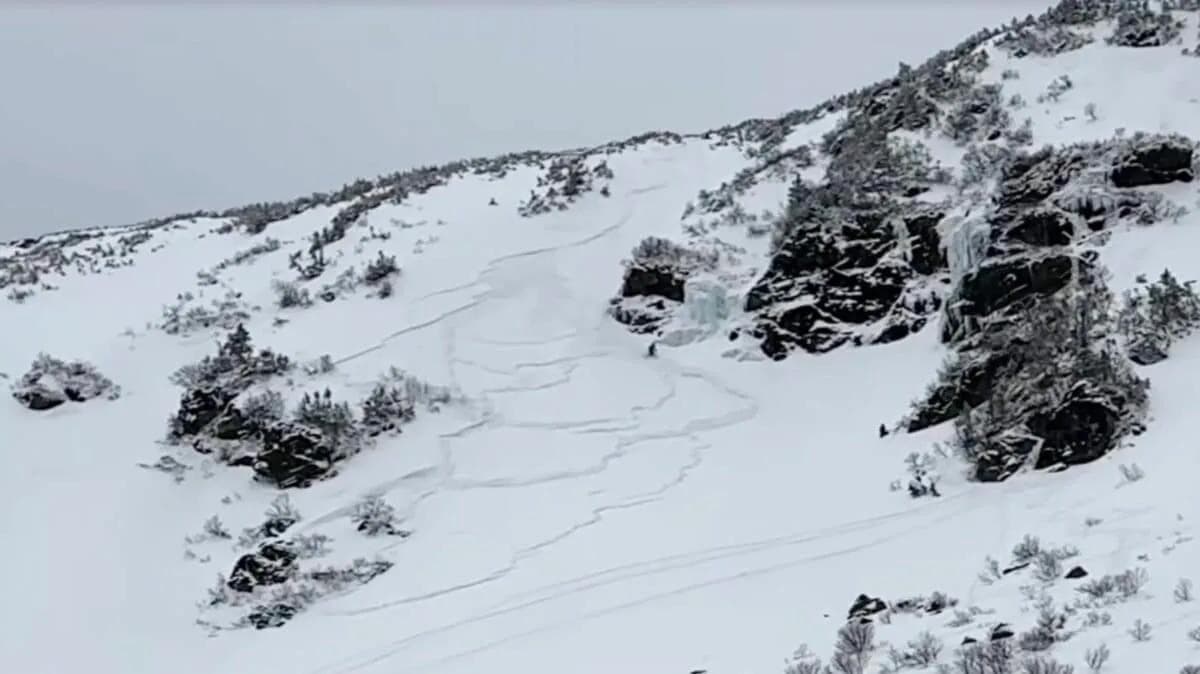
A skier triggered and was caught in a soft slab avalanche in Tuckerman Ravine on Mount Washington on 15 March, escaping without burial or injury. The incident occurred in the Sluice area on the skier's left side of the ravine, according to the Mount Washington Avalanche Center.
While Tuckerman Ravine is better known as a spring corn snow destination when avalanche risk is relatively low, the incident highlights that winter conditions in New Hampshire's White Mountains carry significant avalanche hazard. The skier was tossed by the moving snow but managed to avoid burial.
The idea that avalanches are exclusively a western phenomenon remains surprisingly persistent among skiers unfamiliar with northeastern terrain. Mount Washington and the broader White Mountains see regular avalanche activity throughout winter, though the scale and frequency differs from ranges like the Rockies or the European Alps.
Tuckerman Ravine functions as something of an introduction to backcountry skiing for many northeastern skiers and riders, particularly during the spring season when crowds gather to ski corn snow on the headwall. The March to May period sees hundreds of people hiking up on warm days, often with minimal avalanche awareness or equipment.
The distinction between winter and spring conditions in Tuckerman matters considerably. Spring visitors typically encounter a consolidated snowpack and warmer temperatures that make avalanches less likely, though wet slides remain a risk on warm afternoons. Winter visits involve different hazards entirely - wind-loaded slopes, temperature gradients creating weak layers, and storm snow adding load to an unstable base.The soft slab that released in this incident represents a classic scenario - fresh or wind-deposited snow sitting on a weak layer, waiting for a trigger point. That the skier managed to stay on the surface and avoid burial speaks to either luck or skill in swimming the debris, though the footage doesn't make clear which.The Mount Washington Avalanche Center provides daily avalanche forecasts during the winter season, rating hazard levels and identifying specific problem areas. Their reporting tends to be thorough and conservative, though it's worth noting that many visitors to Tuckerman appear to make the trip without checking current conditions.The centre confirmed this slide as skier-triggered, meaning the additional weight and stress from the skier's turn provided enough force to break the slab loose from its bed surface. This type of human-triggered avalanche accounts for the majority of avalanche fatalities globally - people venture onto slopes that are primed to slide and provide the trigger themselves.