SnowStash LogoSnowStash Logo
Back to News
Western U.S. Ski Resorts Close Early as Warm Weather Compounds Poor Snow Season

Western U.S. Ski Resorts Close Early as Warm Weather Compounds Poor Snow Season

Published Date:

Michael Fulton

Melbourne-based ski expert with 45+ resorts across 5 continents. Specialises in Australian skiing and riding and international resort comparisons.

45+ resorts visited14 years skiing

Over 40 Western U.S. Ski Resorts Call It Quits Early

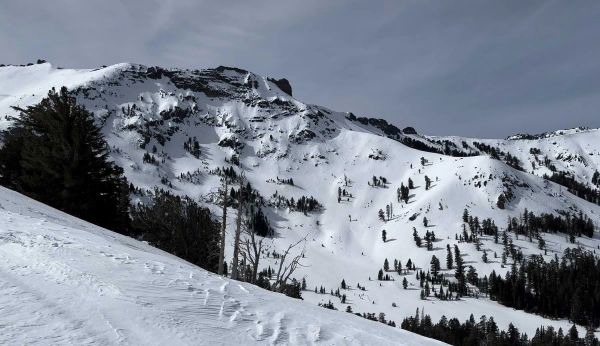
A warm weather system moving through the western United States has accelerated what was already shaping up to be a difficult season for smaller ski operations. More than 40 resorts across eight states have either closed early or failed to open at all this winter, with below-average snowpacks leaving little buffer against the current heat wave.

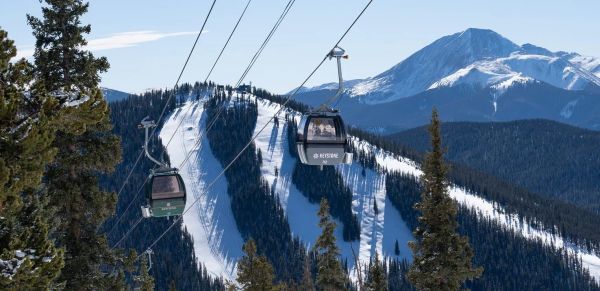
The closures paint a stark picture of climate vulnerability in the North American ski industry, particularly for smaller operations without snowmaking infrastructure or the elevation to hold snow through warm periods. While major destination resorts in Colorado and Utah are largely continuing operations, the casualty list reads like a directory of community hills and regional mountains that form the backbone of local skiing across the West.
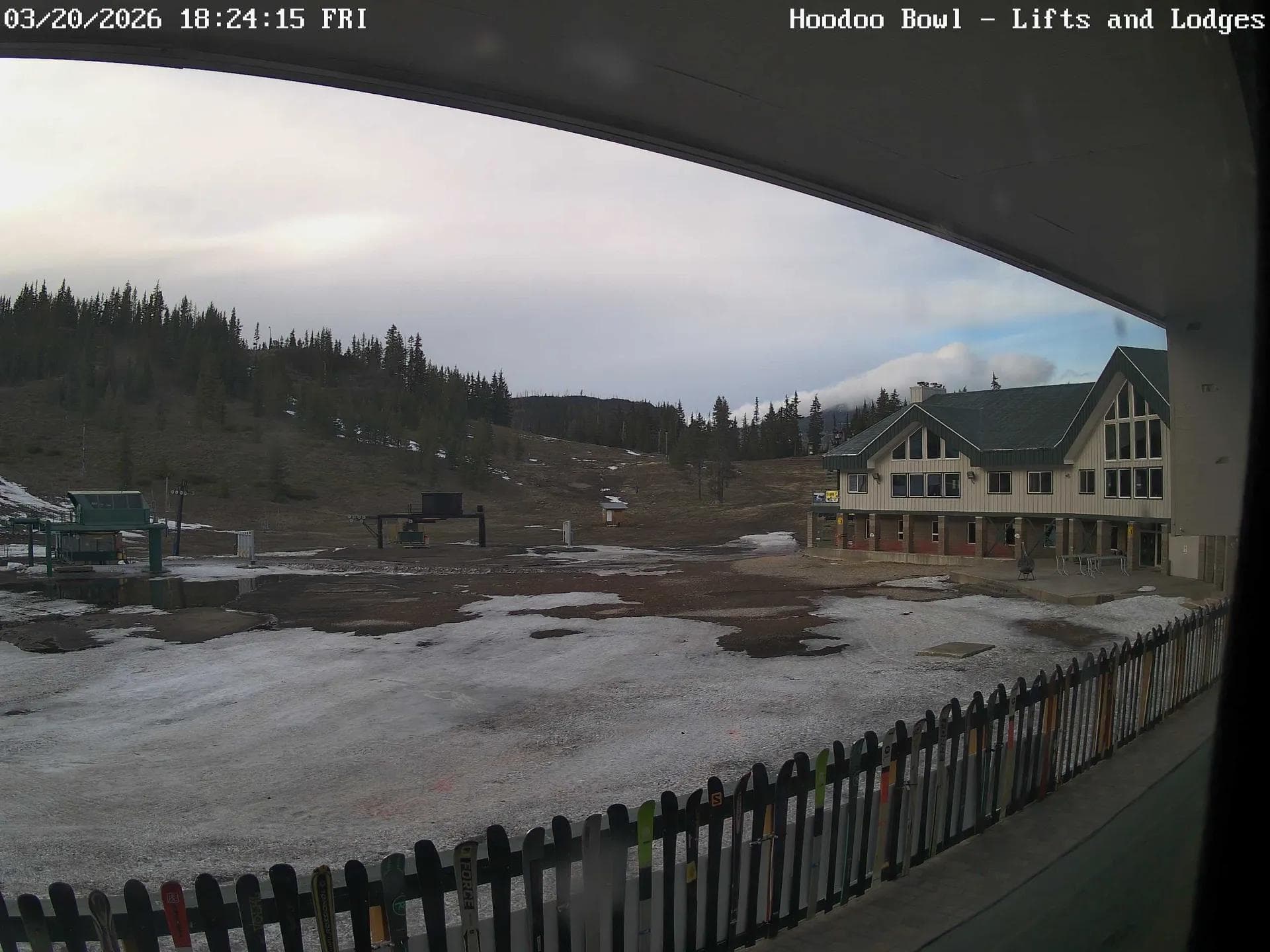
The webcam view at Hoodoo paints a sad picture.

The Full List of Closures

The situation is most severe in Idaho and California, with eight closures in each state. Idaho has been particularly hard hit, with Magic Mountain, Bald Mountain, and Blizzard Mountain never opening, whilst Pebble Creek, Soldier Mountain, Little Ski Hill, Rotarun and Cottonwood Butte all threw in the towel after limited operations.

California's roster of early closures includes Sierra-at-Tahoe (closing March 22nd), Homewood (closed Tuesday), and several smaller operations like Badger Pass, Dodge Ridge, and Mt. Shasta Ski Park that wrapped up weeks ago. Mt. Baldy is in limbo, hoping for natural snow to reopen.

Oregon presents an equally grim picture, with Cooper Spur never opening and Mt. Ashland closing on February 28th. Hoodoo and Willamette Pass want to reopen but need fresh snow - a situation that highlights the desperation facing resorts watching their revenue window slam shut.
Community Hills Bearing the Brunt

Colorado's closures tell an interesting story. Whilst the state's major resorts continue operating, smaller community operations like Chapman Ski Hill, Kendall Mountain, Howelson Hill, and Cuchara have closed. Ski Cooper and Sunlight Mountain Resort are closing March 22nd. Lake City didn't operate at all this winter.

The pattern repeats across other states. Montana's Bridger Bowl is closing March 22nd, whilst Bear Paw Ski Bowl sat idle all season. New Mexico saw closures at Ski Apache, Pajarito, and Sandia Peak, with Ski Santa Fe ending operations March 22nd. Even Utah, generally more snow-reliable than its neighbours, lost Cherry Peak, Eagle Point, and Nordic Valley ahead of schedule.

What This Means for Operations

The financial implications for these resorts are severe. Most ski operations generate the majority of their annual revenue during a 12-16 week window. Losing even a few weeks at season's end can mean the difference between profitability and operating in the red, particularly for smaller hills running on tight margins.

Several resorts are hedging their bets, announcing they "want to reopen" if snow arrives - Hoodoo, Willamette Pass, and Mt. Baldy among them. It's a sensible PR approach that keeps the door open without committing to operations that might not be viable. Whether any meaningful snow arrives in time remains to be seen.

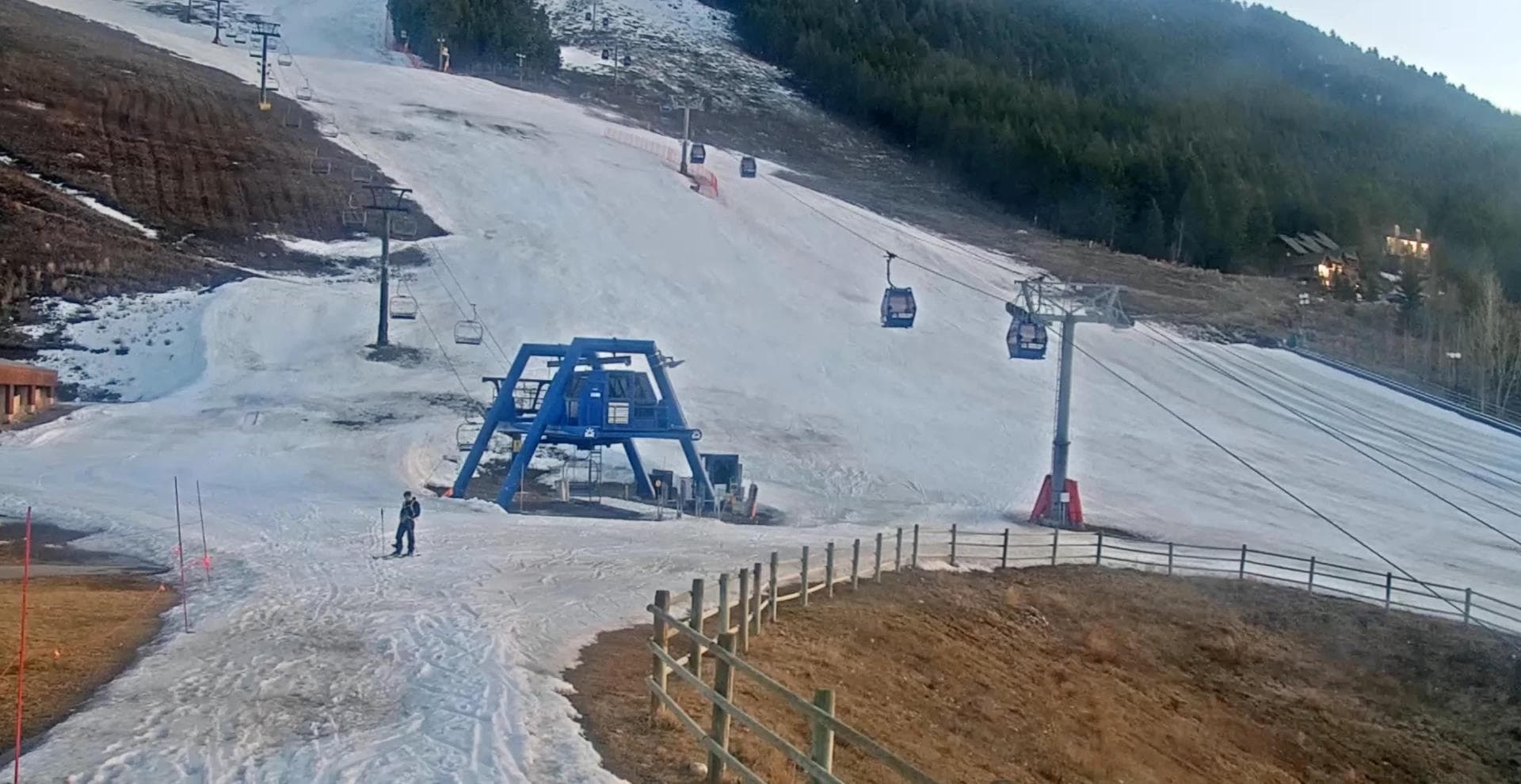
Snow King Mountain Resort is running on extremely thin cover.

This wave of closures underscores the structural vulnerability of North American skiing's second tier. Whilst the mega-resorts with their sophisticated snowmaking systems and high-elevation terrain can weather poor seasons, community hills and regional mountains lack that insurance policy.

The industry will undoubtedly frame this as an anomaly, but the frequency of these "anomalous" seasons seems to be increasing. Small operations without deep-pocketed corporate owners will continue to be the canary in the coal mine for whatever's coming next in terms of snow reliability. Whether this season represents a one-off disaster or the new normal is a question that makes resort operators and season pass holders equally uncomfortable.