Freerider Found Dead in Avalanche Near Obertauern After Two-Day Search Involving 60 Rescuers
Published Date:
Categories
A 40-year-old skier has been found dead in avalanche debris near Obertauern, Austria, after a massive two-day search - and he wasn't carrying a transceiver.
The Slovakian freerider was reported missing on the afternoon of Friday, April 3, after failing to return from a backcountry tour in the mountains above Obertauern - a popular ski destination in Austria's Salzburg region. The avalanche struck on a northeast-facing slope near Plattenspitze, in open, uncontrolled terrain beyond the resort's managed boundaries.
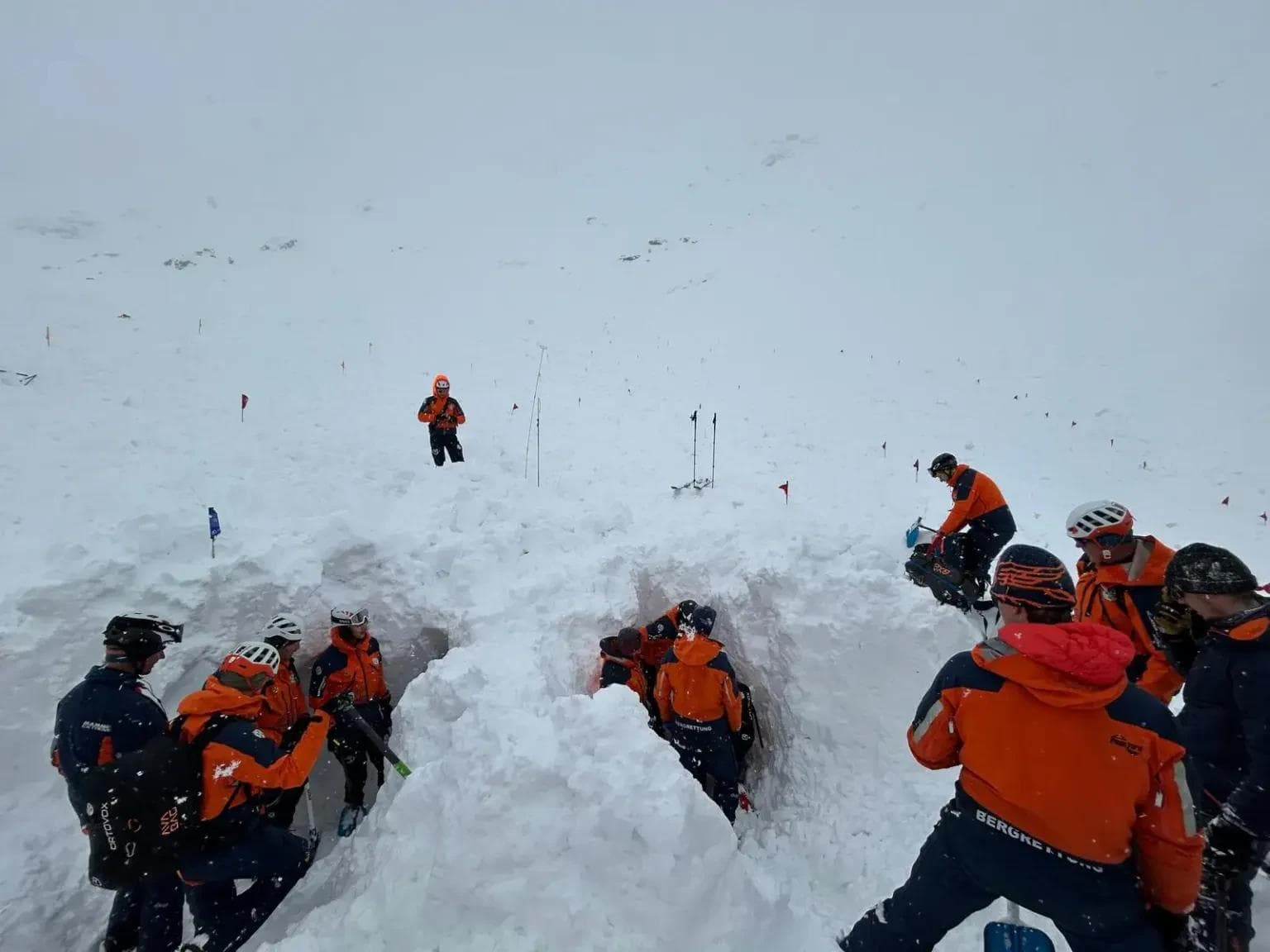
Around 60 mountain rescuers were ultimately deployed across the two-day operation before the skier was located buried approximately 2.5 metres deep in the avalanche debris.
The search operation
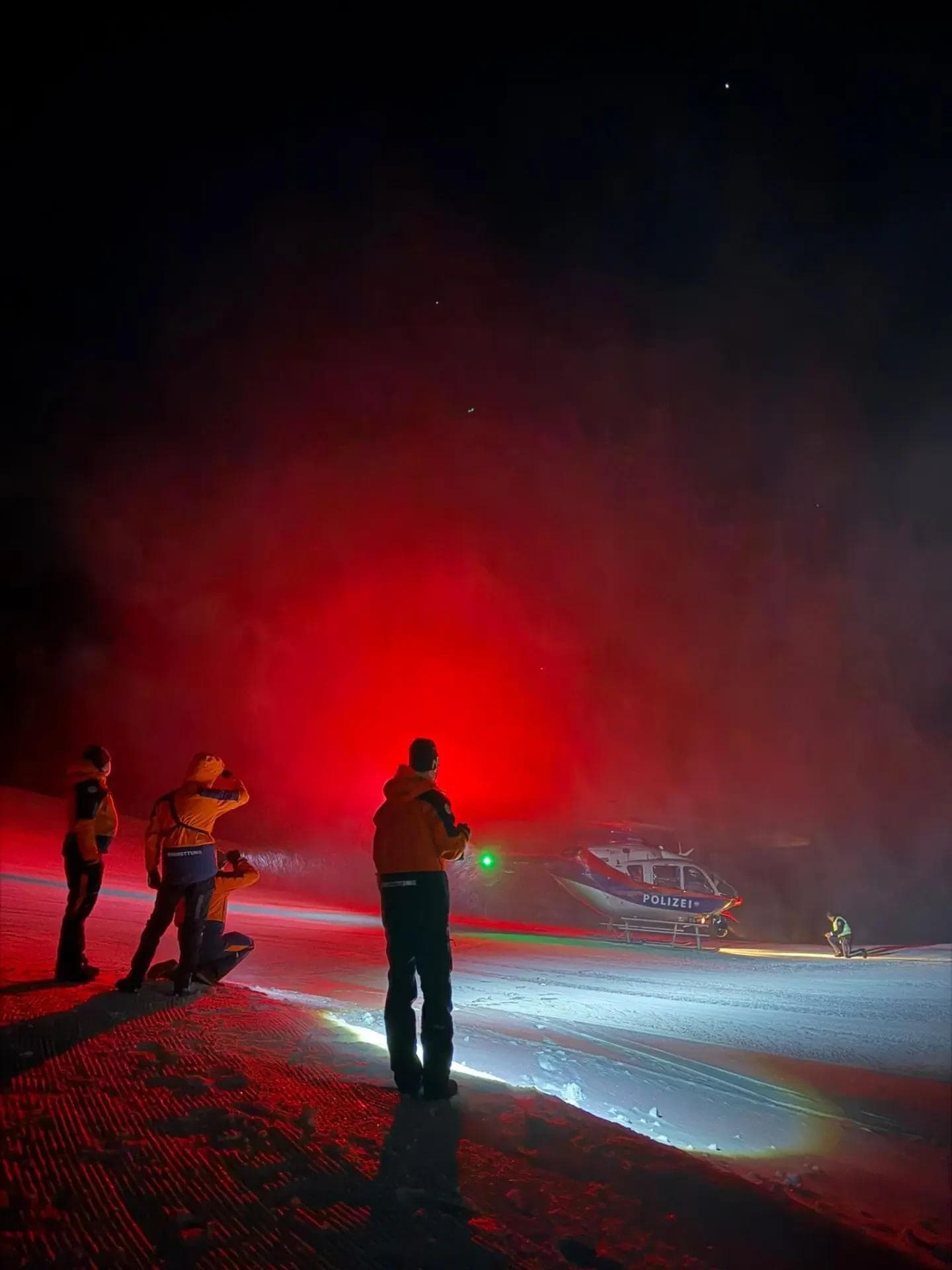
Search efforts began on Friday evening with 15 rescuers, police, and rescue helicopters equipped with night vision. Crews identified an avalanche path and could see a single set of tracks leading into the northeast slope - but none coming out. Strong winds prevented helicopters from landing, and the search was suspended just after midnight.
Operations resumed early Saturday morning with significantly expanded resources, drawing rescue teams from the Pongau and Lungau regions, avalanche dog units, Alpine police, and Red Cross support crews. At approximately 10:50 a.m., the skier was located using a RECCO detection system and avalanche probes. Rescue officials confirmed he had died at the scene.
The avalanche itself measured roughly 150 metres wide and 200 metres long.

Airbag deployed, but no transceiver
One detail stands out in this incident: the skier had deployed his avalanche airbag but was not carrying an avalanche transceiver. That's a significant gap in his safety setup.
An airbag is designed to help keep you near the surface during a slide, but it's not a guarantee - and when it doesn't work as intended, the transceiver is what gives rescuers the ability to find you quickly. Without one, search teams are relying on RECCO, probes, and dogs, all of which take considerably longer. In avalanche burial, time is everything. Survival rates drop sharply after the first 15 minutes, and at 2.5 metres deep, a fast companion rescue with a transceiver was the only realistic chance of a different outcome.
The full backcountry safety kit - transceiver, probe, and shovel - exists as a system. Carrying one piece without the others undermines the whole point.
Avalanche danger Level 2 is not Level 0
The avalanche was triggered under Level 2 ("moderate") danger on the European avalanche scale. This is worth pausing on, because Level 2 catches people out regularly. It sounds low, and compared to Level 4 or 5 it is - but "moderate" doesn't mean safe. A significant proportion of fatal avalanche accidents across the Alps occur at Level 2, particularly on specific aspects and terrain features where localised instability persists.
For anyone venturing off-piste in the Alps, the danger rating is a starting point for decision-making, not a green light.

Obertauern and its backcountry access
Obertauern sits between roughly 1,630 and 2,300 metres elevation and is one of Austria's most snow-reliable ski areas. It's known for consistent snowfall, high alpine terrain, and - relevant here - easy access to backcountry routes directly from lift-served areas. That accessibility is part of the appeal, but it also means the line between controlled resort skiing and unmanaged alpine terrain can blur quickly.
The slopes around Plattenspitze, where this avalanche occurred, are steep, exposed, and receive no avalanche mitigation. They require full backcountry preparedness.
Austria's grim season continues
This death brings Austria's avalanche fatality count for the 2024-25 season to 31 - more than double the 10-year average of 15.1 deaths per year. Across Europe, the toll has now exceeded 140 deaths for the season, making it the second-highest figure in the past two decades.
It's been a brutal year. The combination of heavy snowfall creating deep instability, variable conditions, and what appears to be a persistent gap between the terrain people are accessing and the preparation they're bringing to it has driven fatality numbers well beyond normal ranges. Every one of these incidents reinforces the same lesson: the gear only works if you carry all of it, and the conditions demand respect regardless of what the danger rating says.