News category
Latest in Avalanche

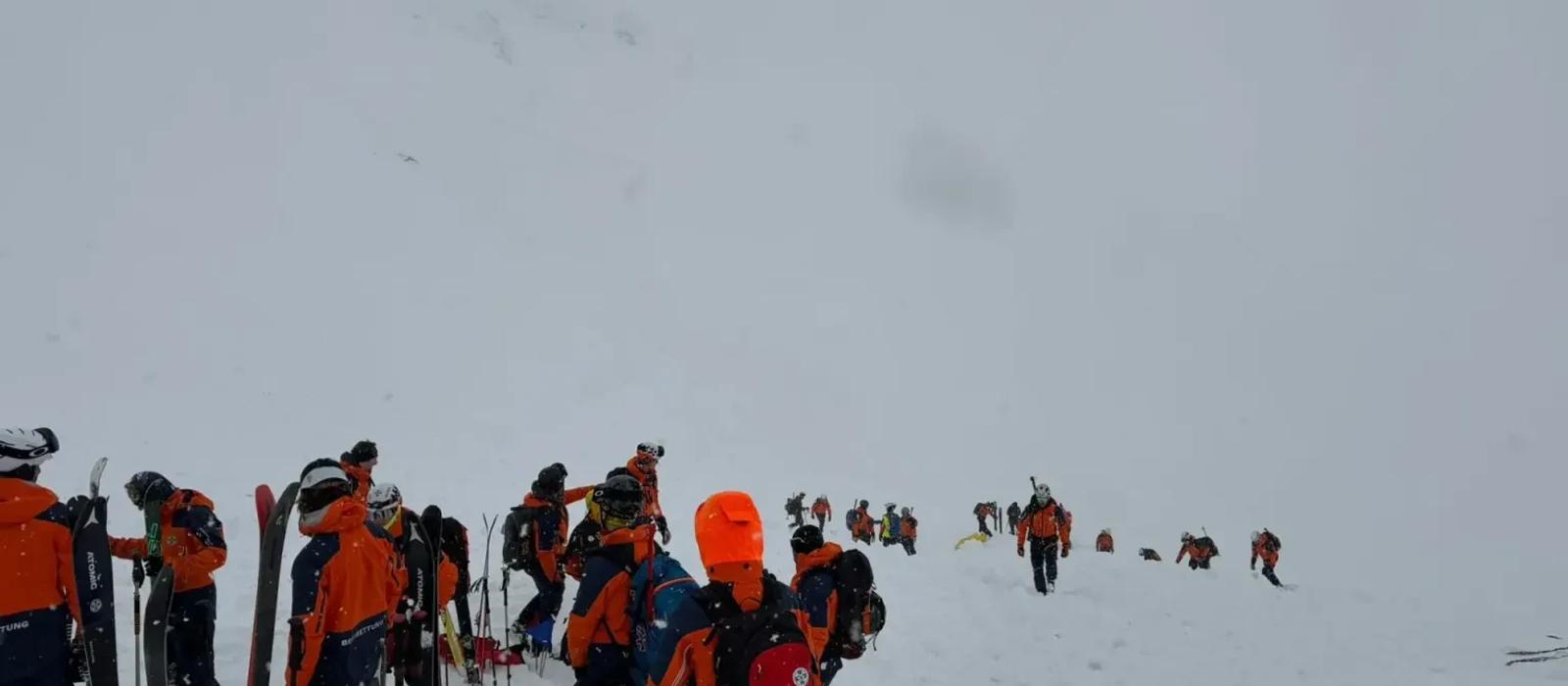
Freerider Found Dead in Avalanche Near Obertauern After Two-Day Search Involving 60 Rescuers
A 40-year-old Slovakian freerider has been found dead after being buried in an avalanche near Plattenspitze, above the Austrian ski resort of Obertauern. Around 60 mountain rescuers were involved in the two-day search before the skier was located roughly 2.5 metres deep using RECCO detection. He had deployed his avalanche airbag but was not carrying a transceiver. Austria's avalanche death toll this season now sits at 31 - more than double the 10-year average.
Michael Fulton

Snowboarder Killed in Kühtai Avalanche After Group Enters Variant Terrain Without Emergency Gear
A 49-year-old German snowboarder has died after being completely buried in an avalanche at Kühtai ski resort in Austria's Tyrol region. The group of three entered off-piste terrain without carrying any avalanche emergency equipment. One was partially buried and survived; the third escaped unharmed. A large-scale rescue operation involving mountain rescue, fire brigades, helicopters and police recovered the victim - but not until hours after the slide.
Michael Fulton

American Skier Seriously Injured in Stubai Alps Avalanche, Austria
Two American backcountry skiers were caught in an avalanche in the Stubai Alps near Neustift im Stubaital, Austria, on April 3. One skier sustained a serious shoulder injury after being swept 200 metres down a steep couloir. Rescue teams airlifted both skiers from the scene.
Michael Fulton

Italian Tourist Dies After Avalanche Buries Him on Off-Piste Run in Austria
Federico Giubilato, 41, was skiing off-piste in Marchkopf, Austria when an 820-foot-wide avalanche buried him under 5.2 feet of snow. Rescue crews reached him within 30 minutes, but it was too late. His death is one of more than 60 avalanche fatalities across Europe this season.
Michael Fulton

Two Skiers Killed in Val Ridanna Avalanche as 25 Tourers Caught on Same Slope
An avalanche at Val Ridanna in South Tyrol, Italy, struck a group of 25 ski tourers on Saturday morning, killing two and seriously injuring three others. Despite a moderate danger rating of Level 2, wind-packed snow and persistent weak layers proved deadly on the Hohe Ferse peak.
Michael Fulton

Europe's 2025–26 Avalanche Season: 119 Deaths and Why the Mountains Are More Dangerous Than They Look
Europe's 2025–26 avalanche season has become one of the deadliest in modern history, with 119 confirmed deaths before the end of February and the season still far from over. A buried weak layer formed in December, combined with successive storms dumping metres of snow on top of it, has created conditions that aren't visible from the surface. Here's a full breakdown of what happened, why, and what it means if you're planning a trip to the Alps.
Michael Fulton

Castle Peak Avalanche: California's Deadliest Slide Kills Nine Backcountry Skiers Near Lake Tahoe
On the morning of February 17, 2026, nine people lost their lives when an avalanche swept through a group of fifteen backcountry skiers near Castle Peak in the Sierra Nevada. It is the deadliest avalanche in California's recorded history — and the full picture of what happened that morning raises serious questions about decision-making, risk assessment, and the weight of avalanche warnings.
Michael Fulton

10 Skiers Missing After Avalanche Near Castle Peak, Lake Tahoe
A group of 16 skiers was caught in a large avalanche near Castle Peak in Northern California on Tuesday morning, leaving 10 people unaccounted for as emergency crews mounted a major rescue operation. The incident occurred amid an active avalanche warning and severe storm conditions across the Sierra Nevada.
Michael Fulton
Latest News
More from the SnowStash desk
Alps Snow Forecast: Up to 64 cm Headed for the High Glaciers as the Snow Line Drops
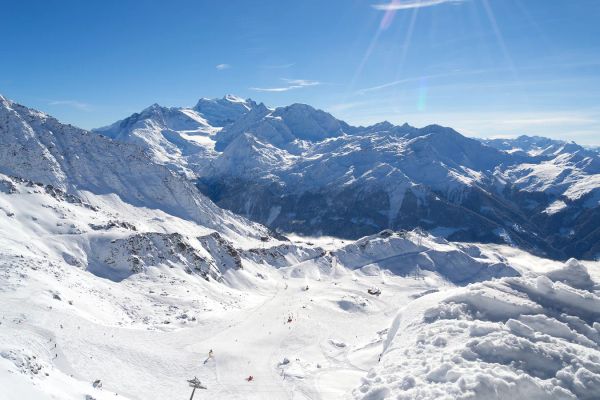
The Alps are about to swap mild, sunny October weather for something far more wintry. A cold front arrives Tuesday, and SnowStash forecasts have Monterosa Ski out in front with 64 cm over 14 days, ahead of Blatten Belalp (55 cm) and Verbier (43 cm). The snow line should fall below 2000 metres by Wednesday night, and glaciers across Switzerland, Italy and Austria are in line for the best of it. The wind will have a say too.
20 Oct 2026
Four Dead After Avalanche Near Ski Portillo in Chile
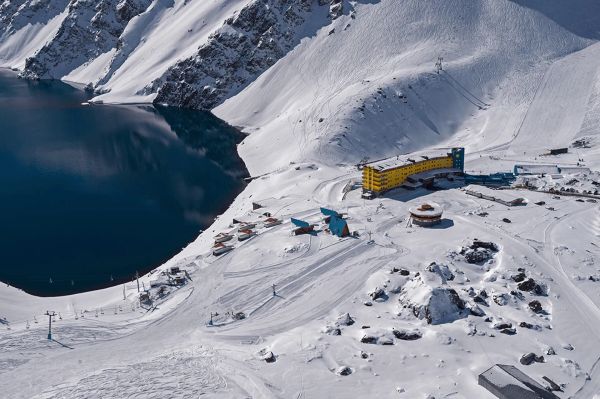
A large avalanche struck near Laguna del Inca adjacent to Ski Portillo on Saturday afternoon, killing four people and injuring four others. The group were day visitors mountaineering in the backcountry after reportedly being warned about elevated avalanche risk by resort staff.
18 Oct 2026
Europe Ski Resorts Open Now: What Is Skiable in Mid-October 2026
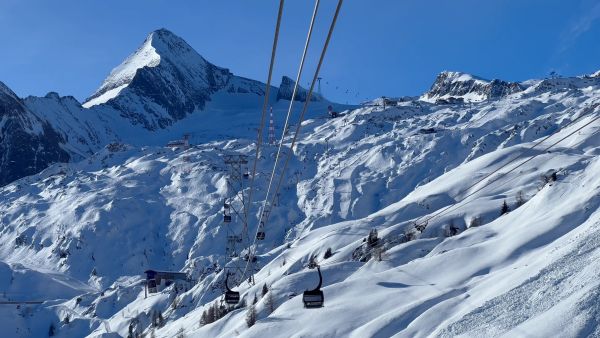
Europe’s ski season is open, technically. After a record-warm summer, glaciers in Austria, Switzerland and Italy are running a few pistes apiece, Sölden, Stubai and Kitzsteinhorn started late, Titlis has pushed back to 24 October, and Zermatt reopens a few lifts on 14 October after more than two months shut. Finland’s Levi and Ruka are skiing on stored snow. Here is what is open, and what you actually get at each.
14 Oct 2026
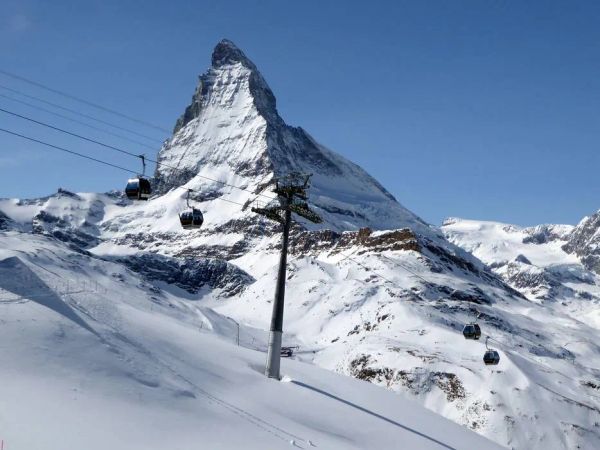
Zermatt Plans World Cup Downhill Return on the Gornergrat for 2028
Zermatt is having another crack at a World Cup downhill, and this time nobody has to cross a border. Around 13 million Swiss francs is going into rebuilding the Gornergrat piste, including a jump fed by a roughly 300-metre in-run across the roof of the Gornergrat Railway gallery, with the Matterhorn lined up behind it for the TV cameras. First men’s race is pencilled in for March 2028, pending FIS homologation.
14 Oct 2026
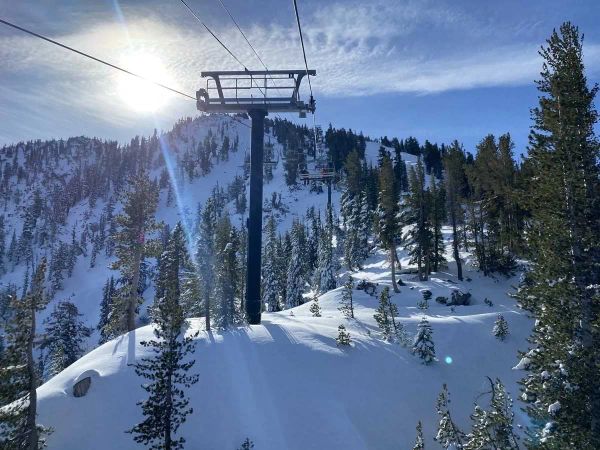
Mt. Rose Begins Snowmaking for the 2026-27 Season at Lake Tahoe
Lake Tahoe’s highest base elevation is paying off early: Mt. Rose has started making snow for 2026-27 after the first flurries and a cold snap. The Nevada resort is backing it with nearly US$2 million in upgrades, including a replacement snowmaking main line, a new PistenBully groomer and restraint bars on every lift. Opening day is yet to be confirmed, though Heavenly and Northstar are already eyeing 20 November.
13 Oct 2026

Utah Ski Resorts 2026-27: What’s New at Alta, Deer Valley, Powder Mountain and More
Utah is still building flat out. For 2026-27, Powder Mountain opens a steep new Skytrac chair into more than 1,000 acres of advanced terrain, Deer Valley adds 200 acres on Hail Peak, Sundance gets a new quad and Park City adds a gondola from its new parking structure. Snowmaking is expanding almost everywhere, Eagle Point stays closed after the Cottonwood Fire, and the 2034 Games are setting the pace. Here’s what’s new, resort by resort.
13 Oct 2026
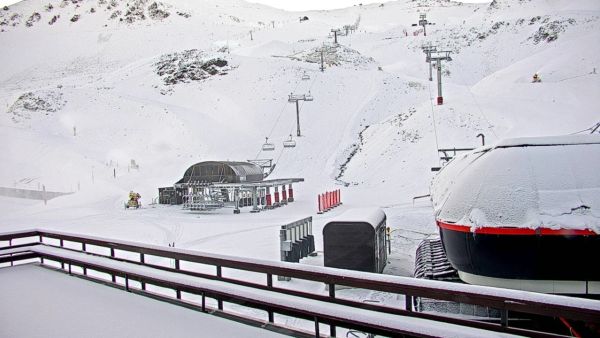
Mt Hutt Invests NZ$12 Million in Base Area, Tripling Its Sun Deck
Mt Hutt is getting busier, and its base lodge is about to catch up. NZ$12 million goes into a heated sun deck roughly three times the current size (430 m² to 1,300 m²), plus a new toilet block, heated steps down to snow level, extra storage and a new food and beverage outlet. Building starts after the 2026 season, with everything due for winter 2027.
11 Oct 2026

Vermont Ski Resort Opening Dates 2026-27: Few Dates Set, Killington Waits on the Cold
Vermont's season is slow to take shape. Stratton is tentatively targeting 18 November and Sugarbush 21 November, while Pico has Friday 11 December on the calendar. Killington never sets a date and opens when the snowmaking allows, and Vail Resorts has yet to name days for Stowe, Okemo and Mount Snow. The forecasts disagree about snow, and the main El Niño worry for the Green Mountains is warmth.
9 Oct 2026