Breckenridge Marks 40 Years Since Opening Doors to Snowboarding
Published Date:
Categories
Breckenridge hosts retrospective competition four decades after becoming Colorado's first major resort to permit snowboarding
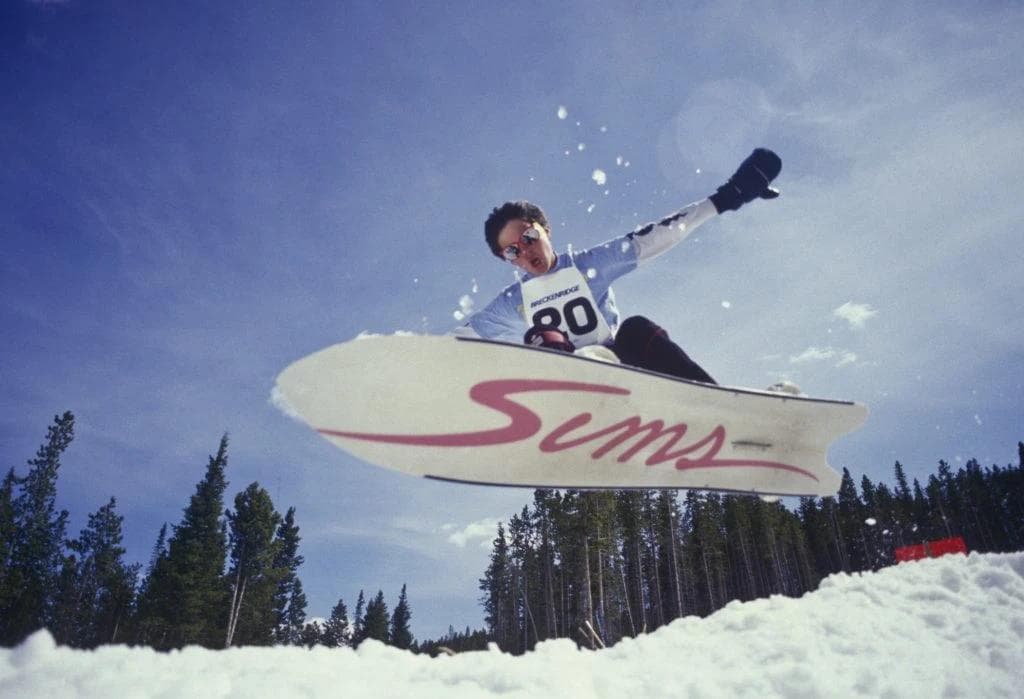
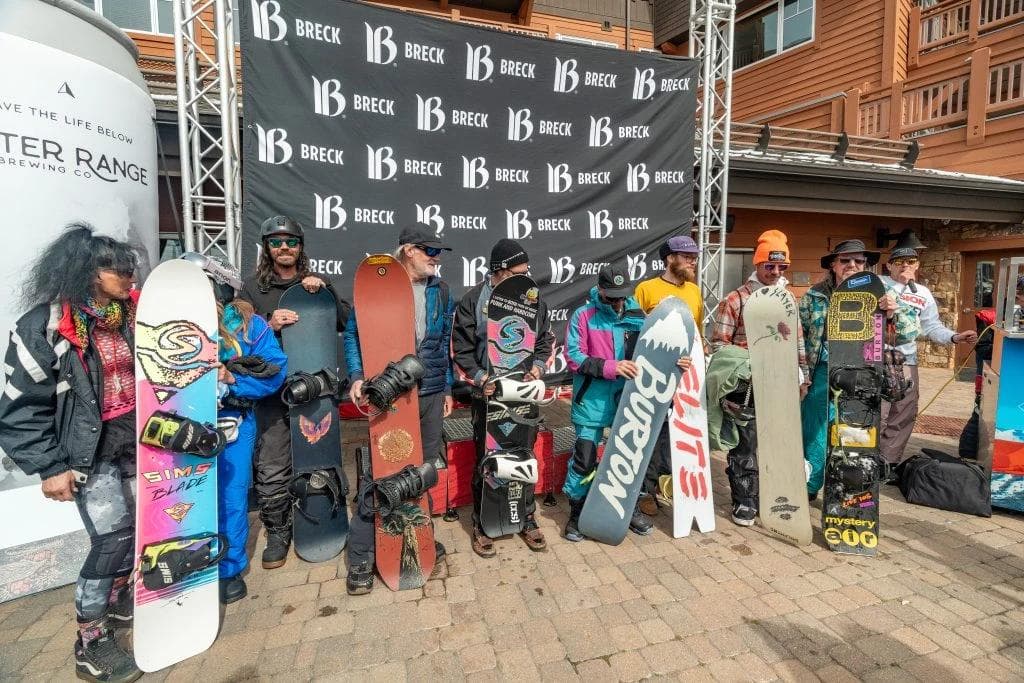
Breckenridge staged the 'New Worlds' competition this past weekend, marking 40 years since the Colorado resort lifted its snowboard ban in 1984. Nearly 100 competitors participated in the event, which included riders from the original 1986 World Championships alongside current athletes. Judges awarded bonus points for vintage equipment and period-correct clothing from the 1980s.
Early Adoption Amid Industry Resistance
In 1984, most major North American resorts prohibited snowboarding due to liability concerns and opposition from ski patrols and instructors. Breckenridge's decision to reverse its ban placed it at the forefront of what would eventually become mainstream acceptance across the industry. The resort followed up by hosting the first snowboard World Cup in 1985 and the World Snowboarding Championships in March 1986, events that featured riders like Shaun Palmer competing in hand-dug halfpipes on Peak 9.
Whether this early adoption was visionary risk-taking or simply recognising an emerging market segment is debatable. Either way, it proved commercially astute. Snowboarding grew from a fringe activity to an Olympic sport within 14 years, with its debut at Nagano in 1998.
Competition Results and Format
Elizabeth Niotis won the women's category, ahead of Christine Sperber in second. Laurie Asperas, who competed in the 1986 championships, finished third. Chase Blackwell took first in the men's competition, with Rakai Tait and Solomon Arthur placing second and third respectively.
The scoring system's inclusion of bonus points for vintage equipment and clothing represents a curious blend of athletic competition and costume party. While it certainly makes for good photographs and marketing content, one wonders whether awarding points for authenticity in attire adds anything meaningful to athletic performance evaluation. Then again, most snowboard competitions have always contained a degree of style judging alongside technical execution.
Context Within Broader Programming
Breckenridge recently hosted the inaugural Rockstar Energy Open, positioning itself as a destination for competitive snowboarding events. The resort's investment in these competitions serves dual purposes: maintaining cultural relevance within snowboarding's competitive community whilst generating content and media attention during a period when many North American resorts face inconsistent snowfall and shortened seasons.

What the Anniversary Actually Signifies
Forty years represents a reasonable milestone for retrospective events, though the emphasis on Breckenridge's pioneering role should be viewed through a commercial lens. The resort made a calculated business decision in 1984 that happened to align with cultural and technological shifts already underway in winter sports.
The 'New Worlds' competition functioned primarily as a marketing exercise, wrapping current programming in historical significance. There's nothing inherently wrong with this approach, and bringing back competitors from 1986 adds genuine historical connection. However, claims about the resort being a 'sanctuary' for snowboarding or positioning itself as the 'launchpad' for Olympic athletes warrant scepticism. Multiple resorts can make similar historical claims about supporting snowboarding's development.
For anyone interested in snowboard history, the event offered authentic connections to the sport's evolution. For everyone else visiting Breckenridge, it was simply another weekend of skiing and riding with some additional entertainment on offer. The resort's terrain and facilities matter far more to most visitors than its role in 1980s snowboarding politics, however genuinely interesting that history might be.