Colorado Ski Resorts Close Early as Poor Season Takes Its Toll
Published Date:
Early closures sweep Colorado as poor season forces resorts to cut losses
Colorado's ski season is limping to an early finish, with resorts across the state shutting their lifts weeks ahead of schedule after a winter marked by below-average snowfall and unseasonably warm temperatures. Twelve resorts have already closed, and several major operators have announced early finish dates as deteriorating snow conditions make continued operations unviable.
The wave of closures highlights the precarious economics of running a ski resort when nature doesn't cooperate. While Australian skiers are used to the occasional shortened season, the scale of early closures across Colorado - typically one of North America's most reliable winter destinations - is worth noting for anyone planning future northern hemisphere trips.
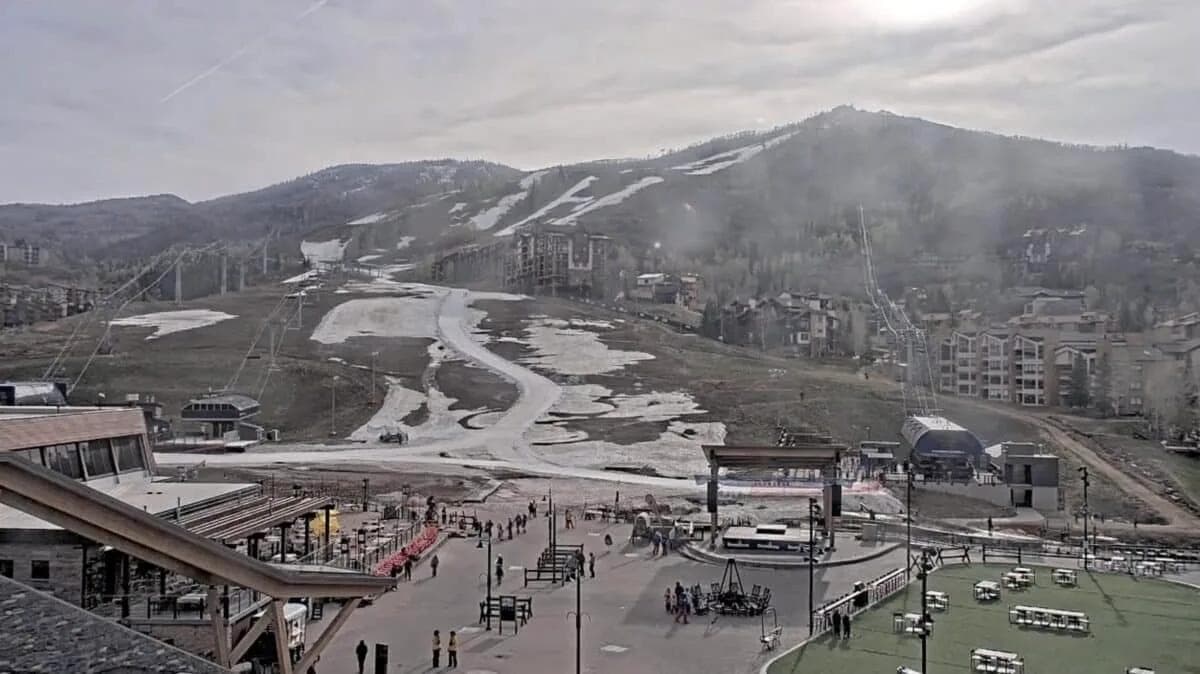
Steamboat Closing Week Plans
The damage sheet
The casualty list includes a mix of smaller independent operations and terrain operated by major resort groups. Aspen Highlands, Beaver Creek, and Buttermilk have already pulled the pin, along with smaller operators like Cuchara Mountain Park, Granby Ranch, and Howelsen Hill. Monarch, Powderhorn, Purgatory, Ski Cooper, and Sunlight have also shut for the season.
Winter Park's Mary Jane terrain has closed separately from the main resort - a telling sign when operators start shutting specific areas to concentrate operations and snow maintenance resources elsewhere.
#### The stragglers

Telluride is closing after 31 March, though they're leaving the door open for a potential final weekend if conditions improve. Don't hold your breath.
Crested Butte, Keystone, and Steamboat are all finishing on 5 April - weeks earlier than their typical late-April closing dates. Aspen Snowmass and Eldora are pushing through to 19 April, making them the last resorts standing in what's turned into a war of attrition.
What's driving the closures
Snowpack levels sitting well below average combined with warmer than normal temperatures create a perfect storm for resort operators. Poor snow coverage increases maintenance costs while reducing skiable terrain. Warm weather accelerates what snow exists into slush, making it harder to maintain quality surfaces even with extensive grooming.
At some point, the maths stops working. Staff costs, lift operations, and snowmaking expenses don't justify running a resort when half your terrain is bare patches and the other half is spring slush by 10am. The smaller independent operators tend to pull the trigger earlier, lacking the financial buffers of the corporate resort groups.

The real test comes in how these resorts handle season pass holders. The major resort groups like Vail Resorts and Alterra (Epic and Ikon passes respectively) typically don't offer refunds or credits for shortened seasons - pass holders assume the weather risk. That's fine when you're getting 150-plus operating days, less so when resorts are shutting in early April.
Anyone booking Colorado trips for late season should recalibrate expectations. What used to be reliable spring skiing territory is increasingly becoming a gamble. That doesn't mean avoiding Colorado entirely, but it does mean booking earlier in the season and building flexibility into your plans. The resorts closing in early April this year could just as easily be dealing with the same conditions in March next year.
It's also worth noting what this means for resort employment. Early closures mean seasonal workers lose weeks of expected income, which flows through to local communities dependent on ski tourism. The marketing departments can spin these closures however they like, but shortened seasons have real financial consequences beyond disappointed skiers.