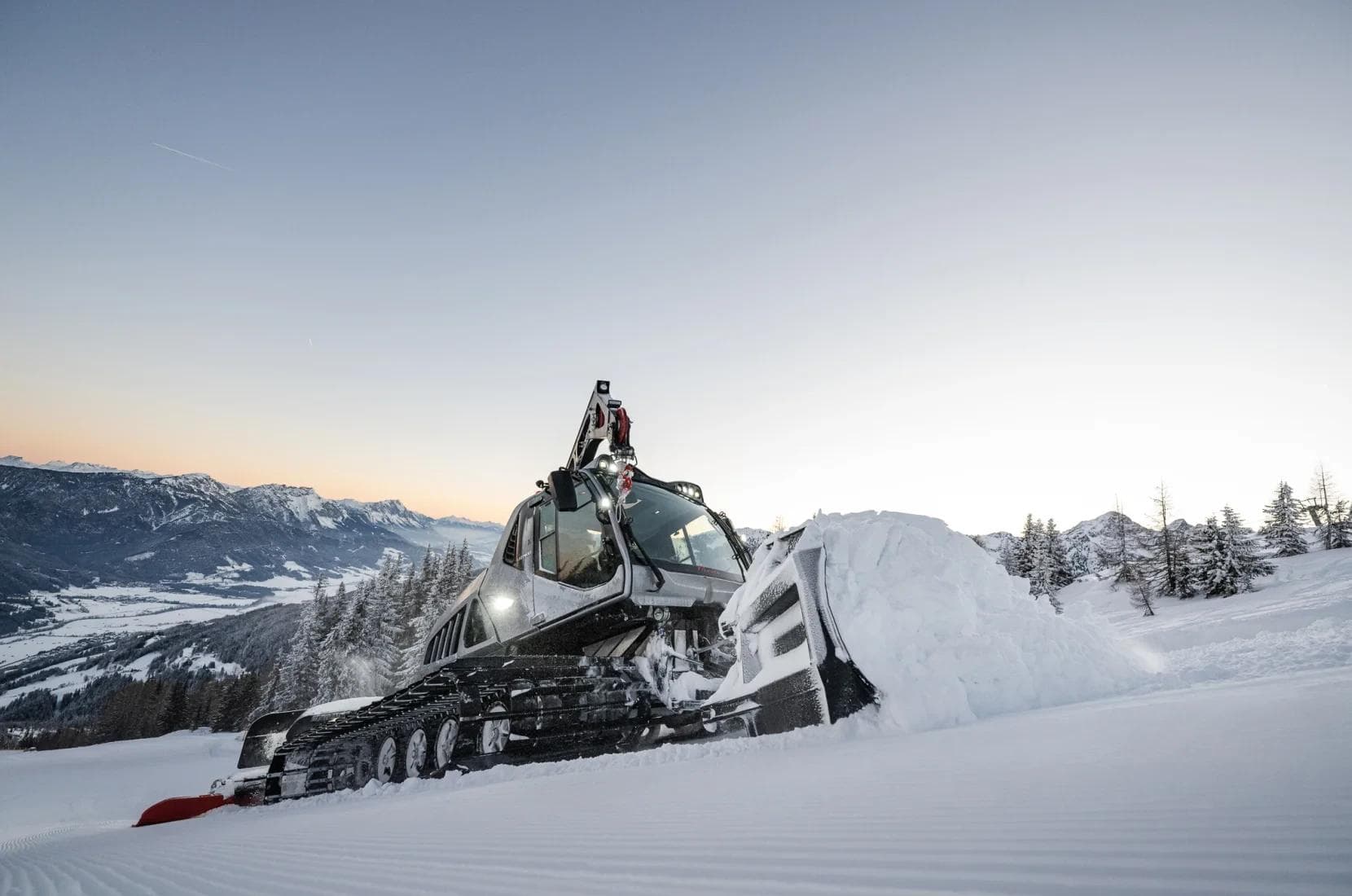
Prinoth Launches Fully Electric Snow Groomer for Large-Scale Operations
Published Date:
Categories
Prinoth Claims Performance Gains in First Large-Format Electric Groomer
Prinoth has launched what it describes as the first fully electric snow groomer in the large-segment category. The Leitwolf E-Motion reportedly matches the familiar platform of its diesel predecessor whilst adding zero-emission operation and - according to the manufacturer - superior performance metrics. Whether this represents a genuine operational improvement or optimistic engineering projections remains to be seen once resort operators put these machines through full winter seasons.
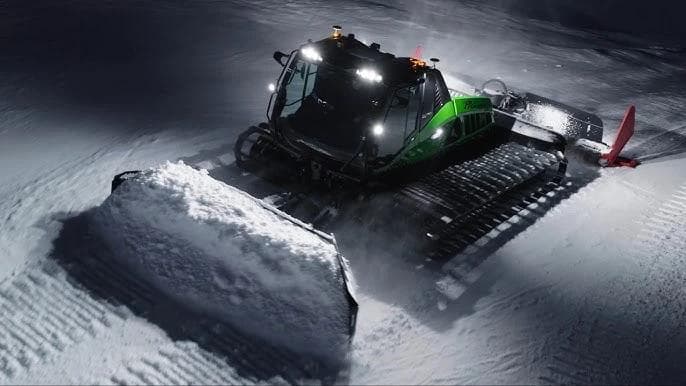
The groomer features a 4.5-metre working width, which Prinoth positions as market-leading in its segment. That's relevant for resorts trying to cover large terrain efficiently, though the practical advantage depends on snow conditions and terrain characteristics that vary considerably between operations.
Bidirectional Charging and Off-Season Use
The more interesting technical feature is bidirectional charging capability. In theory, this allows the groomer to function as a mobile battery bank, feeding stored energy back into resort electrical infrastructure when not actively grooming. Prinoth suggests this enables year-round utility beyond winter operations.
The concept has merit - resorts with multiple electric groomers could potentially use them for load balancing or backup power. The economics depend entirely on local electricity rates, infrastructure costs, and whether resorts actually have summer uses that justify keeping expensive machinery idle as stationary batteries. It's a clever engineering feature that may or may not translate into real operational value.

Operating Cost Claims
Prinoth states the electric drivetrain delivers "significantly lower" operating and maintenance costs compared to diesel variants. Electric motors certainly have fewer moving parts and eliminate fuel costs, but the calculation isn't straightforward.
Battery replacement costs over the vehicle's lifetime aren't mentioned. Neither is the capital expenditure for charging infrastructure, which many mountain operations would need to install or upgrade. The "lower total cost of ownership" claim probably holds true for some operations whilst being questionable for others, depending on electricity costs, fleet size, and existing infrastructure.
Performance Specifications
The manufacturer claims performance exceeding the standard diesel Leitwolf. Electric motors do provide immediate torque, which theoretically improves responsiveness on steep terrain and in variable snow conditions. The question is battery capacity under sustained load at altitude in cold temperatures - factors that notably reduce range in electric vehicles.
Prinoth built the E-Motion on its existing Leitwolf platform, meaning operators familiar with the diesel version can transition without extensive retraining. That's a practical consideration that shouldn't be dismissed - grooming is skilled work, and equipment familiarity matters for consistent results.

What This Means for Resort Operations
The Leitwolf E-Motion represents a credible entry into electric grooming at scale, but adoption will likely be gradual and selective. Resorts facing regulatory pressure to reduce emissions - particularly in European markets with stricter environmental requirements - have the most immediate incentive to consider electric fleets.
The economic case is less clear-cut. Whilst running costs may decrease, the upfront capital expenditure for both machines and charging infrastructure represents a substantial investment. Smaller operations or those with marginal snow reliability would struggle to justify the outlay.
The bidirectional charging feature is genuinely innovative, though its practical value depends on factors well outside Prinoth's control - local electricity markets, regulatory frameworks for grid services, and whether resorts have the technical expertise to manage battery storage systems.
What's missing from Prinoth's announcement is real-world operational data. Claims about performance and cost savings need validation through multiple seasons across different conditions. Early adopters will essentially be field-testing whether electric grooming works at scale in demanding mountain environments. The technology is promising, but calling it proven would be premature.