TL;DR
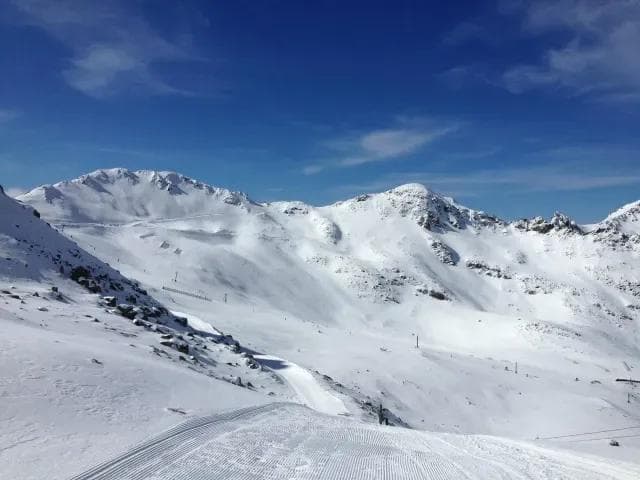
New Zealand's Rainbow Ski Area is scaling back to weekend operations with volunteer support after receiving just 29 cm of natural snow in 2025. The club field recorded a total season loss following unprecedented low snowfall in Nelson Lakes National Park.
Rainbow Ski Area Scales Back After Recording 29cm Season Total
Rainbow Ski Area will operate primarily on weekends from 2026, supported by volunteers after what committee chair Ian Goldschmidt described as a "disappointing" 2025 season. The South Island club field received just 29 centimetres of natural snow between May 1 and season's end, forcing a complete closure for the year.
The shift to weekend-only operations represents a significant retreat for the Nelson Lakes National Park ski area, though Goldschmidt maintains the field's financial position remains sound. The move appears designed to cut losses while waiting for more reliable snow years to return.
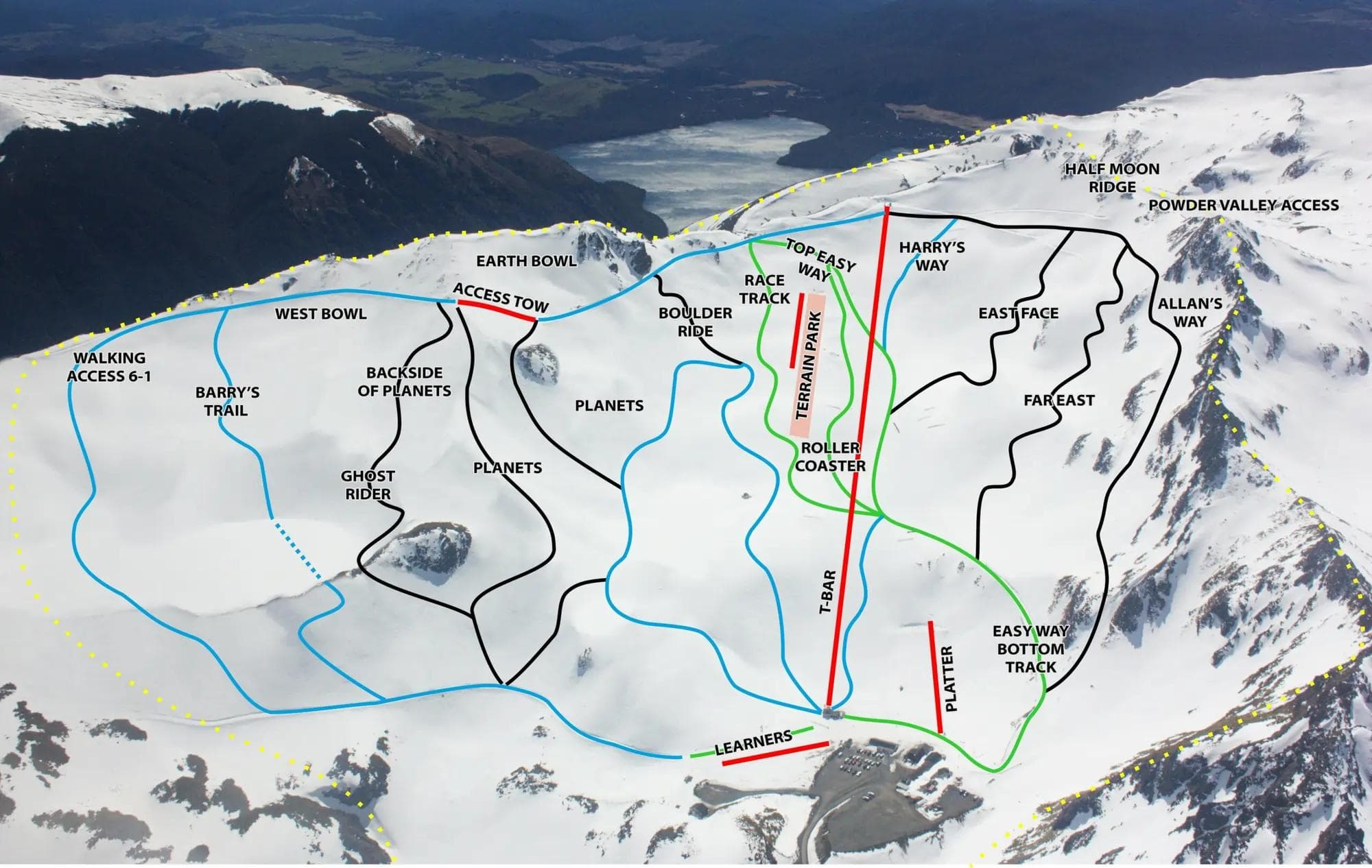
Volunteer Model Replaces Weekday Staffing
The new operating structure relies on a small paid staff core supplemented by unpaid professional club members. Goldschmidt told The Press the field may attempt midweek openings "on good snow days" if sufficient volunteers are available, though this sounds optimistic given the coordination challenges inherent in volunteer-dependent operations.
As part of the restructure, Rainbow is positioning itself more explicitly as a club operation. New membership benefits include discounts and access to on-mountain accommodation. The field is also introducing a volunteer-for-skiing programme where members can work in exchange for lift access.Public access continues, including for Chill Pass holders, though formal ski lessons have been suspended. Goldschmidt emphasised that safety remains the priority whilst acknowledging the limitations of volunteer operations.