
Resort Spotlight: Mt Hutt - Canterbury's Wind-Blasted Answer to Reliable Southern Hemisphere Skiing
Published Date:

Melbourne-based skier and snowboarder with 50+ resorts across 5 continents. Specialises in Australian resorts and international resort comparisons.
Categories
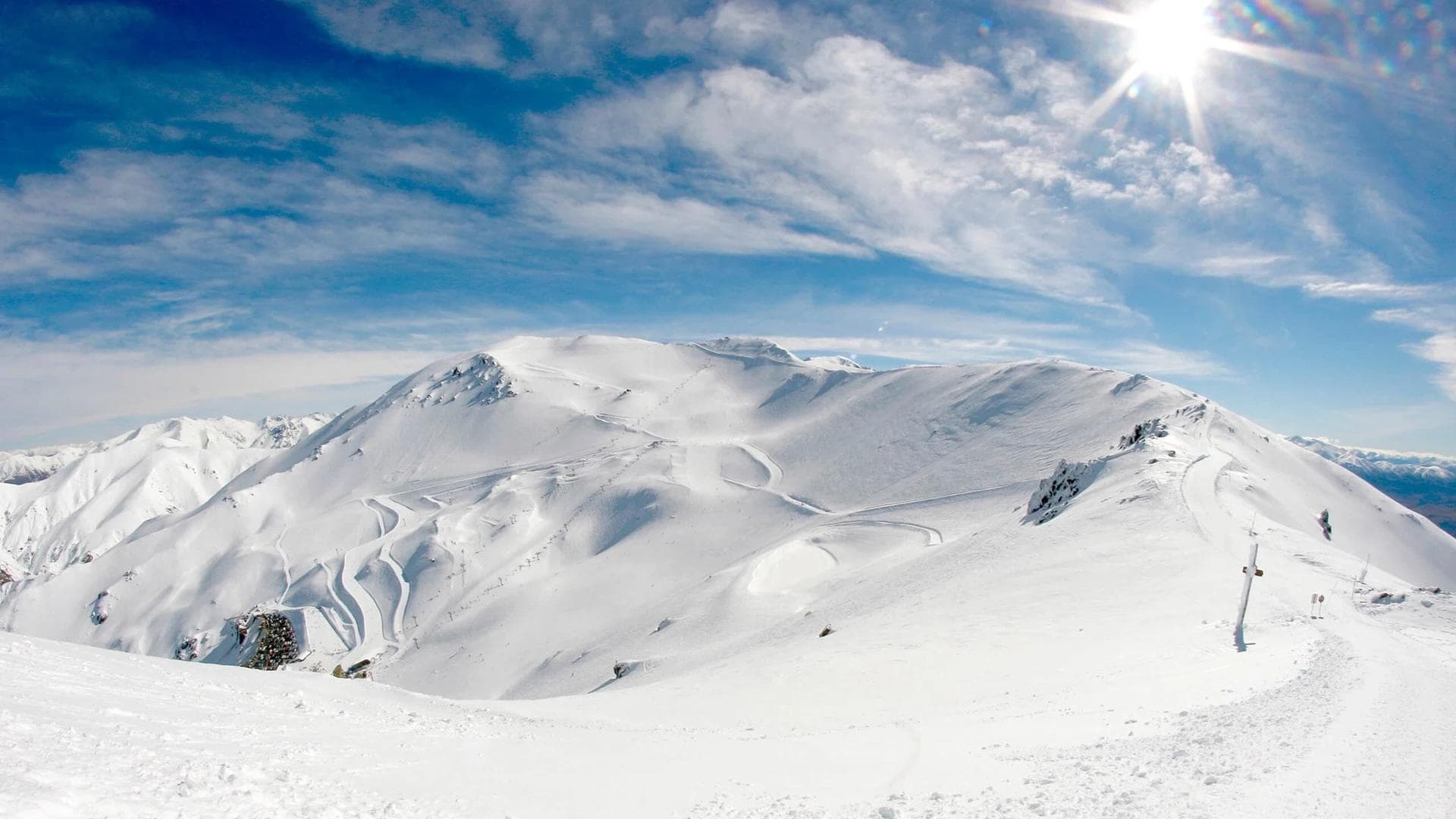
Mt Hutt makes no apologies for what it is: a wind-scoured, altitude-dependent ski field that prioritises snowpack reliability over Instagram-friendly village charm. At 1,403 metres base elevation - the highest in the Southern Hemisphere - this Canterbury operation sits 90 minutes from Christchurch on an exposed ridgeline that catches every weather system crossing the Tasman Sea. The trade-off for that exposure is consistent snow preservation through spring when lower-altitude resorts turn to slush.
The mountain's reputation as New Zealand's most wind-affected ski area is well-earned, with lift closures common during frontal passages. But when conditions align, the terrain variety and snow quality justify the drive.
Mt Hutt Mountain Overview
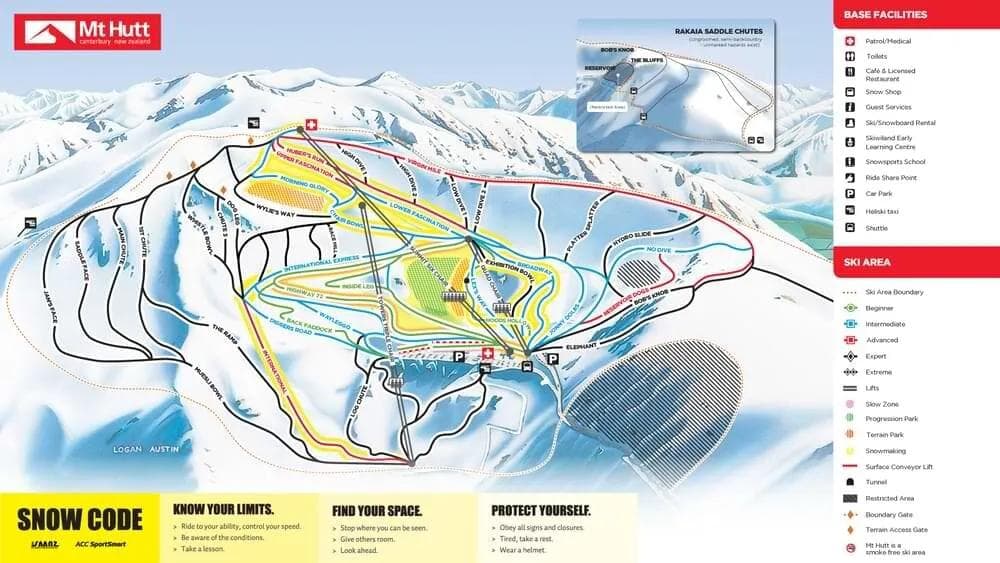
The resort spreads across 365 hectares with 683 metres of vertical drop - modest by international standards but substantial for New Zealand. Five lifts service 26 named runs split evenly across the ability spectrum: 25% beginner, 50% intermediate, 25% advanced. No runs are officially graded expert, though off-piste terrain between marked runs and the wind-loaded south faces provide adequate challenge for strong skiers.
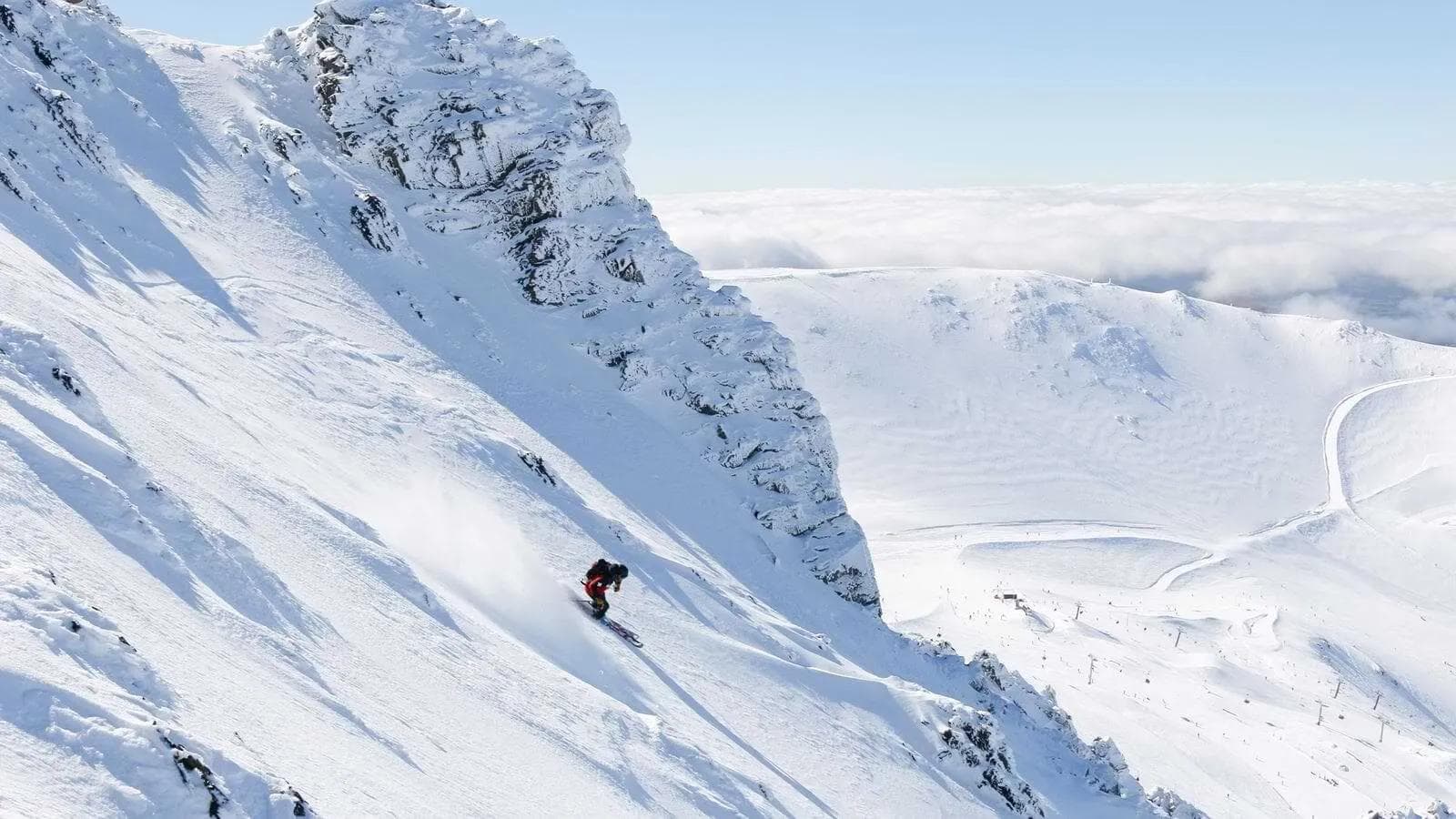
The terrain falls into three distinct zones. The learner area around the base lodge offers wide, gentle slopes protected from wind. Mid-mountain intermediate runs follow consistent fall lines with good pitch variation. The summit chair accesses exposed advanced terrain where wind-affected snow quality becomes immediately apparent - either pristine wind-deposited powder or wind-scoured ice depending on recent weather.
Average annual snowfall of 2.6 metres sounds underwhelming until you factor in altitude-driven preservation. While coastal resorts like Coronet Peak struggle with rain at base elevations, Mt Hutt's high base keeps precipitation frozen through most of the season. The mountain reports 91cm season total currently with 2cm in the past week - typical mid-season accumulation for this snowpack profile.
Who is Mt Hutt Best For
This resort rewards skiers who prioritise snow quality and terrain challenge over resort amenities. Strong intermediates and advanced skiers will extract the most value, particularly those comfortable reading weather forecasts and adjusting plans around wind holds. The exposed nature and frequent weather closures make this a poor choice for inflexible itineraries or families requiring guaranteed operating hours.
Christchurch-based locals form the core clientele - the 90-minute drive allows flexible scheduling around weather windows. International visitors using Christchurch as a base will find Mt Hutt the most reliable option within day-trip distance, but should maintain backup plans for wind-closure days. The absence of slopeside accommodation means all visitors commute, eliminating any advantage for multi-day stays versus single-day missions.
Beginners can learn here, though the wind exposure and limited base area make this less ideal than purpose-built learner resorts. The 25% beginner terrain is adequate but not exceptional.
Mt Hutt Snow & Season
The season runs mid-June through early October - approximately four months that align with New Zealand's standard operating window. Opening date reliability is strong thanks to altitude, though weather-driven closures within season are more frequent than lower resorts. Late-season skiing through September holds better here than elsewhere in Canterbury, with elevation preventing the spring melt that ends seasons at lower altitudes.
Snow quality varies dramatically with wind exposure. Sheltered runs and protected aspects can hold excellent snow for days after storms, while exposed ridgelines and summit terrain turn wind-scoured within hours. The 2.6-metre average snowfall is deceptive - what matters is the altitude-driven preservation of whatever falls. Rain at base elevation is rare, giving Mt Hutt a consistency advantage despite modest snowfall totals.
Morning conditions typically offer the best snow before wind picks up through afternoon. Plan arrival for first chair if weather looks marginal.
Getting to Mt Hutt
The mountain sits 90 minutes from Christchurch via sealed road through Methven township. The final access road climbs 1,000 vertical metres over 16 kilometres of exposed switchbacks - driveable in standard vehicles during clear conditions but requiring chains during snow. Commercial shuttle services operate from Christchurch and Methven, eliminating vehicle chain requirements.
Christchurch serves as the logical base, with morning departure around 6:30am allowing first-chair arrival. Methven township, 35 minutes from the mountain, offers closer accommodation but limited dining and amenity options. No slopeside lodging exists, making every visit a commuting exercise regardless of where you stay.
The exposed access road closes during extreme wind or snow, occasionally stranding vehicles at the base or preventing uphill access entirely. Check road conditions before departure.
Mt Hutt Lift Tickets
Adult day tickets run NZD$109 regular rate, climbing to NZD$159 during peak periods - school holidays and major weekends. Child tickets at NZD$65 and senior tickets at NZD$80 offer standard discounts. Multi-day passes reduce per-day costs for committed visitors, though the wind-closure risk makes single-day tickets more flexible.
The pricing sits mid-range for New Zealand ski areas. Compare value against operating hours - a full day at Mt Hutt with stable weather offers better value than a partial day at a premium resort, but a wind-shortened day eliminates the pricing advantage.
The Verdict on Mt Hutt
Mt Hutt delivers what altitude-dependent ski areas always deliver: consistent snow preservation traded for weather exposure and operational uncertainty. Strong skiers chasing reliable snow conditions will find value here, particularly late season when lower resorts turn marginal. But the wind-closure frequency and commuting requirement make this a specialist choice rather than a default option. Full resort details, webcams, and trail maps are on the Snowstash resort page.
Full resort details, live webcams, and trail maps for Mt Hutt on Snowstash →