
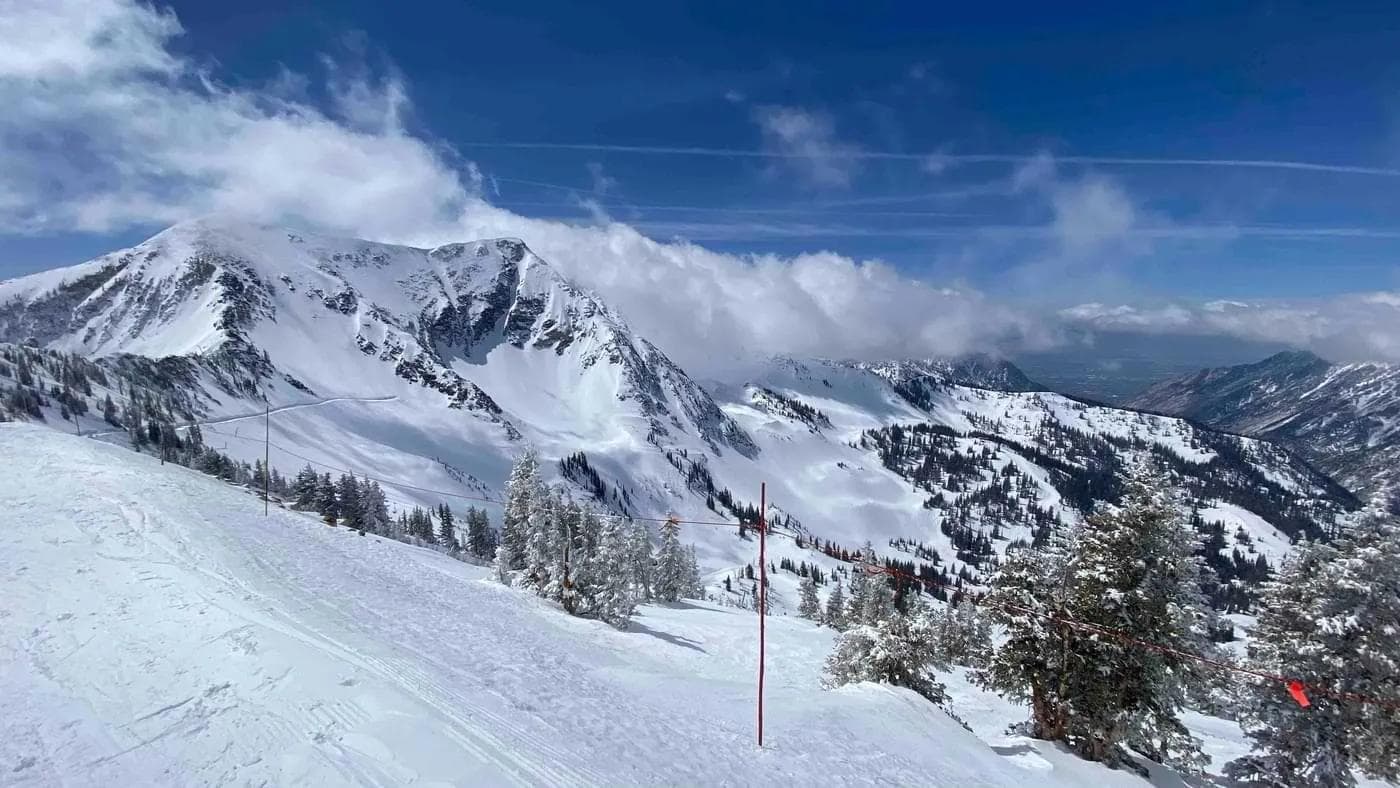
Resort Spotlight: Snowbird - Where Expert Terrain Meets 500 Inches of Annual Snowfall
Published Date:

Melbourne-based skier and snowboarder with 50+ resorts across 5 continents. Specialises in Australian resorts and international resort comparisons.
Categories
Most resorts claiming expert credentials dedicate 15-20% of terrain to genuinely difficult skiing. Snowbird allocates 67% to advanced and expert runs. This isn't a family resort that happens to have a challenging bowl tucked away somewhere - it's fundamentally built for skiers and riders who find groomed blues tedious.
The combination of serious terrain and serious snowfall (averaging 12.7 metres annually) within an hour of Salt Lake City creates something unusual in North American skiing. You're not trading accessibility for challenge or powder for convenience. Whether that matters depends entirely on your skill level and what you actually want from a ski day.
Snowbird Mountain Overview
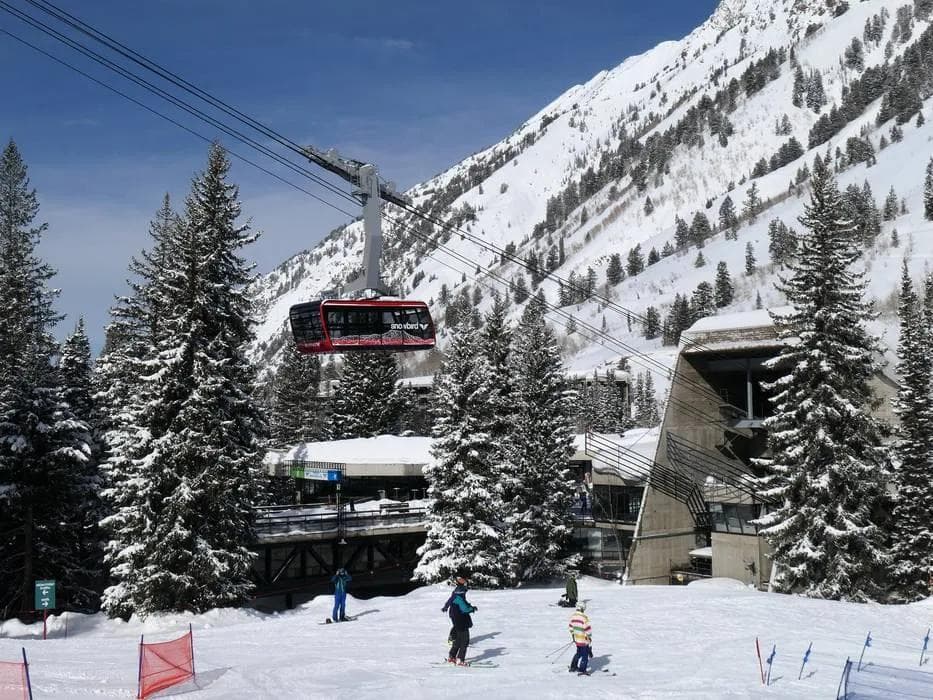
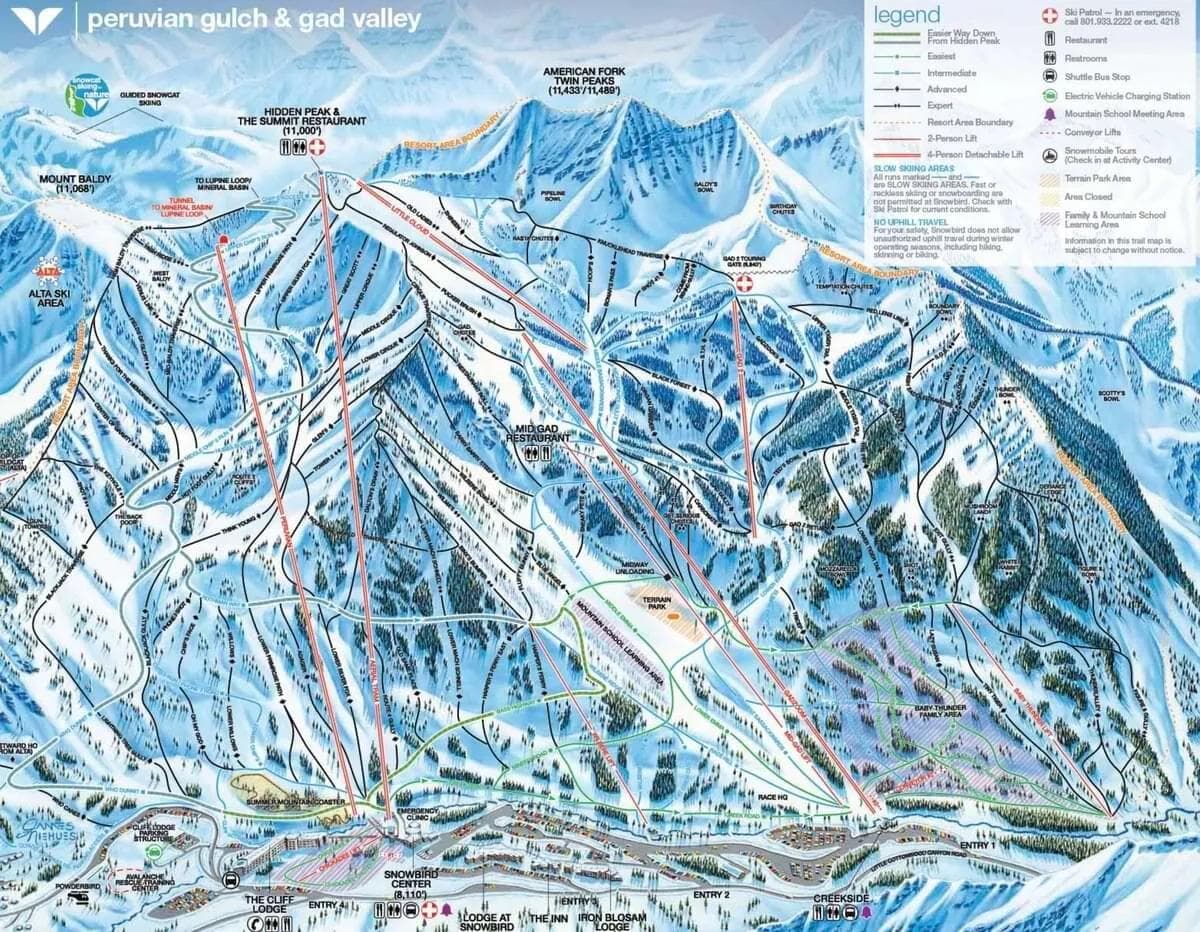
The 988-metre vertical drop spans from 2,365 metres at the base to 3,353 metres at Hidden Peak. Fourteen lifts serve 171 runs across varied alpine terrain. The iconic 125-passenger aerial tram climbs 914 metres in eight minutes, depositing riders at 3,353 metres with access to chutes, bowls, and couloirs that define Snowbird's character.
Terrain distribution tells the real story: 8% beginner, 25% intermediate, 43% advanced, 24% expert. If you're comfortable on black runs elsewhere, you'll find plenty to work with here. If you're still gaining confidence on blues, you'll spend most of your time on a small fraction of available terrain. The Mineral Basin area on the backside offers more forgiving advanced terrain with spectacular views, whilst the front side features steeper, more technical descents through cliff bands and tight tree skiing.
The resort spans 2,500 acres of lift-served terrain, though that figure expands significantly when you factor in hike-to zones and the terrain accessible from the tram. Snowbird's vertical relief and aspect variety mean you're often skiing different snow conditions within the same run - wind-loaded powder at the top, dense packed snow mid-mountain, and spring corn at the base.
Who is Snowbird Best For
Advanced and expert skiers who prioritise challenging terrain and deep snow over après-ski ambience. If you measure resort quality by the percentage of runs that genuinely test your ability, Snowbird delivers. The lack of substantial beginner terrain isn't an oversight - it's a feature that keeps crowds manageable on the serious runs.
Intermediate skiers will find limited terrain relative to the resort's size, though what exists is generally well-maintained and less crowded than you'd encounter at more balanced resorts. The real question is whether you want to pay full price for access to 25% of available terrain whilst everyone else explores the other 75%.
Snowbird's base village lacks the resort town atmosphere of Park City or the European-style pedestrian zones of Whistler. Accommodation is primarily ski-in/ski-out lodges and condos. If you want skiing and little else, this works. If you want varied dining, shopping, and nightlife, you'll find it limited. The Cliff Lodge dominates the base area with serviceable rooms and direct mountain access.
Snowbird Snow and Season
The 12.7-metre average annual snowfall arrives predominantly as light, dry powder thanks to 3,353-metre summit elevation and continental climate patterns. Current base depth sits at 244 centimetres with 135 centimetres in the past week - numbers that translate to genuinely good skiing rather than marketing optimism.
The season typically runs late November through late May, with spring skiing often exceptional. Early season can be variable - some years see deep coverage by December, others require patience until January. Late season is more reliable, with corn snow conditions and reduced crowds from April onwards. The long season matters if you value flexibility in timing trips or prefer spring conditions to mid-winter cold.
Weather systems moving off the Pacific drop moisture as they hit the Wasatch Range, creating the consistent powder cycles Utah is known for. Little Cottonwood Canyon's orientation and elevation mean Snowbird often receives snow whilst valleys stay clear, though the same topography occasionally makes road access challenging during heavy storms.
Getting to Snowbird
Salt Lake City International Airport sits 47 kilometres away - roughly 45 minutes in clear conditions. Little Cottonwood Canyon Road is the only access route, a fact that becomes relevant during powder days when traffic can extend that drive to two hours or more. The road is steep and avalanche-prone; authorities close it periodically during heavy snowfall.
Rental cars work if you're comfortable driving mountain roads in winter conditions. Canyon transport services and shuttles operate regularly from Salt Lake City and nearby towns. The UTA ski bus runs from several Salt Lake Valley locations, offering a cost-effective alternative that avoids parking issues at the resort.
No ski-in/ski-out village means you're either staying at the base lodges or driving up daily. The proximity to Salt Lake City makes day trips viable, though morning traffic can be frustrating during powder days when everyone has the same idea.
Snowbird Lift Tickets
Regular day tickets run $149 for adults, $139 for juniors, and $129 for children. Peak day pricing jumps to $229 for adults - a significant premium that applies during holidays and prime powder days. These prices position Snowbird at the higher end of North American resort pricing, justified by the snow reliability and terrain quality but notable nonetheless.
The Ikon Pass includes Snowbird, making it financially sensible for anyone planning multiple visits or combining with other Ikon resorts. Single-day pricing favours those with flexible schedules who can avoid peak dates. Early online purchase typically offers modest discounts over walk-up window prices.
The Verdict on Snowbird
If you ski or ride advanced terrain confidently and value snow quality over village amenities, Snowbird delivers precisely what it promises. The expert terrain density and snow reliability justify the premium pricing for the right skier. If you're still progressing through intermediate runs or prefer balanced resorts with varied terrain, the limited blue and green options make this a harder sell. Full resort details, webcams, and trail maps are on the Snowstash resort page.
Full resort details, live webcams, and trail maps for Snowbird on Snowstash →