TL;DR
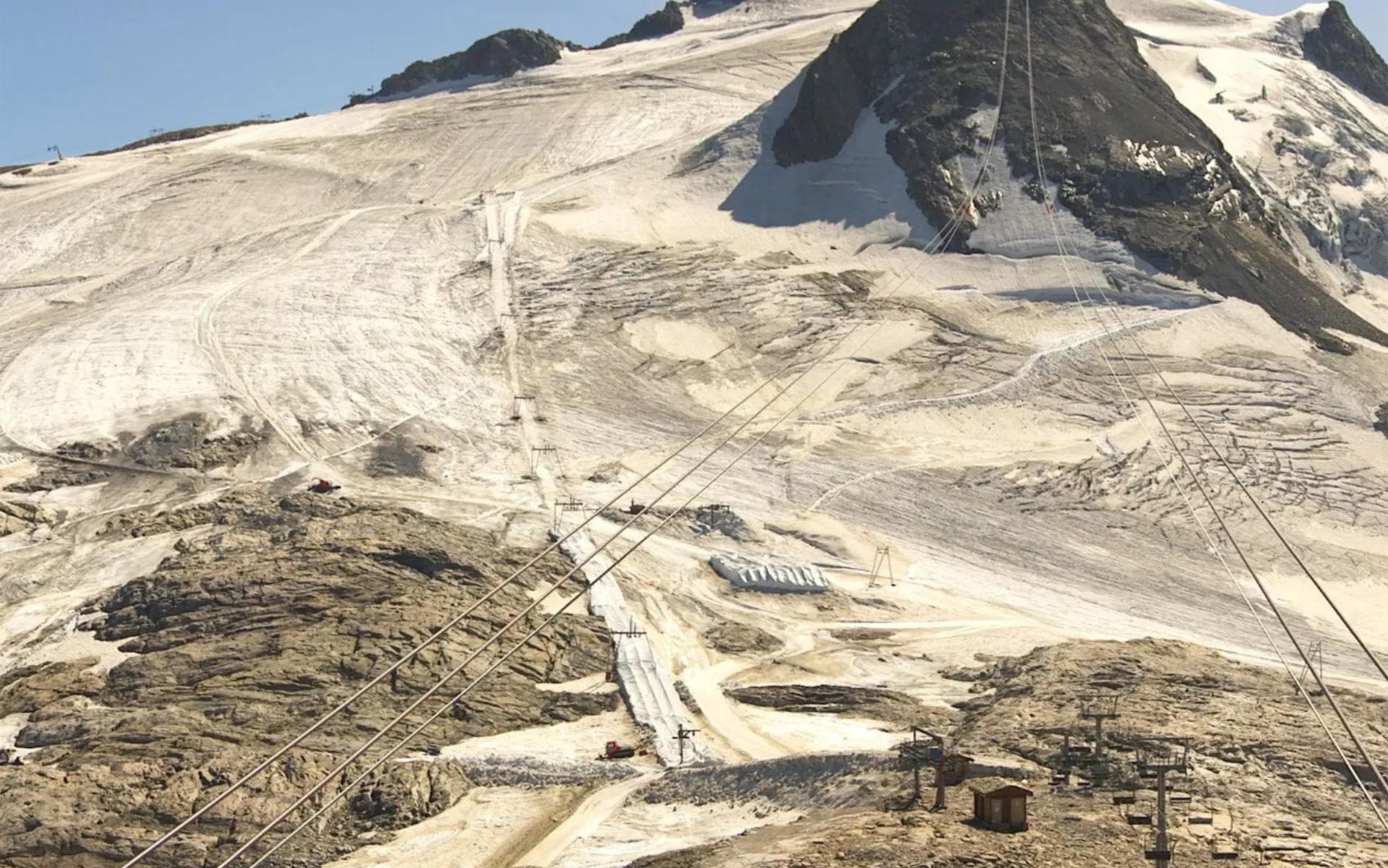
Tignes has long been known for summer skiing on the Grande Motte Glacier, more than 3,450 metres up in the French Alps, but resort officials now say that may not last another decade. Altta chairman Clement Colin told AFP the glacier is losing 2 to 4 metres of thickness a year and could be almost completely melted within ten years. The resort's summer season has already shrunk to a single month, ticket sales are down, and Tignes is now planning for life after glacier skiing.
Tignes says summer skiing on the Grande Motte Glacier may not last another decade
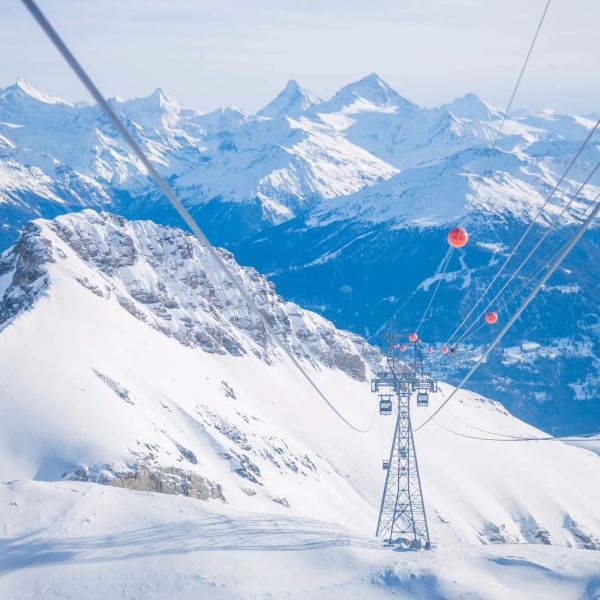
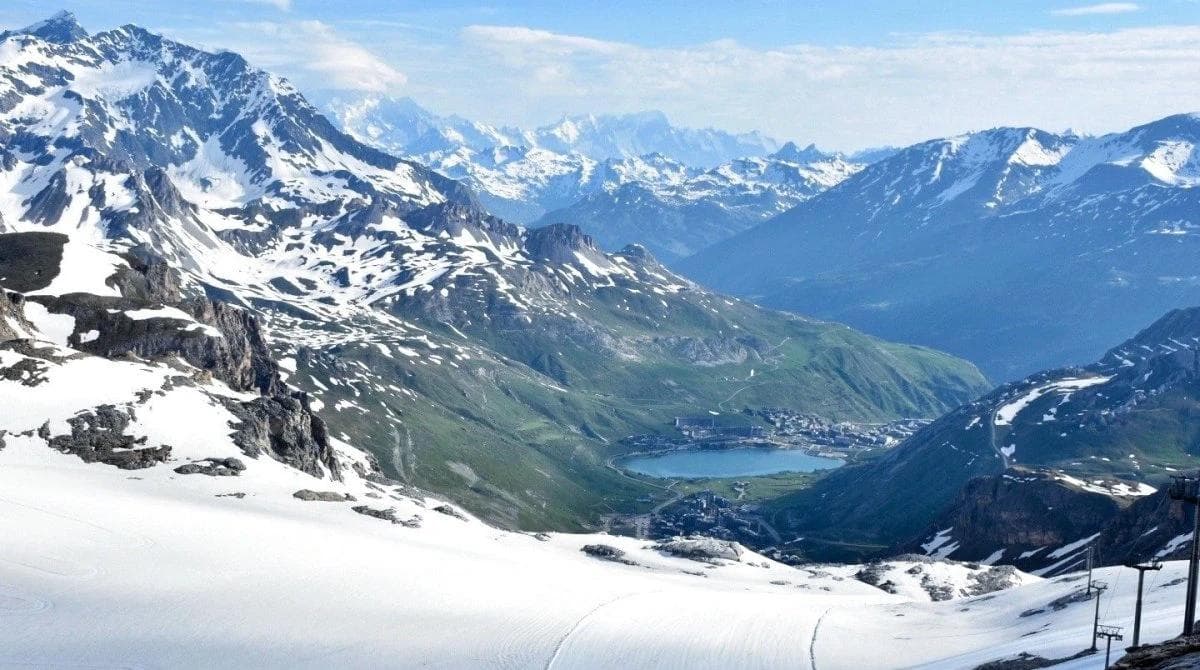
For decades, Tignes was one of the rare European resorts where skiers could ride lifts in the middle of summer, thanks to the Grande Motte Glacier sitting more than 3,450 metres up in the French Alps. Now, following another unusually warm start to summer across Europe, resort officials are openly preparing for a future without it. "We know that its melting will cause long-term difficulties for skiing," Clement Colin, chairman of Altta, the public company running Tignes' lift system, told AFP.
A shrinking season and a thinning glacier
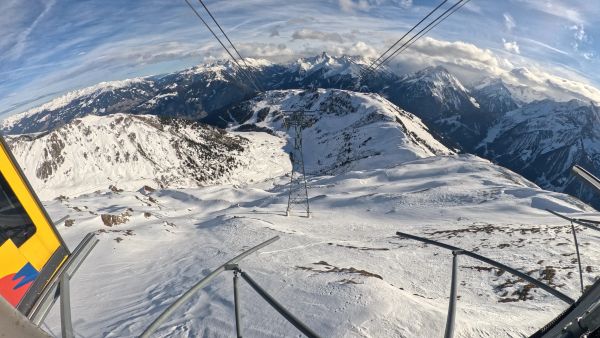
Early this month, temperatures on the glacier at 3,456 metres reached 5 degrees Celsius by 9am, with overnight lows staying above freezing and preventing the surface from refreezing before the next day's sun. Visitors have noticed the change on the ground - one skier told AFP the landscape looked "very different," while another said it was "a bit sad to see the glacier like this." Scientists monitoring Grande Motte estimate it's losing 2 to 4 metres of thickness a year, a rate Colin says could leave the glacier "almost completely melted" within a decade. Tignes now runs its summer season for just a month, from 20 June to 19 July, skiing mostly on leftover winter snow rather than the glacier ice itself - the season ends as soon as ice appears at the surface. Fewer than 8,000 lift tickets have sold since opening this year.