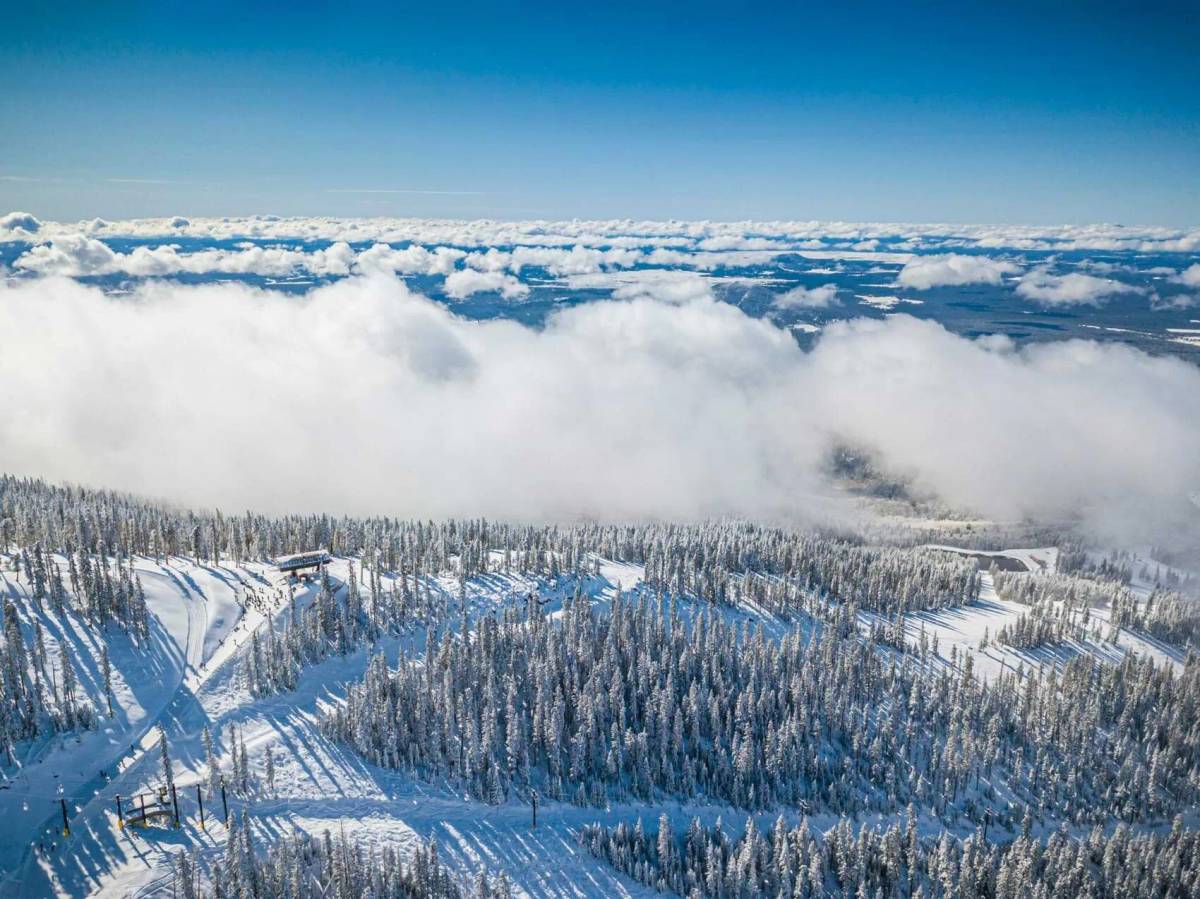
Arizona Snowbowl
55 runs, 2,300ft vertical, 777 acres on the San Francisco Peaks. 260in snowfall, 2 hours from Phoenix.

Current Conditions→
Season 2026 - 2027
Opens
20 Nov 2026
Closes
18 Apr 2027
Days open
149
Annual snow
260in
The Overview
Michael Fulton
Melbourne-based skier and snowboarder with 50+ resorts across 5 continents. Specialises in Australian resorts and international resort comparisons.
Arizona Snowbowl's summit reaches 11,499 feet, dropping 2,300 vertical feet to a base at 9,199 feet across 55 runs spread over 777 acres on the San Francisco Peaks near Flagstaff. Terrain splits 43 per cent intermediate, 22 per cent beginner, 22 per cent advanced and 13 per cent expert. Average annual snowfall reaches roughly 260 inches. The resort carries no major multi-resort pass affiliation.
Snowbowl sits on the western slope of Mount Humphreys, Arizona's highest peak, giving it one of the highest base elevations of any US resort outside the Rockies. Eight lifts, including a gondola, a six-pack chair, two quads and a triple, serve the 55-run network. The resort's unusually long operating season, often extending into May, reflects both its high elevation and heavy investment in snowmaking. The 2,300-foot vertical drop is substantial for a resort in the desert Southwest.
Arizona Snowbowl has operated since 1938, when it began as a two-person rope tow powered by a car engine. The San Francisco Peaks are held sacred by thirteen Native American tribes in the region, including the Navajo, Hopi, Apache, Hualapai and Yavapai. A 1979 Forest Service approval for expanded facilities, including new lifts and additional trails, prompted lawsuits from Hopi and Navajo groups seeking to halt development on religious grounds; the tribes have not succeeded in any of the legal challenges filed over the decades. Since December 2012, the resort has used reclaimed wastewater from the City of Flagstaff for snowmaking under a contract first signed in 2002, a practice that remains contested by Indigenous and environmental groups on both cultural and water-quality grounds.
With no major pass affiliation, Snowbowl uses dynamic pricing, with adult day tickets ranging from roughly 19 to over 300 US dollars depending on demand, alongside a flat-rate season pass at 899 dollars. Kids 12 and under ski free. The resort suits Phoenix and northern Arizona skiers seeking high-desert skiing without travelling to the Rockies, roughly two hours from Phoenix and 14 miles from Flagstaff. Its history and ongoing tension over its sacred-mountain location and reclaimed-water snowmaking remain part of the resort's identity for many visitors and observers alike.
2,300ft
Vertical
55
Runs
777 acres
Skiable
260in
Annual snow
The Terrain
55 runs across 777 acres skiable
Arizona Snowbowl sits on the San Francisco Peaks near Flagstaff, with 55 runs over about 777 acres (314 hectares). The base is at 9,200 feet (2,804 m) and the summit at 11,500 feet (3,505 m), a vertical of 2,300 feet (701 m) that is the largest in Arizona. Intermediates make up 43% of the terrain, with beginners and advanced skiers at 22% each and experts at 13%. A gondola, a six-pack, two quads, a triple, a double and two surface lifts serve the mountain, and about 260 inches of snow falls in a typical year.
Two lodges anchor the mountain: Agassiz and Hart Prairie. The Arizona Gondola, or Agassiz Express, climbs the main face toward the summit, while the Aspen quad, the Sunset triple and the Hart Prairie quad spread skiers across the lower and middle slopes. The Upper Bowl hike-to terrain delivers the steepest skiing, and the multiple terrain parks add jumps, rails and technical features. Snowbowl suits intermediates cruising groomers, advanced skiers heading for the bowl and beginners who want high-altitude skiing close to Flagstaff, though the mountain can get busy on powder weekends.
Terrain split
55
runs
55 runs across 4 grades
Beginner12 runs · 22%
Intermediate24 runs · 43%
Advanced12 runs · 22%
Expert7 runs · 13%
Time it right
When to visit Arizona Snowbowl
The 2025-26 season at Arizona Snowbowl ran from 7 November 2025 to 10 May 2026, an unusually long roughly twenty-six-week window for a Southwest resort. The mountain's high base elevation of 9,199 feet, close to Arizona's highest terrain, supports this extended season. Snowmaking, supplied by reclaimed wastewater since 2012, extends the season further at both ends. Season dates can shift based on early and late-season conditions.
Average annual snowfall of roughly 260 inches is high for the desert Southwest, a result of the San Francisco Peaks' elevation drawing moisture from passing storm systems. This natural snowfall, combined with reclaimed-water snowmaking, supports one of the longest operating seasons of any resort outside the traditional snowbelt regions. Base depth builds through midwinter and can persist into spring given the elevation. The reclaimed-water snowmaking programme remains contested by Indigenous and environmental groups, citing both cultural concerns and studies suggesting the water contains endocrine-disrupting compounds.
January and February typically offer the most reliable natural conditions, while snowmaking extends viable skiing well into spring given the exceptionally long season. Late-season visits in April and May are unusual for most US resorts but routine at Snowbowl given its elevation. Weekday visits are generally quieter than weekends, with the resort serving a large day-trip population from Phoenix as well as destination visitors. Family Friday afternoon discounted access reflects the resort's effort to spread demand across the week.
Snowbowl's season calendar operates within the ongoing context of its location on the San Francisco Peaks, sacred to thirteen regional tribes, and the continued use of reclaimed wastewater for snowmaking since 2012. Protests and legal challenges have recurred around season openings in past years, reflecting sustained opposition from some Indigenous and environmental groups. The resort's own programming otherwise centres on standard ski operations rather than major festivals. Its exceptionally long season remains its most distinctive seasonal feature nationally.
Season 2026 - 2027
20 Nov 2026
Opens
18 Apr 2027
Closes
149
Days open
260 in
Annual snow
The record
Historical snowfall at Arizona Snowbowl
Daily snow reports at Arizona Snowbowl go back to 2025, 3 winters on the books. Open the record to compare winters, lifts and piste.
22 in
Snowiest day
19 Nov 2025
0 in
This winter · 2026-27
so far
143 in
Typical winter
average of complete seasons
Winter totals
in
Past wintersThis winter
Getting there
Getting to Arizona Snowbowl, and where to stay
Arizona Snowbowl sits on the western slope of Mount Humphreys in the San Francisco Peaks, roughly 14 miles from Flagstaff, with a base elevation of 9,199 feet and a summit at 11,499 feet across a 2,300-foot vertical drop. This is within the Coconino National Forest in northern Arizona. The San Francisco Peaks are held sacred by thirteen Native American tribes in the region, including the Navajo, Hopi, Apache, Hualapai and Yavapai, a fact central to the mountain's identity and ongoing disputes over its development.
Flagstaff, Arizona, is the nearest city, a university and railroad town at roughly 7,000 feet elevation that serves as the resort's main service centre. The city sits along historic Route 66 and the modern Interstate 40 corridor. Flagstaff's own high elevation and forested setting distinguish it from the desert character of much of the rest of Arizona. Reclaimed wastewater from the City of Flagstaff has supplied the resort's snowmaking since 2012, linking the city and resort directly.
Highway 180 provides the main access route from Flagstaff to the ski area, climbing steadily into the San Francisco Peaks. The drive from Flagstaff takes roughly 30 minutes under normal conditions. Phoenix lies approximately two hours south by Interstate 17 and connecting roads, making Snowbowl a popular day-trip destination for the state's largest metropolitan area. Winter driving on Highway 180 can include snowpack given the elevation gain from Flagstaff to the resort.
Flagstaff Pulliam Airport offers limited regional commercial service, while Phoenix Sky Harbor International Airport, roughly two hours south, provides far more extensive flight options and is the more practical choice for most visitors. Most Snowbowl visitors drive up from Phoenix rather than flying into a smaller regional airport. No passenger rail connects directly to the resort, though Amtrak serves Flagstaff itself. A rental car from Phoenix or Flagstaff is the standard way to reach the resort.
Where to stay
Search all stays →Stays map loads when you scroll here
Hotels and lodges near Arizona Snowbowl, powered by Stay22.
Latest News
From the SnowStash desk
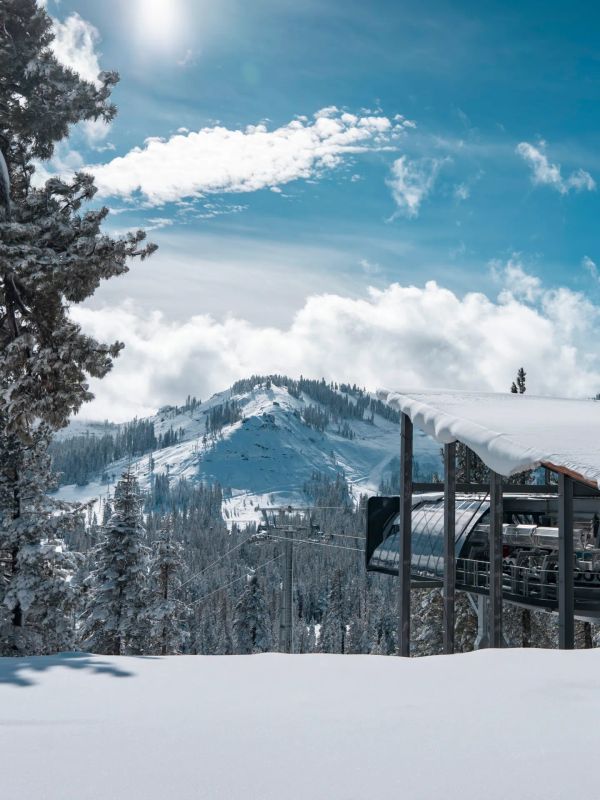
Sugar Bowl Gondola Slips to January 2027 as Opening Day Holds
Sugar Bowl still opens on 27 November, just without its new gondola. The eight-passenger Village Gondola is now targeting January 2027, with all eight towers up, the haul rope on and the first cabin hanging. Until it runs, everyone gets in through the Main Lodge, with curbside drop-off and parking lot shuttles. It replaces the first gondola in the western US, which dates from 1953.
16 Nov 2026
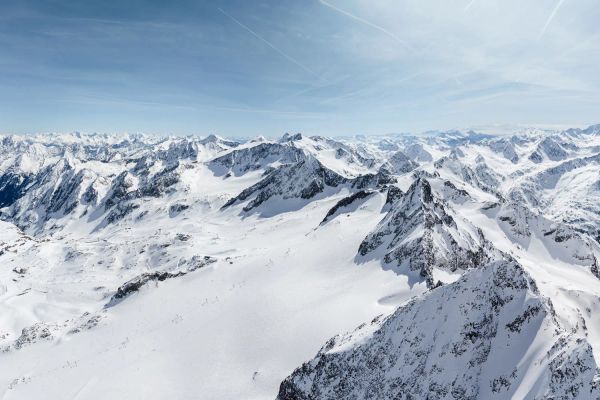
Stubai Glacier Avalanche Ends in Austria’s First Death of the Season
A 72-year-old American skier has died on Stubai Glacier after a small slab avalanche carried him over rocky ground and into a 20-metre crevasse. It is Austria’s first avalanche death of the 2026-27 season, and forecasters had flagged this exact setup two days earlier. Here is what happened near the Daunscharte, and what the snowpack was already telling anyone who was reading it.
15 Nov 2026
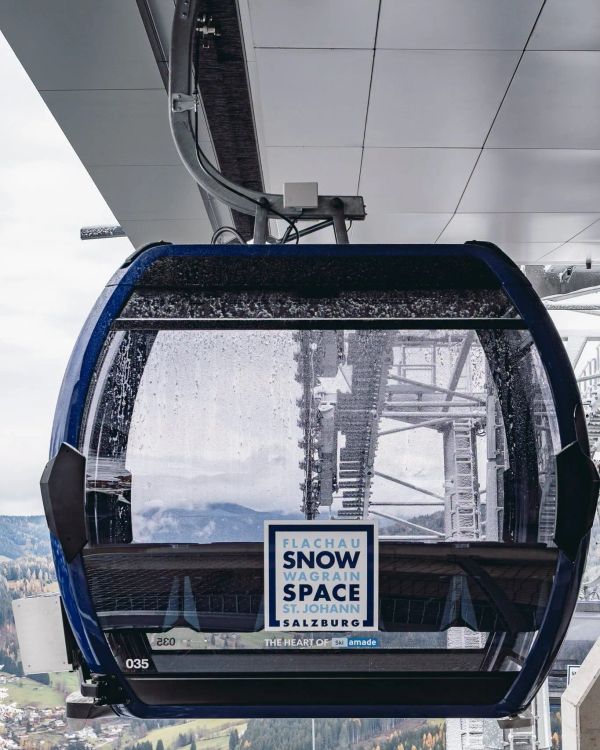
Wagrain’s New Grafenbergbahn Gondola Appears in First Photos
Wagrain’s new Grafenbergbahn is nearly here, and Snow Space Salzburg stamped “no AI” on the first photos, which says plenty about 2026. One 10-person gondola takes over from three old lifts, with 120 cabins moving up to 3,400 people an hour and a mid-station link into the G-Link. Dark blue cabins, fresh snow, no opening date yet.
14 Nov 2026
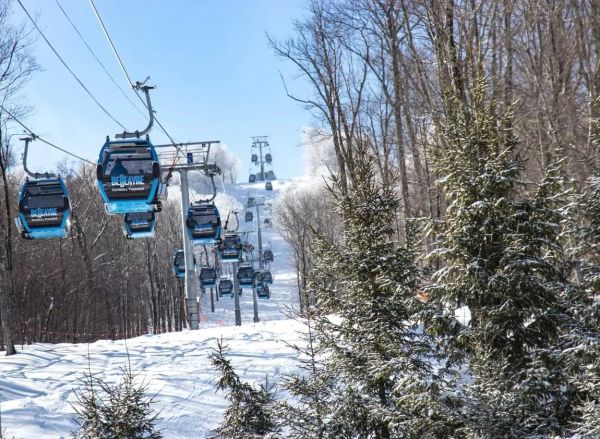
Indy Pass Adds 10 Alpine and 5 Nordic Partners for 2026-27
Indy Pass just got bigger. On 12 November it announced 10 new alpine resorts and 5 Nordic centres for 2026-27, including four in Norway and one in Austria. Three New York State mountains - Whiteface, Gore and Belleayre - also signed on to its Allied Program, with discounted tickets rather than included days. Waitlisted customers are being offered passes, and Learn to Turn news is due this week. Full list inside.
13 Nov 2026
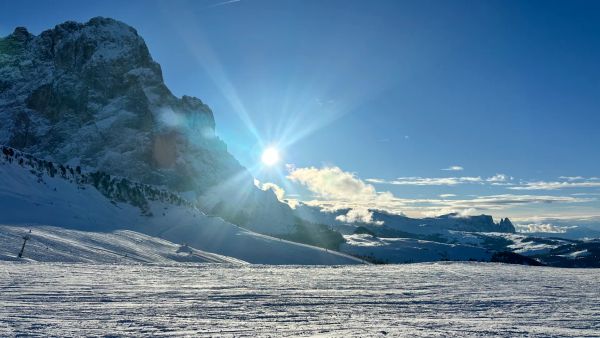
Val Gardena to Alpe di Siusi Lift Link Back in Play After Court Ruling
The Val Gardena-Alpe di Siusi lift link isn’t dead after all. A South Tyrol court has overturned Santa Cristina’s rejection of the new Monte Pana-Saltria link on procedural grounds, after the council skipped required public information sessions. Opponents want the missing sessions held and a fresh vote, and nothing has been approved. For now it’s still a bus between the two, but a plan first floated in 2017 is back in the conversation.
8 Nov 2026
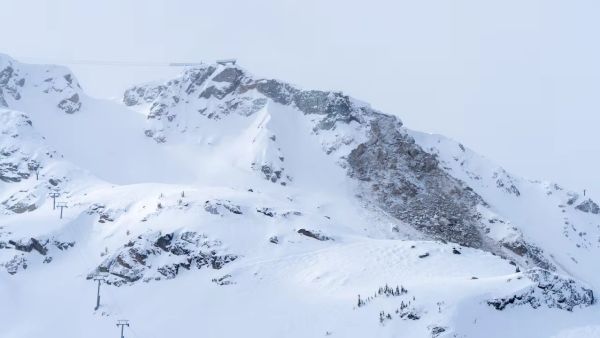
Whistler Blackcomb Rockslide Zone Stays Closed Through 2026-27 Season
A section of Whistler Peak terrain will stay closed all 2026-27 season, Vail Resorts has confirmed, with rockslide mitigation work continuing into summer 2027. Peak Express is still expected to run this winter, but locals are already arguing about what’s actually off limits, whether the Whistler Bowl is gone, and why the news landed after pass sales wound down. Here’s where things stand.
7 Nov 2026
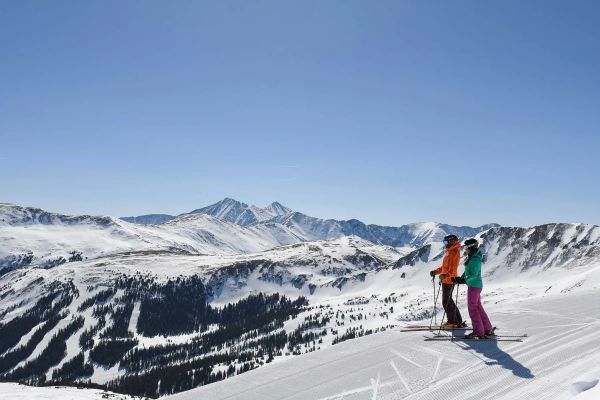
Loveland Ski Area Opens for 2026-27 and Marks 60 Years of Snowmaking
Loveland is open. The Colorado ski area started Chet’s Dream turning on Saturday 7 November to kick off 2026-27, with $60 adult lift tickets to mark 60 years of snowmaking. Expect three runs, nearly 1,000 vertical feet (about 300 metres) of top-to-bottom skiing, live music on the Basin Patio and no beginner terrain yet. Here’s what’s open, what it costs and when Loveland Valley follows.
7 Nov 2026
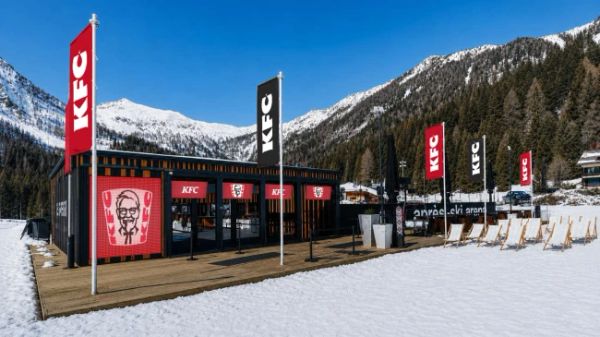
KFC Is Coming to the Slopes at Cortina and Madonna di Campiglio
Fried chicken is heading up the Dolomites. From 5 December KFC will run two restaurants on the slopes - one at 2,123 metres at Cortina, one at 1,700 metres at Madonna di Campiglio - and the polenta-and-canederli crowd has opinions. Local politicians, conservation groups and plenty of Facebook commenters are calling it a step too far, while others just want a cheaper lunch. Here’s what’s on the menu and what’s the fuss.
5 Nov 2026
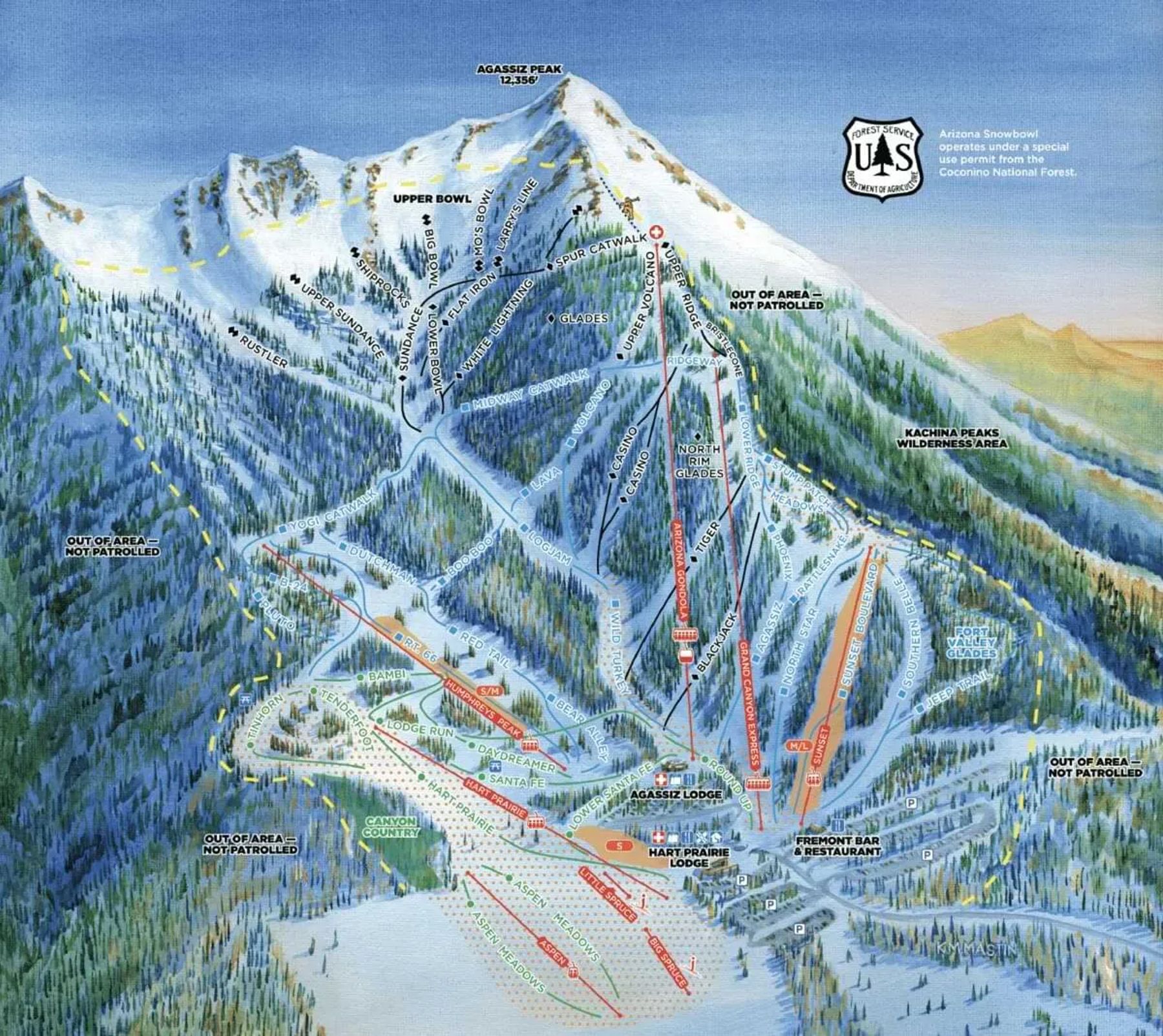
Arizona Snowbowl Ski Trails
Downloadable Arizona Snowbowl trail map
Terrain split
55
runs
Beginner22%
Intermediate43%
Advanced22%
Expert13%
777 acres skiable314 hectares
Resort Stats
Elevation
Base9,199ft
Summit11,499ft
Annual snowfall
260in
Season
2026 - 2027
20 Nov 2026 - 18 Apr 2027
Trail coverage
55 runs
777 acres (314 ha)
Arizona Snowbowl ski trails
Arizona Snowbowl offers 55 runs across a mix of difficulties. The terrain split and trail map here show how the mountain breaks down so you can plan a day that suits your group.
- • Match runs to your ability - the terrain split shows how much of Arizona Snowbowl is beginner, intermediate and advanced.
- • Check grooming and open-run status against the live conditions before committing to the upper mountain.
- • Early season and after fresh snow, favour the lifts serving your preferred grade to make the most of the day.
More Arizona Snowbowl intelligence: trail map, lift system, resort overview.