
Arizona Snowbowl
55 runs, 2,300ft vertical, 777 acres on the San Francisco Peaks. 260in snowfall, 2 hours from Phoenix.
Season 2026 - 2027
Opens
20 Nov 2026
Closes
18 Apr 2027
Days open
149
Annual snow
22ft
The Overview
Michael Fulton
Melbourne-based skier and snowboarder with 50+ resorts across 5 continents. Specialises in Australian resorts and international resort comparisons.
Arizona Snowbowl's summit reaches 11,499 feet, dropping 2,300 vertical feet to a base at 9,199 feet across 55 runs spread over 777 acres on the San Francisco Peaks near Flagstaff. Terrain splits 43 per cent intermediate, 22 per cent beginner, 22 per cent advanced and 13 per cent expert. Average annual snowfall reaches roughly 260 inches. The resort carries no major multi-resort pass affiliation.
Snowbowl sits on the western slope of Mount Humphreys, Arizona's highest peak, giving it one of the highest base elevations of any US resort outside the Rockies. Eight lifts, including a gondola, a six-pack chair, two quads and a triple, serve the 55-run network. The resort's unusually long operating season, often extending into May, reflects both its high elevation and heavy investment in snowmaking. The 2,300-foot vertical drop is substantial for a resort in the desert Southwest.
Arizona Snowbowl has operated since 1938, when it began as a two-person rope tow powered by a car engine. The San Francisco Peaks are held sacred by thirteen Native American tribes in the region, including the Navajo, Hopi, Apache, Hualapai and Yavapai. A 1979 Forest Service approval for expanded facilities, including new lifts and additional trails, prompted lawsuits from Hopi and Navajo groups seeking to halt development on religious grounds; the tribes have not succeeded in any of the legal challenges filed over the decades. Since December 2012, the resort has used reclaimed wastewater from the City of Flagstaff for snowmaking under a contract first signed in 2002, a practice that remains contested by Indigenous and environmental groups on both cultural and water-quality grounds.
With no major pass affiliation, Snowbowl uses dynamic pricing, with adult day tickets ranging from roughly 19 to over 300 US dollars depending on demand, alongside a flat-rate season pass at 899 dollars. Kids 12 and under ski free. The resort suits Phoenix and northern Arizona skiers seeking high-desert skiing without travelling to the Rockies, roughly two hours from Phoenix and 14 miles from Flagstaff. Its history and ongoing tension over its sacred-mountain location and reclaimed-water snowmaking remain part of the resort's identity for many visitors and observers alike.
2,300ft
Vertical
55
Runs
777 acres
Skiable
22ft
Annual snow
The Terrain
55 runs across 777 acres skiable
Arizona Snowbowl sits on the San Francisco Peaks near Flagstaff, with 55 runs over about 777 acres (314 hectares). The base is at 9,200 feet (2,804 m) and the summit at 11,500 feet (3,505 m), a vertical of 2,300 feet (701 m) that is the largest in Arizona. Intermediates make up 43% of the terrain, with beginners and advanced skiers at 22% each and experts at 13%. A gondola, a six-pack, two quads, a triple, a double and two surface lifts serve the mountain, and about 260 inches of snow falls in a typical year.
Two lodges anchor the mountain: Agassiz and Hart Prairie. The Arizona Gondola, or Agassiz Express, climbs the main face toward the summit, while the Aspen quad, the Sunset triple and the Hart Prairie quad spread skiers across the lower and middle slopes. The Upper Bowl hike-to terrain delivers the steepest skiing, and the multiple terrain parks add jumps, rails and technical features. Snowbowl suits intermediates cruising groomers, advanced skiers heading for the bowl and beginners who want high-altitude skiing close to Flagstaff, though the mountain can get busy on powder weekends.
Terrain split
55
runs
55 runs across 4 grades
Beginner12 runs · 22%
Intermediate24 runs · 43%
Advanced12 runs · 22%
Expert7 runs · 13%
Time it right
When to visit Arizona Snowbowl
The 2025-26 season at Arizona Snowbowl ran from 7 November 2025 to 10 May 2026, an unusually long roughly twenty-six-week window for a Southwest resort. The mountain's high base elevation of 9,199 feet, close to Arizona's highest terrain, supports this extended season. Snowmaking, supplied by reclaimed wastewater since 2012, extends the season further at both ends. Season dates can shift based on early and late-season conditions.
Average annual snowfall of roughly 260 inches is high for the desert Southwest, a result of the San Francisco Peaks' elevation drawing moisture from passing storm systems. This natural snowfall, combined with reclaimed-water snowmaking, supports one of the longest operating seasons of any resort outside the traditional snowbelt regions. Base depth builds through midwinter and can persist into spring given the elevation. The reclaimed-water snowmaking programme remains contested by Indigenous and environmental groups, citing both cultural concerns and studies suggesting the water contains endocrine-disrupting compounds.
January and February typically offer the most reliable natural conditions, while snowmaking extends viable skiing well into spring given the exceptionally long season. Late-season visits in April and May are unusual for most US resorts but routine at Snowbowl given its elevation. Weekday visits are generally quieter than weekends, with the resort serving a large day-trip population from Phoenix as well as destination visitors. Family Friday afternoon discounted access reflects the resort's effort to spread demand across the week.
Snowbowl's season calendar operates within the ongoing context of its location on the San Francisco Peaks, sacred to thirteen regional tribes, and the continued use of reclaimed wastewater for snowmaking since 2012. Protests and legal challenges have recurred around season openings in past years, reflecting sustained opposition from some Indigenous and environmental groups. The resort's own programming otherwise centres on standard ski operations rather than major festivals. Its exceptionally long season remains its most distinctive seasonal feature nationally.
Season 2026 - 2027
20 Nov 2026
Opens
18 Apr 2027
Closes
149
Days open
22 ft
Annual snow
Getting there
Getting to Arizona Snowbowl, and where to stay
Arizona Snowbowl sits on the western slope of Mount Humphreys in the San Francisco Peaks, roughly 14 miles from Flagstaff, with a base elevation of 9,199 feet and a summit at 11,499 feet across a 2,300-foot vertical drop. This is within the Coconino National Forest in northern Arizona. The San Francisco Peaks are held sacred by thirteen Native American tribes in the region, including the Navajo, Hopi, Apache, Hualapai and Yavapai, a fact central to the mountain's identity and ongoing disputes over its development.
Flagstaff, Arizona, is the nearest city, a university and railroad town at roughly 7,000 feet elevation that serves as the resort's main service centre. The city sits along historic Route 66 and the modern Interstate 40 corridor. Flagstaff's own high elevation and forested setting distinguish it from the desert character of much of the rest of Arizona. Reclaimed wastewater from the City of Flagstaff has supplied the resort's snowmaking since 2012, linking the city and resort directly.
Highway 180 provides the main access route from Flagstaff to the ski area, climbing steadily into the San Francisco Peaks. The drive from Flagstaff takes roughly 30 minutes under normal conditions. Phoenix lies approximately two hours south by Interstate 17 and connecting roads, making Snowbowl a popular day-trip destination for the state's largest metropolitan area. Winter driving on Highway 180 can include snowpack given the elevation gain from Flagstaff to the resort.
Flagstaff Pulliam Airport offers limited regional commercial service, while Phoenix Sky Harbor International Airport, roughly two hours south, provides far more extensive flight options and is the more practical choice for most visitors. Most Snowbowl visitors drive up from Phoenix rather than flying into a smaller regional airport. No passenger rail connects directly to the resort, though Amtrak serves Flagstaff itself. A rental car from Phoenix or Flagstaff is the standard way to reach the resort.
Where to stay
Search all stays →Hotels and lodges near Arizona Snowbowl, powered by Stay22.
Latest News
From the SnowStash desk
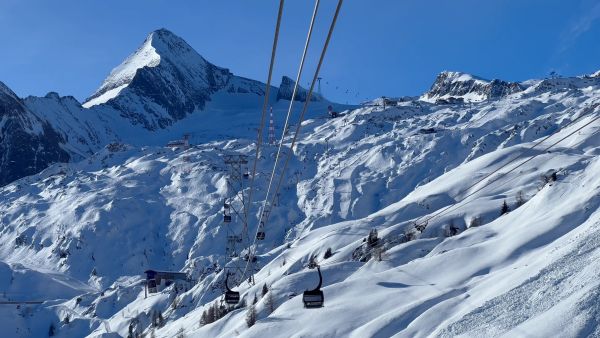
Europe Ski Resorts Open Now: What Is Skiable in Mid-October 2026
Europe’s ski season is open, technically. After a record-warm summer, glaciers in Austria, Switzerland and Italy are running a few pistes apiece, Sölden, Stubai and Kitzsteinhorn started late, Titlis has pushed back to 24 October, and Zermatt reopens a few lifts on 14 October after more than two months shut. Finland’s Levi and Ruka are skiing on stored snow. Here is what is open, and what you actually get at each.
14 Oct 2026

Zermatt Plans World Cup Downhill Return on the Gornergrat for 2028
Zermatt is having another crack at a World Cup downhill, and this time nobody has to cross a border. Around 13 million Swiss francs is going into rebuilding the Gornergrat piste, including a jump fed by a roughly 300-metre in-run across the roof of the Gornergrat Railway gallery, with the Matterhorn lined up behind it for the TV cameras. First men’s race is pencilled in for March 2028, pending FIS homologation.
14 Oct 2026

Mt. Rose Begins Snowmaking for the 2026-27 Season at Lake Tahoe
Lake Tahoe’s highest base elevation is paying off early: Mt. Rose has started making snow for 2026-27 after the first flurries and a cold snap. The Nevada resort is backing it with nearly US$2 million in upgrades, including a replacement snowmaking main line, a new PistenBully groomer and restraint bars on every lift. Opening day is yet to be confirmed, though Heavenly and Northstar are already eyeing 20 November.
13 Oct 2026

Utah Ski Resorts 2026-27: What’s New at Alta, Deer Valley, Powder Mountain and More
Utah is still building flat out. For 2026-27, Powder Mountain opens a steep new Skytrac chair into more than 1,000 acres of advanced terrain, Deer Valley adds 200 acres on Hail Peak, Sundance gets a new quad and Park City adds a gondola from its new parking structure. Snowmaking is expanding almost everywhere, Eagle Point stays closed after the Cottonwood Fire, and the 2034 Games are setting the pace. Here’s what’s new, resort by resort.
13 Oct 2026

Mt Hutt Invests NZ$12 Million in Base Area, Tripling Its Sun Deck
Mt Hutt is getting busier, and its base lodge is about to catch up. NZ$12 million goes into a heated sun deck roughly three times the current size (430 m² to 1,300 m²), plus a new toilet block, heated steps down to snow level, extra storage and a new food and beverage outlet. Building starts after the 2026 season, with everything due for winter 2027.
11 Oct 2026

Vermont Ski Resort Opening Dates 2026-27: Few Dates Set, Killington Waits on the Cold
Vermont's season is slow to take shape. Stratton is tentatively targeting 18 November and Sugarbush 21 November, while Pico has Friday 11 December on the calendar. Killington never sets a date and opens when the snowmaking allows, and Vail Resorts has yet to name days for Stowe, Okemo and Mount Snow. The forecasts disagree about snow, and the main El Niño worry for the Green Mountains is warmth.
9 Oct 2026
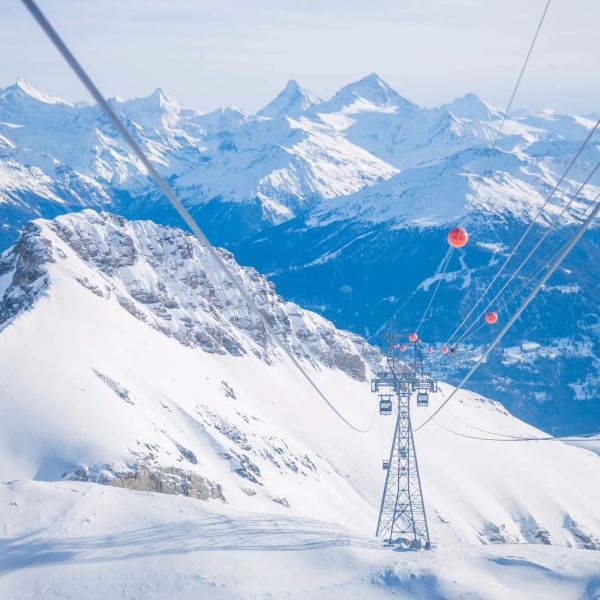
Crans-Montana 2027 World Championships President Resigns Ahead of Fraud Hearing
Less than four months out from the Crans-Montana 2027 World Championships, the man running the organising committee has stepped down. Claude-Alain Schmidhalter resigned as Swiss-Ski vice president and OC president after being indicted over a business dispute unrelated to skiing. He denies the allegations and faces court on October 27. Interim leaders are in place for the February 1-14 event.
9 Oct 2026
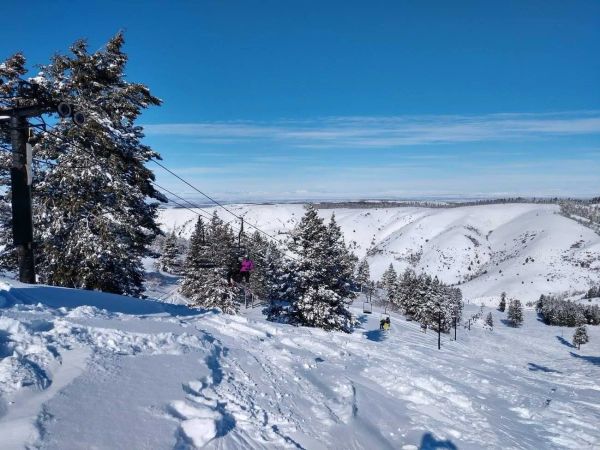
Kelly Canyon, Idaho, Adds Snowmaking, a Bigger Terrain Park and More Parking for 2026-27
Kelly Canyon had a rough 2025-26, and the Idaho resort has spent the summer making sure it doesn’t repeat. Snowmaking now reaches the top of Goldrush, the terrain park is doubling in size with a stereo system, lights and a snack shack, and the car park is getting bigger. Grooming is stepping up too. Target opening is December 4, conditions permitting.
9 Oct 2026
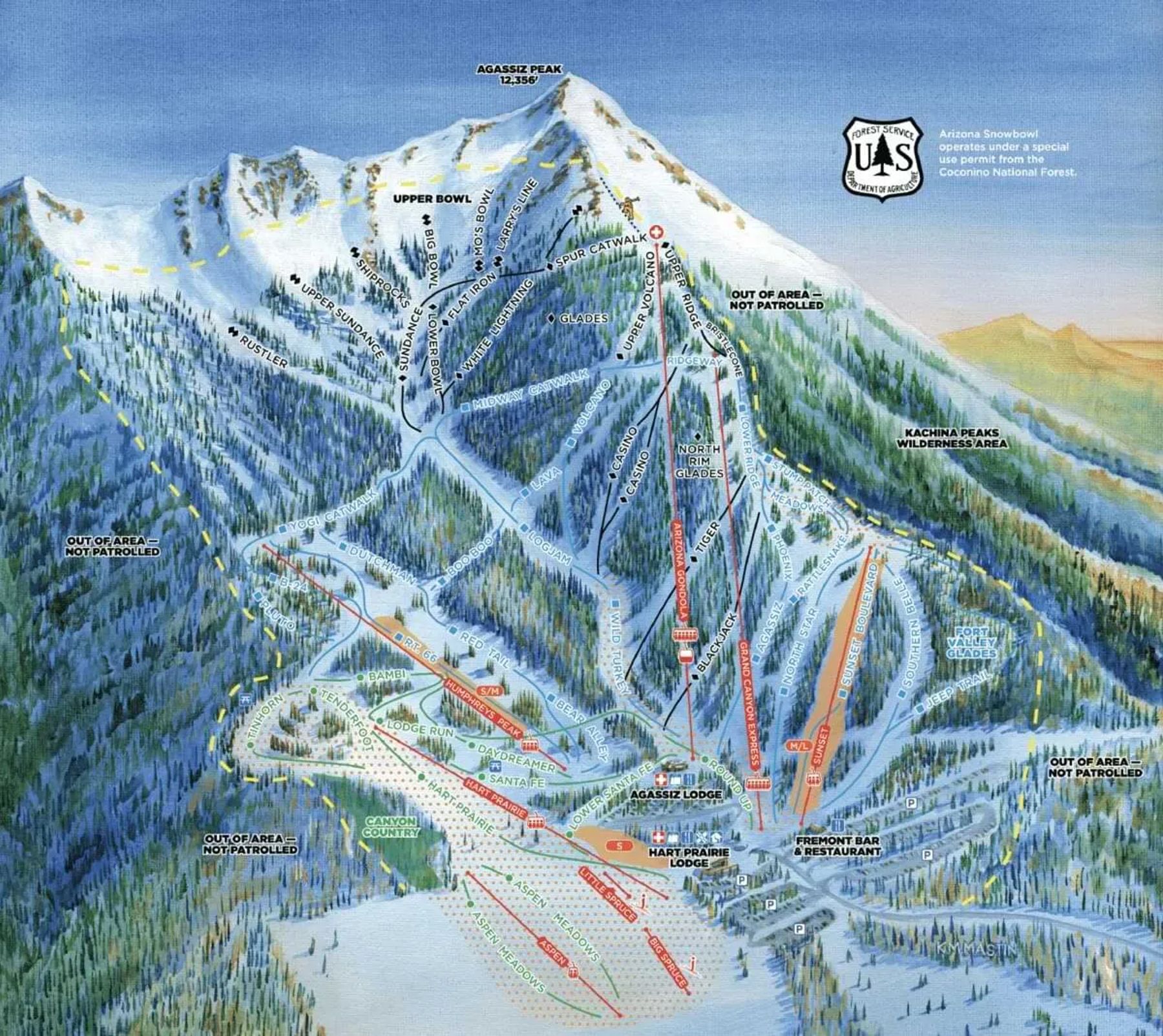
Arizona Snowbowl Trail Map
Downloadable Arizona Snowbowl trail map
Terrain split
55
runs
Beginner22%
Intermediate43%
Advanced22%
Expert13%
777 acres skiable314 hectares
Resort Stats
Elevation
Base9,199ft
Summit11,499ft
Annual snowfall
22ft
Season
2026 - 2027
20 Nov 2026 - 18 Apr 2027
Trail coverage
55 runs
777 acres (314 ha)
About Arizona Snowbowl's trail map
Explore Arizona Snowbowl's full trail map with 55 runs across the mountain, colour-coded by difficulty and shown alongside the terrain split. Use it to plan a day that matches your ability, find lift-served pockets of your favourite grade, and see how the resort links together. Download the piste map (PDF) ↗
More Arizona Snowbowl intelligence: snow report, lift system, webcams, resort overview.