
Mount Lemmon
Ski the southernmost ski area in the continental US at 9,157ft in the Santa Catalinas — just one hour from Tucson in Arizona's Sonoran Desert.
Season 2025 - 2026
Opens
14 Dec 2025
Closes
27 Feb 2026
Days open
75
Annual snow
14ft
The Overview
Michael Fulton
Melbourne-based skier and snowboarder with 50+ resorts across 5 continents. Specialises in Australian resorts and international resort comparisons.
Mount Lemmon Ski Valley holds a geographic distinction shared by no other ski area in the United States: it is the southernmost ski destination in the continental US, sitting at 9,157 feet in the Santa Catalina Mountains of the Coronado National Forest at roughly the same latitude as Dallas, Texas and approximately 80 miles from the Mexican border. The ski area covers 200 acres across 22 runs with a 950-foot vertical drop from the summit to the 8,200-foot base, with terrain breaking down as 29% beginner, 47% intermediate and 24% advanced — a profile weighted toward accessible, varied skiing rather than extreme challenge.
Three lifts serve the mountain: two double chairlifts and one surface lift with a combined uphill capacity of around 2,000 skiers per hour. Mount Lemmon does not groom its slopes — the terrain runs on natural snow only, which gives the ski area a distinct character compared to resort-managed mountains and rewards visits in the days immediately following a winter storm when the powder is fresh and undisturbed.
The ski area has operated since the late 1940s and sits within a landscape that has no real equivalent in American skiing: the drive up the Catalina Highway from Tucson climbs through multiple biotic zones in under an hour — Sonoran Desert scrub at the city's edge giving way to oak woodland, then pine and fir forest at the ski area — a transition in ecosystem equivalent to driving from Mexico to Canada in elevation terms.
On a clear day from the summit chairlift, the view extends across the full Tucson basin and the San Pedro Valley to the east, with the mountains near Globe and Phoenix visible on the horizon. The Iron Door Restaurant at the base area and the nearby mountain village of Summerhaven at 7,600 feet provide the primary on-mountain services and overnight accommodation options.
748ft
Vertical
22
Runs
200 acres
Skiable
14ft
Annual snow
The Terrain
22 runs across 200 acres skiable
Mount Lemmon Ski Valley is the southernmost ski area in the continental United States, set in the Santa Catalina Mountains above Tucson. It is a small hill, with 22 runs over about 200 acres (81 hectares), a base at 8,270 feet (2,522 m) and a summit at 9,020 feet (2,750 m), giving a vertical of roughly 750 feet (228 m). Intermediates take 47% of the trails, beginners 29% and advanced skiers 24%, with no expert terrain. Two double chairs and a t-bar do the work, and average snowfall of about 170 inches means the season depends entirely on natural snow.
There is no snowmaking and the slopes are not groomed, so skiing here is about soft, natural snow and the days right after a storm. The runs are short, with the longest roughly 8,500 feet, and the gentle pitches suit beginners and intermediates. Advanced skiers will find a few steeper lines, but the mountain is small and conditions can change quickly. The ski season is often short, so visitors should check conditions before driving up. Mount Lemmon suits Tucson locals and curious travellers after a novelty day, with desert-to-pine scenery and views over the basin.
Terrain split
22
runs
22 runs across 4 grades
Beginner6 runs · 29%
Intermediate10 runs · 47%
Advanced5 runs · 24%
Expert0 runs · 0%
Time it right
When to visit Mount Lemmon
Mount Lemmon operates from mid-December through to late February or early March, with the 2025/26 season running 14 December to 27 February — a shorter window than most US ski areas reflecting both the mountain's southerly latitude and its reliance on natural snowfall without the backing of snowmaking infrastructure.
The summit receives an average of approximately 180 inches of snowfall annually, delivered primarily through winter storm systems that push moisture north from the Gulf of Mexico and the Pacific, producing heavy, often wet snow at the lower elevations of the Santa Catalinas and drier, lighter powder higher on the mountain. The most reliable period for quality snow conditions is typically January and early February, when temperatures at 9,000 feet remain consistently cold and storm frequency is at its peak for the region.
The seasonal rhythm at Mount Lemmon is unlike that of any other ski area in the country. On days when the mountain is open and conditions are good, Tucson residents can leave the desert floor at 70°F and be on snow within an hour. The same afternoon, it is physically possible to ski in the morning and play golf or swim in the Tucson valley in the afternoon — a combination the resort has traded on for decades and that remains one of the more unusual day-trip propositions in American skiing.
Because the mountain does not groom, the best skiing follows storm cycles directly, and conditions can vary significantly within a single week. Checking the webcam feeds from the summit and the base area before making the drive is a practical necessity that the resort's local following understands well.
Season 2025 - 2026
14 Dec 2025
Opens
27 Feb 2026
Closes
75
Days open
14 ft
Annual snow
Getting there
Getting to Mount Lemmon, and where to stay
Mount Lemmon Ski Valley sits in the Santa Catalina Ranger District of the Coronado National Forest, approximately 41 miles northeast of downtown Tucson via the Catalina Highway — also known as the Sky Island Parkway — a paved, scenic mountain road that climbs 6,000 feet from the desert floor to the ski area turnoff in around 30 miles.
The drive takes roughly one hour under normal conditions, though the road can close temporarily following heavy snowfall requiring chains or 4WD for safe passage, and road conditions are monitored via the Pima County Sheriff's 24-hour hotline during the ski season. Tucson International Airport is the nearest gateway for visitors flying in, with connections from major US hubs, placing the ski area within 90 minutes of most Tucson accommodation options.
The broader Mount Lemmon massif is a designated Sky Island — one of a series of isolated mountain ranges rising sharply from the surrounding desert that support distinct ecological communities found nowhere else at these latitudes in the United States.
The nearby village of Summerhaven at 7,600 feet provides limited overnight accommodation and dining immediately adjacent to the ski area for visitors looking to avoid the Tucson round-trip. The Mt. Lemmon SkyCenter Observatory, operated by the University of Arizona higher on the mountain, offers public stargazing programmes that can extend a ski visit into an evening, with the summit's altitude and distance from city light pollution making for exceptional night sky visibility.
For visitors combining the ski area with broader southern Arizona travel, the Mexican border crossing at Nogales is around two hours south of Tucson, and the Saguaro National Park West and East districts bracket the city within 30 minutes.
Where to stay
Search all stays →Hotels and lodges near Mount Lemmon, powered by Stay22.
Latest News
From the SnowStash desk
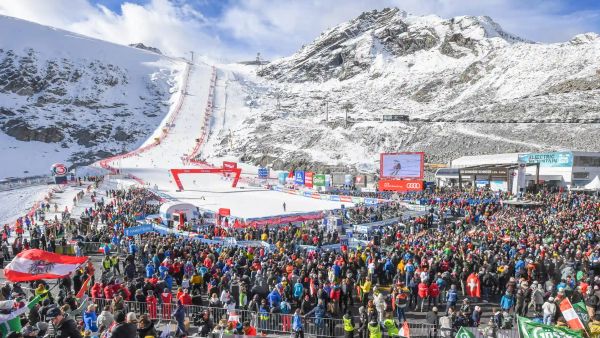
Pinheiro Braathen Wins Sölden Giant Slalom Opener by 0.48 Seconds
Two days at Sölden, two races decided by a hundredth somewhere on the podium, and one very quick Brazilian. Lucas Pinheiro Braathen led from the first run to win the men’s World Cup opener by 0.48 seconds, with Loïc Meillard second and Marco Odermatt third. River Radamus charged from 15th to fourth on a rutted course, and Britain’s Freddy Carrick-Smith banked his first World Cup points. Braathen still hasn’t lost a giant slalom since Olympic gold.
25 Oct 2026
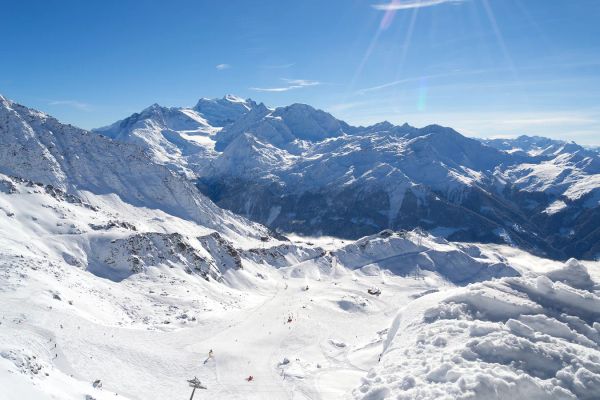
Alps Snow Forecast: Up to 64 cm Headed for the High Glaciers as the Snow Line Drops
The Alps are about to swap mild, sunny October weather for something far more wintry. A cold front arrives Tuesday, and SnowStash forecasts have Monterosa Ski out in front with 64 cm over 14 days, ahead of Blatten Belalp (55 cm) and Verbier (43 cm). The snow line should fall below 2000 metres by Wednesday night, and glaciers across Switzerland, Italy and Austria are in line for the best of it. The wind will have a say too.
20 Oct 2026
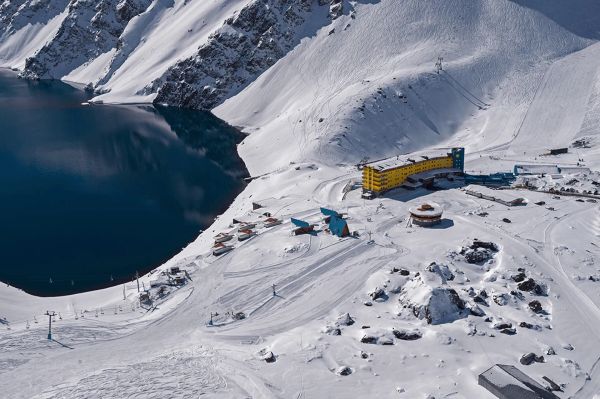
Four Dead After Avalanche Near Ski Portillo in Chile
A large avalanche struck near Laguna del Inca adjacent to Ski Portillo on Saturday afternoon, killing four people and injuring four others. The group were day visitors mountaineering in the backcountry after reportedly being warned about elevated avalanche risk by resort staff.
18 Oct 2026
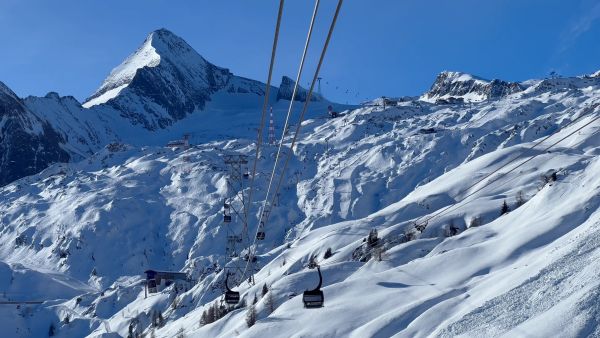
Europe Ski Resorts Open Now: What Is Skiable in Mid-October 2026
Europe’s ski season is open, technically. After a record-warm summer, glaciers in Austria, Switzerland and Italy are running a few pistes apiece, Sölden, Stubai and Kitzsteinhorn started late, Titlis has pushed back to 24 October, and Zermatt reopens a few lifts on 14 October after more than two months shut. Finland’s Levi and Ruka are skiing on stored snow. Here is what is open, and what you actually get at each.
14 Oct 2026
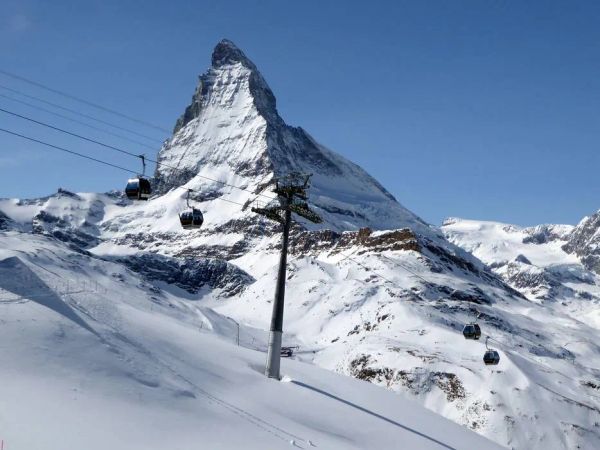
Zermatt Plans World Cup Downhill Return on the Gornergrat for 2028
Zermatt is having another crack at a World Cup downhill, and this time nobody has to cross a border. Around 13 million Swiss francs is going into rebuilding the Gornergrat piste, including a jump fed by a roughly 300-metre in-run across the roof of the Gornergrat Railway gallery, with the Matterhorn lined up behind it for the TV cameras. First men’s race is pencilled in for March 2028, pending FIS homologation.
14 Oct 2026
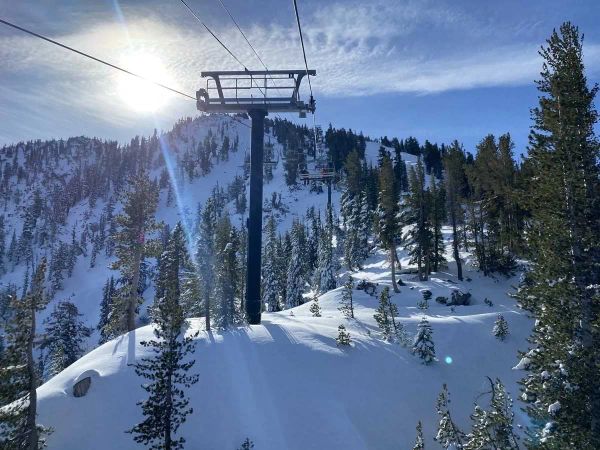
Mt. Rose Begins Snowmaking for the 2026-27 Season at Lake Tahoe
Lake Tahoe’s highest base elevation is paying off early: Mt. Rose has started making snow for 2026-27 after the first flurries and a cold snap. The Nevada resort is backing it with nearly US$2 million in upgrades, including a replacement snowmaking main line, a new PistenBully groomer and restraint bars on every lift. Opening day is yet to be confirmed, though Heavenly and Northstar are already eyeing 20 November.
13 Oct 2026
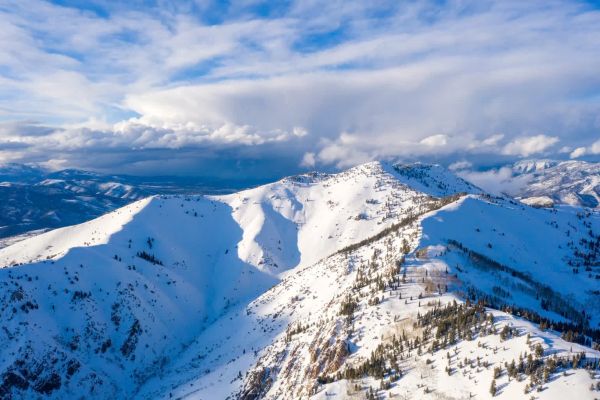
Utah Ski Resorts 2026-27: What’s New at Alta, Deer Valley, Powder Mountain and More
Utah is still building flat out. For 2026-27, Powder Mountain opens a steep new Skytrac chair into more than 1,000 acres of advanced terrain, Deer Valley adds 200 acres on Hail Peak, Sundance gets a new quad and Park City adds a gondola from its new parking structure. Snowmaking is expanding almost everywhere, Eagle Point stays closed after the Cottonwood Fire, and the 2034 Games are setting the pace. Here’s what’s new, resort by resort.
13 Oct 2026
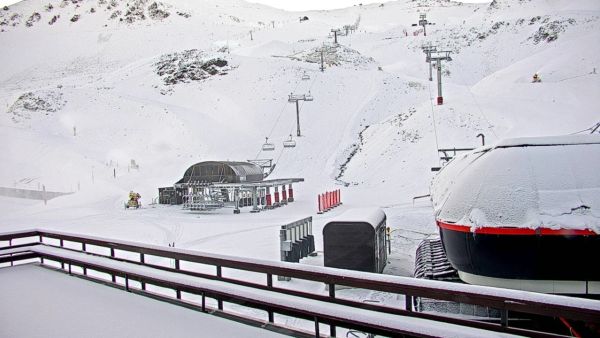
Mt Hutt Invests NZ$12 Million in Base Area, Tripling Its Sun Deck
Mt Hutt is getting busier, and its base lodge is about to catch up. NZ$12 million goes into a heated sun deck roughly three times the current size (430 m² to 1,300 m²), plus a new toilet block, heated steps down to snow level, extra storage and a new food and beverage outlet. Building starts after the 2026 season, with everything due for winter 2027.
11 Oct 2026
Mount Lemmon Snow Report
Snow Report
Updated 26 Oct 2026
9,022ft
summit
+0in
new snow · last 24 hours
Clear36°F / 54°F · S 10mph
Snowfall
24 hours
0in
48 hours
0in
7 days
0in
Base depth
0in
Season total
0in
Total lifts3
Live open status isn’t available right now.
14 Dec 2025 - 27 Feb 2026
Hour by Hour
Next 48 hours· Updated Oct 26, 2026 at 6:02 AM
Scroll for the full outlook · Open-Meteo
7-Day Outlook
8,871 ftUpdated Oct 26, 2026 at 6:02 AMOpen-Meteo
Days 1–7
0.0"
Days 8–14
0.0"
Mon, Oct 26
Overcast
Temp54° / 36°°F
Snow0.0"
Wind10 mph S
Live snow from the resort feed; forecast from Open-Meteo, via Supabase.
Understanding the Mount Lemmon snow report
Track current conditions at Mount Lemmon in Arizona. This report covers snowfall totals, base and summit depth, and the forecast across 22 runs.
Snow measurements
Base depth, summit depth, and recent snowfall are the core numbers to watch. At Mount Lemmon, summit conditions (2750m) can differ noticeably from the base, so we break both out separately rather than showing a single average.
Weather conditions
Wind and temperature swings matter as much as fresh snowfall. Cold, calm conditions hold snow quality well, while wind-loading or a warm-up can change things quickly — especially given the elevation spread between Mount Lemmon's base and summit.
Data sources
Snowfall and depth figures for Mount Lemmon come from official mountain sources; weather and outlook data comes from independent forecasting services. The mountain is served by 3 lifts in total.
When to check
The biggest swings usually happen right after a storm. Check Mount Lemmon's report in the morning for the freshest numbers, and again in the afternoon as conditions evolve.