
Kirkwood
Experience California's deepest snow and most challenging terrain. Known for steep runs backcountry access and legendary powder conditions across 2300 acres of pristine terrain.
Season 2026 - 2027
Opens
26 Nov 2026
Closes
25 Apr 2027
Days open
150
Annual snow
29ft
The Overview
Michael Fulton
Melbourne-based skier and snowboarder with 50+ resorts across 5 continents. Specialises in Australian resorts and international resort comparisons.
Kirkwood Mountain Resort: The Ultimate Guide for Beginner and Intermediate Skiers and Snowboarders
As the founder of SnowStash who has personally experienced over 45 resorts across five continents, I can confidently say that Kirkwood Mountain Resort holds a special place in California's ski and snowboard landscape. While it's often whispered about among advanced riders for its challenging terrain, I'm here to unveil the hidden potential of Kirkwood for beginner and intermediate skiers and snowboarders who make up over 80% of the snow sports community.
Having experienced Kirkwood from both skiing and snowboarding perspectives during multiple visits, I've developed a comprehensive understanding of how developing riders can navigate this mountain that receives the deepest snowfall in the Tahoe region – an impressive average of 354 inches (899 cm) annually. This guide will break down everything you need to know about learning and progressing at Kirkwood, with honest assessments of terrain, strategic planning advice, and practical tips that only come from firsthand experience.
Situated at a base elevation of 7,800 feet (2,377 meters) with a summit reaching 9,800 feet (2,897 meters), Kirkwood offers 2,300 acres of terrain with a respectable 2,000-foot vertical drop. While 58% of the mountain is rated advanced or expert, I'll reveal how the remaining 42% can provide an exceptional experience for developing riders when approached with the right strategy and knowledge.
Whether you're taking your first turns or looking to progress your skills in a mountain known for authentic skiing and snowboarding, this guide will help you determine if Kirkwood deserves a spot on your Tahoe itinerary and how to make the most of your visit as a beginner or intermediate rider.
2,001ft
Vertical
85
Runs
2,300 acres
Skiable
29ft
Annual snow
Epic
Pass
Watch
See Kirkwood in motion
The Terrain
85 runs across 2,300 acres skiable
Beginner Terrain at Kirkwood: Finding Your Comfort Zone
Despite Kirkwood's reputation as an advanced rider's mountain (with only 12% of terrain designated as beginner-friendly), the resort has thoughtfully concentrated its learning areas to create supportive progression environments. As someone who has taught friends to both ski and snowboard here, I can attest that what Kirkwood lacks in quantity of beginner terrain, it makes up for in quality and progression potential.
Timber Creek: The Ultimate Learning Zone for First-Time Skiers and Snowboarders
The crown jewel for first-timers at Kirkwood is undoubtedly the Timber Creek area. This separate base area functions almost like a mini-resort dedicated to learners, making it my top recommendation for anyone taking their first turns on skis or a snowboard. Here's why Timber Creek excels for beginners:
- Learning Progression: The area offers a natural skill-building sequence starting with magic carpets for absolute beginners, then advancing to the Bunny triple chair which serves three gentle green runs perfect for practicing your first linked turns.
- TC Express Access: Once you've mastered the basics, the Timber Creek Express chairlift opens up slightly more challenging terrain while still keeping things manageable. This chair serves several green runs that allow progressive skill development without throwing you into overwhelming situations.
- Separated Experience: Being somewhat removed from the main mountain means fewer advanced riders speeding through, creating a more comfortable learning environment with less intimidation – crucial for building confidence in those first days.
For snowboarders specifically, Timber Creek offers wide, open runs with gentle pitches perfect for learning edge control without the frustration of getting stuck on flat sections – a common beginner snowboarding challenge. First-time skiers will appreciate the consistent grades that allow for speed management while practicing the fundamentals.
Main Village Beginner Skiing and Snowboarding Options
If you're staying in the main village area, the Snowkirk triple provides access to three additional beginner trails. These tend to be more crowded than Timber Creek as they're closer to the primary base area, but they offer a different learning experience once you're ready to expand your horizons.
For families with mixed abilities, it's worth noting that Kirkwood's beginner terrain is somewhat concentrated in specific areas rather than distributed across the mountain. This might mean groups with varying skill levels will need to separate at times, making it less ideal for families who want to stick together while having members on different learning curves.
Beginner Ski and Snowboard Lesson Experience
Kirkwood's ski and snowboard school operates primarily out of the Timber Creek area, offering both group and private lessons. Based on my observations and conversations with instructors, several factors make the learning experience here unique:
- Small Group Sizes: Even in group lessons, the classes tend to be smaller than at mega-resorts, allowing for more personalized attention.
- Progression-Focused: The instructors emphasize a skills-based approach rather than simply touring beginners around the mountain, building a foundation that will serve you well beyond your lesson days.
- Dual-Discipline Expertise: Many instructors are proficient in both skiing and snowboarding, providing valuable comparative insights, especially for those trying to decide which sport to pursue.
For absolute beginners, I recommend booking a half-day morning lesson (either private or group) followed by practice time in the afternoon. This approach allows you to apply what you've learned while the instruction is still fresh, without the physical and mental fatigue of a full-day lesson.
Safety Considerations for Beginner Skiers and Snowboarders
While Kirkwood's beginner zones are well-designed, there are some safety considerations specific to this mountain:
- Weather Awareness: The same geographic features that give Kirkwood its legendary powder can create rapidly changing conditions. As a beginner, pay close attention to weather forecasts and consider how visibility might affect your learning experience.
- Elevation Impact: At 7,800 feet base elevation, some visitors may feel the effects of altitude, particularly if coming from sea level. Stay hydrated, take breaks as needed, and consider spending a day acclimating before hitting the slopes.
- Terrain Boundaries: The transition from beginner to intermediate terrain can be abrupt in some areas. Always check trail maps and signage to ensure you don't accidentally venture onto more challenging runs.
With these considerations in mind, Kirkwood can provide a rewarding learning environment, particularly for beginners who appreciate focused learning zones and authentic mountain character over extensive green-run options.
Intermediate Playground Deep Dive: Where Kirkwood Truly Shines
For intermediate riders (30% of Kirkwood's terrain is rated intermediate), this resort transforms from a limited beginner option to a genuine playground of skill development. This is where Kirkwood really begins to showcase its potential for the progressing skier or snowboarder.
Confidence - Building Blue Runs for Intermediate Skiers and Snowboarders
Several areas at Kirkwood offer exceptional blue runs that provide the perfect balance of challenge and accessibility:
- Solitude Area: Accessible from the Solitude chairlift, this zone offers consistent, well-groomed intermediate terrain that helps build confidence through predictable conditions. The moderate pitch and open layout make it ideal for practicing parallel turns for skiers or carving for snowboarders.
- Sunrise Zone: On the backside of the resort, accessed by the Sunrise quad, you'll find some of Kirkwood's longest intermediate trails. The sense of journey these runs provide adds to the experience, making you feel like you're truly exploring the mountain rather than just riding up and down the same slope.
- Main Mountain Blues: From the top of the Cornice Express, several blue runs offer spectacular views along with great skiing and snowboarding. These tend to be slightly more challenging than the blues in other areas, making them perfect for the advancing intermediate looking to push their skills.
What makes these intermediate trails particularly valuable is their consistency – they maintain their pitch without the surprise steep sections you sometimes find at other resorts where a blue run might suddenly throw in a black-level challenge. This makes them perfect for working on technique and building confidence.
Progression Opportunities for Intermediate Skiers and Snowboarders
Kirkwood excels at providing terrain that helps intermediates progress in specific skill areas:
- Carving Development: The wide-open Sunrise area offers perfect terrain for developing clean carved turns, with enough space to really focus on edge engagement without worrying about crowds.
- Variable Snow Conditions: Given Kirkwood's abundant snowfall, intermediates can often experience powder conditions on blue terrain – a perfect introduction to off-piste riding without the steepness typically associated with powder skiing and snowboarding.
- Speed and Flow: Several of the blue runs from the Cornice Express allow intermediates to experience the thrill of speed in a controlled environment, with long sightlines and predictable terrain.
Snowboarding-Specific Intermediate Insights
As someone who rides both skis and snowboard, I've found some Kirkwood intermediate terrain particularly well-suited for snowboarders:
- Minimal Flat Sections: Unlike some resorts where blue runs frequently flatten out (the bane of a snowboarder's existence), most of Kirkwood's intermediate terrain maintains enough pitch to keep snowboarders moving without constant unstrapping.
- Fall Line Flow: Many of the blue runs follow a natural fall line rather than traversing across the mountain, meaning fewer toe-side edge holds on awkward traverses – much more enjoyable for progressing snowboarders.
- Transition-Friendly: The transition between different pitches on Kirkwood's intermediate runs tends to be smooth rather than abrupt, allowing snowboarders to maintain flow through different sections.
Natural Progression from Intermediate to Advanced
For the ambitious intermediate looking to eventually tackle more challenging terrain, Kirkwood offers several perfect stepping-stone runs:
- Zachary's: Often groomed and accessible from the Cornice Express, this black diamond run offers a manageable introduction to steeper terrain.
- Sentinel Bowl: The less steep sections of this area provide an excellent transition from solid blue to entry-level black diamond terrain.
- Lower Zachary's: The bottom section of this run is often groomed, allowing intermediates to experience a taste of black diamond terrain before committing to a full advanced run.
Lesser-Known Terrain for Advancing Intermediates
Several under-utilized runs offer exceptional experiences for the confident intermediate:
- The Wave: While requiring some traversing to access, this run on the backside offers a playful, rolling terrain perfect for intermediates working on variable snow conditions.
- Monte Wolf: This blue run off Solitude Chair offers a less-trafficked alternative with beautiful tree-lined sections.
- Lover's Leap: Not to be confused with the advanced run of similar name, this section offers fun rolling terrain that feels adventurous without being intimidating.
Advanced Options: A Brief Overview for Future Progression
While our focus is on beginner and intermediate terrain, it's worth briefly mentioning Kirkwood's advanced options for context and for those looking ahead to future progression.
With 58% of terrain rated advanced or expert (38% advanced, 20% expert), Kirkwood has earned its reputation among skilled riders. The Wall, accessible via the Wall triple chair, serves eight double-black diamond runs. For those ready to test their mettle, The Wall itself is considered the most approachable entry point into Kirkwood's expert terrain.
Beyond this, areas like Wagon Wheel Bowl and Devils Corral offer genuinely challenging chutes and steeps that compare favorably with the most difficult inbounds terrain anywhere in North America. These zones represent aspirational terrain for developing riders to work toward, rather than immediate options.
For intermediate riders looking to occasionally challenge themselves, the black diamond runs off the Cornice Express provide a good introduction to advanced terrain, with Zachary's being a particularly popular choice for those making their first forays into black diamond territory.
Terrain Park Options for Progression
Kirkwood's terrain parks offer freestyle progression options primarily focused on intermediate riders:
- Beginner Features: Small jumps and gentle boxes in the lower mountain park provide safe introduction to freestyle.
- Intermediate Park: Medium-sized features allow for skill development without the intimidation factor of massive jumps.
- Natural Features: Throughout the mountain, natural rollers and side hits offer freestyle opportunities in a more organic setting than structured parks.
Terrain split
85
runs
85 runs across 4 grades
Beginner10 runs · 12%
Intermediate26 runs · 30%
Advanced32 runs · 38%
Expert17 runs · 20%
How it compares
Kirkwood vs. Other Learning Environments
Understanding how Kirkwood compares to other Tahoe resorts helps set appropriate expectations for your visit:
Regional Comparison for Beginner Skiers and Snowboarders
Within the Tahoe region, Kirkwood ranks as follows for beginners:
- Terrain Quantity: Below average – only 12% beginner terrain puts it behind more beginner-focused resorts like Northstar (25% beginner terrain) and Heavenly (20% beginner terrain).
- Learning Environment Quality: Above average – the dedicated Timber Creek area provides a focused, less intimidating learning experience than many competitors.
- Snow Quality: Excellent – Kirkwood's superior snowfall means even beginner terrain often has better coverage than competitors.
- Crowd Levels on Beginner Terrain: Good – the remote location means fewer people on beginner runs compared to more accessible resorts.
If your primary focus is extensive beginner terrain with numerous green options, Northstar or Sierra-at-Tahoe would be better choices in the region. However, if you're looking for an authentic mountain experience with room to grow, Kirkwood offers a unique alternative.
Regional Comparison for Intermediate Skiers and Snowboarders
For intermediate riders, Kirkwood compares more favorably:
- Terrain Quality: Excellent – the consistent pitch and natural fall line of Kirkwood's blue runs are among the best in Tahoe.
- Progression Potential: Very good – the natural step-up from intermediate to advanced terrain creates clear pathways for skill development.
- Snow Conditions: Superior – Kirkwood's snowfall advantage means intermediates frequently enjoy powder conditions that would be tracked out quickly at other resorts.
- Value for Intermediates: High – the quality of intermediate terrain and reliable conditions make it worth the journey for the progressing rider.
Within Tahoe, only Palisades Tahoe (formerly Squaw Valley) rivals Kirkwood for intermediate terrain quality, though Palisades offers more variety and Kirkwood offers better snow preservation.
International Perspective on Learning at Kirkwood
Having experienced resorts across five continents, I can offer this perspective on how Kirkwood's learning environment compares globally:
- Compared to European Resorts: Kirkwood offers more structured beginner areas than many European resorts, which often have limited designated learning zones. However, European resorts typically offer more extensive intermediate terrain that can be explored over multiple days.
- Compared to Japanese Resorts: Kirkwood receives similar snowfall to many Japanese resorts, but typically has steeper terrain overall. Japanese resorts often offer more gentle options for beginners spread across the mountain.
- Compared to Australian/New Zealand Resorts: Kirkwood significantly outperforms Southern Hemisphere resorts in terms of snow quality and quantity, offering a much more reliable experience for the developing rider.
Unique Value Proposition for Developing Riders
What truly sets Kirkwood apart for the developing skier or snowboarder is the combination of:
- Authentic Mountain Experience: Far from the commercialized atmosphere of larger resorts, Kirkwood maintains a focus on the skiing and snowboarding experience itself.
- Superior Snow Conditions: Even on beginner and intermediate terrain, the quality and quantity of snow often exceeds what you'll find elsewhere in Tahoe.
- Room to Grow: Unlike pure beginner resorts, Kirkwood offers a progression path that can accommodate your development from first turns to advanced techniques.
- Less Crowded Learning Environment: The remote location means fewer people competing for space on learning terrain, particularly mid-week.
Honest Limitations for Beginner and Intermediate Riders
In the spirit of authentic assessment, there are scenarios where other resorts might better serve your development:
- Absolute First-Timers: If this is your very first time on skis or a snowboard, the more extensive beginner terrain at Northstar or Heavenly might provide a more gradual introduction.
- Multi-Level Families: Families with members ranging from never-ever to expert might find the terrain distribution at Heavenly more accommodating for staying together.
- Amenity-Focused Vacationers: If your trip prioritizes extensive village experiences, shopping, and dining options, Kirkwood's minimal base area may disappoint.
The Verdict
Michael Fulton
Is Kirkwood Right for Your Progression?
After personally experiencing Kirkwood from both skiing and snowboarding perspectives, here's my honest assessment of who should choose this resort for their snow sports progression:
Personal Perspective on Kirkwood's Learning Value
I would personally bring beginner and intermediate friends to Kirkwood under these specific circumstances:
- For Athletic Beginners: If you have good fitness and coordination and want to progress quickly beyond the basics, Kirkwood's terrain naturally encourages advancement.
- For Advancing Intermediates: If you're comfortable on blue runs elsewhere and looking to refine technique in varied terrain, Kirkwood's intermediate offerings are exceptional.
- For Powder-Curious Developers: If you're an intermediate wanting to experience legendary California powder in a more accessible format than typically found at steep-and-deep resorts.
- For Authenticity Seekers: If you prefer a genuine mountain experience focused on the skiing/snowboarding rather than luxury amenities and extensive base villages.
Final Assessment: Kirkwood's Strengths and Limitations
Kirkwood Mountain Resort offers a unique proposition for the developing skier or snowboarder – an authentic mountain experience with exceptional snow conditions and high-quality terrain, albeit with more limited beginner options than some competitors.
The resort's strengths for developing riders include:
- Dedicated learning area at Timber Creek
- Superior snow quality and quantity
- Excellent progression path from solid beginner to advanced intermediate
- Less crowded learning environment
- Authentic mountain atmosphere
Its limitations include:
- Limited quantity of true beginner terrain
- Remote location requiring longer access
- Minimal base village amenities
- Sometimes challenging weather conditions
- Terrain distribution that can separate mixed-ability groups
Action Steps for Potential Visitors
If you decide Kirkwood is right for your development journey:
- Book Lessons in Advance: Particularly during peak periods, secure your spot with the ski and snowboard school.
- Consider Mid-Week Visits: For the best learning experience with fewer crowds and lower prices.
- Prepare for Variable Weather: Pack appropriate layering and gear for rapidly changing conditions.
- Plan a Multi-Resort Trip: Consider combining Kirkwood with a more beginner-focused resort if you're just starting out.
- Look into Epic Pass Options: For the best value if visiting multiple days or resorts.
Whether Kirkwood becomes your regular Tahoe destination or just an occasional visit within your snow sports progression, its unique character, exceptional snow, and quality terrain make it a valuable experience for the developing rider looking beyond the typical beginner or intermediate resort experience.
Time it right
When to visit Kirkwood
Operating from November through April, Kirkwood captures an impressive average of 600 inches of annual snowfall, the highest in the Tahoe region. The resort's unique position along the Sierra Crest intercepts powerful winter storms, creating exceptional snow conditions throughout the season. The high-altitude setting and protected aspects help preserve snow quality, while spring brings perfect corn snow conditions for exploring Kirkwood's expansive terrain.
Season 2026 - 2027
26 Nov 2026
Opens
25 Apr 2027
Closes
150
Days open
29 ft
Annual snow
Getting there
Getting to Kirkwood, and where to stay
Strategic Planning for Developing Skiers and Snowboarders at Kirkwood
Planning your Kirkwood experience strategically can dramatically improve your enjoyment as a beginner or intermediate rider. Here's how to make the most of your visit:
Seasonal Timing for Optimal Learning Conditions
Kirkwood's season typically runs from late November through April, with conditions varying significantly throughout:
- Early Season (November-December): Often limited terrain is open, but this can actually benefit beginners by concentrating lessons and practice in the primary learning zones. However, natural snow coverage may be limited.
- Mid-Season (January-February): The heart of winter typically brings the deepest snow, which is excellent for intermediates wanting to experience powder. However, storm days can challenge beginners with visibility issues.
- Spring Season (March-April): My personal recommendation for beginners and intermediates. The longer days, warmer temperatures, and typically stable snow conditions create an ideal learning environment. The mountain is usually 100% open, but with more forgiving conditions.
For the developing rider, I specifically recommend targeting mid-week visits in March. You'll find shorter lift lines, less intimidating crowds, and often perfect "corn snow" conditions that are predictable and forgiving – ideal for building confidence and working on technique.
Daily Strategy for Maximum Progression at Kirkwood
Structuring your day effectively can significantly enhance your learning experience:
- Morning Focus: Start with Timber Creek for beginners or the Sunrise area for intermediates. Both typically offer well-groomed conditions early in the day and less traffic.
- Mid-Day Exploration: As the mountain gets busier, consider exploring some of the less-trafficked intermediate runs off Solitude or toward the back of the resort.
- Afternoon Consolidation: Return to your comfort zone terrain in the afternoon when fatigue sets in. This is a good time to refine what you've learned rather than pushing into challenging new areas.
For families or groups with mixed abilities, establish regular meeting points and times throughout the day. The base areas at both Timber Creek and the main village work well, offering food options and comfortable places to regroup.
Village Logistics for Beginner and Family Groups
Kirkwood offers limited on-mountain accommodation options, all condo-style properties in the base village:
- Mountain Club: Offers the most convenient ski-in/ski-out access with rates around $275 per night. This is ideal for beginners who want to maximize easy access to the slopes without a long walk in boots.
- Meadows Region: More budget-friendly options starting around $207 per night, though slightly more removed from the immediate base area.
For many developing riders, especially those planning to visit multiple Tahoe resorts, staying in South Lake Tahoe (about 45 minutes away) often makes more practical and economic sense. This provides more dining and entertainment options while still allowing reasonable access to Kirkwood.
Families with beginners should consider the convenience factor carefully – the ability to easily return to your accommodation for breaks can significantly enhance the learning experience, particularly for younger children.
Weather Adaptation for Learning Progression
Kirkwood's weather can change rapidly due to its unique position along the Sierra Crest:
- Storm Days: When visibility is limited, beginners should focus exclusively on the lower-mountain terrain at Timber Creek, while intermediates can enjoy the tree-lined runs off Solitude which offer better definition in flat light.
- Clear Days: Take advantage of perfect visibility to explore more of the mountain and venture onto runs that might feel intimidating in less ideal conditions.
- Wind Holds: Kirkwood's exposed position means lifts occasionally go on wind hold during storms. Have a backup plan for these scenarios, potentially including alternative activities or a rest day.
Budget Optimization for Developing Riders
As part of the Vail Resorts family, Kirkwood is on the Epic Pass, which offers several options for cost-conscious developing riders:
- Epic Day Pass: If you're planning 1-7 days at Kirkwood or other Vail resorts, this offers savings compared to window rates.
- Beginner Lesson Packages: These often include lift access, equipment rental, and instruction at a significant discount compared to purchasing separately.
- Mid-Week Visits: Ticket prices are typically lower Monday through Friday, with the added benefit of smaller crowds.
For the 2025-26 season, adult weekday tickets run around $150 with regular pricing, while peak periods can reach $189. Children (5-12), young adults (13-18), and seniors (65+) receive discounted rates around $89-$129 depending on the day. Children 4 and under ski free, as do seniors 80+.
Located 45 minutes south of Lake Tahoe along scenic Highway 88, Kirkwood's isolated setting contributes to its distinctive character. The resort sits 75 miles from Reno and 185 miles from San Francisco, rewarding the journey with an immersive mountain experience. The self-contained village provides essential services while maintaining focus on the primary attraction - the surrounding peaks and their exceptional skiing opportunities. The remote location helps preserve uncrowded conditions even during peak periods.
Where to stay
Search all stays →Hotels and lodges near Kirkwood, powered by Stay22.
Latest News
From the SnowStash desk
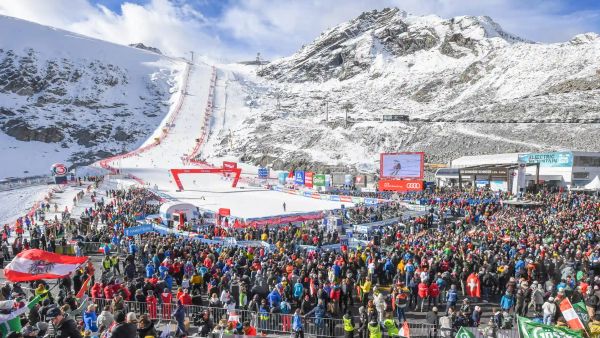
Pinheiro Braathen Wins Sölden Giant Slalom Opener by 0.48 Seconds
Two days at Sölden, two races decided by a hundredth somewhere on the podium, and one very quick Brazilian. Lucas Pinheiro Braathen led from the first run to win the men’s World Cup opener by 0.48 seconds, with Loïc Meillard second and Marco Odermatt third. River Radamus charged from 15th to fourth on a rutted course, and Britain’s Freddy Carrick-Smith banked his first World Cup points. Braathen still hasn’t lost a giant slalom since Olympic gold.
25 Oct 2026
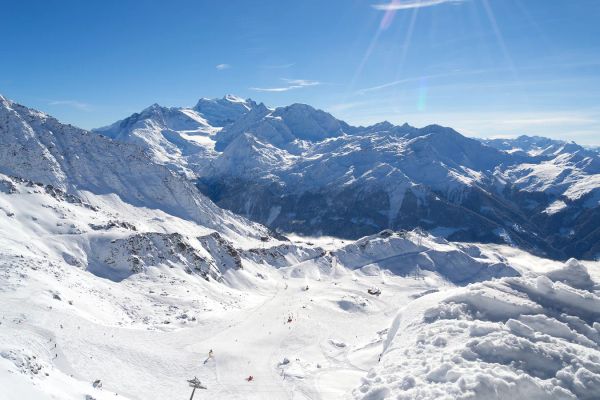
Alps Snow Forecast: Up to 64 cm Headed for the High Glaciers as the Snow Line Drops
The Alps are about to swap mild, sunny October weather for something far more wintry. A cold front arrives Tuesday, and SnowStash forecasts have Monterosa Ski out in front with 64 cm over 14 days, ahead of Blatten Belalp (55 cm) and Verbier (43 cm). The snow line should fall below 2000 metres by Wednesday night, and glaciers across Switzerland, Italy and Austria are in line for the best of it. The wind will have a say too.
20 Oct 2026
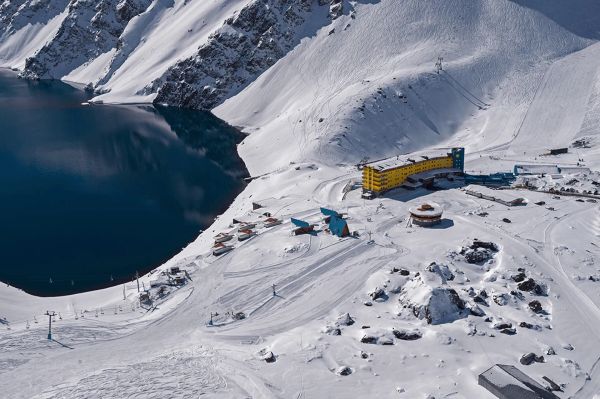
Four Dead After Avalanche Near Ski Portillo in Chile
A large avalanche struck near Laguna del Inca adjacent to Ski Portillo on Saturday afternoon, killing four people and injuring four others. The group were day visitors mountaineering in the backcountry after reportedly being warned about elevated avalanche risk by resort staff.
18 Oct 2026
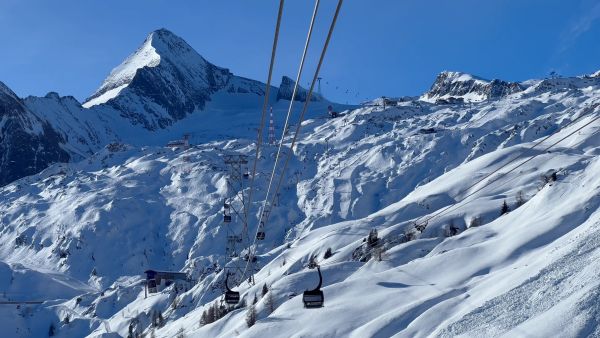
Europe Ski Resorts Open Now: What Is Skiable in Mid-October 2026
Europe’s ski season is open, technically. After a record-warm summer, glaciers in Austria, Switzerland and Italy are running a few pistes apiece, Sölden, Stubai and Kitzsteinhorn started late, Titlis has pushed back to 24 October, and Zermatt reopens a few lifts on 14 October after more than two months shut. Finland’s Levi and Ruka are skiing on stored snow. Here is what is open, and what you actually get at each.
14 Oct 2026
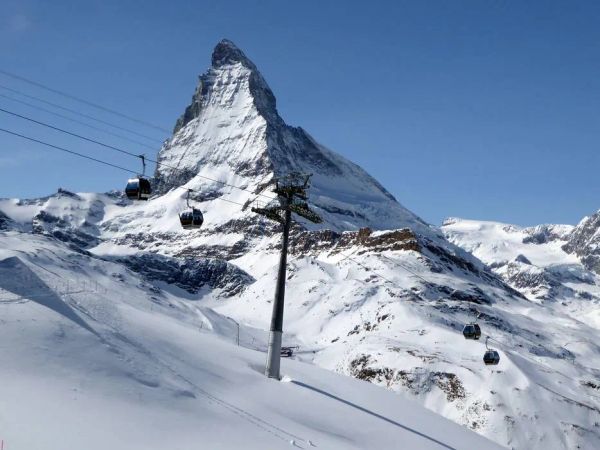
Zermatt Plans World Cup Downhill Return on the Gornergrat for 2028
Zermatt is having another crack at a World Cup downhill, and this time nobody has to cross a border. Around 13 million Swiss francs is going into rebuilding the Gornergrat piste, including a jump fed by a roughly 300-metre in-run across the roof of the Gornergrat Railway gallery, with the Matterhorn lined up behind it for the TV cameras. First men’s race is pencilled in for March 2028, pending FIS homologation.
14 Oct 2026
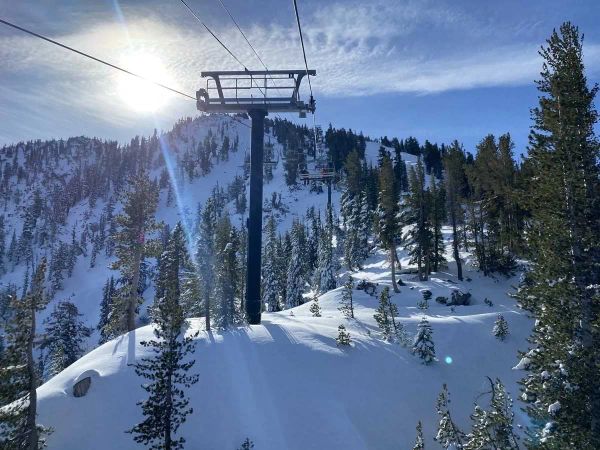
Mt. Rose Begins Snowmaking for the 2026-27 Season at Lake Tahoe
Lake Tahoe’s highest base elevation is paying off early: Mt. Rose has started making snow for 2026-27 after the first flurries and a cold snap. The Nevada resort is backing it with nearly US$2 million in upgrades, including a replacement snowmaking main line, a new PistenBully groomer and restraint bars on every lift. Opening day is yet to be confirmed, though Heavenly and Northstar are already eyeing 20 November.
13 Oct 2026
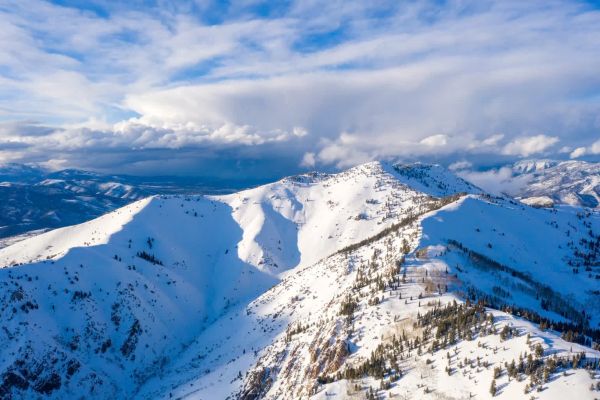
Utah Ski Resorts 2026-27: What’s New at Alta, Deer Valley, Powder Mountain and More
Utah is still building flat out. For 2026-27, Powder Mountain opens a steep new Skytrac chair into more than 1,000 acres of advanced terrain, Deer Valley adds 200 acres on Hail Peak, Sundance gets a new quad and Park City adds a gondola from its new parking structure. Snowmaking is expanding almost everywhere, Eagle Point stays closed after the Cottonwood Fire, and the 2034 Games are setting the pace. Here’s what’s new, resort by resort.
13 Oct 2026
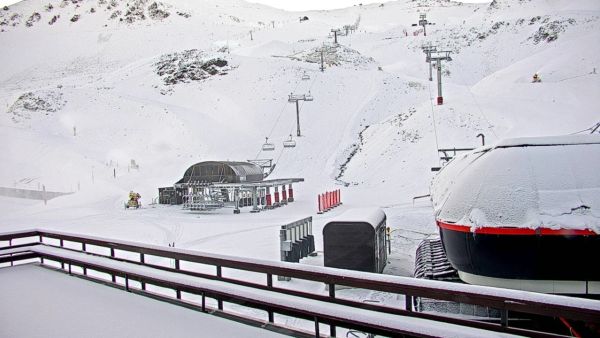
Mt Hutt Invests NZ$12 Million in Base Area, Tripling Its Sun Deck
Mt Hutt is getting busier, and its base lodge is about to catch up. NZ$12 million goes into a heated sun deck roughly three times the current size (430 m² to 1,300 m²), plus a new toilet block, heated steps down to snow level, extra storage and a new food and beverage outlet. Building starts after the 2026 season, with everything due for winter 2027.
11 Oct 2026
Kirkwood Lift Tickets
Kirkwood lift tickets & passes
Opening day for the winter 2026 - 2027 season is scheduled for Nov 26, 2026 (subject to change). Lift tickets at Kirkwood typically go on sale well before the start of the ski season.
Our lift ticket pricing was last updated on Aug 30, 2026.
Day passes start from US$102, with peak rates up to US$199.
Epic8 pass options
Single-day passes
Adult 19–64
Adult Daily Ticket
US$145up to US$199 peak
Full-day access to Kirkwood's 2,300 acres of legendary Lake Tahoe terrain. Experience California's powder destination with 15 lifts, 86 trails, and some of the deepest snow in the Sierra Nevada. Confirmed 2026/27 advance pricing: $145 on a regular weekday (e.g. Mon 14 Dec 2026) rising to $199 on peak holiday dates (e.g. Sat 26 Dec 2026) - both below same-day window prices of $170-$234. Book ahead to lock in the lower rate.
Buy passYouth 13–18
Young Adult Daily Ticket
US$131up to US$179 peak
Discounted lift access for young adults at Kirkwood Mountain Resort. Enjoy Lake Tahoe's premier powder skiing with challenging terrain and deep snowfall. Confirmed 2026/27 advance pricing: $131 on a regular weekday rising to $179 on peak holiday dates, versus $153-$211 same-day.
Buy passChild 5–12
Child Daily Ticket
US$102up to US$139 peak
Child-friendly lift tickets for Kirkwood's learning areas. While known for expert terrain, Kirkwood offers excellent beginner slopes and ski school programs. Confirmed 2026/27 advance pricing: $102 on a regular weekday rising to $139 on peak holiday dates, versus $119-$164 same-day.
Buy passSenior 65–79
Senior Daily Ticket
US$131up to US$179 peak
Senior discounted daily lift access to Kirkwood Mountain Resort. Enjoy Lake Tahoe's powder skiing with 2,300 acres of diverse terrain. Confirmed 2026/27 advance pricing: $131 on a regular weekday rising to $179 on peak holiday dates, versus $153-$211 same-day.
Buy passChild 0–4
Kids 4 & Under Free
Free
Complimentary lift access for children 4 and under at Kirkwood Mountain Resort. Free skiing with proof of age at Lake Tahoe's powder destination.
Buy passSenior 80–99
Seniors 80+ Free
Free
Complimentary lift access for seniors 80+ at Kirkwood Mountain Resort. Free skiing with proof of age and $25 processing fee for season pass products.
Buy passAdult 13–64
Epic 1-Day Pass (Restricted)
US$109
Flexible day-pass product starting at $109 (adult 13+), sold for a limited time before the season starts. Bundle up to 7 days to use anytime across up to 32 Epic Pass resorts, with 20% off Epic Mountain Rewards (food, lodging, lessons, rentals). Blackout-restricted on peak holiday dates, non-refundable but includes Epic Coverage. Compare against the $199 advance-purchase 1-day lift ticket, which is fixed to specific dates/resorts but refundable and sold all season.
Buy passSeason passes
Adult 19–64
Epic Pass Access
US$1,089
CORRECTED: Kirkwood is a Vail Resorts property on the Epic Pass, not Ikon (the existing record mislabeled this as "Ikon Pass Access" - Kirkwood, Heavenly and Northstar are the three Vail/Epic resorts at Lake Tahoe). Unlimited access to Kirkwood and 90+ Epic Pass resorts worldwide. Confirmed 2026/27 starting price is $1,089 (up 3.6% year over year), with a 20% discount for skiers under 30 ($869).
Buy passLift tickets FAQ
How much does a Kirkwood day pass cost?
Kirkwood day passes range from US$102 to US$199 depending on the date and advance booking.
Can I buy Kirkwood lift tickets online?
Yes, you can purchase tickets directly from the resort website or at the resort ticket office.
Are there discounts for multi-day passes?
Yes, multi-day packages typically offer significant savings compared to individual day passes. The per-day cost decreases with longer stays.
What is included with a Kirkwood lift ticket?
Full access to all lifts and trails at Kirkwood, including mountain safety and patrol services.
What is the difference between Kirkwood lift tickets and ski passes?
"Lift tickets" and "ski passes" refer to the same thing at Kirkwood - your access to the mountain's lifts and trails for your chosen duration.
When should I buy Kirkwood lift tickets for the best price?
Purchase tickets at least 7 days in advance for the best rates, and consider weekday visits for further savings over weekend rates.
Does Kirkwood offer group discounts on lift tickets?
Group discounts are typically available for parties of 10 or more. Contact Kirkwood directly for group booking information and rates.
How can I check current conditions before buying tickets?
Before purchasing, check the live snow report and mountain webcams to see current weather, snow conditions, and lift operations at Kirkwood.
More Kirkwood intelligence: snow report, webcams, resort overview.