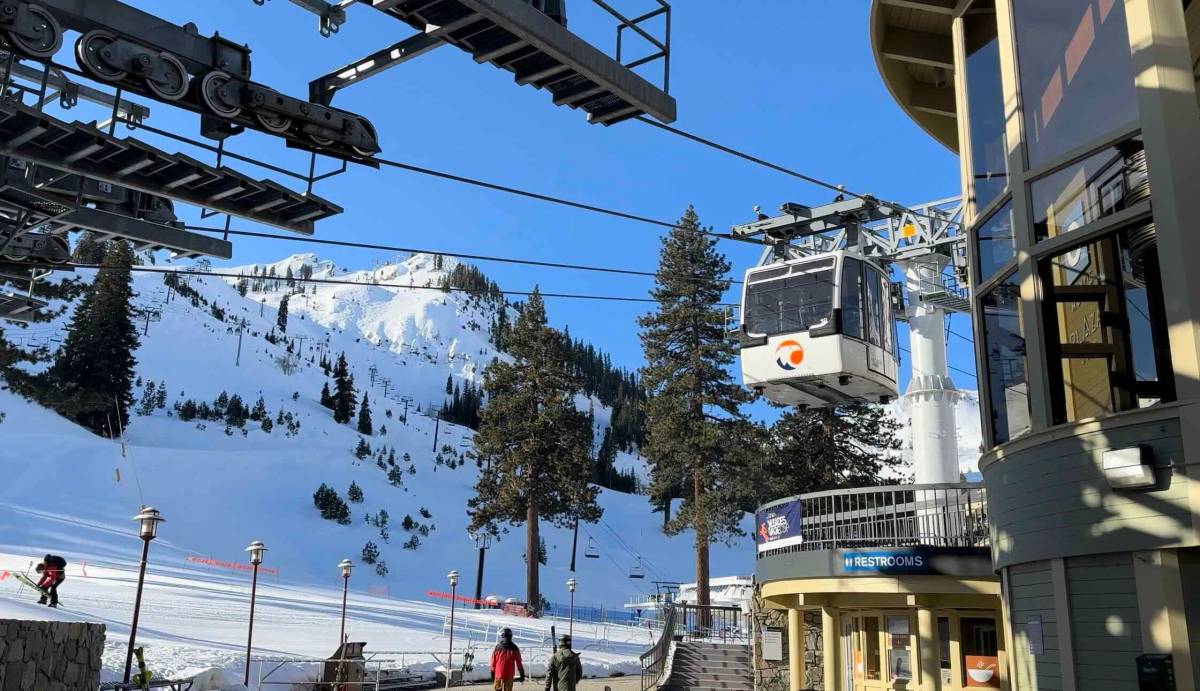
Palisades Tahoe
6,400 acres, 279 runs, 39 lifts across 8 peaks. Olympic Valley & Alpine Meadows united. 1960 Winter Olympics host. Ikon Pass.

Season 2026 - 2027
Opens
21 Nov 2026
Closes
30 May 2027
Days open
190
Annual snow
400in
The Overview
Michael Fulton
Melbourne-based skier and snowboarder with 50+ resorts across 5 continents. Specialises in Australian resorts and international resort comparisons.
Palisades Tahoe spans 6,400 acres across eight peaks with 279 runs accessed by 39 lifts, reaching from 1,890 metres at base to 2,758 metres at Granite Chief summit. The resort averages 10.2 metres of annual snowfall and operates from late November through late May. The 2021 merger of Olympic Valley and Alpine Meadows created California's largest ski destination, unified by a 16-minute base-to-base gondola completed in 2022. Host of the 1960 Winter Olympics, the resort maintains Olympic memorabilia at High Camp's museum.
Terrain splits 13 per cent beginner, 33 per cent intermediate, 30 per cent advanced, and 24 per cent expert across two distinct mountain personalities. Olympic Valley delivers steep chutes and cliff-lined bowls including KT-22, the Palisades wall, and Granite Chief couloirs. Alpine Meadows counters with groomed boulevards and hike-to bowls like Beaver and Estelle. The 5.15-kilometre Mountain Run offers the resort's longest descent, whilst Silverado and Broken Arrow host extreme terrain visible from lift chairs.
The Village at Olympic Valley anchors the Olympic Valley side with slopeside lodging, 30 restaurants, and European-style cobblestone walkways. Alpine's mid-mountain lodge draws crowds to its sun deck and relaxed atmosphere. The 110-person aerial tram rises 610 vertical metres to High Camp at 2,500 metres, where beginners access protected learning terrain and an outdoor ice rink operates at 2,500 metres elevation. North America's only ski-resort funitel transports 4,000 skiers per hour to Gold Coast.
Ikon Pass and Ikon Base Pass provide unlimited access with select blackout dates between December 27 and February 15. Adult single-day tickets range from $119 to $179 depending on demand and advance purchase. The resort suits advanced and expert skiers seeking steep fall-line skiing and Olympic history, whilst families benefit from High Camp's segregated beginner zones and gondola sightseeing access year-round.
2,848ft
Vertical
279
Runs
6,400 acres
Skiable
400in
Annual snow
Ikon / Mountain Collective
Pass
The Terrain
279 runs across 6,400 acres skiable
Palisades Tahoe is a vast 6,400 acres (2,590 hectares) of linked terrain across the former Olympic Valley and Alpine Meadows areas, with 279 runs. The vertical measures 2,850 ft (868 m), from 6,200 ft (1,890 m) at the base to 9,050 ft (2,758 m) at the summit. The difficulty split is unusually demanding for a resort this size: 13% beginner, 33% intermediate, 30% advanced and 24% expert. A base-to-base gondola joins the two mountains, so skiers can sample both in a day, though the terrain is bigger than most visitors can cover in one trip.
Olympic Valley is the steep side, with the KT-22 chair feeding sustained fall-line runs, the Headwall zone, Cornice Bowl and the cliffs and chutes around Granite Chief and Silverado. Alpine Meadows has more open bowls and glades, with Sherwood and the Scott Chair area often holding powder longer. Beginners can use the more protected slopes at High Camp. Palisades Tahoe suits strong intermediates through to experts chasing steeps, and it rewards anyone willing to learn the mountain over a few days rather than rush through it.
Terrain split
279
runs
279 runs across 4 grades
Beginner36 runs · 13%
Intermediate92 runs · 33%
Advanced84 runs · 30%
Expert67 runs · 24%
Time it right
When to visit Palisades Tahoe
The 2025-26 season operates from November 22, 2025 through May 26, 2026, with lifts spinning 9am to 4pm daily subject to conditions. Palisades Tahoe typically opens earlier and closes later than Tahoe-region competitors, earning designation as the area's spring skiing capital. The resort frequently extends operations into Memorial Day weekend when snowpack permits. Olympic Valley's base sits at 1,890 metres, providing altitude advantage over south-shore resorts.
The resort averages 10.2 metres of annual snowfall measured at the 2,438-metre Belmont plot, with monthly averages peaking at 3.12 metres in December and 2.31 metres in March. Granite Chief's 2,746-metre summit captures additional snow and preserves powder longer than lower elevations. The 2025-26 season through late April recorded 9.12 metres, marking a challenging year across western North America. Snowmaking covers 11 of 26 lifts on Olympic Valley and nine of 13 at Alpine, concentrating on lower-elevation access routes and learning terrain.
January through March delivers peak conditions, with February historically offering the most consistent snowpack and fewest rain events at base elevation. April and May transform into spring skiing season with softening snow by midday and corn-snow conditions prevailing on south-facing aspects. Granite Chief and north-facing zones like Silverado hold quality snow through May. Weekday visits outside holiday periods offer significantly lighter crowds than weekends, when parking reservations are mandatory on Saturdays and Sundays.
The resort hosts World Cup technical events, terrain park competitions, and spring music festivals including pond-skimming contests. Ikon Pass holders receive early-access First Tracks on select Thursdays from 8am to 9am at Red Dog and Resort chairs. Three-hundred-plus annual sunshine days distinguish Tahoe's Sierra Nevada climate from Pacific Northwest resorts, though marine storms deliver the Sierra's heavy, dense snow nicknamed "Sierra Cement" by locals.
Season 2026 - 2027
21 Nov 2026
Opens
30 May 2027
Closes
190
Days open
400 in
Annual snow
The record
Historical snowfall at Palisades Tahoe
Daily snow reports at Palisades Tahoe go back to 2025, 2 winters on the books. Open the record to compare winters, lifts and piste.
44 in
Snowiest day
18 Feb 2026
0 in
This winter · 2026-27
so far
360 in
Typical winter
average of complete seasons
Winter totals
in
Past wintersThis winter
Getting there
Getting to Palisades Tahoe, and where to stay
Palisades Tahoe occupies Olympic Valley in the Sierra Nevada range of eastern Placer County, California, on Lake Tahoe's northwest shore. The Olympic Valley base sits at 1,890 metres within a narrow valley formed by Washeshu Creek, eight kilometres south of Truckee via Highway 89. Granite peaks rise to 2,746 metres above the Tahoe Basin, providing views across the 500-square-kilometre alpine lake. The Washoe Tribe considers this ancestral homeland within the greater Tahoe region.
Tahoe City anchors the north shore 11 kilometres southeast, offering lakefront dining and historical sites along Highway 89. Truckee, 16 kilometres northeast, provides a historic railroad town with restaurants, breweries, and mountain-town character dating to the 1860s California Gold Rush. Incline Village sits 19 kilometres east across Nevada's state line. The resort operates 68 kilometres west of Reno and 154 kilometres northeast of Sacramento via Interstate 80. San Francisco lies 315 kilometres southwest requiring three to four hours' drive.
Access follows Interstate 80 east from Sacramento or west from Reno to Truckee, then Highway 89 south for eight kilometres to Olympic Valley Road. The two-kilometre Olympic Valley Road terminates at the Village base area. Winter chain controls are mandatory on Interstate 80 during storms, with California Highway Patrol enforcing four-wheel-drive or chain requirements. Road closures occur during severe weather, adding hours to drive times. TART bus provides free daily service from Truckee and Tahoe City directly to Olympic Valley.
Reno-Tahoe International Airport sits 68 kilometres northeast with one-hour drive time in clear conditions. Sacramento International Airport offers more flight options 177 kilometres southwest, requiring two to 2.5 hours' drive via Interstate 80. North Lake Tahoe Express operates five daily shuttles from Reno airport at $99 per person for 45-minute transfers. Amtrak services Truckee station 16 kilometres away, connecting California Zephyr routes from San Francisco and Chicago. JSX operates private-charter flights between Reno, San Francisco, and southern California.
Where to stay
Search all stays →Stays map loads when you scroll here
Hotels and lodges near Palisades Tahoe, powered by Stay22.
Latest News
From the SnowStash desk

Utah Snow Storm Builds Early-Season Base Ahead of November Openings
Rain down low, snow up high, and a snow report full of zeros that mostly means ‘not updated yet’. Utah’s first proper storm of 2026-27 is rolling through the Wasatch, Snowbird’s snow stake is closing in on 10 inches, and Brian Head is five days from opening day. Early November snow rarely looks like much, but it is the layer every November opening date is built on. Here is where it stands.
1 Nov 2026
Sierra Nevada Halloween Storm: Dodge Ridge Forecast to Lead With 19 Inches
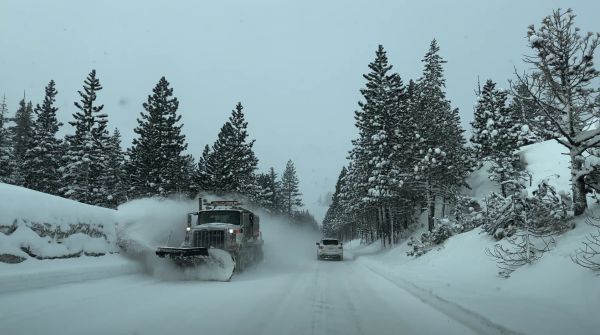
Halloween weekend brings a wet, windy storm to the Sierra Nevada. Our five-day forecast has Dodge Ridge on top with 19 in, followed by Bear Valley at 15 in and Mammoth Mountain at 12 in, with most of it landing on Saturday. A winter weather advisory covers the Tahoe Basin and Mono County until 7 AM Sunday, gusts could reach 47 mph and the freezing level swings between 4,900 and 8,700 ft, so some bases will see rain. A dry spell follows from Monday.
31 Oct 2026
Lake Louise Opens Early on 1 November With Juniper Express and Easy Street
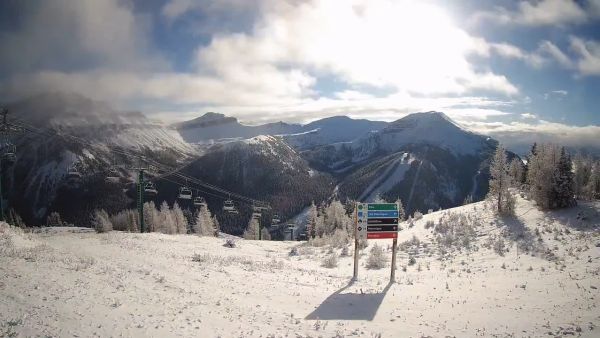
The Rockies get their first lift-served turns of the season early. Lake Louise opens Sunday 1 November, five days ahead of schedule, after a cold October and round-the-clock work from the snowmaking and mountain crews. Terrain is limited to Juniper Express Chair and Easy Street, with two small terrain parks and the beginner area for lessons. Opening-day tickets are over 60% off, with prices rising as more lifts open. First chair is at 9:30 am under the resort’s new lift hours.
31 Oct 2026
Kitzbüheler Horn Summit Cable Car to Be Replaced After 70 Years
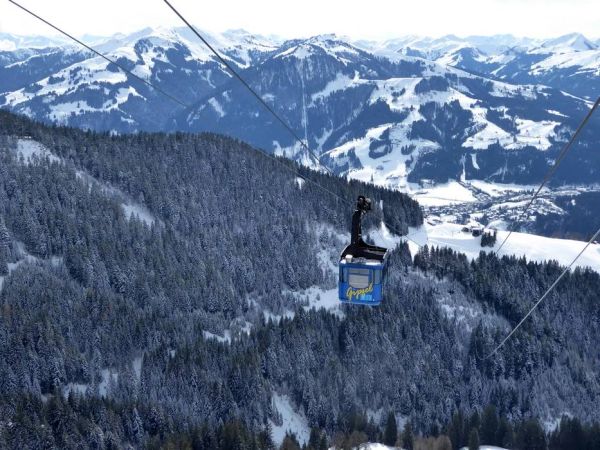
A Tyrolean summit lift that has been carrying guests up the Kitzbüheler Horn since 1955 is on borrowed time. Its licence runs to 2045, but a new inspection rule has made refurbishment uneconomic, so Bergbahn AG Kitzbühel will spend around €15 million on a replacement on the same line. It should hold roughly 100 people and keep running in winds that would stop today’s lift. Building starts in autumn 2027, which makes this winter and next summer the last chances to ride the old one.
30 Oct 2026
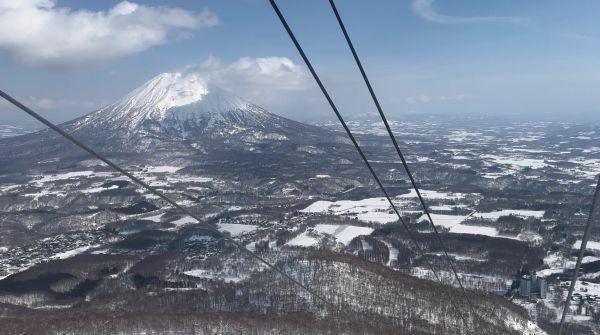
What’s New in Japan Skiing This Winter: Niseko Gondola, a Private Resort and a Bigger Ikon Pass
Niseko Village is replacing a lift from the early 1980s with an eight-person gondola, Tsugaike gets a six-person chairlift, Madarao joins the Ikon Pass and Togari opens Asia’s first private ski resort. Here’s what is actually new in Japan skiing for 2026/27, plus what is still a year or two away.
30 Oct 2026
Wolf Creek Opens on Halloween Weekend as Colorado’s Early Season Gathers Pace
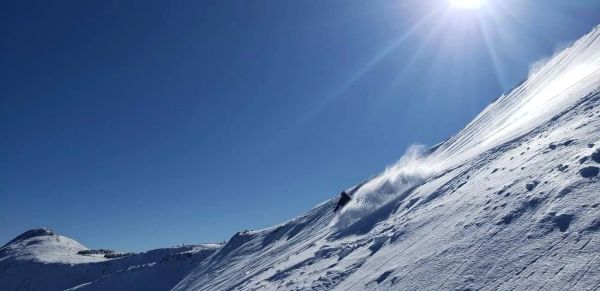
Colorado’s early-season dominoes keep falling. Arapahoe Basin opened on Wednesday, Keystone follows on Friday, and now Wolf Creek is joining in on Saturday 31 October, just in time for Halloween. A storm on 23 and 24 October left 20 inches of natural snow in the San Juans, and three lifts will turn from 9:00 am, covering about 30% of the mountain. Expect rocks, unmarked obstacles and open water, but also Local Appreciation lift tickets at $73 for adults.
30 Oct 2026
Keystone Resort Opens for 2026/27 With More Than Two Miles of Skiing
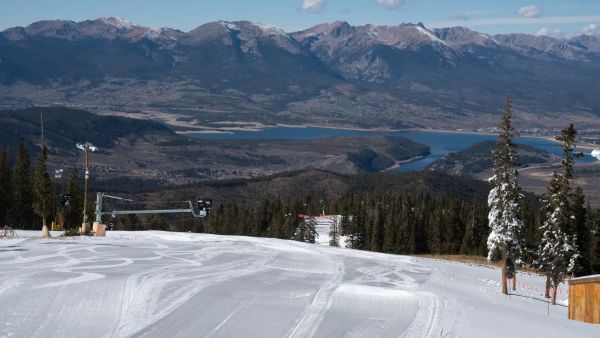
Keystone is next. After Arapahoe Basin claimed the first chairlift skiing of the season on Wednesday, Keystone opens on Friday 30 October at 9:00 am with more than two miles of snowmaking-built terrain on Schoolmarm and Silver Spoon, plus free donuts, coffee and a live DJ. Last year the order was reversed, when Keystone squeezed in a three-hour afternoon session to beat A-Basin by a day. Snowmaking has been running since 15 October.
29 Oct 2026
Beaver Creek Installs 16 Automated Snow Guns on Birds of Prey Ahead of Record World Cup
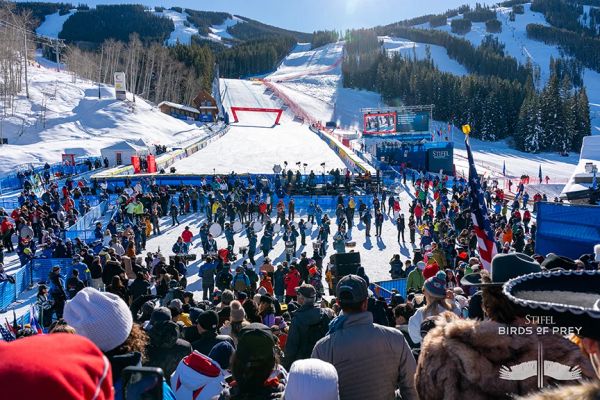
Beaver Creek is getting ready for the biggest Birds of Prey ever, and this time it is not leaving the snow to chance. Crews started making snow on 27 October with 16 newly installed automated guns on the lower third of the course, after last December’s warm spell forced a downhill off the schedule. Seven races across two weekends run from 3 to 13 December, the most the course has hosted since its 1997 debut, and the guns start themselves whenever the weather allows.
29 Oct 2026
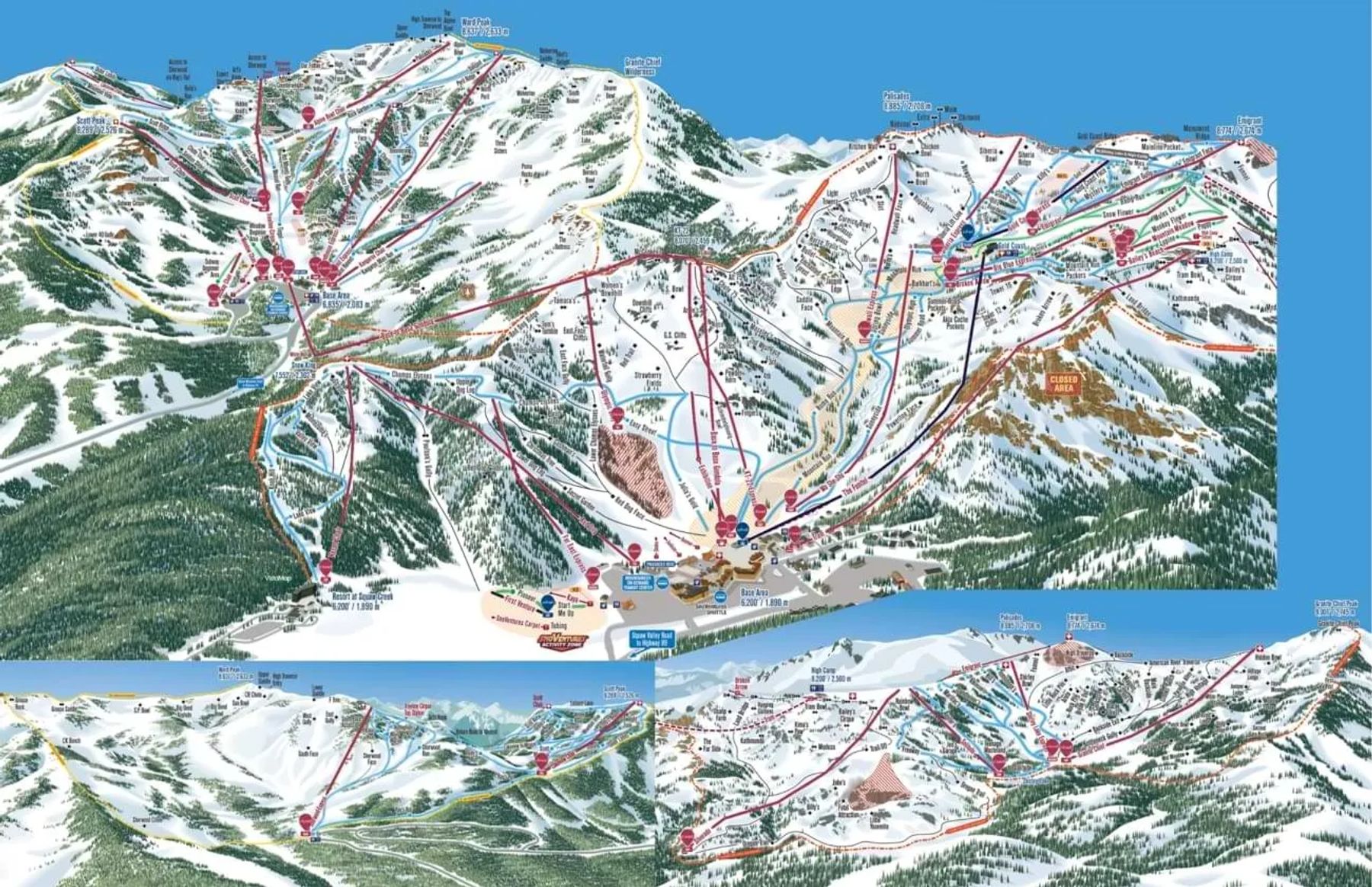
Palisades Tahoe Trail Map
Downloadable Palisades Tahoe trail map
Terrain split
279
runs
Beginner13%
Intermediate33%
Advanced30%
Expert24%
6,400 acres skiable2,590 hectares
Resort Stats
Elevation
Base6,201ft
Summit9,049ft
Annual snowfall
400in
Season
2026 - 2027
21 Nov 2026 - 30 May 2027
Trail coverage
279 runs
6,400 acres (2,590 ha)
About Palisades Tahoe's trail map
Explore Palisades Tahoe's full trail map with 279 runs across the mountain, colour-coded by difficulty and shown alongside the terrain split. Use it to plan a day that matches your ability, find lift-served pockets of your favourite grade, and see how the resort links together. Download the piste map (PDF) ↗
More Palisades Tahoe intelligence: snow report, lift system, webcams, resort overview.